
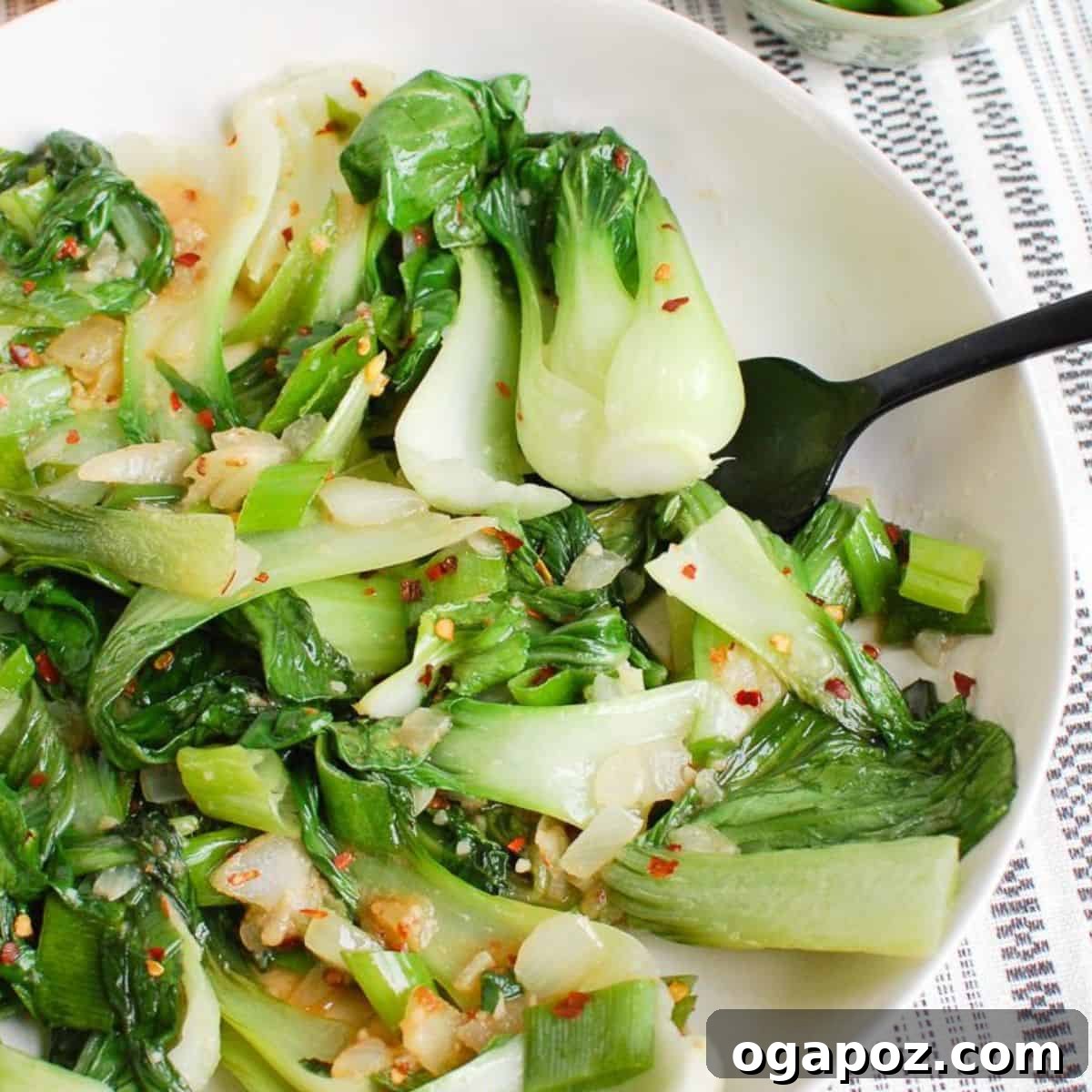
Easy Bok Choy Recipe: Your Go-To Quick & Healthy Side Dish
Discover the simplest way to prepare a vibrant and nutritious side dish with this **Easy Bok Choy Recipe**. Ready in under 10 minutes, this versatile vegetarian stir-fry is bursting with flavor and pairs perfectly with a wide array of meals. Whether you’re a seasoned chef or just starting out, this recipe is designed for effortless cooking, bringing a touch of healthy elegance to your dinner table. We’ll explore how to transform fresh bok choy into a delicious culinary delight, making it a staple in your meal rotation. Prepare to be amazed by how quickly and easily you can create a truly memorable vegetable dish.
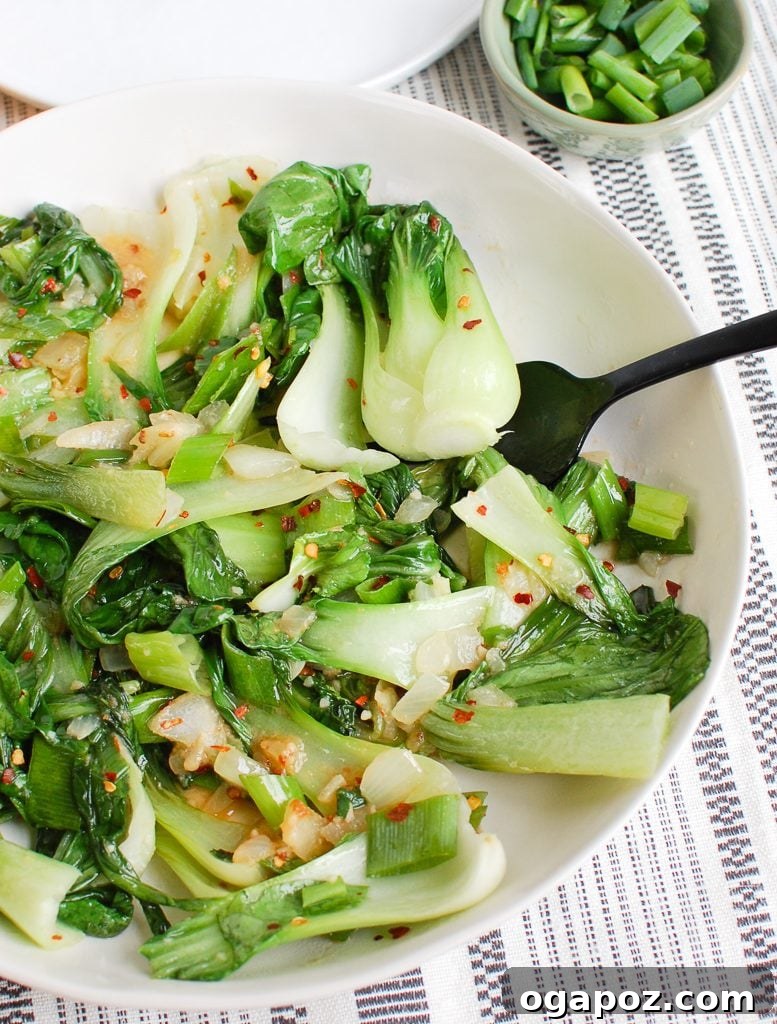
Last week, during a delightful visit to my local farmers market, my attention was immediately captured by the pristine bunches of baby bok choy. There’s something incredibly satisfying about cooking with fresh, seasonal produce, and I make it a point to seek out new vegetables and fruits weekly. This practice not only keeps my own cooking repertoire exciting but also serves as a wonderful opportunity to introduce my children to a diverse palette of healthy and intriguing foods. Today’s featured dish is a direct result of one such market trip: an incredibly straightforward and flavorful bok choy stir-fry that has quickly become a family favorite.
This recipe offers a fantastic way to enjoy bok choy as a standalone side dish, but its versatility doesn’t end there. For those occasions when I have an abundance of fresh mushrooms on hand, I often prepare my equally cherished Bok Choy Stir Fry with Mushrooms, which adds an earthy depth that complements the bok choy beautifully. The remarkable adaptability of bok choy means you can use either the more delicate baby bok choy for a milder flavor and even quicker cook time, or its more robust, mature counterpart, simply chopping it into smaller, manageable pieces. This particular rendition showcases a harmonious blend of aromatic garlic and onion, a fragrant hint of toasted sesame oil, and a vibrant sprinkle of fresh green onions, all carefully combined to elevate the naturally crisp texture and subtle taste of the bok choy to perfection.
Beyond its role as a simple side, bok choy is a phenomenal ingredient that seamlessly integrates into many Asian-inspired culinary creations. Its unique texture and mild flavor allow it to shine in a variety of stir-fry recipes, where it adds a fresh, crisp element, or significantly enhances the nutritional value of hearty Asian-style soups. If you appreciate the distinctive flavor and appealing crunch of bok choy, you will undoubtedly find joy in incorporating it into other vibrant stir-fries from your kitchen. Consider pairing it with our delightful Asian Shrimp Edamame Stir-Fry, the savory Easy Thai Pork Stir-Fry, the fiery Spicy Thai Basil Chicken Stir-Fry, or even a comforting and quick Easy Chicken Ramen Noodle Stir Fry. Its naturally quick cooking time makes it an ideal last-minute addition to ensure it retains its delightful crispness and vibrant color in any dish.
Why This Easy Bok Choy Recipe Will Become Your New Favorite
There are countless reasons why this simple preparation of bok choy deserves a permanent spot in your recipe collection. It’s more than just a quick side; it’s a testament to how effortlessly healthy and delicious eating can be.
- Lightning Fast Prep and Cook Time: In today’s fast-paced world, time is a precious commodity. This recipe respects that, going from raw ingredients to a cooked dish in under 10 minutes. It’s the ultimate solution for busy weeknights or when you need a nutritious side dish in a flash.
- Remarkably Flavorful: Despite its simplicity, the combination of fresh garlic, sweet onion, and aromatic toasted sesame oil creates a surprisingly rich and profound flavor profile. The mild, sweet notes of the bok choy itself truly shine through, complemented by a subtle savory depth.
- Nutrient Powerhouse: Bok choy isn’t just tasty; it’s incredibly good for you. It’s densely packed with essential vitamins (A, C, and K) and vital minerals (calcium, potassium, iron), offering a significant health boost with every bite. It’s a delicious way to increase your daily vegetable intake.
- Incredibly Versatile: This recipe is a fantastic starting point for culinary experimentation. It’s easily customizable with various proteins, other vegetables, and seasonings, allowing you to adapt it to your preferences, pantry staples, or dietary needs. It truly is a chameleon in the kitchen!
- Diet-Friendly: Naturally vegetarian and low-carb, this dish can easily be made gluten-free by substituting soy sauce with tamari. It fits seamlessly into a multitude of healthy eating plans, including plant-based, keto-friendly, and general wellness diets.
- Beginner-Friendly: With straightforward steps and common ingredients, this recipe is ideal for those new to cooking vegetables or anyone looking for a foolproof method to prepare bok choy. You don’t need any special skills to achieve perfect results.
- Vibrant and Appetizing: The bright green leaves and crisp white stalks of bok choy make for a visually appealing dish that adds a pop of color to any plate. Eating with your eyes is definitely part of the experience here!
Understanding Bok Choy: The Star Ingredient
Bok choy, often recognized as pak choi or Chinese white cabbage, is a distinctive member of the Brassica rapa family, widely celebrated and utilized in East Asian cuisine. Its defining characteristics include crisp, spoon-shaped white or pale green stalks that flare out to form tender, dark green leaves. This leafy green vegetable is not merely a delicious culinary component; it stands out as a genuine nutritional powerhouse, making it an invaluable and healthy addition to virtually any diet.
The Remarkable Health Benefits of Bok Choy
This humble yet mighty vegetable offers an impressive array of health advantages, contributing significantly to overall well-being:
- Abundant in Vitamins: Bok choy is an exceptional source of Vitamin A, crucial for maintaining healthy vision and supporting robust immune function. It’s also brimming with Vitamin C, a powerful antioxidant and immune system booster, and Vitamin K, which is vital for proper blood clotting and plays a significant role in bone health.
- Rich Mineral Content: Beyond vitamins, it provides a spectrum of essential minerals. These include calcium, fundamental for building and maintaining strong bones and teeth; potassium, which is key for regulating blood pressure and fluid balance; and iron, indispensable for the transport of oxygen throughout the body.
- Potent Antioxidant Properties: Bok choy contains various beneficial antioxidants, such as flavonoids and phenolic acids. These compounds actively work to protect your body’s cells from oxidative stress and damage caused by free radicals, contributing to disease prevention.
- High in Dietary Fiber: Its substantial dietary fiber content is excellent for promoting healthy digestion, preventing constipation, and supporting a balanced gut microbiome. Fiber also helps in maintaining steady blood sugar levels.
- Low in Calories and Nutrient-Dense: As a low-calorie, nutrient-dense option, bok choy is an ideal food for those focused on weight management or simply aiming for a more nutritious diet without excess calories. It fills you up with goodness without weighing you down.
- Anti-Inflammatory Qualities: The phytonutrients in bok choy may possess anti-inflammatory properties, potentially helping to reduce chronic inflammation in the body.
Choosing and Preparing Your Bok Choy
To ensure the best flavor and texture in your dish, selecting fresh, high-quality bok choy is paramount. When you’re at the market, look for bunches with vibrant, deep green leaves that show no signs of yellowing, wilting, or blemishes. The white or light green stalks should be firm, crisp, and free from soft spots. Once you’ve chosen your bok choy, proper cleaning is absolutely essential, as fine dirt and grit have a tendency to hide discreetly between its tightly packed stalks.
- Thorough Cleaning: First, begin by trimming off the very end of the root base. If you’re using tender baby bok choy, you can often simply halve or quarter the heads lengthwise. For larger, mature bok choy, it’s usually best to separate the individual stalks. Rinse each piece or stalk meticulously under cold running water, making sure to gently spread the stalks apart and rub them to dislodge any trapped grit or soil. A good visual inspection will confirm cleanliness. After rinsing, pat the bok choy thoroughly dry with a clean kitchen towel or paper towels before proceeding to the cooking stage. Excess water can lead to steaming rather than sautéing.
- Optimal Cutting Techniques: The way you cut bok choy can influence its cooking time and final texture. For baby bok choy, halving or quartering them lengthwise typically works best, as they cook quickly and maintain an appealing presentation. For larger bok choy, you’ll generally want to slice the firm white stems into 1-inch pieces and the more delicate green leaves into wider ribbons. If you choose this method, it’s often beneficial to keep the stems and leaves separate during the initial preparation, as the stems might require a slightly longer cooking time than the tender leaves to reach the desired crisp-tender consistency. However, for this specific easy stir-fry recipe, we’ll keep the preparation simple, ready for quick sautéing without overthinking the separation.
Essential Recipe Ingredients You’ll Need
This delightful recipe prides itself on its simplicity, relying on a handful of common, accessible ingredients that, when combined, create a truly outstanding and flavorful dish. For precise measurements and comprehensive step-by-step instructions, please be sure to consult the detailed recipe card provided further below.
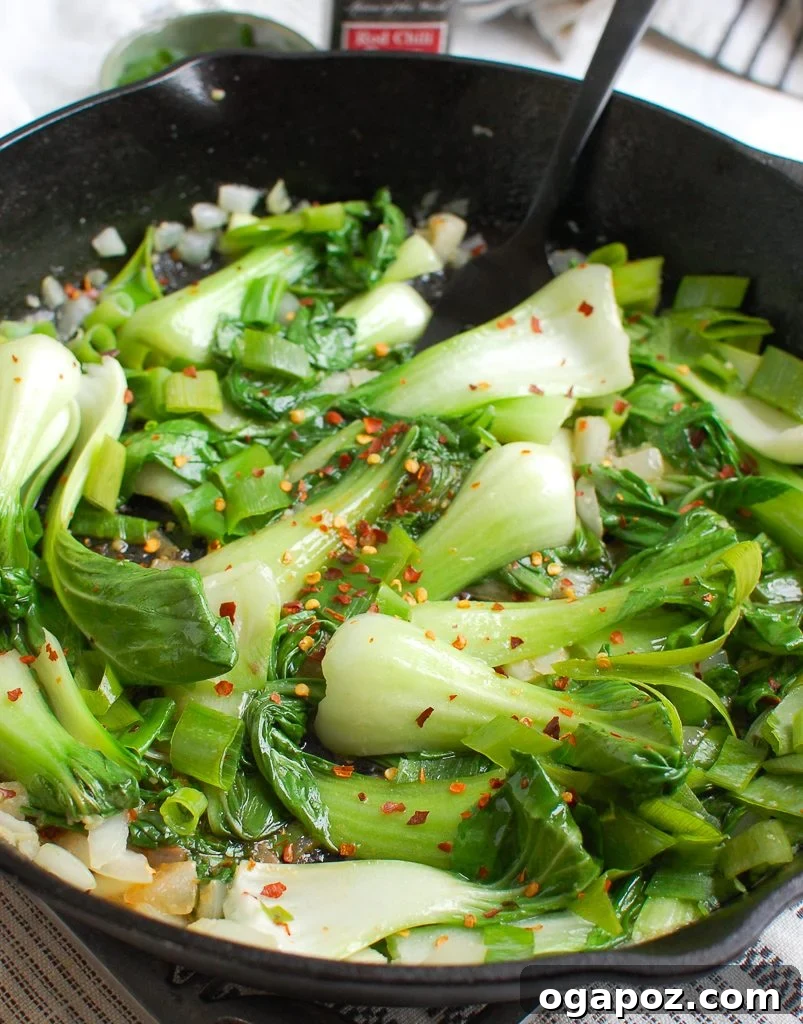
- Bok Choy: Naturally, this is the undeniable star of our recipe! Whether your preference leans towards the delicate baby bok choy or the more robust, mature stalks, the key is to ensure it is incredibly fresh and has been meticulously cleaned. Baby bok choy is frequently favored for its tender texture and faster cooking time, but regular bok choy performs exceptionally well when properly chopped into appropriate sizes.
- Cooking Oil: You’ll initiate the cooking process with a neutral base oil such as olive oil or vegetable oil, perfect for sautéing the foundational aromatics. For an infusion of authentic Asian-inspired flavor, a crucial addition is toasted sesame oil. Its distinct, rich, nutty aroma profoundly enhances the overall depth of the dish, though you have the flexibility to omit it if you prefer a simpler flavor profile.
- Garlic: Freshly minced garlic is an absolute non-negotiable component, providing an indispensable aromatic foundation that elevates every element of the dish. Feel entirely free to adjust the quantity based on your personal love for garlic – a little extra often proves to be a wonderful enhancement!
- Sweet Onion: Finely diced sweet onion contributes a delightful mild sweetness that expertly balances and complements the other robust flavors within the dish. For variations, red onion or even finely diced shallots can be utilized as excellent alternatives, each offering subtly different nuances in taste.
- Crushed Red Pepper: This ingredient is entirely optional but comes highly recommended for those who appreciate a pleasant, subtle hint of heat. It introduces a gentle kick that brilliantly enlivens the entire dish. Do not hesitate to experiment with other preferred herbs or spices to truly tailor the flavor to your individual palate and preferences.
- Kosher Salt and Black Pepper: These are the fundamental seasonings, indispensable for enhancing and bringing out the natural, inherent flavors of the bok choy and all other ingredients, ensuring a well-rounded taste.
- Green Onions: Primarily utilized as a vibrant garnish, chopped green onions contribute a fresh, subtly pungent finish and provide an appealing visual pop of color to the beautifully prepared dish, adding both flavor and aesthetic appeal.
Recipe Modifications and Exciting Flavor Adventures
One of the most appealing aspects of this easy bok choy recipe is its incredible inherent flexibility. It serves as an absolutely fantastic base for countless variations and culinary customizations, granting you the freedom to incorporate your favorite ingredients and experiment with diverse flavors. Here are some inspiring ideas to help you embark on your personalized flavor adventure:
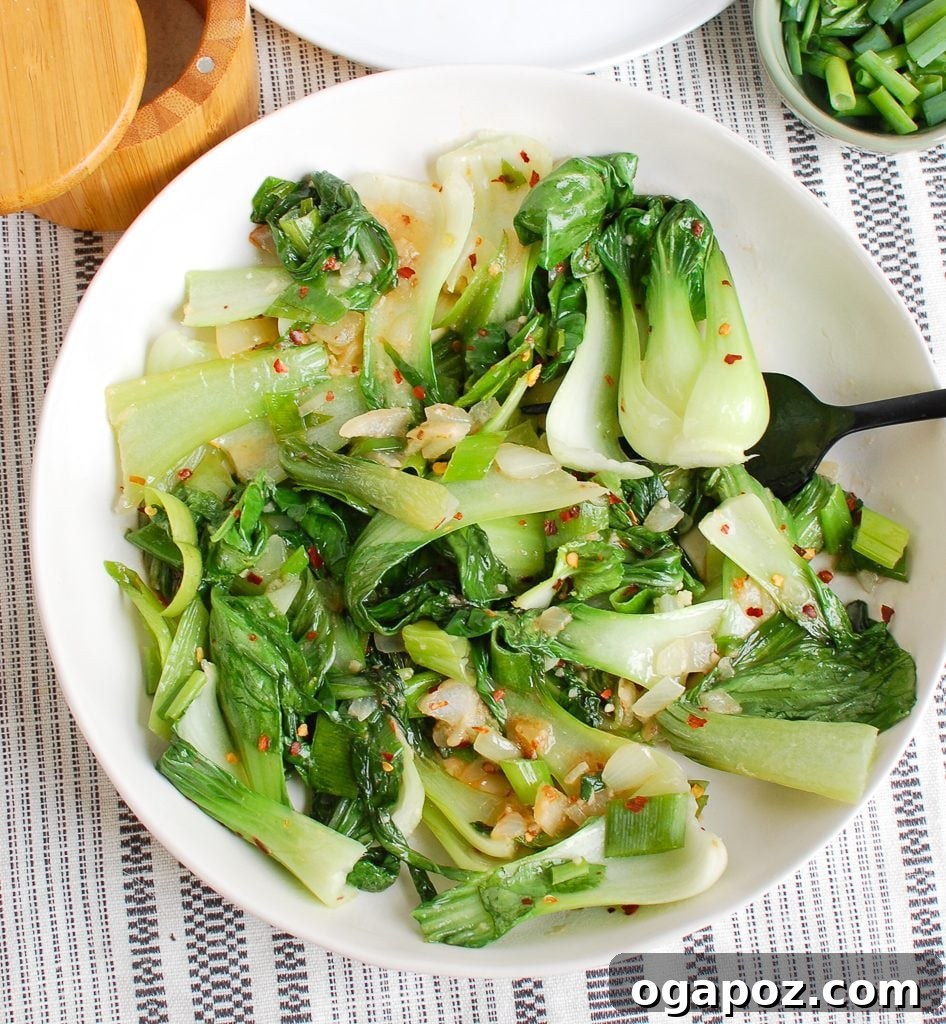
- Boost with Protein: Effortlessly transform this delightful side dish into a complete and satisfying meal by incorporating your preferred source of protein. Fresh shrimp is an exceptionally good choice, given its rapid cooking time, and can be conveniently added directly to the skillet alongside the bok choy during sautéing. Other excellent options include thinly sliced chicken breast or tender beef strips, firm cubed tofu for a plant-based boost, or even a perfectly fried egg perched invitingly on top. Always ensure your chosen protein is thoroughly cooked before serving to ensure food safety and optimal taste.
- Elevate with Spices and Aromatics: Elevate the existing flavor profile by introducing additional spices and fresh herbs. A knob of freshly grated ginger adds a wonderfully warm, zesty, and slightly pungent note that complements Asian flavors beautifully. A judicious splash of soy sauce (or gluten-free tamari for those with dietary restrictions) provides a crucial umami depth. For an extra and invigorating fiery kick, consider stirring in a teaspoon of spicy red chili garlic sauce or scattering a generous pinch of fragrant Thai-style basil. Experiment with a dash of rice vinegar towards the end for a bright, tangy counterpoint that cuts through richness.
- Craft a Vegetable Medley: Expand this into a truly vibrant and colorful vegetable stir-fry! The crucial technique here is to cut any additional vegetables into smaller, uniformly bite-sized pieces. This ensures that they cook quickly and evenly alongside the fast-cooking bok choy, preventing some vegetables from being undercooked while others are perfectly done. Some excellent additions include thinly sliced mushrooms, colorful bell peppers (any color), crisp green beans, tender broccoli florets, zucchini slices, eggplant cubes, or finely shredded carrots. Always add denser vegetables first to allow them a head start in cooking before introducing the bok choy.
- Introduce Citrus Brightness: A simple squeeze of fresh citrus is a magical way to wonderfully brighten and uplift almost any dish. A generous wedge of lemon or lime, squeezed over the finished bok choy just before serving, imparts a refreshing, zesty tang that beautifully cuts through and complements the savory and umami flavors, adding a fresh dimension.
- Add a Nutty Crunch: For an additional layer of delightful texture and enhanced flavor, consider sprinkling some toasted cashews, crunchy peanuts, or fragrant sesame seeds over the top of the bok choy just moments before it is served. This provides a satisfying contrast to the tender vegetables.
- Enhance with Sauce: While the dish is wonderfully flavorful on its own, it can be made richer and more complex with a light, flavorful sauce. A tablespoon of rich oyster sauce (or a vegetarian mushroom-based oyster sauce alternative) adds depth. Alternatively, a simple homemade mixture of soy sauce, a touch of sugar, and a cornstarch slurry can create a glistening, savory coating that clings beautifully to the bok choy.
How to Make This Easy Bok Choy Stir-Fry: Step-by-Step Guide
Preparing this healthy, vibrant, and quick bok choy side dish is an incredibly simple culinary endeavor, requiring just a few minutes of your time and the use of a single, trusty skillet. Follow these straightforward, easy-to-understand steps to achieve a consistently delicious and satisfying result:
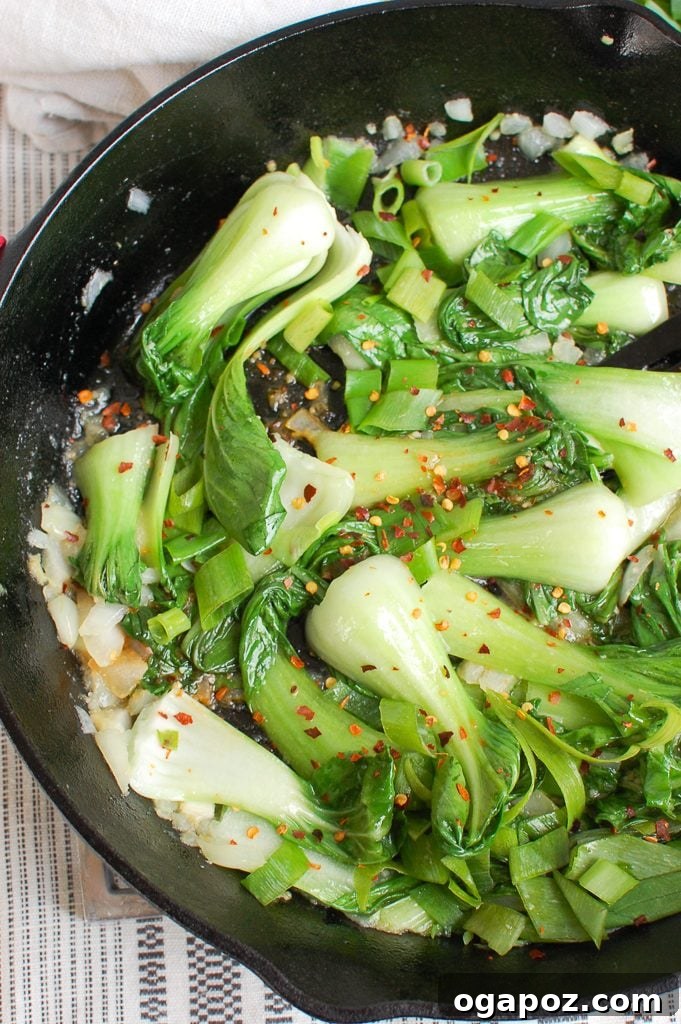
- Thoroughly Prepare the Bok Choy: Begin by meticulously washing the bok choy. This step is critically important as dirt and fine grit can often become trapped between the layers of the stalks. If you’re utilizing baby bok choy, you can either halve or quarter them lengthwise for uniform cooking. For larger, more mature bok choy, chop both the white stems and green leaves into bite-sized pieces. Once cleaned, pat the bok choy thoroughly dry with a clean cloth or paper towels; excess moisture can lead to steaming instead of proper sautéing.
- Sauté the Aromatics: In a large, sturdy cast iron skillet or a reliable non-stick skillet, heat 2 tablespoons of olive oil or your preferred vegetable oil over medium heat. Once the oil appears shimmering and ready, add the finely minced garlic and diced sweet onion (or shallot). Sauté these aromatics for approximately 2 minutes, stirring occasionally, until they soften and release their wonderfully fragrant aromas. Be vigilant during this stage to prevent the garlic from burning, which can impart a bitter taste.
- Incorporate Bok Choy & Seasonings: Gently introduce the thoroughly prepared bok choy into the skillet with the softened aromatics. Drizzle evenly with 1 teaspoon of rich toasted sesame oil, and then sprinkle in 1/2 to 1 teaspoon of crushed red pepper (adjust this quantity to your preference for spice), along with 1/2 teaspoon of kosher salt and 1/8 teaspoon of freshly ground black pepper. Sauté everything together for an additional 2 minutes, gently tossing and stirring to ensure the bok choy is evenly coated with the fragrant aromatics and seasonings.
- Cover and Finish Cooking: After the initial sauté, cover the skillet with a lid and allow the bok choy to cook undisturbed for an additional 2-4 minutes. The precise cooking duration in this phase will largely depend on your desired texture: opt for a shorter cooking time if you prefer a crisp-tender, vibrant bok choy, or extend it slightly if you enjoy it softer and more yielding. The white stems should be just tender enough to bite through, and the green leaves should be wilted but still retain their bright, appealing color.
- Garnish and Serve Immediately: Once cooked to your liking, remove the skillet from the heat. Garnish the finished bok choy generously with the freshly chopped green onions, which add a burst of freshness and visual appeal. Before serving, taste the dish and adjust the seasonings as needed, perhaps adding a touch more salt, pepper, or a dash of soy sauce if desired. Serve this delightful stir-fry immediately and savor it while warm!
Expert Tips for Achieving Perfect Sautéed Bok Choy
To ensure your bok choy turns out perfectly every time, keep these key tips in mind:
- Avoid Overcrowding the Pan: It’s crucial not to overload your skillet. If you have a large quantity of bok choy, it’s far better to cook it in two smaller batches. Overcrowding drastically lowers the pan’s temperature, causing the bok choy to steam rather than sauté, resulting in a soggy rather than crisp-tender texture.
- Utilize Medium-High Heat for Quick Cooking: Bok choy cooks remarkably fast. Employing a consistent medium-high heat allows the stalks to develop a slight sear and crispness, while the delicate leaves become perfectly tender without turning mushy. This quick cooking preserves its vibrant color and nutritional integrity.
- The Importance of Thorough Washing: As previously emphasized, fine dirt and sand can easily cling to the inner layers of bok choy stalks. Ensure you dedicate sufficient time to meticulously rinse each piece or stalk under cold running water, separating the layers to remove all hidden grit. A gritty bite can ruin the dish!
- Ensure Even Sizing: For consistent and predictable cooking results, make sure all pieces of bok choy are cut into roughly similar sizes. This uniformity allows them to cook at the same rate, preventing some parts from being overcooked while others remain underdone.
- Timing is Absolutely Key: Bok choy has a narrow window between perfectly crisp-tender and overly soft and mushy. Stay attentive to the cooking times provided and check for doneness frequently, especially during the covered cooking phase. Trust your taste and texture preference.
- Freshness Matters: Always start with the freshest bok choy available. Fresh vegetables always yield the best flavor and texture in the final dish.
What to Serve with Sautéed Bok Choy
This flavorful and quick vegetable side dish is an incredibly versatile addition to any meal, effortlessly complementing a wide array of main courses. Its mild, slightly sweet, and savory profile makes it an ideal accompaniment for various Asian-inspired dishes, as well as many other cuisines, providing a refreshing counterpoint to richer flavors.
- Classic Asian Main Courses: This sautéed bok choy recipe shines brilliantly alongside beloved Asian-inspired classics. Pair it with our tangy Lighter Sweet & Sour Chicken, the aromatic Lemongrass Chicken, perfectly flaky Teriyaki Salmon, or even a hearty and satisfying vegetarian Easy Vegetable Chow Mein. Its fresh crunch and vibrant flavor provide a wonderful balance.
- Creative Lettuce Wraps: For a lighter, more interactive, and fun meal experience, serve this bok choy alongside savory Asian Pork Lettuce Wraps or zesty Thai Turkey Lettuce Wraps. The cooked bok choy can be directly added into the wraps, contributing an extra layer of delightful texture and a nutritional boost.
- Complementary Asian Sides: Enhance your complete meal with other delicious and easy Asian-inspired sides. Consider pairing it with fluffy Instant Pot Fried Rice, spicy Spicy Ramen Noodles, a refreshing and cooling Thai Cucumber Salad, or savory and comforting Easy Korean Noodles.
- Simple Protein Pairings: Beyond Asian cuisine, this versatile side dish also pairs beautifully with simply grilled or baked chicken, pan-seared fish (like cod or halibut), or flavorful baked tofu. It provides a wholesome and balanced addition to any straightforward protein-focused meal.
- Staple Starches: A classic and always satisfying pairing, serve your perfectly sautéed bok choy alongside a warm bowl of steamed white rice, wholesome brown rice, or your favorite variety of noodles. These starches are excellent for soaking up all the delicious, savory pan juices and flavors.
Storage and Reheating Tips for Sautéed Bok Choy
Properly storing and reheating your delicious bok choy ensures you can enjoy its flavors for days to come, minimizing food waste and making future meal planning or quick lunches incredibly convenient.
- Storing Leftovers: Any leftover sautéed bok choy should be transferred to an airtight container and stored promptly in the refrigerator. When stored correctly, it will maintain its quality and flavor for up to 3-5 days. Ensure the bok choy has cooled completely to room temperature before sealing the container to prevent condensation, which can lead to sogginess.
- Freezing Cooked Bok Choy: While bok choy can indeed be frozen, it’s important to note that its texture may become noticeably softer upon thawing due to its high water content. This change in texture is usually more pronounced than with other vegetables. If you choose to freeze it, place the cooled bok choy in an airtight, freezer-safe container or a heavy-duty freezer bag, expelling as much air as possible. It can be stored in the freezer for up to 1 month. For best results after freezing, it’s often more suitable for use in soups, stews, or casseroles where a softer texture is acceptable, rather than aiming for a crisp side dish.
- Reheating for Best Results: For optimal results that best preserve its texture, gently reheat cooked bok choy in a skillet over medium-low heat. Add a tiny splash of water or vegetable broth to the pan; this helps to create a little steam, rehydrate the bok choy, and prevent it from drying out. Stir frequently until it is warmed through. While you can also reheat it in the microwave in short intervals (30-60 seconds), stirring in between, the skillet method generally helps to retain more of its original crisp-tender texture and flavor. Avoid overheating, as this can make the bok choy mushy.
Recipe FAQs: Your Bok Choy Questions Answered
Here are clear and concise answers to some of the most frequently asked questions about cooking, preparing, and enjoying bok choy:
Absolutely! Both the firm white stems and the tender green leaves of bok choy are entirely edible and wonderfully delicious. The stems offer a crisp, slightly crunchy texture with a mild, subtly peppery flavor, while the leaves are much more delicate, tender, and earthy. The combination of these two distinct textures and flavors complements each other beautifully in a stir-fry, providing a more complex and satisfying eating experience.
The decision to leave bok choy whole or chop it largely depends on its size and your culinary preference. If you are using tender baby bok choy, halving or quartering them lengthwise is often ideal. This allows them to cook quickly and presents beautifully on the plate. For larger, more mature bok choy, it is generally recommended to separate the individual stalks. Then, slice the thicker white stems into uniform 1-inch pieces and the green leaves into broader ribbons. This method ensures more even cooking, as the denser stems typically require a slightly longer cooking time than the delicate leaves. For this specific recipe, chopping is recommended for ease of eating and consistent sautéing.
Properly cleaning bok choy is paramount, as dirt, sand, and even tiny insects can often become trapped between the layers of its tightly packed stalks. To clean effectively, start by trimming off the very bottom of the root end. Next, depending on the size, either halve or quarter the bok choy lengthwise (for baby bok choy) or separate the larger individual stalks. Rinse each piece or stalk thoroughly under cold running water, carefully spreading the layers and gently rubbing with your fingers to dislodge any hidden grit or soil. A visual inspection will confirm its cleanliness. Finally, pat the bok choy completely dry with a clean kitchen towel or paper towels before cooking, as excess moisture can hinder proper sautéing.
Yes, absolutely! Bok choy can be enjoyed raw. Both baby bok choy and thinly sliced mature bok choy can be a wonderful, crunchy addition to salads, coleslaws, or even sandwiches. The raw leaves offer a refreshing, slightly peppery, and mild cabbage flavor, while the raw stalks are delightfully crisp and juicy. Eating it raw is a fantastic way to enjoy its full spectrum of nutrients in their most natural and unaltered state.
Baby bok choy is essentially a younger, smaller version of regular bok choy, harvested earlier in its growth cycle. It typically features smaller, more tender leaves and stems, and possesses a milder, often slightly sweeter flavor. Regular bok choy, on the other hand, is more mature, characterized by larger, thicker, and more robust stalks, and more substantial leaves. Its flavor is generally stronger and can be a bit more peppery. Both varieties are excellent and nutritious, but baby bok choy cooks faster and is often preferred for quick stir-fries or steaming due to its delicate texture and less fibrous stalks.
Other Delicious & Healthy Vegetable Recipes to Try
Vegetarian
Za’atar Roasted Carrots
Sides
Roasted Broccoli
Vegetarian
Roasted Buffalo Cauliflower
Vegetarian
Cauliflower Curry Recipe
Tried this recipe? We’d love to hear your thoughts! Leave a star rating and comment below. Stay updated with new, delicious recipes by subscribing to our newsletter or following us on
Facebook,
Instagram, or
Pinterest for the latest culinary inspirations.
Easy Bok Choy Recipe
Print Recipe
Cook Time: 5 minutes
Total Time: 10 minutes
Servings: 4
Ingredients
- 2 tablespoons olive oil or vegetable oil
- 3 garlic cloves, minced
- 1/4 of a large sweet onion, diced (or 1 large shallot, diced)
- 2 pounds of baby bok choy or regular bok choy, quartered or chopped, thoroughly washed
- 1 teaspoon toasted sesame oil
- 1/2 teaspoon kosher salt
- 1/8 teaspoon black pepper
- 1/2 to 1 teaspoon crushed red pepper (optional, for a spicy kick)
- 5 green onions, white and green parts chopped (for garnish)
Instructions
- Prepare Bok Choy: Begin by thoroughly washing the bok choy. It is crucial to wash between the stalks to remove any hidden dirt or grit. If using baby bok choy, you can halve or quarter them lengthwise. For larger bok choy, chop the stems and leaves into bite-sized pieces. Pat dry before cooking.
- Sauté Aromatics: In a large cast iron or regular non-stick skillet, heat the 2 tablespoons of olive oil or vegetable oil over medium heat. Add the minced garlic and diced onion (or shallot) and sauté for 2 minutes, until they are soft and wonderfully fragrant. Be careful not to burn the garlic.
- Add Bok Choy & Seasonings: Introduce the prepared bok choy to the skillet. Drizzle with 1 teaspoon of toasted sesame oil, and sprinkle in 1/2 to 1 teaspoon of crushed red pepper (if using), 1/2 teaspoon kosher salt, and 1/8 teaspoon black pepper. Sauté for another 2 minutes, tossing gently to coat the bok choy with the aromatics and seasonings.
- Cover and Finish Cooking: Cover the skillet with a lid and allow the bok choy to cook for an additional 2-4 minutes. The exact cooking time will depend on your desired texture: cook for less time if you prefer a crisp-tender texture, or longer if you like it softer. The stems should be slightly tender, and the leaves wilted but still vibrant green.
- Garnish and Serve: Remove the skillet from the heat. Garnish generously with chopped green onions. Taste the dish and adjust seasonings as needed, adding more salt, pepper, or a dash of soy sauce if desired. Serve immediately and enjoy warm!
Notes
- The cooking time for bok choy is highly flexible and depends entirely on your preferred texture. Some people enjoy it quite soft, while others, like me, prefer it with a delightful bit of crunch. For a crisp-tender bite, aim for approximately 5 to 6 minutes of total cooking time after the aromatics have softened. Adjust accordingly to achieve your perfect consistency.
- This dish is wonderfully adaptable to your specific taste preferences. Feel free to incorporate other flavor enhancers you enjoy. Freshly grated ginger adds a warm, aromatic dimension, a dash of soy sauce (or tamari for gluten-free) provides umami depth, and a teaspoon of red chili garlic sauce can deliver an extra, invigorating kick of spice.
Nutrition Information
Carbohydrates: 7g,
Protein: 3g,
Fat: 8g,
Saturated Fat: 1g,
Polyunsaturated Fat: 1g,
Monounsaturated Fat: 6g,
Sodium: 442mg,
Potassium: 62mg,
Fiber: 3g,
Sugar: 3g,
Vitamin A: 10246IU,
Vitamin C: 106mg,
Calcium: 266mg,
Iron: 2mg
Nutrition information is automatically calculated based on the ingredients provided and should only be used as an approximation. Actual values may vary based on specific product brands and preparation methods.
Tried this recipe? Share your culinary creation! Mention @acedarspoon or tag #acedarspoon on social media. We love seeing your delicious results!