
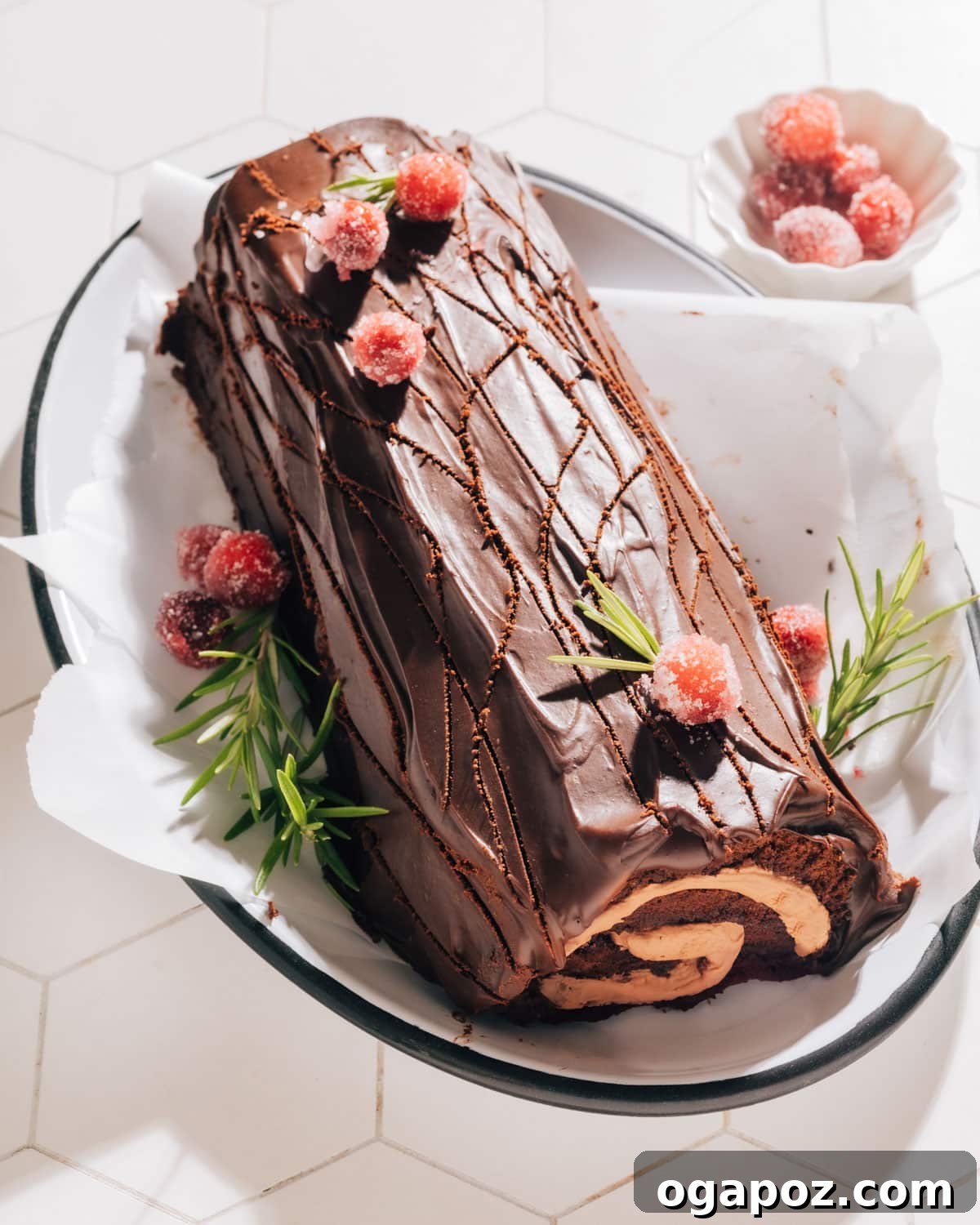
Embark on a delightful culinary journey to create the ultimate Buche de Noel, also known as the Yule Log cake. This comprehensive, step-by-step recipe guides you through crafting a show-stopping chocolate masterpiece featuring a remarkably fluffy chocolate cream filling. We’ve made it utterly foolproof with expert tips and detailed explanations to help you avoid five common baking mistakes, ensuring your holiday dessert is nothing short of spectacular.
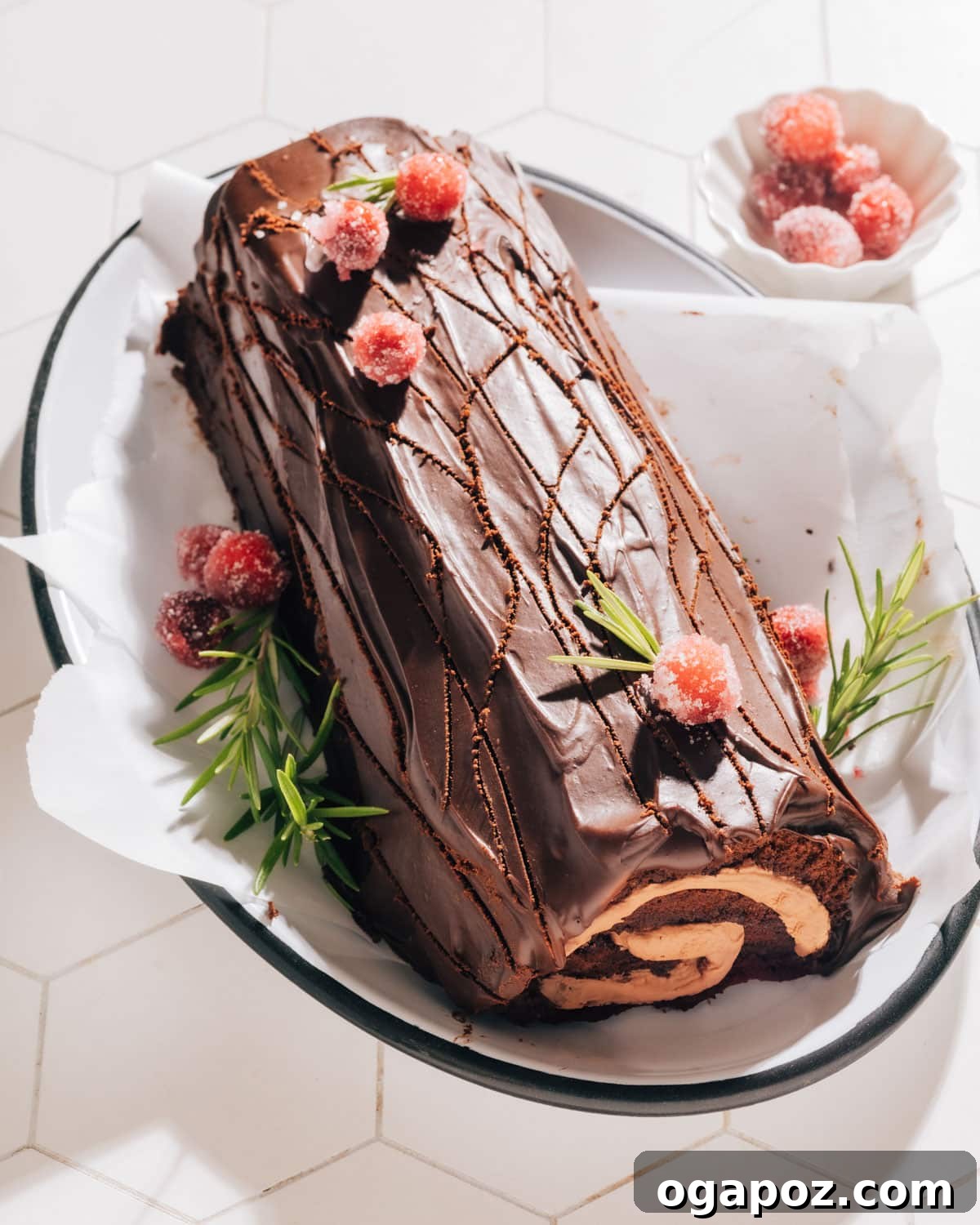
This exceptional Buche de Noel recipe transforms a tender, moist chocolate Swiss Roll cake into an enchanting Yule log, destined to be the centerpiece of your holiday table. It’s a cherished tradition in my home, ranking as one of my absolute favorite chocolate Christmas dessert recipes. Its rustic charm and decadent flavors encapsulate the spirit of the season, promising a memorable treat for family and friends.
Essential Buche de Noel Ingredients
Crafting this festive chocolate Yule log requires a careful selection of fresh, high-quality ingredients. Here’s a detailed look at what you’ll need for each component, ensuring the perfect balance of texture and taste.
For the Delicate Chocolate Cake
- Eggs: Separate them and ensure they are at room temperature. Warm eggs whip more effectively, creating a stable foam crucial for a light and airy sponge. A quick method for bringing ingredients to room temperature involves placing them in a bowl of warm water for a few minutes.
- Granulated Sugar: Divided between the egg whites and yolks. Sugar not only sweetens but also plays a vital role in stabilizing the egg foams, contributing to the cake’s structure and moisture.
- Pure Vanilla Extract: Essential for adding a foundational layer of warm, aromatic flavor that complements the chocolate beautifully.
- All-Purpose Flour: Provides the primary structure for the cake. Sifting it with the other dry ingredients ensures a smooth, lump-free batter.
- Cocoa Powder: Whether you opt for Dutch-processed (darker, less acidic) or natural (lighter, slightly acidic), both varieties work wonderfully to infuse a rich chocolate flavor into the sponge.
- Baking Powder: Acts as a leavening agent, helping the cake rise and achieve its characteristic soft texture.
- Fine Sea Salt: A small but mighty ingredient that enhances all the other flavors, balancing the sweetness and deepening the chocolate notes.
- Milk: Adds moisture to the cake batter, contributing to its tender crumb and preventing it from becoming dry.
For the Fluffy Chocolate Cream Filling
- Whipping Cream: Must be kept very cold from the refrigerator. Cold cream whips up faster and achieves optimal volume and stability, resulting in a perfectly light and airy filling.
- Cocoa Powder: Infuses the whipped cream with a delightful chocolate flavor, making it a rich contrast to the light sponge.
- Confectioners’ Sugar: Also known as powdered sugar, it dissolves easily into the cream, ensuring a smooth texture. The cornstarch often present in confectioners’ sugar also helps stabilize the whipped cream, preventing it from deflating too quickly.
- Vanilla Extract: A touch of vanilla heightens the chocolate flavor in the cream, adding depth and warmth.
For the Decadent Chocolate Ganache
- Heavy Cream: The base for the ganache, providing richness and a smooth texture when combined with chocolate.
- Dark Chocolate: Finely chopped for quick and even melting. Using good quality dark chocolate (around 60-70% cocoa solids) is key for a truly rich and flavorful ganache that forms a beautiful bark-like finish.
You’ll find precise quantities for all ingredients listed in the comprehensive recipe card located at the bottom of this article.
Creative Variations and Substitutions
Personalize your Yule log and explore new flavor profiles with these effortless modifications. Baking should be an adventure, and these easy swaps allow you to tailor the classic Buche de Noel to your taste or dietary needs.
- Classic Vanilla Filling: For a delightful contrast, simply omit the cocoa powder from the whipped cream filling. This yields a pristine vanilla cream that beautifully complements the chocolate cake, offering a traditional and beloved flavor combination.
- Rich Coffee Infusion: Elevate the chocolate notes by incorporating 1 teaspoon of instant espresso powder into either the cake batter or the chocolate cream filling. Coffee is known to intensify chocolate flavor, adding a sophisticated depth.
- Elegant White Chocolate Ganache: For a striking visual and taste departure, swap the dark chocolate for high-quality white chocolate in the ganache. This creates a sweeter, lighter-colored coating, offering a distinct and equally delicious experience.
- Gluten-Free Adaptation: Making this dessert gluten-free is simple. Replace the all-purpose flour in the cake batter with a high-quality 1:1 gluten-free flour blend. Ensure your chosen blend contains xanthan gum for optimal texture.
- Nutty Crunch: For added texture, consider folding finely chopped toasted hazelnuts or almonds into the chocolate cream filling. This adds a delightful crunch and a complementary flavor.
Adore the magic of holiday baking? Don’t miss out on trying my soft gingerbread cookies and festive Christmas sugar cookies next – perfect additions to your seasonal repertoire!
Essential Baking Tools for Your Buche de Noel
Having the right equipment at hand makes the process of creating this impressive dessert smoother and more enjoyable. Here’s a list of the key tools you’ll need for this recipe:
- 11×17-inch Sheet Pan: Also commonly referred to as a jelly roll pan or half sheet pan. Its specific dimensions are crucial for baking the thin, flexible cake layer needed for rolling.
- Parchment Paper: Indispensable for lining the baking sheet, ensuring the cake doesn’t stick and allowing for effortless rolling and release without cracking.
- Stand Mixer or Hand Mixer with Whisk Attachment: Essential for whipping egg whites and cream to the perfect consistency, saving time and effort.
- Large Silicone Spatula: Ideal for gently folding the whipped egg whites into the batter, preserving the airiness, and for scraping batter onto the pan.
- Offset Spatula: A baker’s best friend for smoothly spreading cake batter evenly across the pan and for applying the ganache with precision, creating that signature bark-like texture.
- Wire Rack: Provides proper air circulation around the cake as it cools, preventing sogginess and ensuring even cooling.
- Microwave-Safe Bowl: Perfect for gently melting chocolate with cream to create the luscious ganache.
- Fine-Mesh Sieve: Useful for sifting cocoa powder and confectioners’ sugar into the cream filling, preventing lumps and ensuring a silky-smooth texture.
How to Make Buche de Noel: An Easy Step-by-Step Guide
While this classic French Yule log may appear incredibly elaborate, rest assured, its creation is surprisingly straightforward. The secret to its success lies in a few simple techniques: rolling the warm cake with parchment paper immediately after baking, then patiently filling and coating it once completely cooled. Follow these steps for a stunning and delicious result.
1. Prepare Your Pan and Preheat Oven
Begin by preheating your oven to 375°F (190°C). Line an 11×17-inch sheet pan (jelly roll pan) with parchment paper, ensuring there’s an overhang on the short edges for easy handling. Lightly grease the parchment paper to further prevent sticking and ensure a smooth release of the cake.
2. Whip the Egg Whites to Stiff Peaks
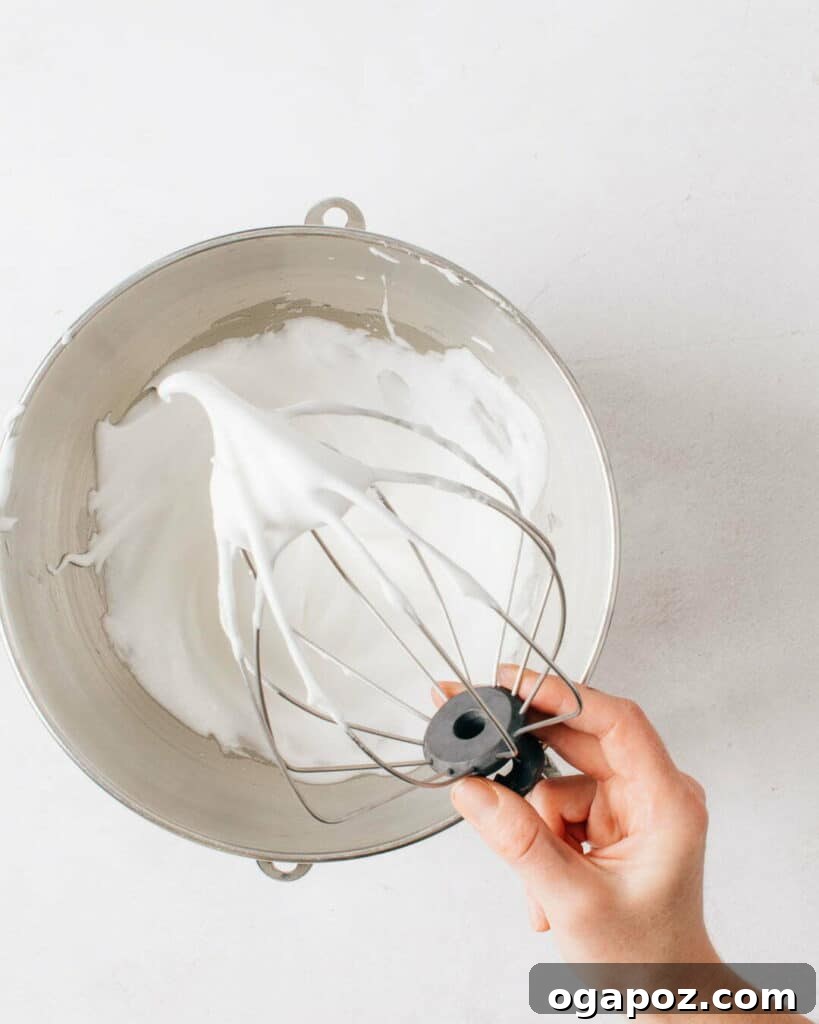
In a stand mixer fitted with the whisk attachment (or using a hand mixer), beat the separated egg whites on medium speed until they become foamy. Gradually add ½ cup of granulated sugar, a tablespoon at a time, allowing it to incorporate fully before adding more. Increase the speed to high and continue beating until medium-stiff, glossy peaks form. The peaks should hold their shape but still be slightly soft at the tips. Carefully scrape the whipped egg whites into a separate large bowl and set aside.
3. Beat the Egg Yolks Until Creamy
Using the same mixer bowl (no need to clean it), add the separated egg yolks and the remaining ⅓ cup of granulated sugar. Beat on medium speed for approximately 2 minutes, or until the mixture is visibly creamy, pale yellow, and has thickened significantly. Reduce the mixer speed to low and beat in the pure vanilla extract until just combined.
4. Incorporate Dry and Wet Ingredients
In a separate medium-sized bowl, whisk together the all-purpose flour, cocoa powder, baking powder, and fine sea salt until well combined and lump-free. With the mixer still on low, add about one-third of this dry mixture to the egg yolk mixture and beat until just incorporated. Then, add half of the milk and beat briefly. Repeat with another third of the flour mixture, followed by the remaining milk, and finally, the last third of the flour mixture. Mix only until the ingredients are just combined, being careful not to overmix.
5. Gently Fold in the Whipped Egg Whites
Remove the mixer bowl from the stand. Using a large silicone spatula, gently fold the reserved whipped egg whites into the chocolate batter in three additions. The key here is to be very gentle, using an upward motion to preserve as much air as possible in the batter. This step is crucial for a light and fluffy cake texture. Once combined, scrape the batter evenly onto your prepared sheet pan, spreading it all the way to the corners.
6. Bake the Cake to Perfection
Bake the cake for 10 to 12 minutes. The cake is perfectly done when its surface loses its glossy shine and the center feels slightly springy to the touch when gently pressed. Be cautious not to overbake, as a dry cake is prone to cracking when rolled.
7. Roll the Warm Cake Immediately
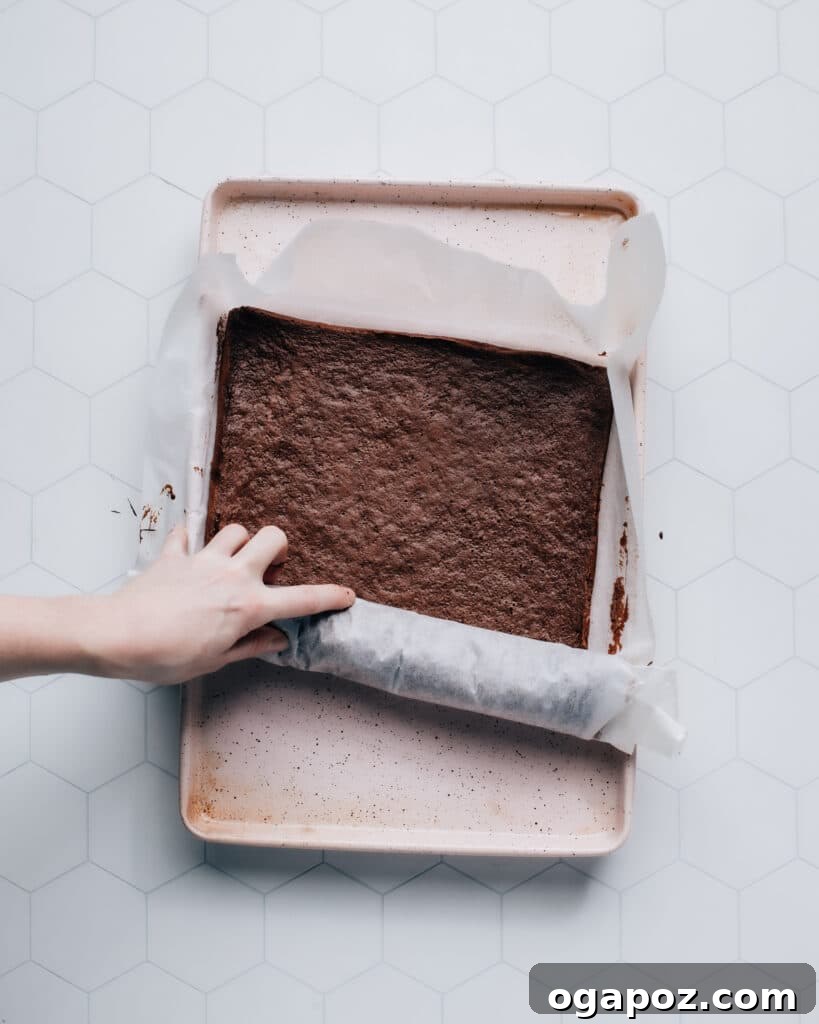
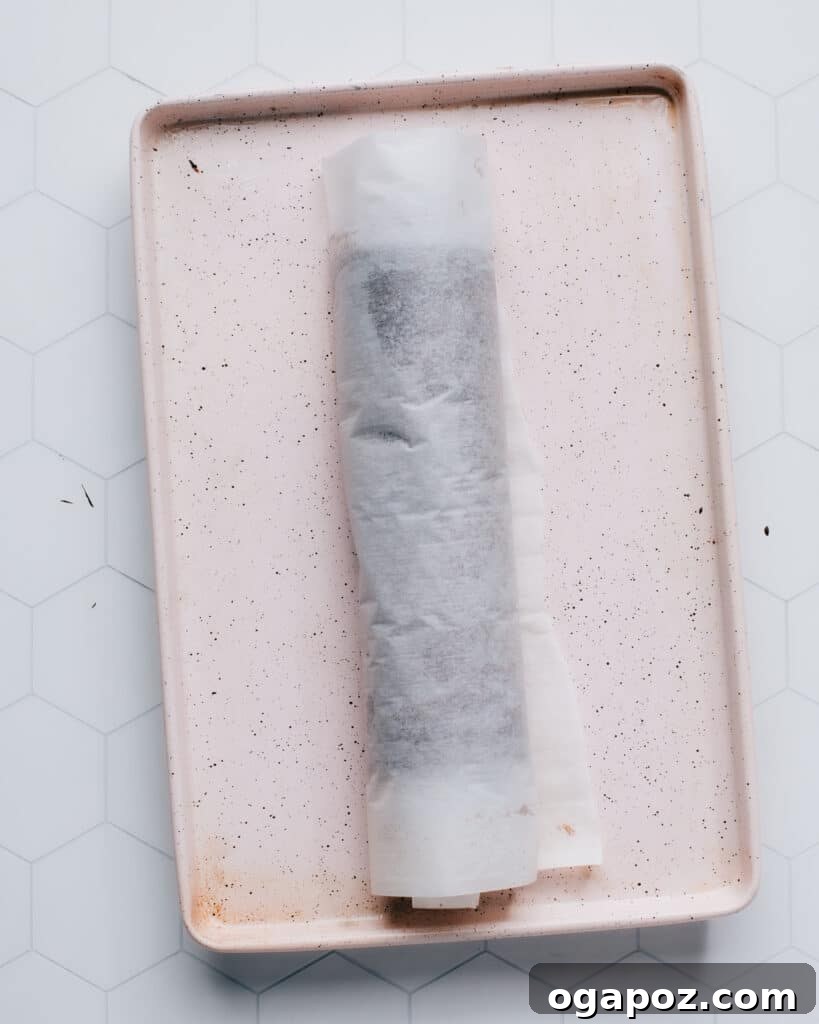
Allow the baked cake to cool in the pan for just a few minutes, until it’s warm enough to handle comfortably without burning your fingers. While still warm and pliable, begin rolling the cake up from one of the short edges, keeping it wrapped tightly within the parchment paper. This initial warm roll is paramount for setting the cake’s shape and preventing cracks later. Transfer the entire roll (cake still wrapped in parchment) to a wire rack to cool completely to room temperature. This step ensures the cake “remembers” its rolled shape and remains flexible when you unroll it to fill.
8. Prepare the Fluffy Chocolate Cream Filling
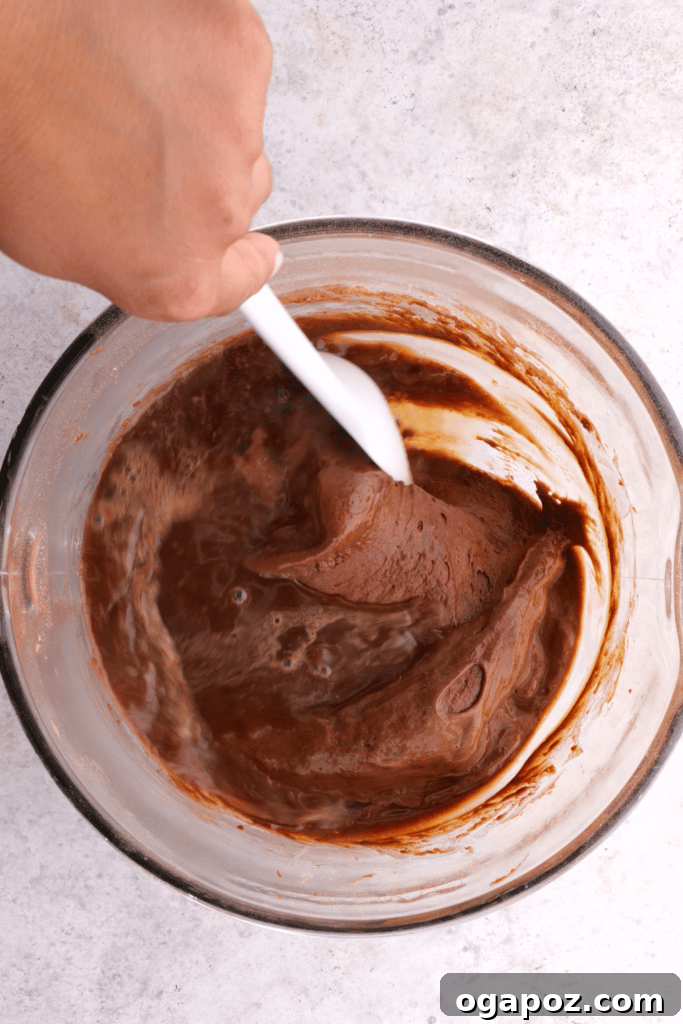
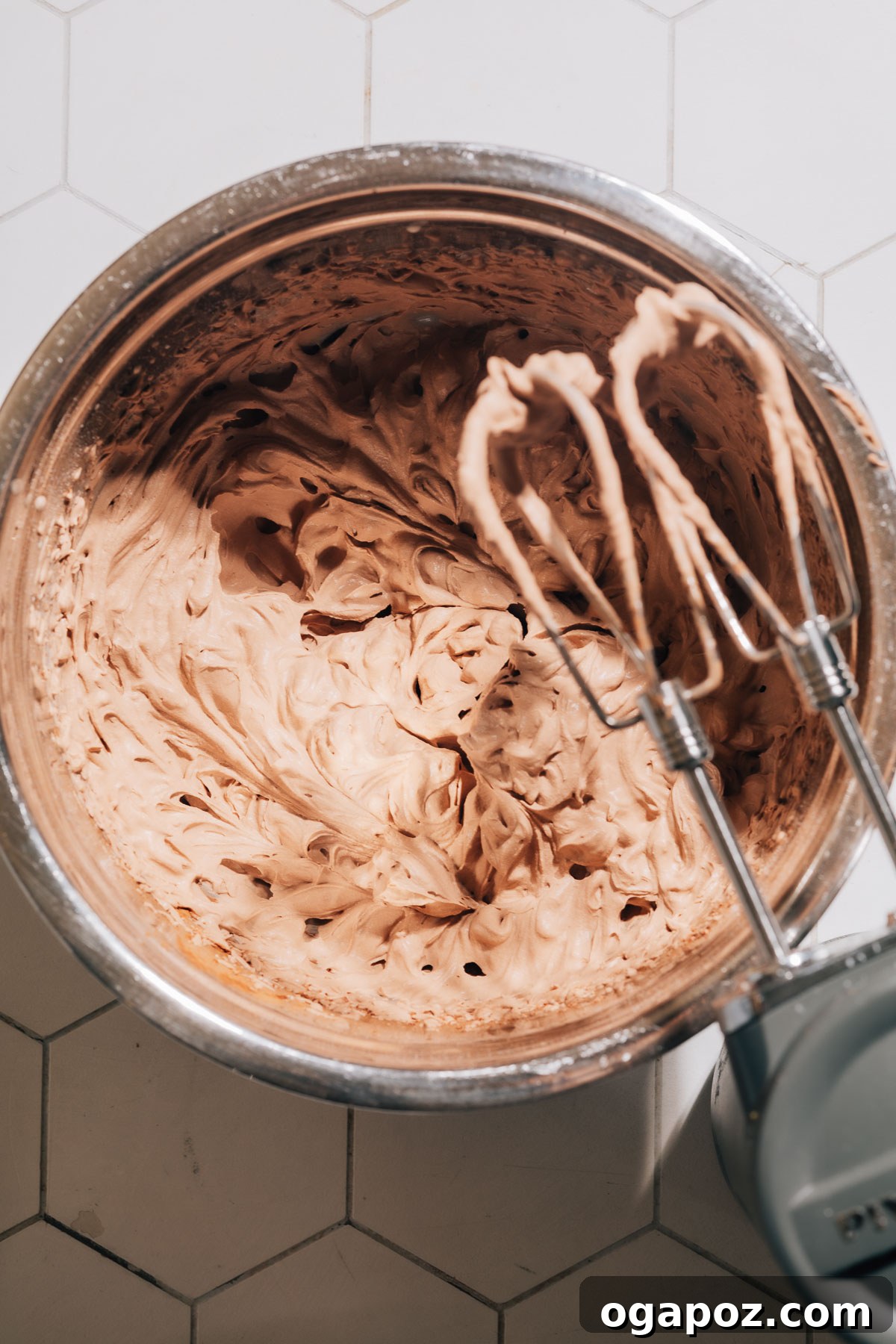
In a clean, cold mixing bowl (preferably chilled beforehand), whip the very cold whipping cream on high speed with the whisk attachment until soft peaks begin to form. Reduce the speed to low, then sift in the cocoa powder and confectioners’ sugar to prevent lumps. Increase the speed back to high and continue whipping until medium-stiff peaks are achieved. Finally, beat in the vanilla extract until just incorporated. Be careful not to overbeat, as this can lead to a grainy texture.
9. Fill and Re-Roll Your Yule Log
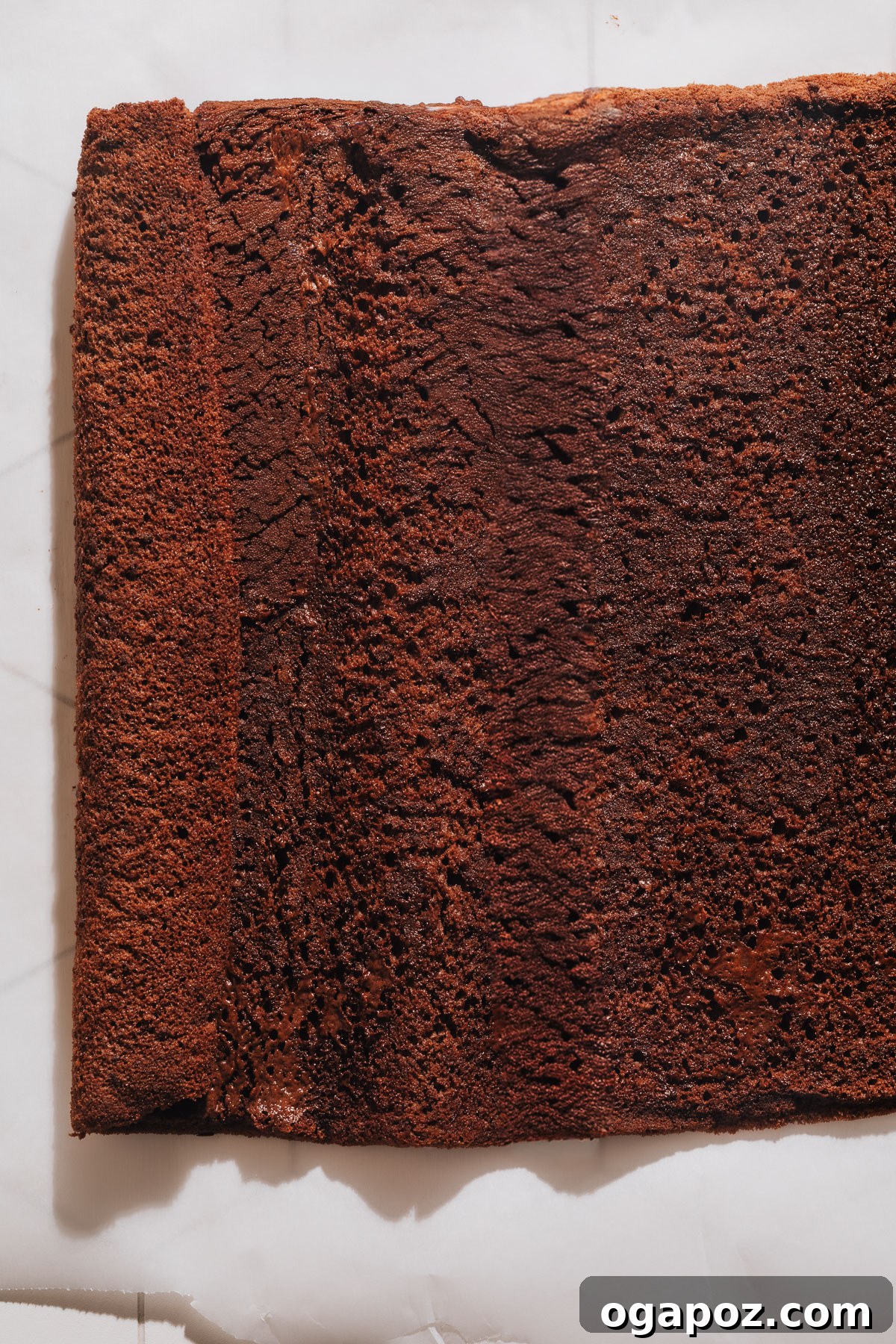
Once the cake is completely cool, gently unroll it on a clean work surface, leaving it resting on the parchment paper it was baked on. Carefully spread the prepared chocolate cream filling evenly over the entire surface of the cake, leaving a small border at one end. Begin rolling the cake back up, starting from the short edge closest to you, peeling the parchment paper away as you go this time. Once rolled, carefully transfer the filled log, seam-side down, to your chosen serving dish or a sturdy cake board.
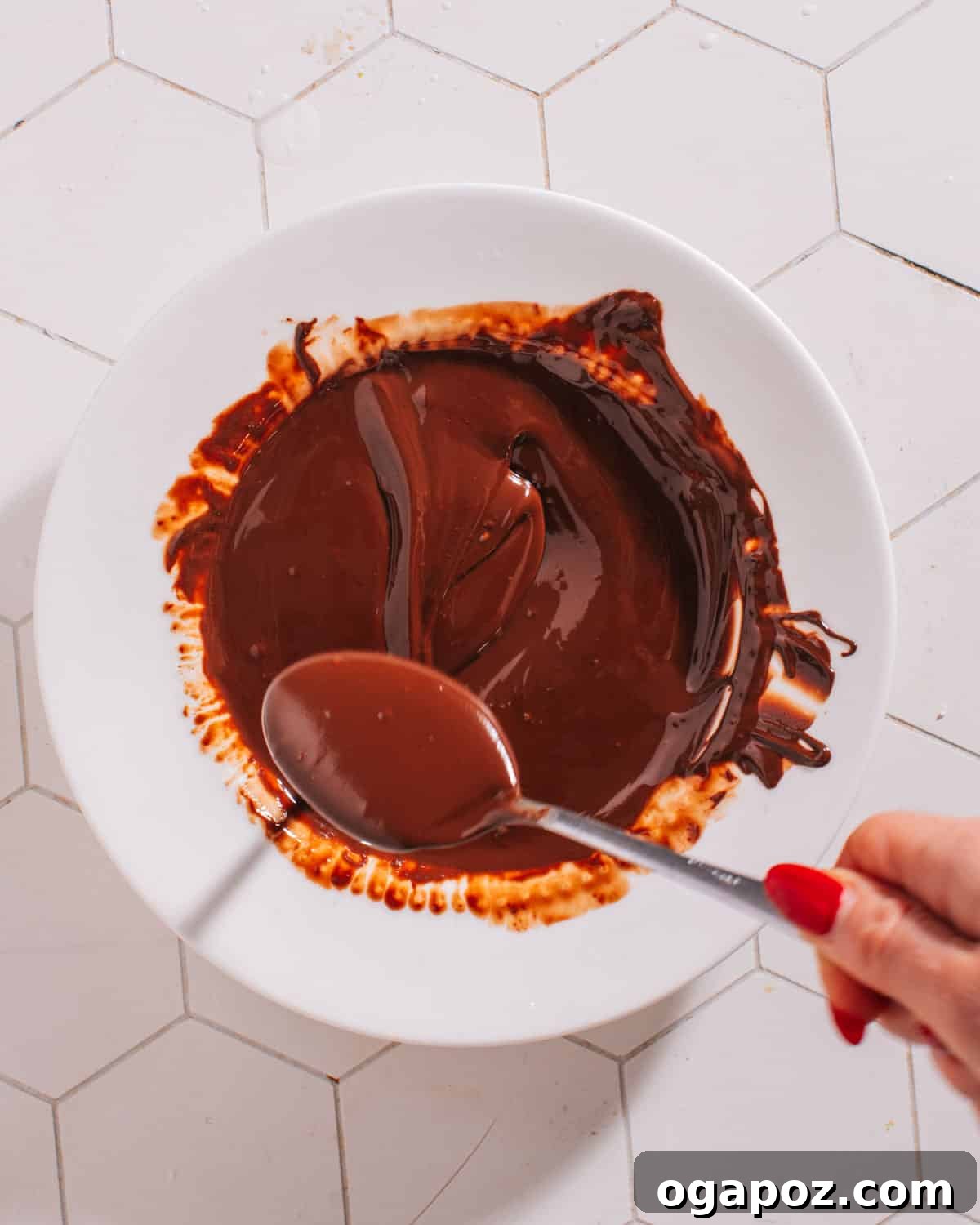
10. Create the Rich Chocolate Ganache
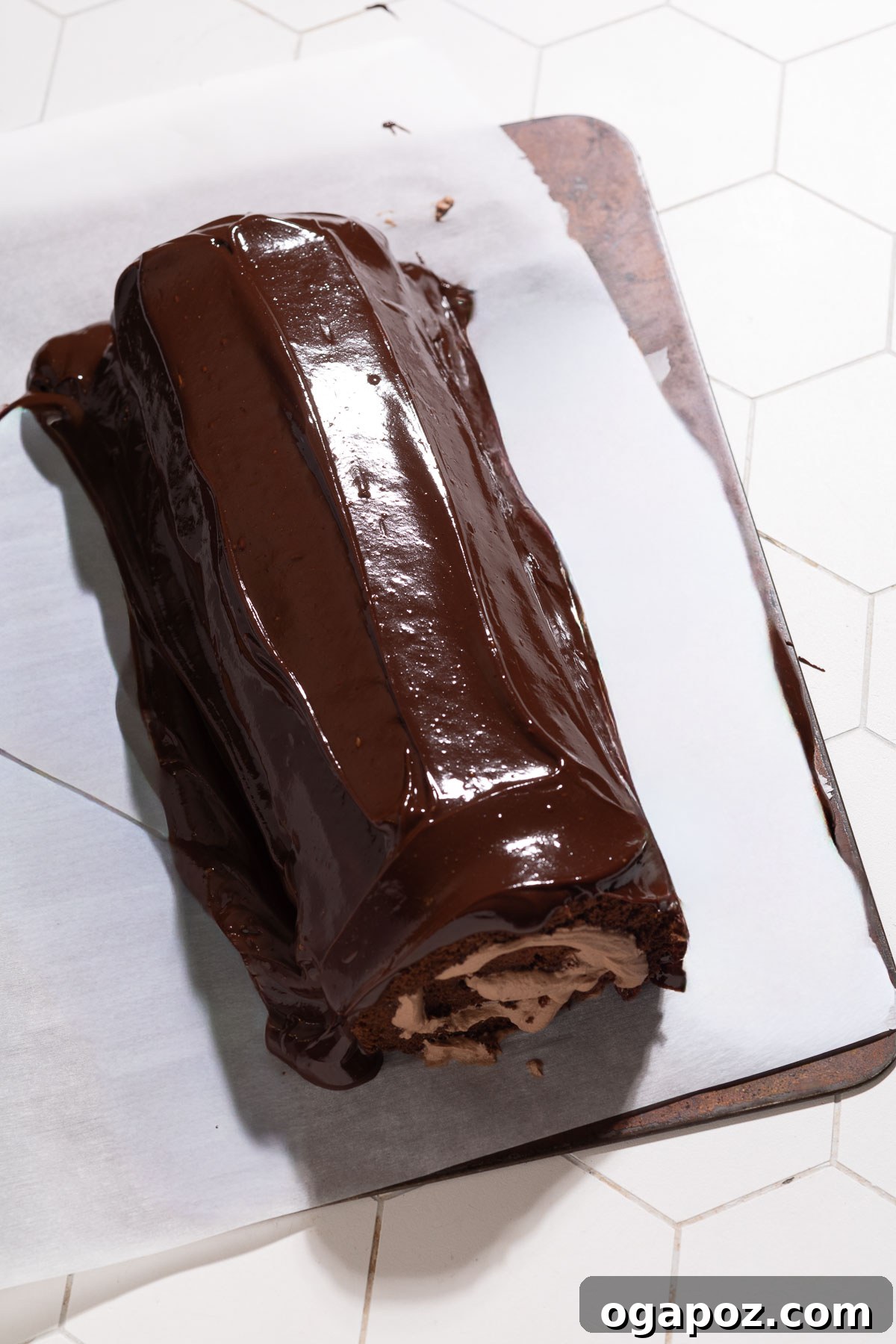
In a microwave-safe bowl, combine the heavy cream and finely chopped dark chocolate. Microwave in short 20-second bursts, stirring thoroughly with a rubber spatula between each burst, until the chocolate is completely melted and the mixture is smooth and glossy. Avoid overheating. Allow the ganache to cool slightly at room temperature, stirring occasionally, until it thickens to a spreadable consistency – similar to a thick frosting. This cooling step is essential; if the ganache is too warm, it will simply run off the cake.
11. Decorate Your Masterpiece
Using an offset spatula, spread the cooled, thickened ganache over the entire surface of your Yule log, including the ends. For a rustic, bark-like effect, use the tines of a fork to create irregular lines and grooves across the ganache. For a truly festive presentation, adorn your Buche de Noel with sugared cranberries, fresh rosemary sprigs (to mimic pine needles), and a light dusting of confectioners’ sugar for a “snowy” effect. For the best slicing experience and to allow the flavors to meld, refrigerate the finished log for at least 2 hours before serving.
5 Common Mistakes When Making Buche de Noel and How to Avoid Them
Even experienced bakers can encounter challenges when making a Buche de Noel. Understanding these common pitfalls and how to prevent them will ensure your Yule log is a resounding success every time.
- Overbaking the Chocolate Cake: This is perhaps the most frequent culprit behind a cracked Yule log. An overbaked cake becomes dry and brittle, making it impossible to roll without significant tearing.
Solution: Pay close attention to baking time. The cake is typically done in just 10-12 minutes. Look for the surface to lose its wet shine and feel slightly springy when gently touched in the center. If it looks set after 10 minutes, pull it out. - Rolling the Cake When It’s Cold: A cold cake loses its elasticity and pliability. Attempting to roll it once it’s completely cooled will almost certainly result in cracks and breakage.
Solution: The cake needs to be warm, not hot, but definitely pliable. Roll it up immediately after it comes out of the oven, allowing it to cool in its rolled state within the parchment paper. This sets the desired spiral shape gently. - Overbeating the Cream Filling: While you want fluffy cream, overwhipping can quickly turn smooth, velvety cream into a grainy, curdled mess.
Solution: Watch the cream closely. Stop whipping as soon as medium-stiff peaks form – the cream should hold its shape but still be smooth and creamy, not stiff or crumbly. - Applying Ganache When Too Hot or Too Cold: Ganache is notoriously temperamental. If it’s too warm, it will be thin and runny, sliding right off your cake. If it’s too cold, it will be too thick, unspreadable, and will tear the cake.
Solution: After melting, allow the ganache to cool at room temperature for 15-30 minutes, stirring occasionally, until it reaches a thick but spreadable consistency, similar to a soft frosting. It should be viscous enough to cling to the cake but still easy to spread smoothly. - Skipping the Essential Chill Time: Rushing to slice your beautifully decorated Yule log without adequate chilling can lead to a messy presentation, with the filling oozing out and the slices falling apart.
Solution: Refrigerating the Buche de Noel for at least 2 hours (or preferably overnight) allows the cake to firm up, the filling to set, and the flavors to meld beautifully. This crucial chill time makes for much cleaner, more elegant slices.
Make-Ahead and Storage Tips for Buche de Noel
One of the many charms of the Buche de Noel is its suitability as a make-ahead dessert, making it an excellent choice for stress-free holiday entertaining. Planning ahead ensures a more relaxed celebration.
Storing Leftovers Properly
- Refrigeration is Key: Due to its whipped cream filling, Buche de Noel must be refrigerated. Cover the entire log tightly with plastic wrap to prevent it from drying out or absorbing refrigerator odors. It will stay fresh and delicious for up to 3 days.
- Slice as You Go for Freshness: For optimal moisture and flavor, it’s best to keep the Yule log whole and slice individual portions just before serving. This minimizes air exposure to the cut surfaces, keeping the cake moist longer.
- The Overnight Advantage: This cake truly benefits from a night in the refrigerator. The cake absorbs moisture and flavors from the creamy filling, resulting in an even more tender, cohesive, and flavorful dessert the next day.
Freezing Your Buche de Noel
- Freeze Before Ganache: For best results, freeze the filled cake log *before* applying the ganache. Wrap the filled log tightly in several layers of plastic wrap, then an additional layer of aluminum foil to prevent freezer burn. It can be frozen for up to 1 month.
- Thawing Safely: When you’re ready to serve, transfer the frozen log to the refrigerator and let it thaw slowly overnight. This gradual thawing helps maintain the cake’s texture.
- Fresh Ganache is Best: After thawing, prepare a fresh batch of ganache and decorate your Buche de Noel just before serving. This ensures the ganache has the perfect texture and appearance.
Serving Temperature: No Reheating Needed
- Serve Chilled: This elegant dessert is traditionally meant to be enjoyed chilled. There’s no need for reheating; in fact, warming it would cause the cream filling and ganache to melt.
- Brief Room Temperature Rest: For a slightly softer cake and more pronounced flavors, allow individual slices to sit at room temperature for about 10 minutes before serving. This allows the ganache and cake to soften just enough for a delightful bite.
How to Serve This Buche de Noel Recipe for a Grand Finale
The presentation of your Buche de Noel is as important as its flavor. To create a truly dramatic and festive moment, present the entire decorated log on a beautiful serving board and slice it at the table. This allows everyone to admire your culinary artistry before indulging. It pairs perfectly with a warm, comforting beverage like chai coffee or a spiced chai tea.
Charming Buche de Noel Toppings and Decorations
Elevate your Yule log with these enchanting decorative elements that bring out its festive appeal:
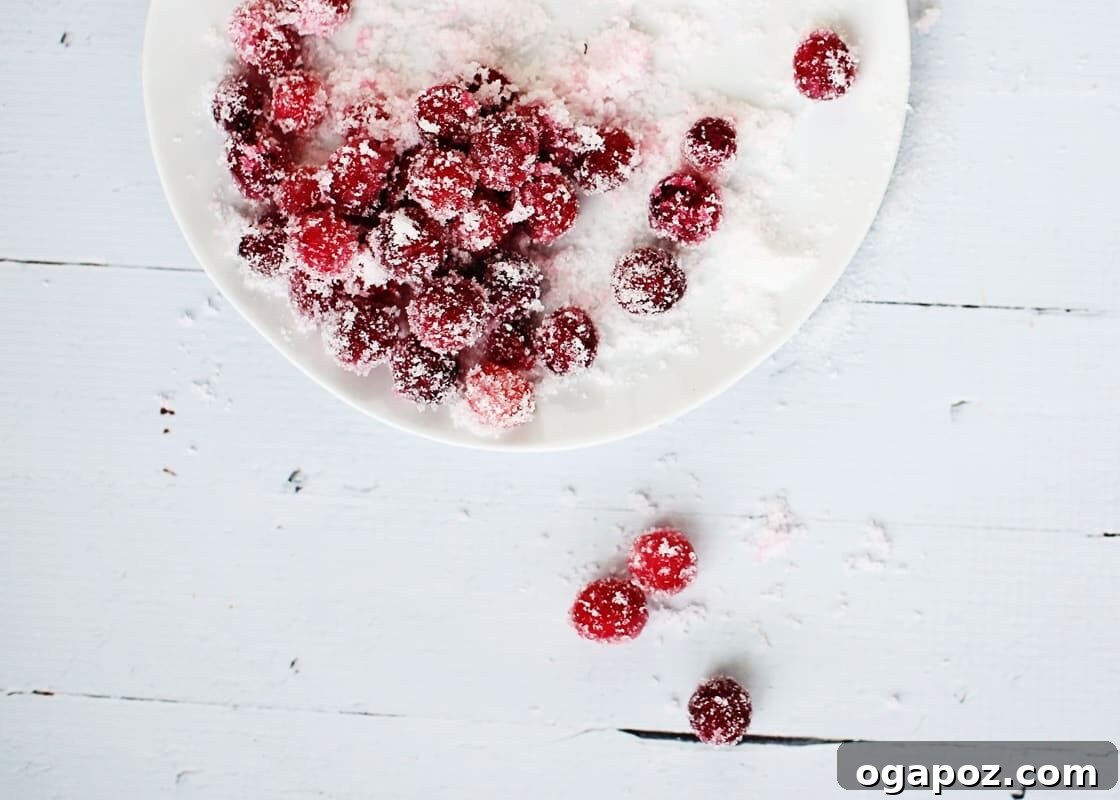
- Sugared cranberries: Their frosted appearance and vibrant red color add a beautiful, jewel-like festive touch, resembling winter berries.
- Fresh rosemary sprigs: Strategically placed, these look remarkably like miniature pine branches, adding to the rustic “log” aesthetic. (I also love using them on my pretty Holiday Spice Cake!)
- A dusting of confectioners’ sugar: Lightly sifting powdered sugar over the finished log creates a magical, snowy effect, enhancing its winter wonderland theme.
- Meringue mushrooms: These whimsical, edible decorations are a classic traditional French touch, often used to simulate fungi growing on a log, adding charm and authenticity.
- Chocolate shavings or curls: Made from a block of chocolate, these add an extra layer of chocolatey decadence and visual texture.
- Candied orange peel: A bright, zesty garnish that complements the chocolate beautifully and adds a pop of color.
Ideal Dishes to Serve Alongside Buche de Noel
- Mulled wine: A warm, spiced wine offers a sophisticated and cozy pairing, perfect for holiday gatherings.
- Rich homemade hot chocolate: A classic and comforting beverage that complements the chocolate cake perfectly, especially for those with a sweet tooth.
- Espresso or strong coffee: The bitterness of coffee provides a wonderful contrast to the sweetness of the cake, cleansing the palate.
- Peppermint tea: A refreshing and festive herbal tea that can cut through the richness of the dessert.
Final Notes, Pro Tips, and Science-Based Secrets for Success
Having tested this Buche de Noel recipe numerous times, I’ve gathered some invaluable insights and professional tips to help you achieve perfection with ease. These little secrets, often rooted in baking science, make a big difference in the final outcome of your Yule log.
- Temperature Contrast for Optimal Whipping: This is a classic baking paradox! Remember, room temperature eggs whip better, creating a more stable and voluminous foam for your cake. Conversely, very cold heavy cream whips faster and holds its peaks longer, making it ideal for your filling. Mastering these opposite temperatures is a small but mighty secret to success.
- Don’t Obsess Over Meringue Perfection: While achieving perfect medium-stiff peaks for egg whites is often emphasized, my testing has revealed that minor variations (slightly over-beaten or slightly under-beaten whites) don’t drastically alter the final cake’s texture. The key is to incorporate air, and as long as you achieve a good foam, your cake will be wonderfully light. So, don’t stress if your peaks aren’t textbook perfect!
- Roll Directly in the Pan: Forget the fuss of flipping a hot cake onto a powdered sugar-dusted tea towel, a technique many roll cake recipes suggest. For this Buche de Noel, simply roll the warm cake directly in the parchment paper it baked on, right in the pan. This simpler method reduces the risk of tearing and makes the process much more manageable.
- Embrace Minor Tears: If your cake gets a small tear or two during the unrolling or re-rolling process, do not despair! The generous layer of rich chocolate ganache will elegantly cover all imperfections. Nobody will ever know, and the beauty of the finished log will remain undiminished.
- Make It Ahead for Enhanced Flavor: This isn’t just a convenience; it’s a flavor enhancer. The Buche de Noel actually improves in taste and texture when made a day in advance. The chocolate sponge cake has ample time to absorb moisture from the creamy filling, becoming incredibly tender, moist, and allowing the flavors to meld into a harmonious, rich symphony.
- Cut with a Hot Knife for Pristine Slices: For clean, professional-looking slices that glide through the ganache and cake without dragging, dip a sharp knife into hot water, wipe it clean, and then make your cut. Repeat this process for each slice. This simple trick ensures every piece is as perfect as the last.
Frequently Asked Questions About Buche de Noel
Just skimming through? Here are some quick answers to the most commonly-asked questions about making and enjoying Buche de Noel, providing essential information at a glance.
Buche de Noel translates directly to “Christmas log” or “Yule log” in French. It is a deeply traditional French holiday dessert, meticulously shaped and decorated to resemble a festive Yule log, complete with realistic bark-like texture created by its chocolate ganache coating. It symbolizes the ancient European tradition of burning a log on the winter solstice.
Your Buche de Noel likely cracked for one of two primary reasons: either the cake was overbaked, making it dry and brittle, or it was allowed to cool too much before you attempted to roll it. To prevent cracking, bake the cake only until the center is just set and slightly springy, then roll the warm cake immediately while it’s still pliable and flexible.
Absolutely! While a stand mixer can make the whipping process faster and easier, you can certainly make Buche de Noel using a high-quality hand mixer. The whipping of egg whites and cream will simply take a bit longer, but you will achieve the same fluffy, airy results. Ensure you use a large, deep bowl to prevent splattering.
You can prepare and assemble your Buche de Noel up to 24 hours in advance of serving. In fact, many bakers agree that this dessert tastes even better the next day, as the chocolate sponge cake has ample time to absorb moisture and flavor from the whipped cream filling, resulting in a more tender and cohesive texture.
There is no difference between a Yule log and Buche de Noel; they refer to the exact same traditional dessert. “Buche de Noel” is the original French name for this festive cake, while “Yule log” is simply its direct English translation, widely used in English-speaking countries.
Yes, you can absolutely use milk chocolate for the ganache if you prefer a sweeter, milder flavor. If you opt for milk chocolate, be aware that it has a higher sugar and fat content than dark chocolate, so you may need to reduce the amount of heavy cream slightly (e.g., by 1-2 tablespoons) to achieve the correct spreadable consistency.
If your ganache is too thin, it’s likely due to one of two reasons: either you used too much cream in proportion to the chocolate, or you didn’t allow it to cool and thicken sufficiently. To fix this, let the ganache sit at room temperature for an additional 15 to 30 minutes, stirring occasionally, until it reaches a thick, spreadable consistency that will cling to the cake.
Yes, it is crucial to refrigerate Buche de Noel because its filling is made with whipped cream. Whipped cream is highly perishable and requires refrigeration to remain safe and stable. Ensure it is tightly covered with plastic wrap and stored in the fridge for up to 3 days.
Yes, Buche de Noel can be frozen, but it’s best to do so without the final ganache coating. Wrap the filled log tightly in several layers of plastic wrap, then an additional layer of aluminum foil, and freeze for up to 1 month. Thaw it overnight in the refrigerator, then prepare fresh ganache and decorate just before serving.
For a dairy-free alternative, chilled full-fat coconut cream is an excellent substitute for whipping cream. Refrigerate a can of full-fat coconut milk overnight, then scoop out the thick, solid cream part and whip it as you would dairy cream. Another option is a stabilized cream cheese frosting, which offers a slightly tangier flavor and richer texture.
Other Festive Holiday Recipes You’ll Love
- Soft and Chewy Gingerbread Cookies: A classic holiday treat with the perfect blend of spice and sweetness.
- Classic Nanaimo Bars: These no-bake Canadian delights are rich, creamy, and undeniably addictive.
- The Best Moist Chocolate Cake: A decadent and reliable recipe for any chocolate lover.
- Simple 3-Ingredient Chocolate Truffles: Elegant and incredibly easy to make, perfect for gifting or entertaining.
- Moist Chocolate Orange Cake: A delightful combination of rich chocolate and bright citrus flavors.
Easy Buche de Noel Recipe (Yule Log Cake)
Jennifer Pallian BSc, RD
45
10
10
Ingredients
For the Cake
- 4 large eggs separated
- ½ cup + 1/3 cup granulated sugar divided
- 1 tsp pure vanilla extract
- ½ cup all-purpose flour 64 g
- ⅓ cup cocoa powder 35 g
- 1 tsp baking powder
- ⅛ tsp fine sea salt
- ⅓ cup milk
- Confectioners’ sugar for dusting
For the Chocolate Cream Filling
- 1 cup whipping cream
- 2 ½ tbsp cocoa powder
- ¼ cup confectioners’ sugar
- ½ tsp vanilla extract
For the Ganache
- ¾ cup heavy cream
- 6 oz finely chopped dark chocolate
Instructions
For the Cake
-
Preheat oven to 375°F (190°C). Line an 11×17″ sheet pan with parchment paper, leaving an overhang on the short edges, and lightly grease the paper.
-
Beat egg whites in a stand mixer with whisk attachment on medium speed until foamy.
-
With the mixer running, gradually add 1/2 cup of the sugar, about a tablespoonful at a time, beating to incorporate before adding more.
-
Increase speed to high and beat until medium-stiff peaks form.
-
Scrape egg whites into a separate bowl and return bowl to the stand mixer.
-
Add egg yolks to same stand mixer bowl with remaining 1/3 cup sugar and beat with whisk attachment on medium speed until creamy and lightened in color, about 2 minutes.
-
Reduce speed to low and beat in vanilla.
-
In a separate bowl, whisk together the flour, cocoa, baking powder and salt.
-
Add 1/3 of the flour mixture to stand mixer with yolks and beat on low speed to incorporate.
-
Add 1/2 of the milk and beat on low again.
-
Repeat with remaining flour mixture and milk (for a total of 3 additions of flour mixture and 2 additions of milk). Only beat until just combined.
-
Remove mixer bowl from stand mixer. Fold in egg whites with a large silicone spatula, gently preserving air.
-
Scrape batter onto prepared pan and spread evenly into the corners.
-
Bake 10 to 12 minutes, or until it loses its shine and the center feels slightly springy.
-
Let cool a few minutes in the pan until you can handle the cake without burning your fingers. Roll the cake up in the parchment paper, starting with the short edge, and transfer the roll to a cooling rack to cool completely.
For the Chocolate Cream Filling
-
Whip cold cream on high speed of electric mixer with whisk attachment until soft peaks form. Sift in cocoa powder and confectioners’ sugar and continue whipping until medium-stiff peaks form. Beat in vanilla.
To Assemble
-
When cake is completely cold, gently unroll it on a work surface, leaving it on top of the parchment.
-
Spread the chocolate cream filling evenly over the cake. Roll it back up (gently peeling it off the parchment this time) and place it seam-side down on a serving dish.
-
Trim away any less-than-perfect end slices and discard if desired for a neater presentation.
For the Ganache
-
In a microwave-safe bowl, combine the heavy cream and chopped chocolate.
-
Microwave in 20-second bursts, stirring well between each, until the chocolate is completely melted and the mixture is smooth.
-
Let it cool slightly to thicken before spreading on your Buche de Noel. Use a fork to create bark-like lines.
-
Cover with plastic wrap and refrigerate if not serving right away. It’s easier to slice if you chill it for 2 hours. Decorate with sugared cranberries and rosemary just before serving.
Notes
Whipping cream: Keep it very cold from the fridge for optimal whipping. This is the opposite temperature requirement for eggs.
Cocoa powder: Both Dutch-processed or natural cocoa powder work fine in this recipe and will yield delicious results.
Rolling tip: For ease and to prevent cracks, roll the warm cake in the parchment paper right in the pan. No need to flip it to a tea towel.
Cracks: Should the cake tear slightly, do not worry; the ganache will hide it completely. Focus on the flavor!
Make ahead: This cake tastes even better the next day as the cake absorbs moisture from the filling, making it more tender.
Decorations: Sugared cranberries, fresh rosemary sprigs, charming meringue mushrooms, or a simple dusting of confectioners’ sugar all look beautiful and enhance the festive theme.
Leftovers: Store any leftover Buche de Noel tightly covered in the fridge for up to 3 days.
Nutrition
Calories:
245
kcal
|
Carbohydrates:
22
g
|
Protein:
5
g
|
Fat:
18
g
|
Saturated Fat:
11
g
|
Polyunsaturated Fat:
1
g
|
Monounsaturated Fat:
5
g
|
Trans Fat:
0.01
g
|
Cholesterol:
114
mg
|
Sodium:
112
mg
|
Potassium:
141
mg
|
Fiber:
2
g
|
Sugar:
12
g
|
Vitamin A:
729
IU
|
Vitamin C:
0.3
mg
|
Calcium:
81
mg
|
Iron:
1
mg
Nutrition information is an approximation and should be used as a guide.