
Unlock the secrets to perfectly grilled beef and join us on an immersive journey into the heart of Ohio’s beef industry! Today, we’re sharing 9 invaluable tips for grilling beef, alongside a captivating recap of our recent trip with The Ohio Beef Council to Columbus, Ohio. This adventure offered an incredible opportunity to meet dedicated Ohio beef farmers, delve into the intricacies of beef preparation and cooking, and gain a profound appreciation for the farm-to-table process.
Mastering the Grill: 9 Expert Tips for Grilling Beef
Grilling is more than just a cooking method; it’s an experience, a tradition, and for many, a year-round passion. While summer often brings the sizzle of the grill to mind, the truth is, we embrace grilling for beef, especially steaks and burgers, throughout all seasons. There’s something uniquely satisfying about achieving that perfect sear and juicy interior that only a grill can deliver.
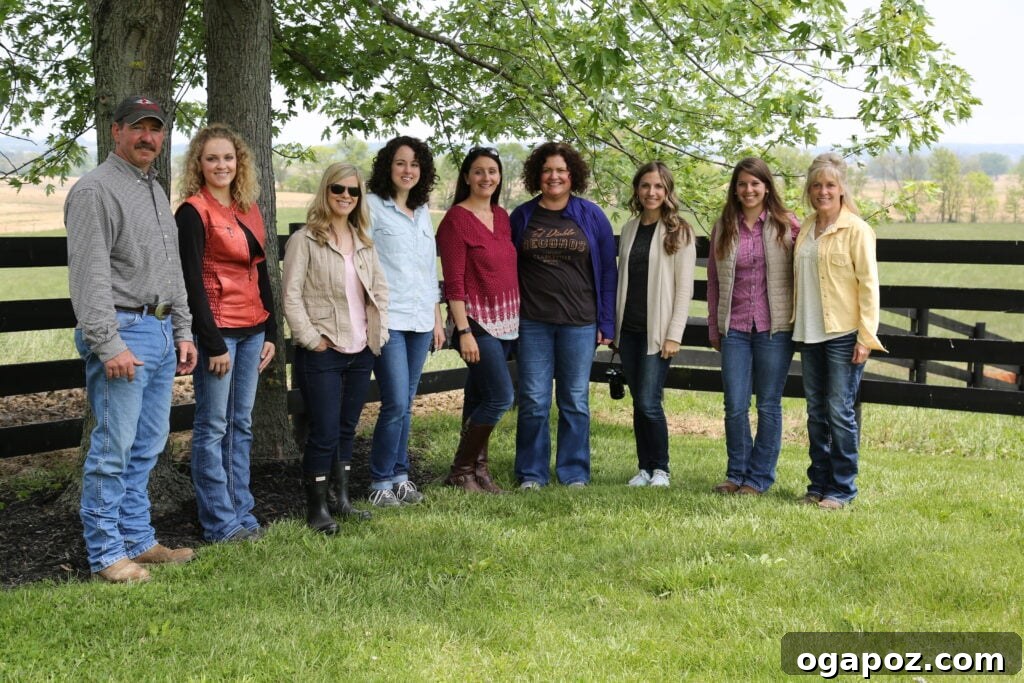
Today, we are thrilled to equip you with 9 indispensable tips for grilling beef – insights that will elevate your backyard barbecue from good to gourmet. You’ll find these invaluable tips detailed at the conclusion of this post. But first, let’s recount an extraordinary journey that deepened our understanding and appreciation for beef: a spring trip to Columbus, Ohio, hosted by the Ohio Beef Council. This incredible “beef adventure” connected us with fellow food bloggers, allowed us to engage directly with two inspiring Ohio Beef farming families, and provided comprehensive knowledge about beef and the robust beef industry, including expert techniques for cooking and preparing various cuts.
From Pasture to Plate: Exploring Ohio’s Beef Farms
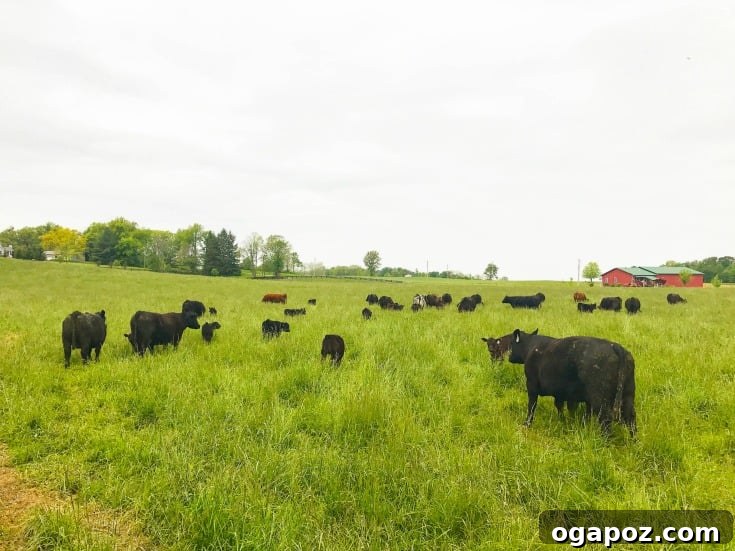
Our immersive tour began with a visit to Dusty Rose Farms, offering us an exclusive glimpse into their dedicated cattle operation. Nestled near Amanda, in southwest Fairfield County, Jim and Dee Jepsen, along with their family, meticulously manage Dusty Rose Farms. Their sprawling 850-acre property supports both row crops and a thriving herd of 60 beef cows. The Jepsens’ herd is predominantly Angus-based, featuring one purebred group and a balance of carefully selected crossbreds. A significant portion of their calves are retained for the farm’s feedlot, with an increasing focus on meeting the direct demand from customers seeking high-quality freezer beef. Engaging with this remarkable family was truly inspiring; their profound care and unwavering passion for their cattle were evident in every aspect of their operation. It was a clear testament to the pride they invest in their business and the welfare of their animals.
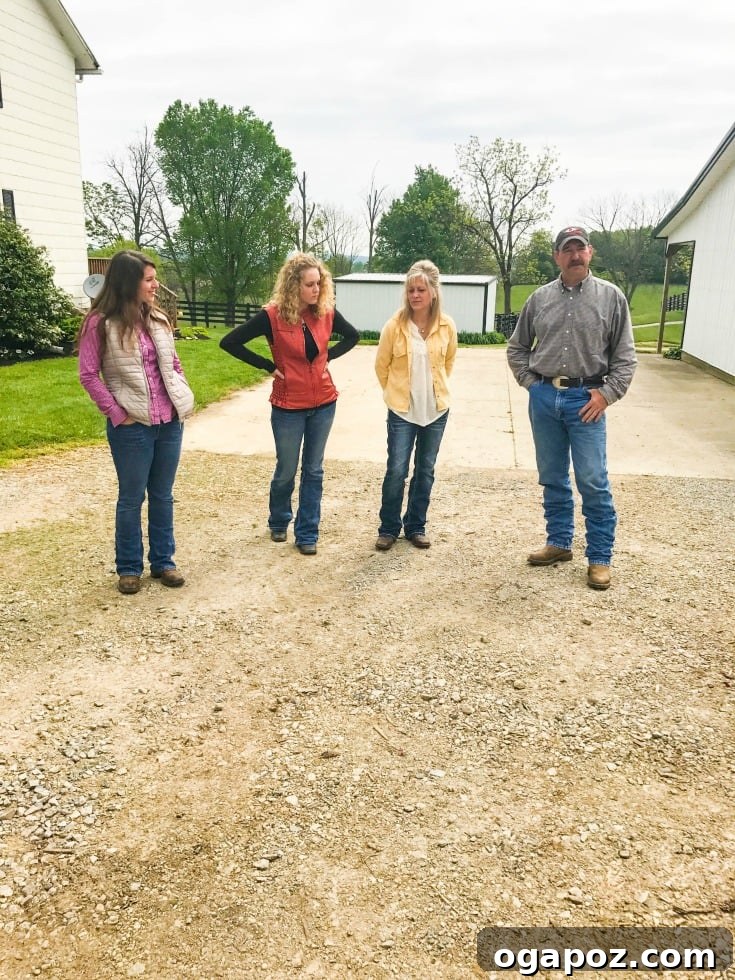
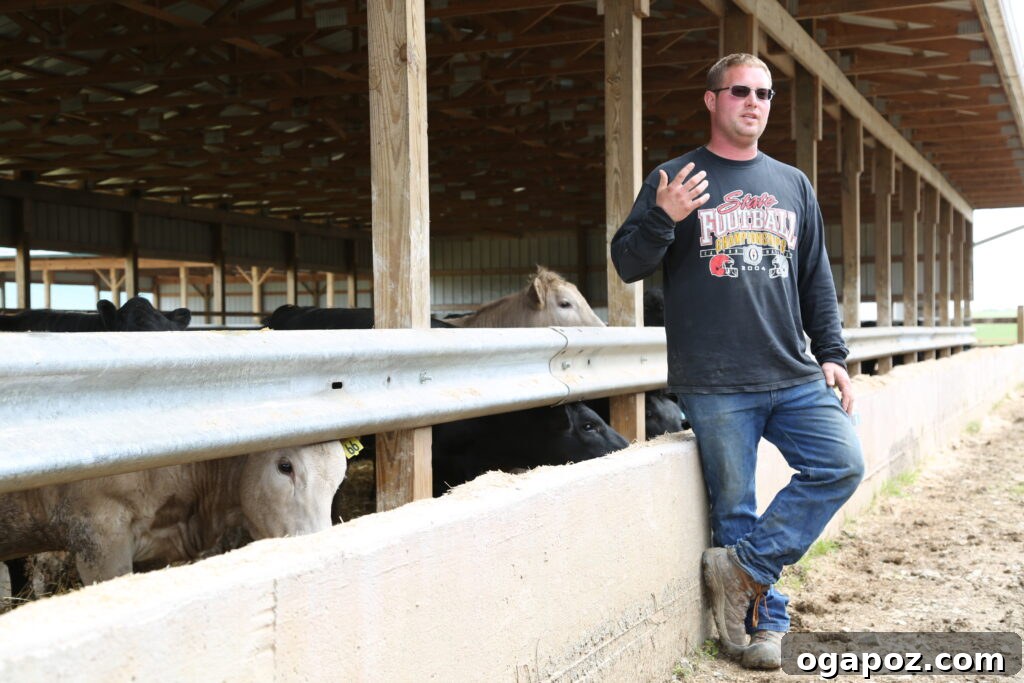
Our next destination was Hoffman Farms, a larger, yet equally dedicated, family cattle operation. Experiencing both a smaller and a larger scale farm provided invaluable insights into the diverse approaches and daily routines within the beef industry. Founded in 1976, Hoffman Farms has consistently emphasized innovation and diversification, maintaining its position as a leading cattle operation in Ohio. Christian and his father Bob have collaboratively expanded and refined Hoffman Farms over the years, focusing intently on enhancing their cattle’s health, maximizing their value, and minimizing environmental impact. Together, they manage a 700-head feedlot. Christian expertly oversees the cattle management, while his father skillfully handles the crop production. This symbiotic relationship between cattle and crops is crucial, as both ventures are essential for the farm to sustainably support both men and their families.
Sustainable Practices and Nutritional Choices
What truly distinguishes Christian at Hoffman Farms, beyond his impressive group of feeder cattle, is his meticulous attention to feed rations and his proactive experimentation with new, more affordable, and sustainable feed options. While the family cultivates the traditional mix of corn and soybeans, they are also strong proponents of double cropping – an innovative practice of planting two distinct crops in the same field within a single year. This method not only allows the Hoffmans to sell surplus grain but also ensures they retain ample supplies for their cattle feed. Furthermore, the farm diversifies its feed sources by growing barley, wheat, and sorghum, and they cleverly integrate distillers grain, a byproduct from a local ethanol plant, into their cattle’s diet. These forward-thinking practices demonstrate their commitment to both economic efficiency and environmental stewardship.
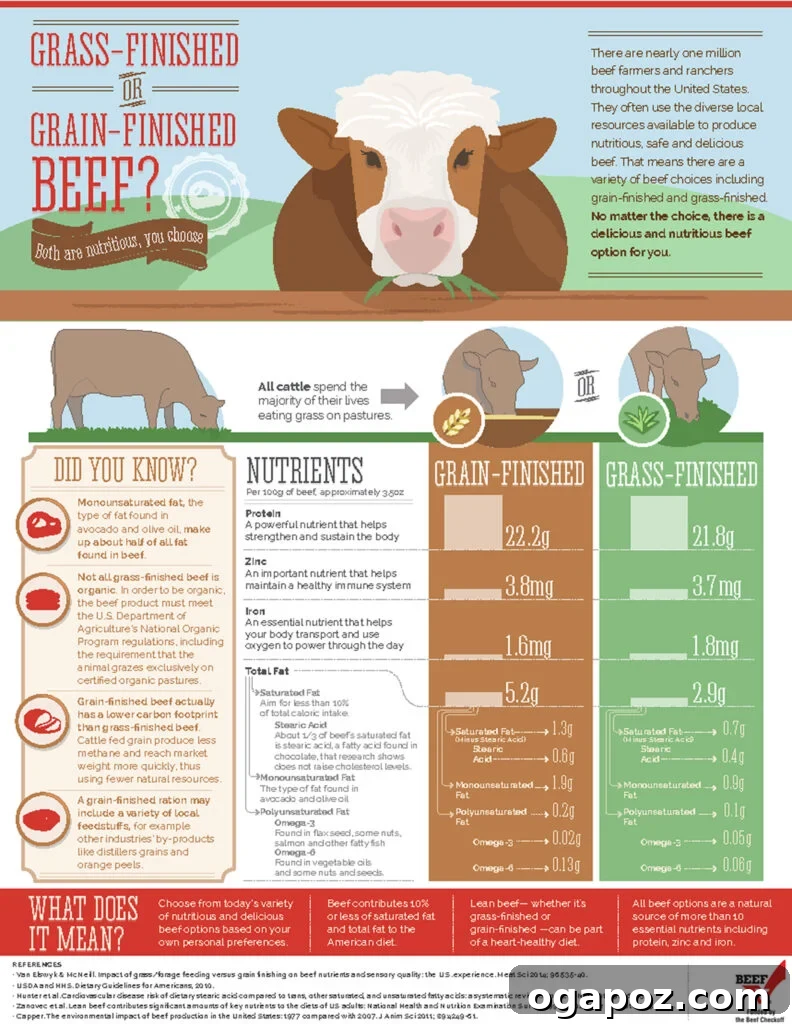
Understanding the nuances of beef production often leads to questions about different feeding methods. For instance, the discussion around grass-fed versus grain-fed beef can be complex, with various perceptions influencing consumer choices. To help clarify these distinctions and empower informed decisions, we encountered a highly informative infographic during our tour, which we’re sharing here. This visual guide offers valuable data on the nutrient comparison of grass-finished and grain-finished beef, providing a clear, factual basis to understand the subtle differences in their profiles. It’s fascinating to see how each method contributes to the final product’s characteristics and nutritional content.
My personal experiences visiting beef farmers consistently reaffirm my belief in the quality and ethical sourcing of beef. The unwavering dedication and heartfelt passion that each farmer brings to their work are genuinely inspiring. Witnessing firsthand the meticulous care they provide for their cattle instills a deep sense of confidence in the beef we consume. Knowing that your beef comes from such diligent, compassionate, and hardworking individuals truly allows you to feel good about the food on your plate.
A Culinary Journey: Dining with Cameron Mitchell Restaurants
Following our enlightening farm visits, our tour continued with a truly exquisite progressive dinner, orchestrated by the renowned Cameron Mitchell Restaurants in Columbus, Ohio. For anyone familiar with Columbus, it’s well-known as a hub for outstanding culinary experiences, many of which proudly feature Ohio Beef. Cameron Mitchell Restaurants, while remaining fiercely independent and privately held, has flourished into an impressive empire of 32 establishments spanning 12 distinct concepts across 12 states. Their diverse portfolio includes acclaimed names such as Cap City Fine Diner & Bar, The Guild House, Hudson 29 Kitchen + Drink, M, Martini Modern Italian, Marcella’s, Ocean Prime, Molly Woo’s Asian Bistro, The Pearl, Restaurant, Tavern & Oyster Room, The Barn at Rocky Fork Creek, and The Avenue Steak Tavern. Each concept offers a unique dining experience, consistently upholding a standard of culinary excellence.
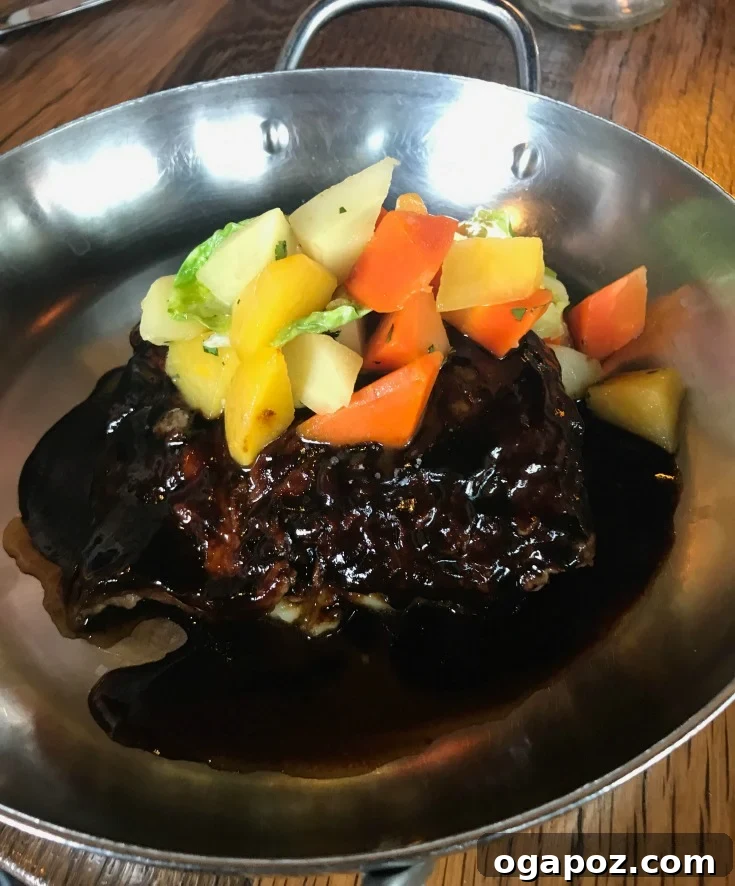
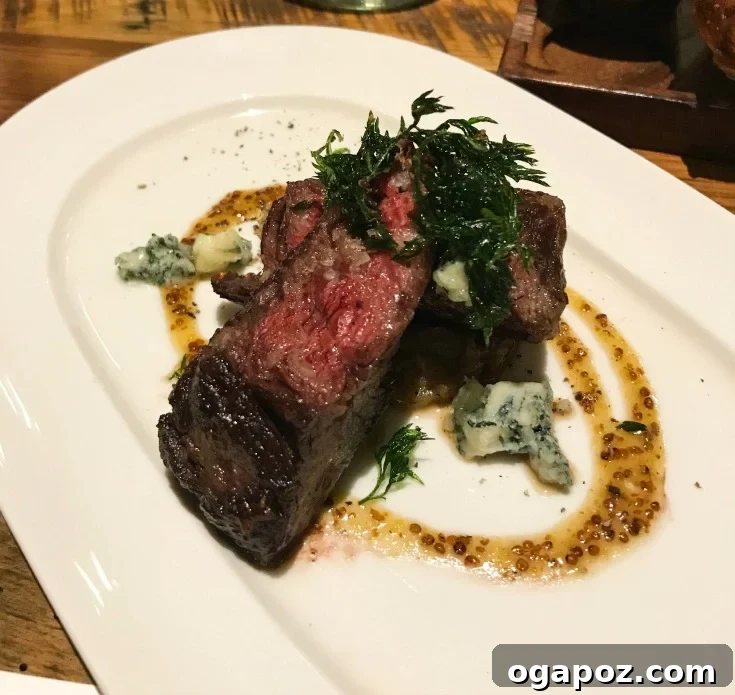
Our progressive dinner was a highlight, commencing with delectable appetizers at Marcella’s, followed by subsequent courses at The Pearl and The Guild House. Each stop was a masterclass in flavor, showcasing fresh, high-quality ingredients, outstanding Ohio beef, and of course, a selection of their signature handmade cocktails – a true specialty of Cameron Mitchell restaurants. From the initial bite to the final sip, every dish was thoughtfully crafted and bursting with incredible taste. The presentation of both the food and the cocktails was consistently impeccable, reflecting the top-tier standards maintained across all Cameron Mitchell establishments. The entire dining experience was nothing short of exceptional.
Hands-On Learning: A Cooking Lesson at The Guild House
We concluded our comprehensive beef tour with an engaging and educational cooking lesson at The Guild House. This establishment is not only an architectural marvel but also one of the most aesthetically pleasing restaurants I have ever encountered; its decor alone is captivating, and the food served matches its beauty. Our morning was spent under the expert guidance of Chef Peter Chapman, the head regional chef, who generously shared his extensive knowledge. We delved into the intricacies of various beef cuts, learned invaluable tips and tricks for optimal beef cooking, and even prepared some truly fabulous beef dishes. It was an inspiring session that demystified many aspects of beef cookery.
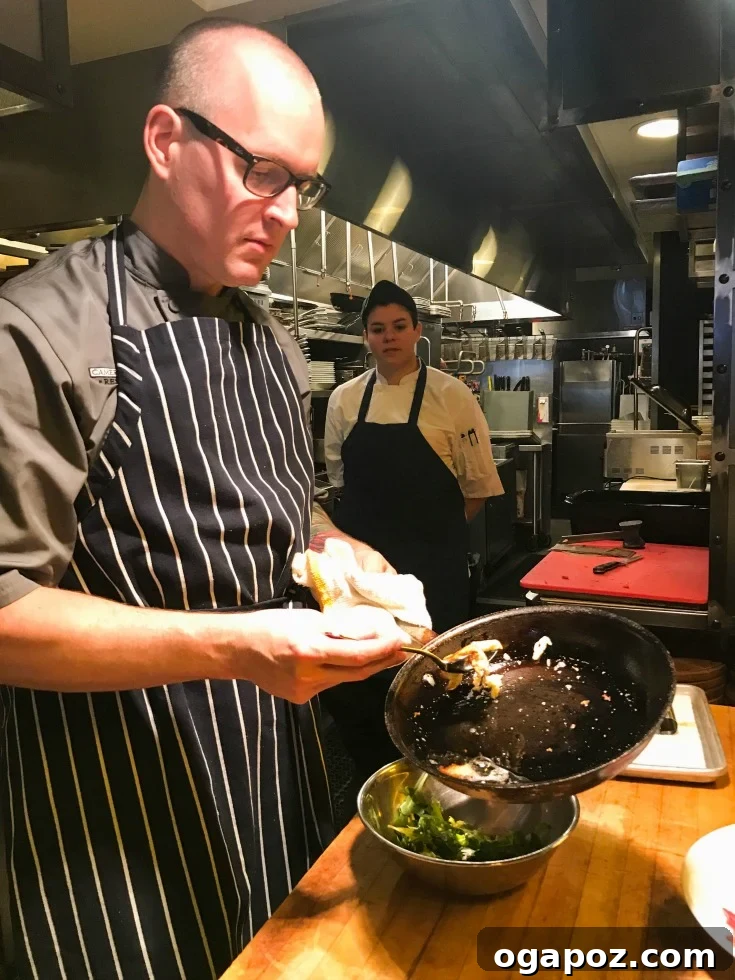
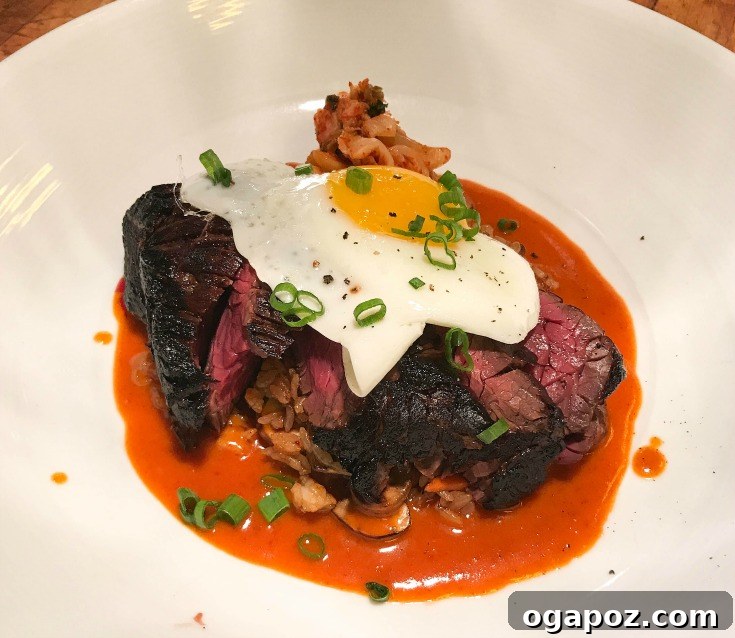
Among the many delightful dishes we prepared, my absolute favorite was the Kimchi Fried Rice, perfectly paired with tender beef and a fried egg. The combination of flavors was truly heavenly and a testament to Chef Chapman’s innovative culinary approach. Beyond the main dishes, we also had the distinct pleasure of spending time with Andrea Hoover, the Beverage Operations Manager and, in my opinion, the most talented cocktail maker I’ve ever met. She captivated us by demonstrating how to craft several fun and uniquely refreshing cocktails, all of which would be absolutely perfect for summer entertaining. Her expertise added another layer of excitement to our culinary education.
Are you ready to elevate your grilling game? Here are 9 essential tips for grilling beef, courtesy of The Ohio Beef Council, designed to guarantee your grilling success!
- Choose the Right Cuts for Maximum Tenderness: Start with cuts that are naturally tender and flavorful. The Ribeye, Tenderloin, Porterhouse, Strip steak, and Flat Iron steak are all prime performers on the grill. Their secret lies in the marbling – those delicate flecks of intramuscular fat that melt during cooking, infusing the meat with incredible flavor and juiciness, promising a truly enjoyable eating experience.
- Master Marinades vs. Rubs: Consider your goal. Marinades are excellent for adding depth of flavor and can also tenderize tougher cuts. However, for the inherently tender cuts ideal for grilling, a marinade should be limited to about 30 minutes to avoid over-tenderizing or altering the natural beef flavor. Rubs, on the other hand, are fantastic for creating a flavorful crust and can be applied more liberally, offering a “little something extra” without altering the meat’s texture.
- Optimal Grill Preparation is Key: Success begins with a hot grill. Never place your steak or burger on the grates before your grill has reached a searing temperature of 450 to 500 degrees Fahrenheit. This initial high heat is crucial for developing a beautiful, flavorful crust. After an initial sear of one to two minutes at this high temperature, reduce the grill heat to medium-high for the remainder of the cooking time to ensure even cooking without burning.
- Understand Your Grill’s Dynamics: Every grill has its quirks. Take the time to identify the hot spots – areas that tend to flare up or cook food unevenly. Knowing these zones allows you to strategically place your beef, rotating it as needed to ensure consistent cooking and prevent any single area from overcooking or charring too quickly.
- Achieve Professional Diamond Grill Marks: For those coveted steakhouse-quality diamond grill marks, precision is paramount. Begin by placing your steaks on the grill with their ends positioned at 10 and 4 o’clock. Once a good sear has developed – typically after 2-3 minutes – rotate the steaks clockwise, positioning their ends at 2 and 8 o’clock. This simple rotation creates the iconic crosshatch pattern that signifies a perfectly grilled steak.
- Preserve Juices: Avoid Poking! Resist the urge to poke your steaks with a grill fork or knife. Every puncture creates an escape route for those delicious, natural juices, leading to a drier and less satisfying steak. Always use tongs or a spatula to move and flip your steaks gently, ensuring all that savory moisture remains locked within the meat.
- Know When to Flip for Perfect Release: When you place a steak on a hot grill, you’ll hear that satisfying sizzle, and initially, the steak will stick to the cooking surface. It might remain stuck for three to four minutes. This “sticking” is your steak telling you it’s not yet ready to be rotated for grill marks or flipped. Once the steak is fully seared and a crust has formed, it will naturally release itself from the cooking surface, and you’ll often see a collection of liquid on the raw side. When both these indicators are present, it’s the perfect moment to flip your steak.
- Ensure Doneness with a Meat Thermometer: The most reliable way to determine doneness is by using an accurate meat thermometer. Insert the thermometer horizontally into the side of the steak (avoiding bone or fat), not from the top, to get an accurate internal reading. For a perfect medium-rare steak at 145°F, remove it from the grill when it reads 135°F. Crucially, let the steak rest for at least 10 minutes. This resting period allows carryover cooking to bring the steak to its final desired temperature while also redistributing the juices evenly throughout the meat, resulting in a tender, flavorful bite.
- Enhance Tenderness by Cutting Against the Grain: The way you slice your steak significantly impacts its tenderness. Always cut against the muscle grain – perpendicular to the long fibers of the meat. This shortens the muscle fibers, making each bite easier to chew and dramatically enhancing the perceived tenderness of the steak. It’s a simple technique that makes a world of difference in your eating experience.
Today’s post is proudly sponsored by the Ohio Beef Council. As always, the opinions expressed are 100% my own. Thank you for supporting the brands that enable us to create new and exciting content and recipes for you.