
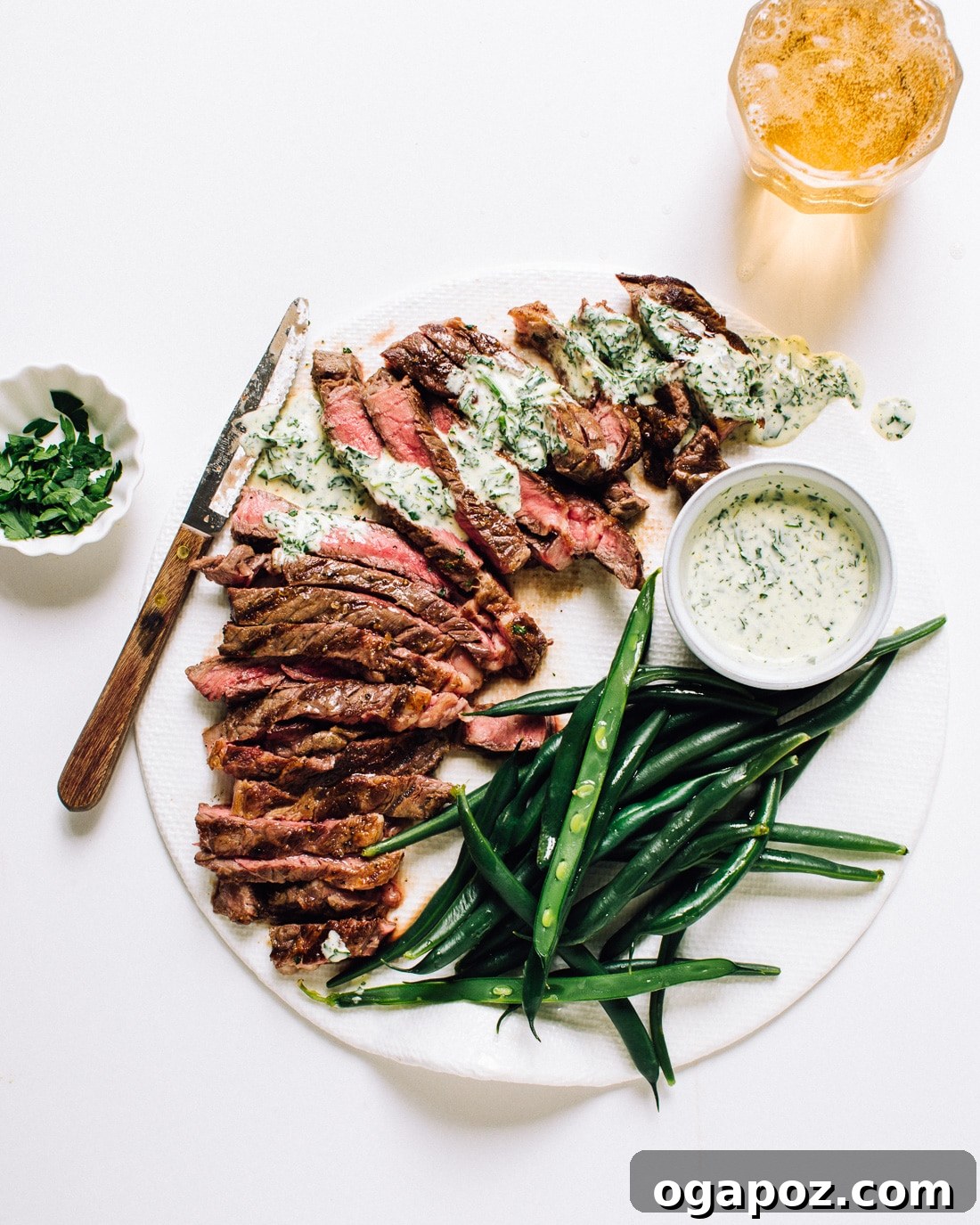
Prepare to master the art of grilling with this definitive Flat Iron Steak recipe. Renowned for its exceptional tenderness and rich beefy flavor, flat iron steak is a surprisingly affordable cut that delivers gourmet results when cooked correctly. This guide will walk you through achieving a perfectly seared, juicy steak on the grill, complete with pro tips, essential ingredients, and a vibrant, flavor-packed green sauce (Aji Verde) that will elevate your meal from great to extraordinary.
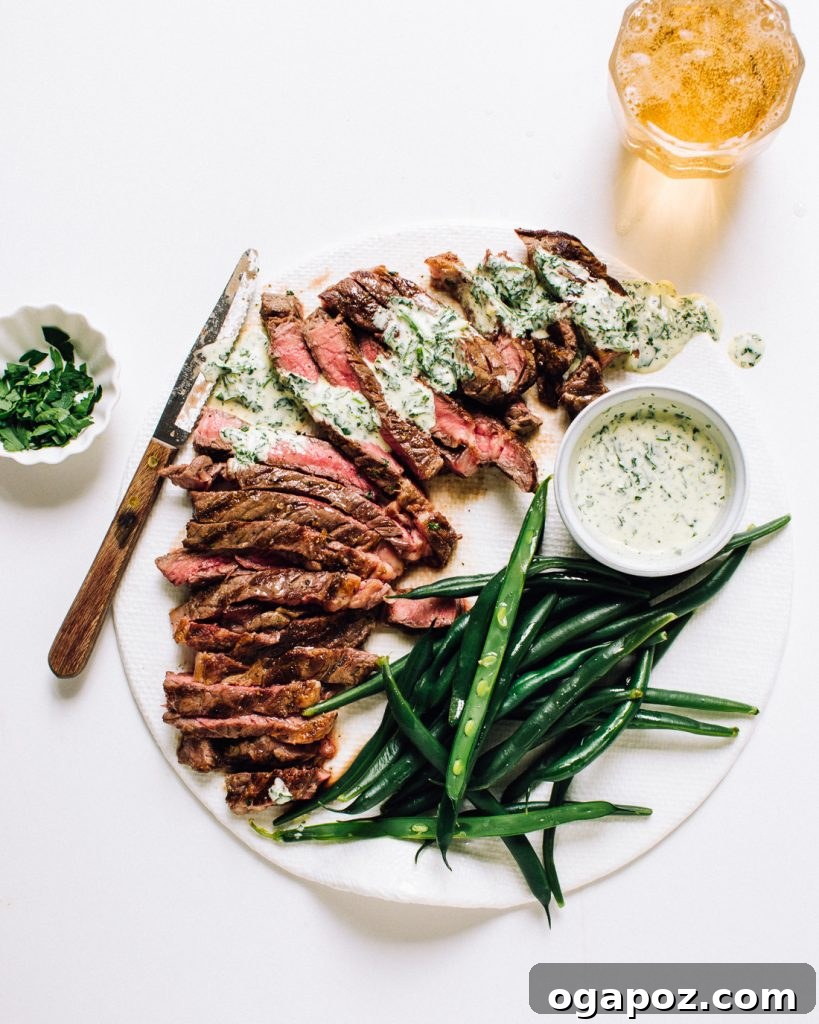
What is Flat Iron Steak? The Underrated Gem of Beef Cuts
Flat iron steak, often hailed as the “poor man’s ribeye,” is a distinct cut of beef derived from the shoulder (or chuck primal) of the cow. Specifically, it comes from the top blade muscle. Despite originating from a traditionally tougher part of the animal, the flat iron stands out because of a unique butchering technique: the tough connective tissue (fascia) that runs through the middle of the top blade is carefully removed. This removal process leaves two incredibly tender, well-marbled pieces of meat, resulting in a steak that is second only to the coveted filet mignon in terms of tenderness.
What makes flat iron steak truly special is its exceptional marbling – the intramuscular fat that melts during cooking, infusing the meat with incredible juiciness and a deep, robust beef flavor. This marbling gives it a richness comparable to more expensive cuts like ribeye, but at a fraction of the cost. Its versatile nature makes it perfect for a variety of high-heat cooking methods, including grilling, pan-searing, and broiling, allowing for a delicious crust while maintaining a tender interior. When sliced thinly against the grain, its tenderness is further enhanced, making every bite a delight. It’s an ideal choice for anyone seeking a balance of premium taste, texture, and value.
Essential Ingredients and Tools for Your Flat Iron Steak
Crafting a mouthwatering flat iron steak doesn’t require a long list of ingredients or fancy equipment. Simplicity is key to letting the steak’s natural flavors shine. Here’s what you’ll need for this easy flat iron steak recipe, designed to be served with a vibrant, flavor-packed Peruvian green sauce, Aji Verde, to truly elevate the experience.
Flat Iron Steak Recipe Ingredients
- Flat Iron Steak: The star of our dish. Aim for a cut that is about 1 to 1.5 inches thick for optimal grilling. If flat iron isn’t available, check the substitutes section below for excellent alternatives.
- High Smoke Point Cooking Oil: Essential for achieving a perfect, deep sear without burning. Options like avocado oil, grapeseed oil, or canola oil are excellent choices. While olive oil can work, avoid extra virgin olive oil as its smoke point is too low for the high heat required.
- Coarse Salt: Kosher salt is preferred. Generously seasoning with coarse salt draws out moisture, helps create a beautiful crust (Maillard reaction), and enhances the meat’s natural, savory flavors.
- Freshly Cracked Black Pepper: Provides a subtle bite and aromatic depth that complements the richness of the beef. Freshly cracked pepper is always superior to pre-ground for flavor.
- For the Aji Verde (Creamy Peruvian Green Sauce):
- Fresh Cilantro and Parsley: The herbaceous backbone of the sauce, providing bright, fresh notes.
- Garlic Cloves: Essential for pungent flavor and aromatic complexity.
- Green Chilies (Aji Amarillo or Jalapeno): For a gentle heat and authentic Peruvian flavor. Adjust quantity to your spice preference.
- Fresh Lime Juice: Adds a crucial tangy acidity that brightens the sauce and cuts through the richness of the steak.
- Mayonnaise: Creates the creamy texture and rich mouthfeel characteristic of Aji Verde.
- Olive Oil: Binds the ingredients and adds a smooth finish to the sauce.
- Salt: To balance and enhance all the flavors in the sauce.
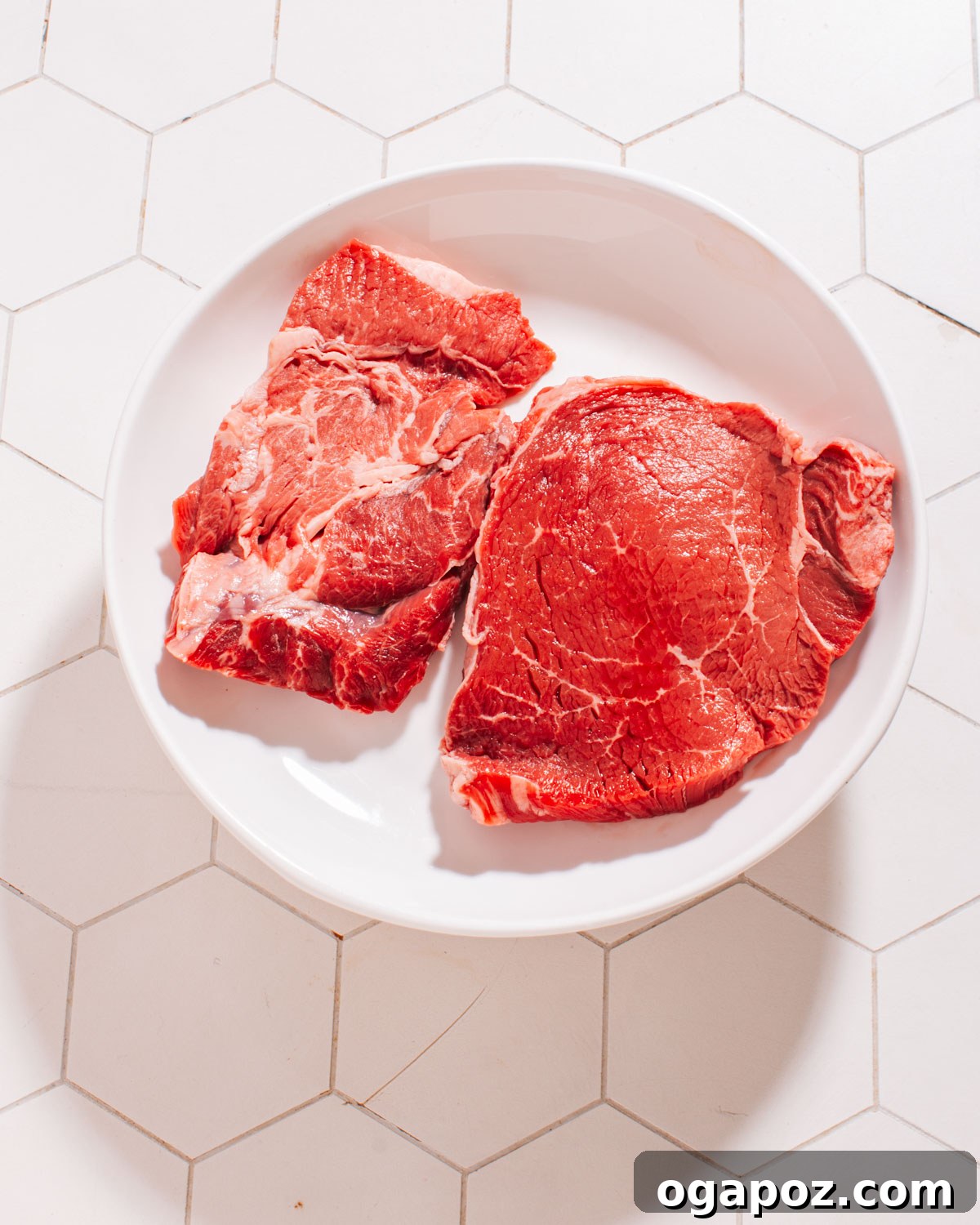
Excellent Substitutes for Flat Iron Steak
While flat iron steak is highly recommended for its unique balance of tenderness and flavor, there are several other cuts that can deliver fantastic results if it’s not available. Each offers a slightly different profile but can be prepared using similar high-heat cooking methods.
- Hanger Steak: Often called the “butcher’s cut,” hanger steak is similar to flat iron in tenderness and boasts an intense, rich beefy flavor. It’s best cooked medium-rare and sliced against the grain to maximize its succulence. It tends to have a more open grain than flat iron.
- Skirt Steak: This long, thin cut is known for its incredible flavor and ability to quickly absorb marinades. While slightly chewier than flat iron, it excels on the grill, developing a fantastic char. It must be sliced very thinly against the grain to ensure tenderness.
- Flank Steak: A lean and broad cut, flank steak is tougher than flat iron but is also very flavorful. It benefits greatly from marinating and quick high-heat cooking. Like skirt steak, it’s crucial to slice it thinly against the grain for the best eating experience.
- Ribeye Steak: While significantly more expensive, ribeye offers a similar rich flavor and exceptional tenderness due to its abundant marbling. If you’re looking for a luxurious alternative with guaranteed juiciness, a ribeye cooked to medium-rare is a superb choice.
When using a substitute, remember to adjust cooking times based on the thickness and specific characteristics of the chosen cut to achieve your desired level of doneness.
Tools Needed for Grilling Perfection
You don’t need a professional kitchen setup to create a memorable flat iron steak. These basic tools will ensure your success:
- Grill or Grill Pan: A gas or charcoal grill is ideal for that smoky flavor and perfect char. Alternatively, a heavy-duty cast-iron skillet or grill pan works beautifully on the stovetop, providing excellent heat retention for a superior sear.
- Small Bowl and Basting Brush: For evenly coating your steak with oil before seasoning, ensuring a consistent sear and preventing sticking.
- Cutting Board and Sharp Knives: Essential for safe and efficient preparation, slicing, and serving of your steak. A sharp knife is critical for slicing against the grain.
- Instant-Read Meat Thermometer: Your most important tool for ensuring perfect doneness every single time. Guessing internal temperature is a common mistake; a thermometer eliminates uncertainty.
- Food Processor or Blender: For effortlessly combining the Aji Verde sauce ingredients into a smooth, flavorful emulsion.
How to Make Flat Iron Steak: An Easy Guide to Grilling Success
Follow these simple, step-by-step instructions to grill a flat iron steak that’s tender, juicy, and bursting with flavor, complemented by a sensational green sauce.
Step 1: Prepare the Aji Verde Sauce
Begin by making your creamy Peruvian green sauce. Combine all the sauce ingredients (cilantro, parsley, garlic, green chilies, lime juice, coarse salt, olive oil, and mayonnaise) in a small food processor or blender. Pulse the mixture until it’s relatively smooth but still retains some texture. You want it vibrant and well-blended, not a completely liquid puree. Taste and adjust seasoning as needed – a little more salt or lime can make a big difference.
Step 2: Prepare the Steak for Grilling
First, pat the flat iron steak completely dry with paper towels. This crucial step removes surface moisture, which is essential for achieving a deep, flavorful crust (the Maillard reaction). Brush both sides of the steak generously with your high smoke point cooking oil (about a teaspoon per side). Then, season liberally with coarse salt and freshly cracked black pepper. Don’t be shy with the seasoning; it forms a flavorful crust and penetrates the meat.
Step 3: Grill the Steak to Perfection
Preheat your grill (gas or charcoal) or cast-iron grill pan over high heat for at least 5-10 minutes. The surface needs to be shimmering hot to ensure a proper sear. Place the seasoned steak directly on the preheated grill. Allow it to sear on one side without moving it for 3-5 minutes. Resist the urge to poke or flip it too soon! You’ll know it’s ready to flip when it easily lifts from the grill grates when you gently raise a corner with tongs, indicating a beautiful, caramelized crust has formed.
Once the first side has developed nice grill marks and a rich sear, flip the steak. Continue cooking on the second side until it reaches your desired internal temperature. For a perfect medium-rare, aim for an internal temperature of 125ºF (52°C) when measured with an instant-read meat thermometer inserted into the thickest part of the steak. You can find more detailed temperature guidelines below.
Step 4: Rest and Serve Your Juicy Steak
Immediately transfer the cooked steak to a clean cutting board. Cover it loosely with aluminum foil (this is called “tenting”). Let the steak rest undisturbed for at least 5 to 10 minutes. This resting period is vital: it allows the muscle fibers to relax and the internal juices, which have migrated to the center during cooking, to redistribute evenly throughout the entire steak. Skipping this step results in a dry, less flavorful steak. After resting, slice the steak thinly against the grain to maximize tenderness. Drizzle your homemade Aji Verde sauce generously over the sliced steak before serving, and prepare for rave reviews!
Internal Temperature Guide for Flat Iron Steak Doneness
Achieving your preferred level of steak doneness is crucial for an optimal eating experience. An instant-read meat thermometer is your best friend here. Insert the thermometer into the thickest part of the steak, avoiding any bone or fat pockets, for an accurate reading.
Rare: 120-125°F (49-52°C) – Cool red center
Medium-Rare: 130-135°F (54-57°C) – Warm red center (recommended for flat iron)
Medium: 140-145°F (60-63°C) – Warm pink center
Medium-Well: 150-155°F (66-68°C) – Slightly pink center
Well-Done: 160°F+ (71°C+) – Little to no pink, firm texture
For the juiciest results, always remove your flat iron steak from the heat when it’s approximately 5°F (3°C) lower than your target temperature. The steak will continue to cook from its residual heat as it rests, a process known as “carryover cooking,” bringing it to the perfect final doneness.
5 Common Mistakes When Cooking Flat Iron Steak (and How to Fix Them)
Even with a simple recipe, minor missteps can prevent your flat iron steak from reaching its full potential. Here are the most common pitfalls home cooks encounter and how to avoid them for a consistently perfect steak:
- Overcooking: The #1 enemy of a tender flat iron steak. Cooking beyond medium-rare (130-135°F internal temperature) rapidly turns this naturally tender cut into a tough, dry chew.
Solution: Always use an instant-read thermometer and remove the steak from the heat about 5 degrees before your target temperature. Flat iron is best enjoyed medium-rare. - Skipping the Rest Period: Cutting into the steak immediately after it comes off the grill causes all the delicious juices to run out onto your cutting board, leaving the meat dry and less flavorful.
Solution: Transfer the cooked steak to a cutting board, tent it loosely with foil, and let it rest for a minimum of 5-10 minutes. This allows the juices to redistribute, ensuring every bite is moist and tender. - Under-Seasoning: A bland steak lacks depth and character, no matter how perfectly cooked. Insufficient salt and pepper mean you’re missing out on a crucial layer of flavor.
Solution: Season generously with coarse salt and freshly cracked black pepper. Don’t underestimate the power of a good seasoning crust to enhance the steak’s natural beefy flavor and improve searing. - Using a Cold Grill or Pan: Trying to sear a steak on a surface that hasn’t reached adequate temperature will result in a gray, unappetizing exterior instead of a beautiful, caramelized crust.
Solution: Always preheat your grill or pan for at least 5-10 minutes over high heat until it’s shimmering hot. This intense initial heat creates the desired Maillard reaction, locking in juices and flavor. - Cutting With the Grain: Slicing parallel to the muscle fibers leaves them long and makes the steak chewy, regardless of how tender the cut naturally is.
Solution: Always slice your flat iron steak thinly *against* the grain (perpendicular to the muscle fibers). This shortens the fibers, making the steak incredibly tender and easy to chew.
Make Ahead and Storage Tips
While flat iron steak is best enjoyed fresh off the grill, properly storing leftovers means you can savor its deliciousness later.
- Storage: Cooked flat iron steak can be stored in an airtight container in the refrigerator for up to 3-4 days. For longer storage, you can freeze leftover steak in an airtight, freezer-safe bag or container for up to 3 months.
- Reheating: To reheat, gently warm the steak in a skillet over low heat with a splash of beef broth or water to prevent it from drying out. Avoid high heat, which can overcook the steak and make it tough. Sliced steak can also be warmed quickly in a microwave, though the texture may be slightly compromised.
- Leftover Uses: Thinly sliced leftover steak is fantastic in sandwiches, salads, stir-fries, fajitas, or even beef tacos. It’s a versatile ingredient that can add gourmet flair to many meals.
How to Serve Your Delicious Flat Iron Steak
This simple flat iron steak recipe is incredibly versatile and pairs wonderfully with a variety of sauces and side dishes. Our recommended creamy Peruvian Aji Verde offers a vibrant, zesty counterpoint to the rich beef.
Sauce Pairings
Beyond the Aji Verde, explore these fantastic sauce options:
- Peruvian Aji Verde: The star of this recipe! This creamy, herbaceous, and mildly spicy green sauce with cilantro, parsley, garlic, and lime is an absolute game-changer for steak.
- Garlic Herb Butter Sauce: A timeless classic that enhances the steak’s flavor with rich, aromatic garlic and fresh herbs like rosemary or thyme.
- Chimichurri Sauce: A bright and tangy Argentinian green sauce made with fresh parsley, oregano, garlic, red wine vinegar, and olive oil, offering a refreshing contrast to the beef.
- Creamy Peppercorn Sauce: A luxurious, savory sauce with cracked black peppercorns and cream, perfect for a more indulgent meal.
Flat Iron Steak Side Dishes
Complete your meal with perfectly paired sides that complement the steak’s robust flavor:
- Creamy Mashed Potatoes: A classic, comforting choice that provides a smooth contrast to the steak’s texture and richness.
- Cornbread Casserole: A hearty and slightly sweet option that pairs well with grilled meats.
- Crispy Air Fryer Eggplant: A lighter, savory vegetable side that offers a pleasing texture.
- Roasted Asparagus or Green Beans: Simple, crunchy green vegetables like pan-fried asparagus or blanched green beans with a squeeze of lemon are refreshing and healthy complements.
- Baked Sweet Potatoes: A slightly sweet and earthy alternative to regular potatoes, offering fiber and nutrients.
- Fresh Garden Salad: A simple salad with a light vinaigrette can provide a refreshing contrast and balance the richness of the meal.
If you have any leftover steak, remember to slice it thinly for use in delicious sandwiches, salads, or transform it into incredible beef tacos for another meal. Here’s a detailed guide on the best way to reheat leftover steak to maintain its quality.
Pro Tips and Science-Based Secrets for the Perfect Steak
As a food scientist, I love sharing the insights that ensure incredible results in the kitchen. Here are some expert tips to elevate your flat iron steak from good to unforgettable:
- Patience on the Grill is a Virtue: Resist the temptation to constantly poke or flip your steak. Allowing it to sear undisturbed on each side is fundamental for achieving the Maillard reaction – the chemical process responsible for that irresistible deep brown crust and complex savory flavors. A proper sear locks in juices and builds texture.
- Consider a Flavorful Marinade: While flat iron is delicious with just salt and pepper, a good marinade can add another layer of flavor and even further enhance tenderness. Marinades containing acidic components (like citrus juice or vinegar) and enzymes (like those in pineapple or papaya) can help break down muscle fibers. Allow the steak to marinate for at least 30 minutes, or even overnight for deeper flavor penetration.
- The Meat Thermometer is Non-Negotiable: This is the single most important tool for cooking steak to perfection. Guessing doneness by touch is inconsistent and often leads to overcooked or undercooked meat. An instant-read thermometer ensures you hit your ideal internal temperature precisely, preventing the common mistake of a dry, tough steak.
- The Critical Resting Period: Don’t skip this step! After cooking, the muscle fibers in the steak contract, pushing juices to the center. Resting allows these fibers to relax and the internal juices to redistribute evenly throughout the meat. This results in a significantly juicier, more tender, and flavorful steak when you finally slice into it.
- Master the Cutting Technique (Against the Grain): Flat iron steak has noticeable muscle fibers running in one direction (the grain). Always slice the steak thinly *against* these fibers, perpendicular to them. This technique shortens the muscle fibers, making each piece far easier to chew and dramatically increasing the perceived tenderness of the steak.
Frequently Asked Questions About Flat Iron Steak
Got more questions about cooking flat iron steak? Here are answers to some of the most common inquiries:
Is flat iron steak very tender?
Yes, flat iron steak is exceptionally tender. It’s considered the second most tender cut after filet mignon due to the removal of tough connective tissue during butchering and its good marbling, making it a popular choice for grilling and pan-searing.
Can you eat flat iron steak rare?
Absolutely! Flat iron steak can be enjoyed rare, offering a wonderfully tender and juicy experience. However, for optimal flavor and tenderness, many chefs and home cooks recommend cooking it to a perfect medium-rare (130-135°F internal temperature).
Is flat iron steak more tender than sirloin?
Yes, generally, flat iron steak is more tender than most sirloin cuts (like top sirloin). Its fine grain and excellent marbling contribute significantly to its superior juiciness and melt-in-your-mouth tenderness compared to the leaner, firmer texture of sirloin.
How do I know when flat iron steak is cooked to the right temperature?
The most reliable way is to use an instant-read meat thermometer. For a medium-rare steak, aim for an internal temperature of 125ºF (52°C) while it’s still on the grill, knowing it will rise to 130-135°F as it rests. Insert the thermometer into the thickest part of the steak, avoiding any fat or bone.
Can I use a different cut of steak for this recipe?
Certainly! While flat iron steak is the star, this recipe is adaptable. You can successfully substitute it with other delicious cuts like flank steak, skirt steak, hanger steak, or even a ribeye. Remember that cooking times and techniques may need slight adjustments based on the thickness and characteristics of the alternative cut.
How can I make my flat iron steak even more tender?
Several techniques can enhance tenderness: marinating with acidic ingredients (like balsamic vinegar or lemon juice) helps break down fibers; seasoning generously; and most importantly, allowing the steak to rest sufficiently after cooking. Resting redistributes juices, resulting in a more tender and juicy texture. Finally, always slice the steak thinly against the grain.
More Delicious Steak Recipes to Explore
If you love steak as much as we do, here are some other fantastic recipes to add to your culinary repertoire:
- Whip up a quick and flavorful beef and broccoli stir-fry when you’re in the mood for an easy, tossed-together meal.
- Discover the magic of steak made in an Instant Pot, delivering incredibly tender beef that almost melts in your mouth.
- Indulge in my old-fashioned Salisbury steak, richly flavored and dripping with savory goodness.
- For a decadent brunch or dinner, try Steak Benny with creamy blue cheese and tangy buttermilk Hollandaise – an unexpected delight!
Easy Flat Iron Steak Recipe (with Creamy Peruvian Green Sauce!)
Jennifer Pallian BSc, RD
10 minutes
8 minutes
4
Ingredients
For Steak
- 1 lb flat iron steak
- 1 tbsp vegetable oil
- 1 tsp kosher salt
- ¼ tsp black pepper
For Sauce (Aji Verde)
- ½ cup fresh cilantro
- ½ cup fresh parsley
- 3 medium cloves garlic
- 2 small green chilies (or 1 jalapeno)
- ½ lime, juiced
- ¾ tsp coarse salt
- ¼ cup olive oil
- ⅓ cup mayonnaise
Instructions
Grill the Flat Iron Steak
- Preheat grill or grill pan over high heat for 5-10 minutes. Ensure it’s shimmering hot.
- Pat steak dry. Brush both sides with oil. Sprinkle generously with salt and pepper.
- Grill steak over direct heat until well seared on the bottom (3-5 minutes). Do not attempt to flip until it releases easily when gently lifted with tongs.
- When the bottom is nicely seared with beautiful grill marks, flip and finish cooking on the other side until internal temperature reaches 125ºF (52°C) for medium-rare.
Make Creamy Peruvian Green Sauce (Aji Verde)
- Add all sauce ingredients to a small food processor or blender. Pulse until the mixture is fairly smooth but still has some texture.
Rest & Serve
- Transfer steak to a cutting board, tent with foil, and let it rest for 5-10 minutes to redistribute the juices.
- Slice steak thinly against the grain. Serve with the creamy green sauce drizzled over.
Notes
- While grilling is recommended for a delicious char and smoky flavor, you can also use a heavy cast-iron skillet for excellent results on the stovetop. Just ensure it’s thoroughly preheated for a good sear.
- Season the steak well and generously for the best flavor and crust development. This is a crucial step!
- Do not skip the resting period after cooking. Letting the steak rest for at least 5-10 minutes is essential for allowing the juices to redistribute, ensuring a tender and juicy bite.
If you can’t find flat iron steak, here are some good substitutes:
- Hanger steak: Similar in tenderness and flavor, but with a slightly more pronounced beefy taste.
- Skirt steak: A bit chewier, but excellent for grilling and quick cooking when sliced thin against the grain.
- Flank steak: Leaner and slightly tougher, but works well when sliced thin against the grain, especially after marinating.
- Ribeye: More expensive but offers a similar rich flavor and tenderness due to its abundant marbling.
Each of these can be cooked similarly, but adjust cooking times depending on their thickness and your desired doneness.
Nutrition (per serving)
Carbohydrates: 3g |
Protein: 22g |
Fat: 43g |
Saturated Fat: 9g |
Polyunsaturated Fat: 12g |
Monounsaturated Fat: 19g |
Trans Fat: 0.5g |
Cholesterol: 83mg |
Sodium: 721mg |
Potassium: 416mg |
Fiber: 1g |
Sugar: 1g |
Vitamin A: 790IU |
Vitamin C: 14mg |
Calcium: 25mg |
Iron: 3mg
Nutrition information is automatically calculated and should only be used as an approximation.