
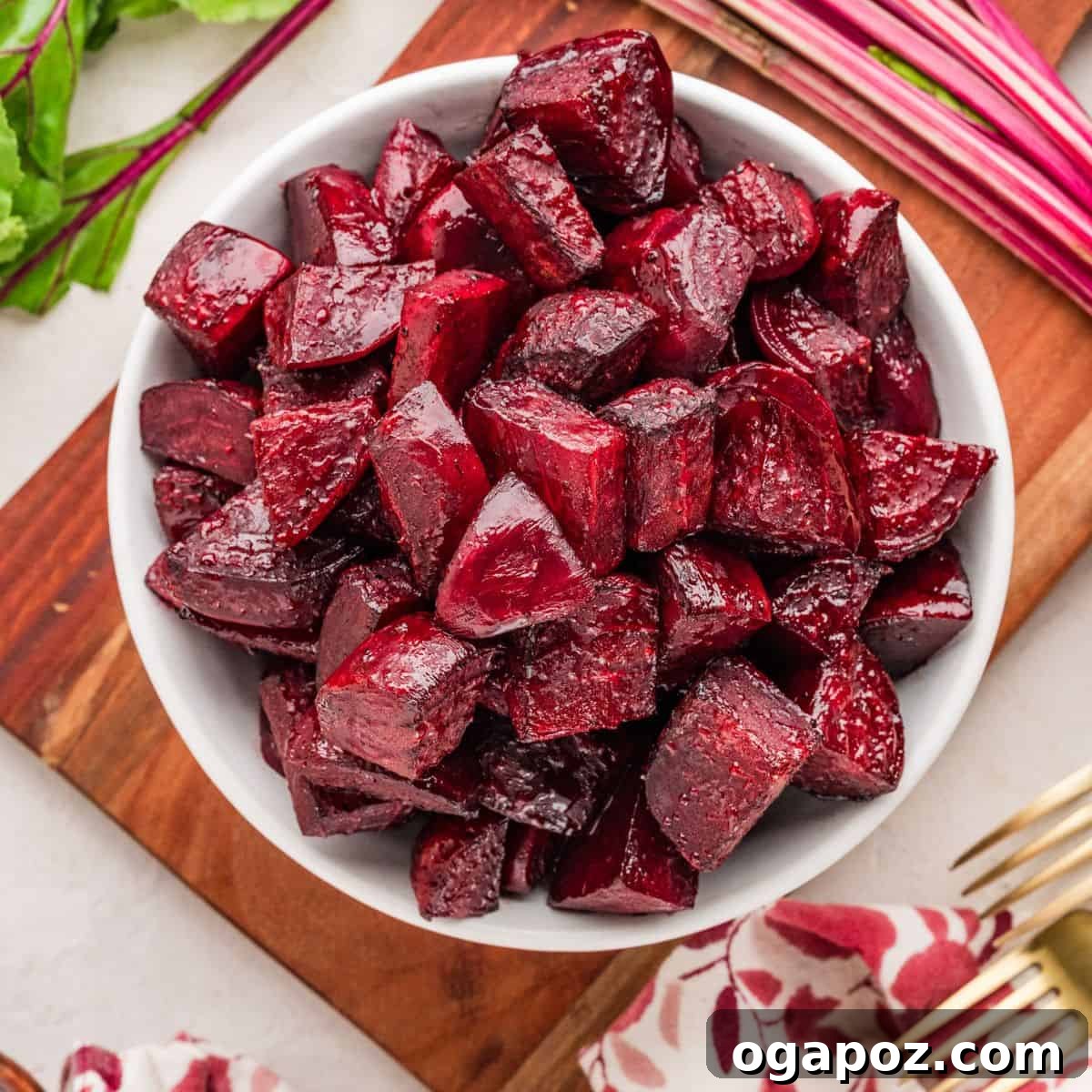
Forget the foil. These oven roasted beets come out fork-tender with deeply caramelized edges and a rich, earthy flavor every time. Toss them with olive oil and balsamic vinegar, spread them in a single layer on a sheet pan, and let a hot oven do the work in about 30 minutes.
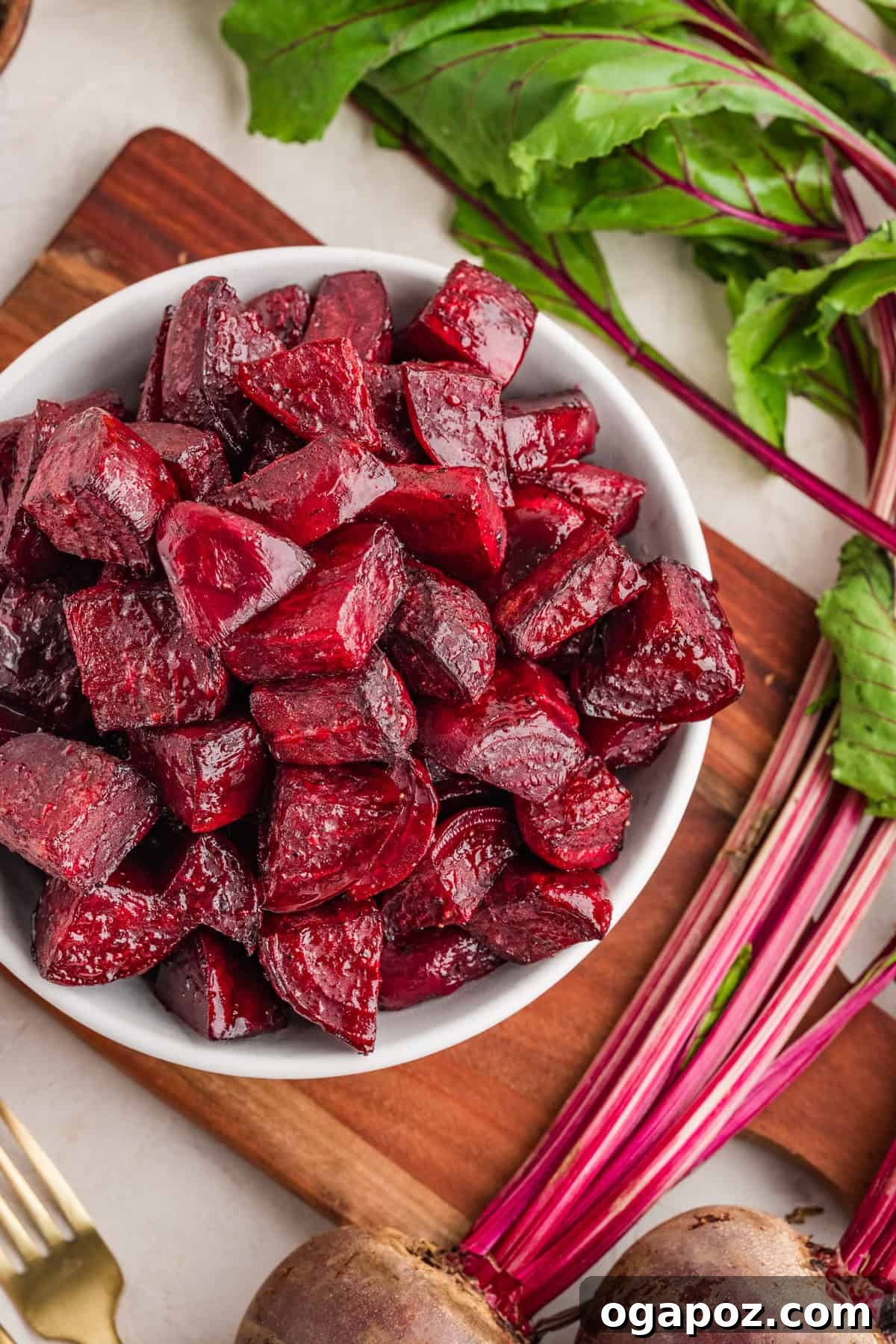
If you’ve avoided roasting beets because it seemed fussy or slow, this simple method will change your mind.
Instead of wrapping whole beets in foil and steaming them for up to an hour, peel and cube the beets, toss them with olive oil and a splash of balsamic, and roast at 400°F. In about 30 minutes you’ll have deeply colored, fork-tender cubes with caramelized edges and concentrated sweetness. No foil, no waiting around, and much less mess.
I make these often because they pair with so many dishes. Toss them over a lentil or grain salad, serve with roasted or grilled proteins, or eat them straight from the pan. They’re quick to prep, versatile, and reliable. If you enjoy beet recipes, try them with hummus or pickled beets for variation.
Why Cubed Beets Beat the Foil Method Every Time

Roasting whole beets in foil steams them more than it roasts them. While that yields tender beets, you miss the flavorful, caramelized edges that come from direct oven heat.
Cutting beets into uniform one-inch cubes shortens the cooking time and increases surface area for browning. Those deep ruby, slightly crisp edges are where the concentrated flavor develops. Peeling and cubing also avoids the unpleasant task of peeling a very hot whole beet. This cubed method is fast, less messy, and produces better texture and flavor.

Recipe Ingredients
The ingredient list is short, which makes the recipe dependable and easy to shop for.
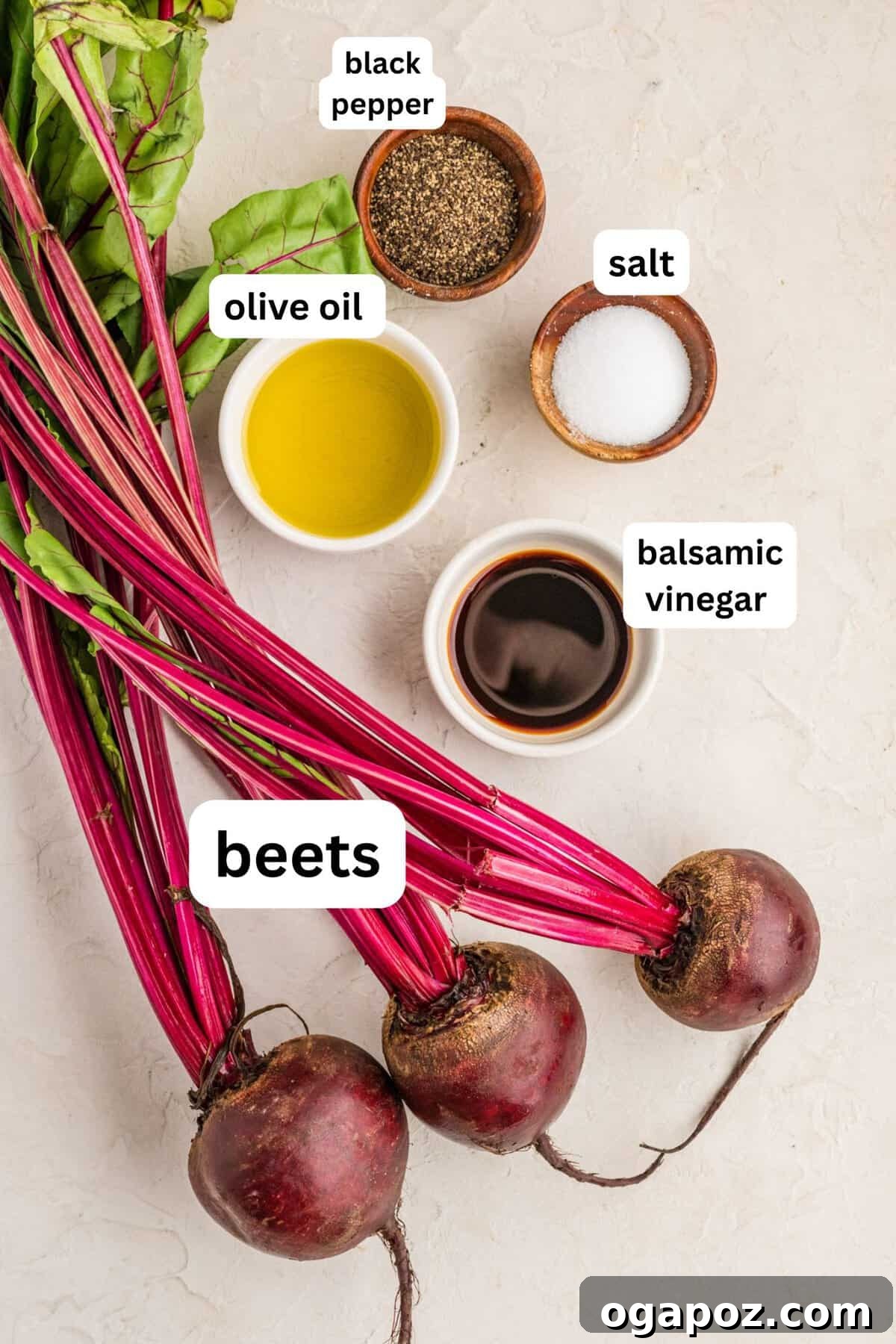
- Beets. Fresh, firm whole beets are best. Choose medium-sized roots with no soft spots. Red beets are classic; golden beets or a mix add color and a milder flavor.
- Olive oil. Two tablespoons of a good-quality olive oil help the beets roast evenly and add richness.
- Balsamic vinegar. One tablespoon. It deepens and reduces during roasting, creating a subtle sweet-tangy glaze—don’t skip it.
Ways to Modify
- Swap the acid: Use red wine vinegar or fresh lemon juice for a brighter flavor.
- Add sweetness: Drizzle a little honey before roasting for extra caramelization.
- Add fresh herbs: Toss with thyme or rosemary before roasting, or garnish with parsley, chives, or dill when serving.
- Mix the beets: Combine red and golden beets for a colorful presentation.
- Seeds or nuts: Finish with pistachios, pecans, almonds, pine nuts, or walnuts for texture.
- Warm spice: Add a pinch of cumin or smoked paprika for earthy depth.
- Finish with cheese: Crumbled goat cheese or feta brightens the dish just before serving.
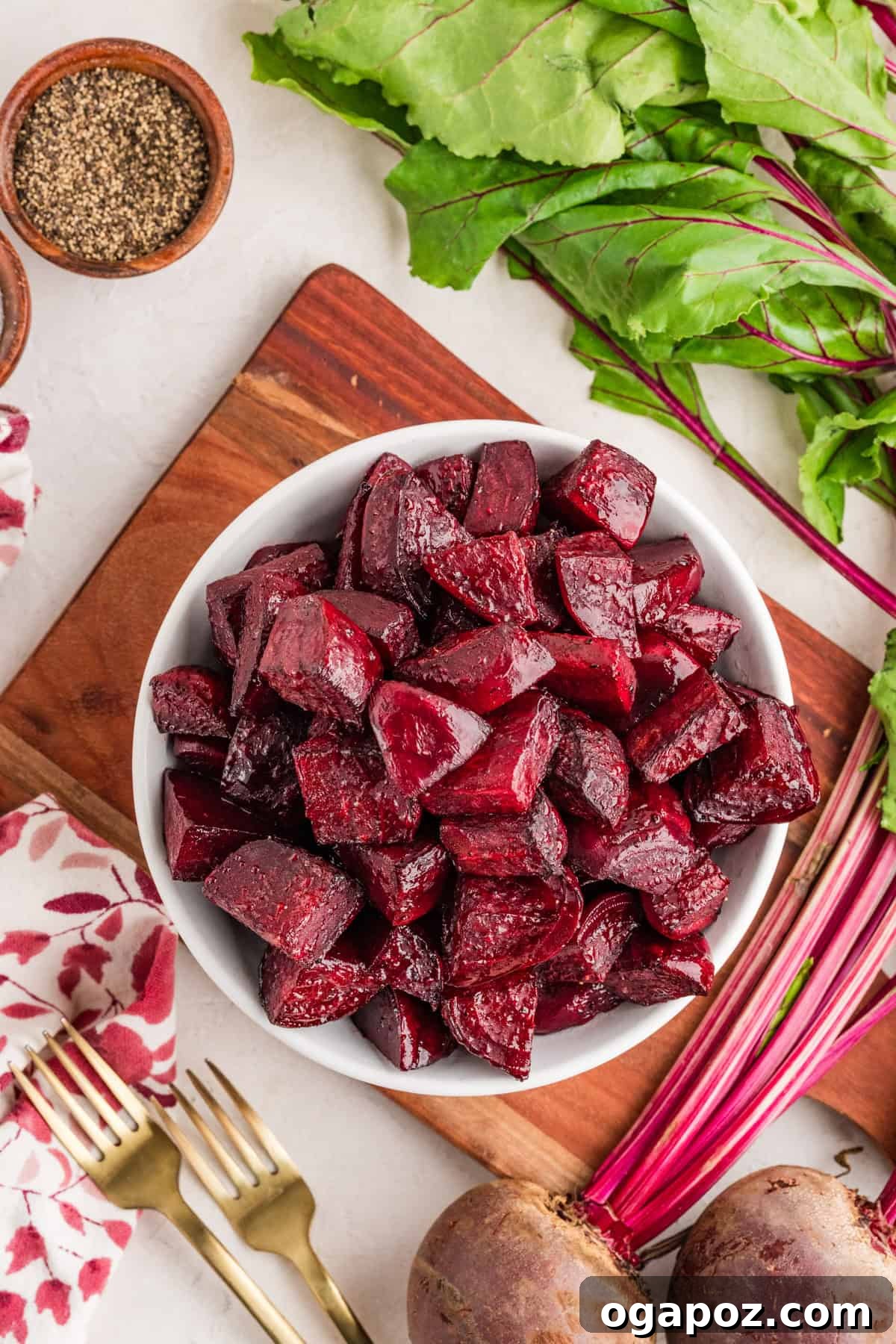
How to Peel Beets Without Staining Everything You Own
Beets stain easily, so a few prep tips make the process neater.
- Use a plastic cutting board; beet juice can permanently stain wood.
- Disposable gloves protect your hands from deep color that can linger for days.
- Wear an apron to protect clothing from splatter.
- Leave the stem on while peeling to hold the beet more easily; remove the stem before dicing into one-inch pieces.
- These small steps make working with beets quicker and less stressful.
How to Roast Beets in the Oven (Step by Step)
Step 1: Preheat. Preheat the oven to 400°F and line a rimmed baking sheet with parchment for easy cleanup and nonstick roasting.
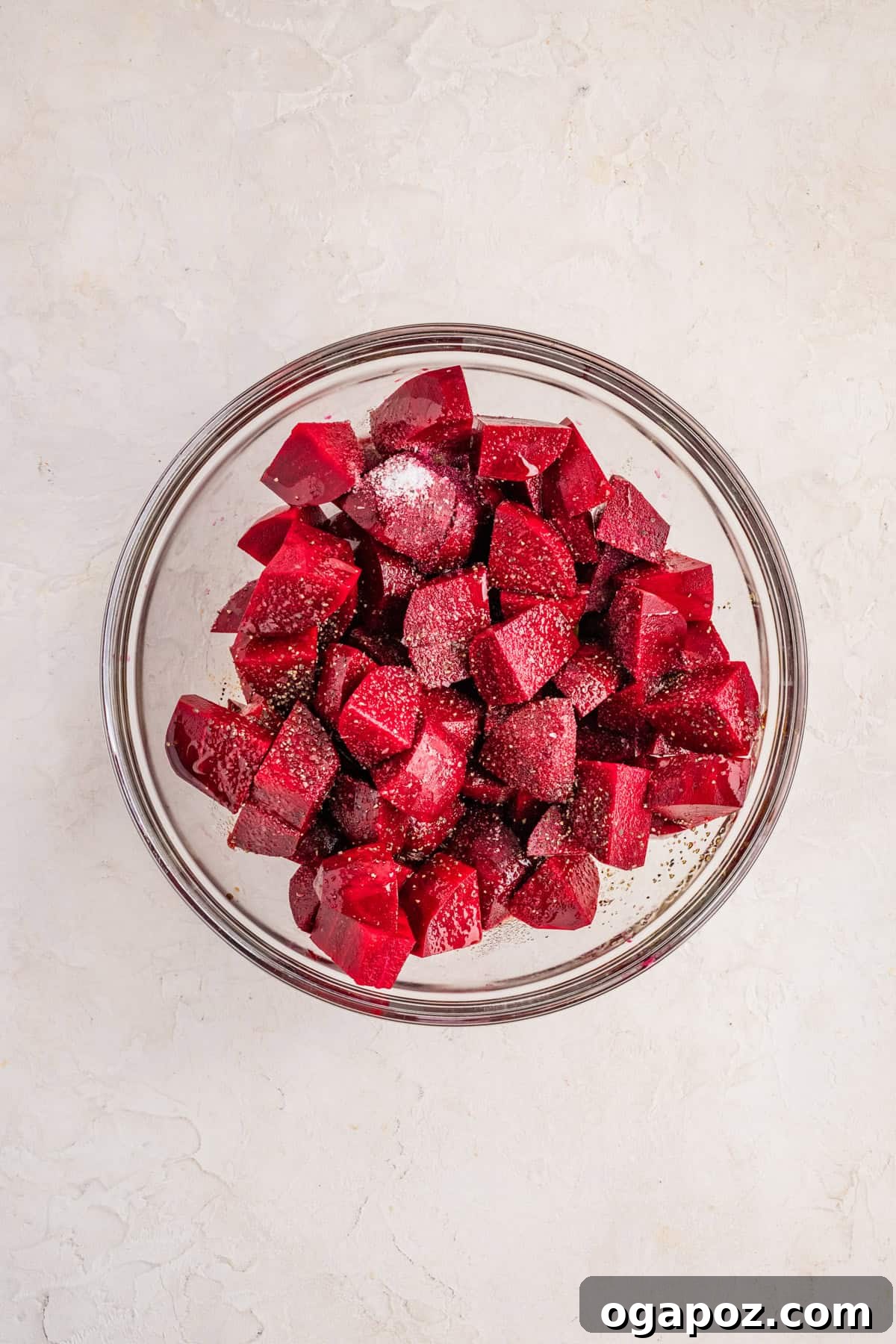
Step 2: Toss the beets. In a large bowl, combine peeled, cubed beets with olive oil, balsamic vinegar, salt, and pepper. Toss until every piece is glossy but not drenched.
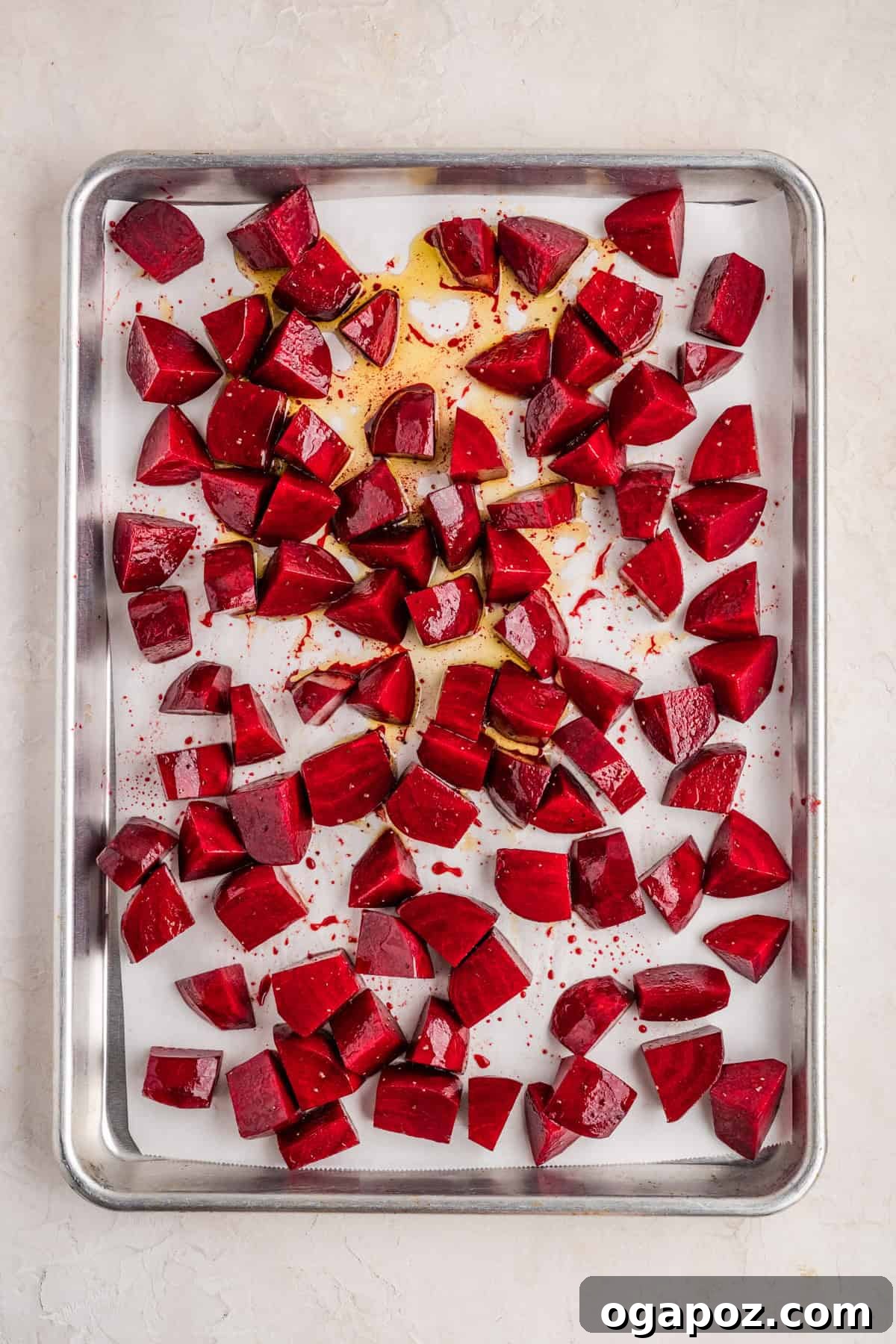
Step 3: Spread them out. Arrange the beets in a single layer on the prepared sheet, leaving space between pieces. Crowding causes steaming instead of roasting and reduces caramelization.
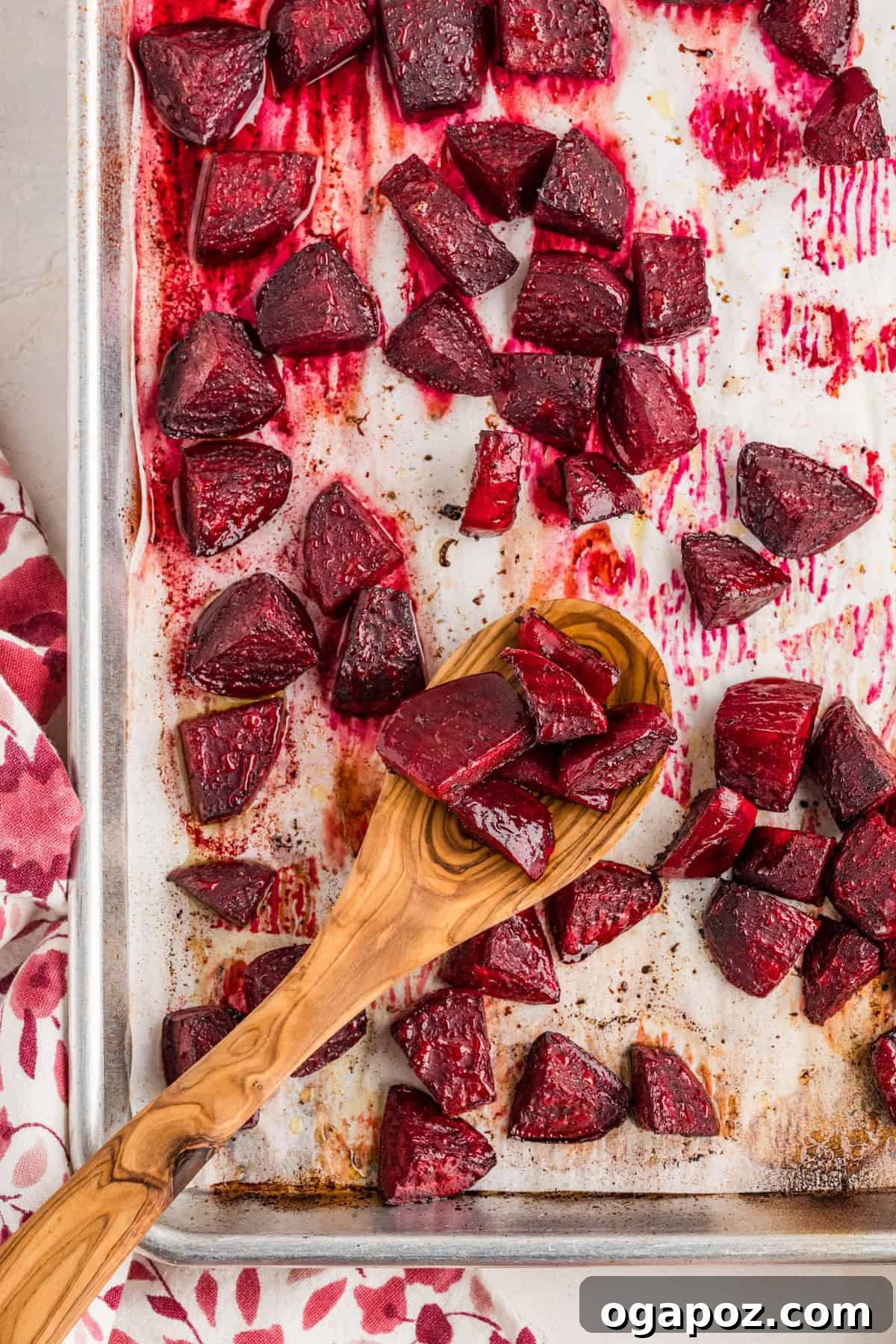
Step 4: Roast for about 30 minutes. Place the pan in the oven and roast undisturbed for roughly 30 minutes, or until a fork slides in easily and the edges are deeply caramelized. The balsamic should reduce into a glossy glaze on the pan.
If you like roasted vegetables, try Mediterranean roasted vegetables or turmeric roasted cauliflower for more inspiration.
How to Know When Roasted Beets Are Done
- A fork should slide into a beet cube without resistance. If it’s still firm, roast another five minutes and check again.
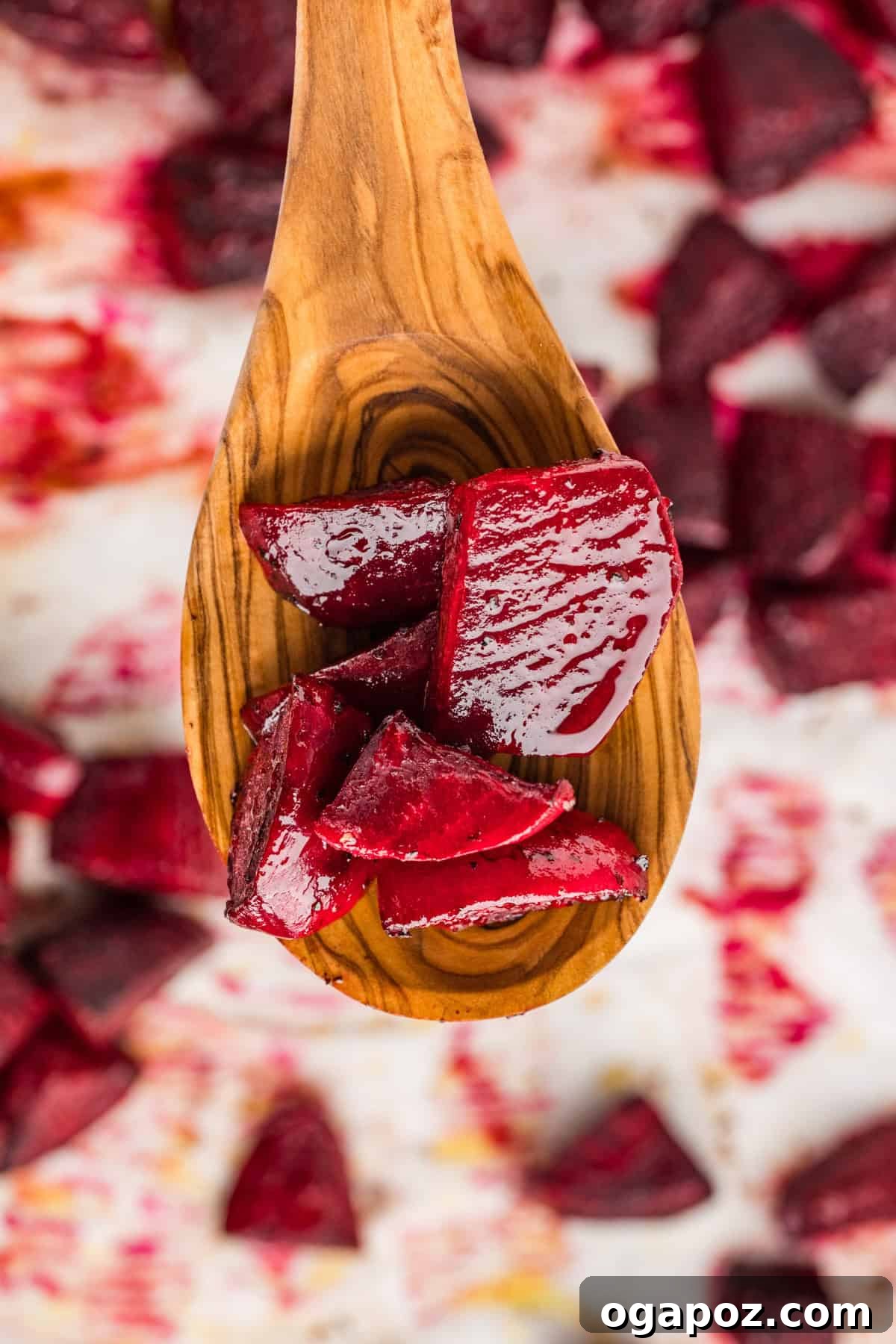
- Look for deep, jammy color at the edges and slightly crisped corners—the balsamic will give a dark, lacquered finish. Pale, wet-looking beets need more time or more space on the pan.
- Slightly overdone beets are still tasty; underdone beets can be chalky and unpleasant.
What to Serve with Roasted Beets
Roasted beets are versatile and pair well with many dishes. Here are common uses:
- As a side dish. Serve alongside grilled or roasted proteins for a complete meal.
- On a salad. They’re excellent on arugula with goat cheese, toasted nuts, and a bright lemon vinaigrette.
- With grains. Stir into farro, quinoa, or couscous for hearty bowls that keep well for meal prep.
- With hummus. Pile roasted beets over hummus with a drizzle of olive oil and a pinch of sumac for a simple, flavorful appetizer.
Storage and Make-Ahead Instructions
- Cool beets completely before storing. Transfer to an airtight container and refrigerate for up to five days—the flavor often improves after the first day.
- To reheat, spread on a baking sheet and warm at 375°F for about 10 minutes, or serve cold on salads straight from the fridge.
- Freezing: Freeze in a single layer first, then transfer to a freezer bag. They keep up to three months; texture softens slightly but they remain useful for bowls and salads.
- Make-ahead: Roast a full batch and store in the fridge for easy meals all week.
Recipe FAQ
You don’t have to peel them; the skin is edible if the roots are well scrubbed. For this method, peeling before cubing gives better caramelization and a more consistent texture.
Yes. Roasting cubed beets on a parchment-lined sheet pan produces better browning and is faster than roasting whole beets wrapped in foil, which traps steam and prevents caramelization.
They may be too crowded on the pan, which causes steaming, or your oven may not be fully preheated to 400°F. Give pieces space and ensure the oven is hot before roasting.
Absolutely. Golden beets have a milder flavor, roast in the same time, and won’t stain your hands or cutting board.
More Roasted Vegetable Recipes
Vegetarian
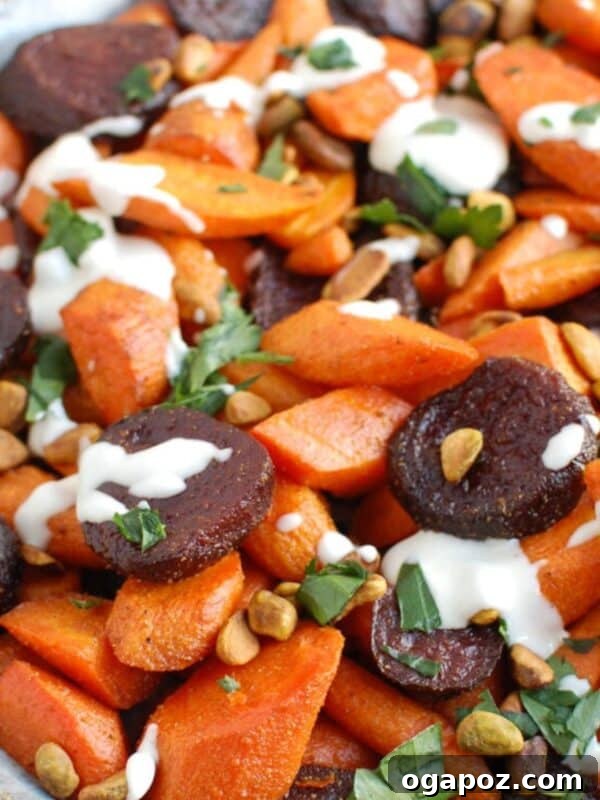
Roasted Carrots and Beets with Tahini

Vegetarian
Curry Roasted Cauliflower
Vegetarian
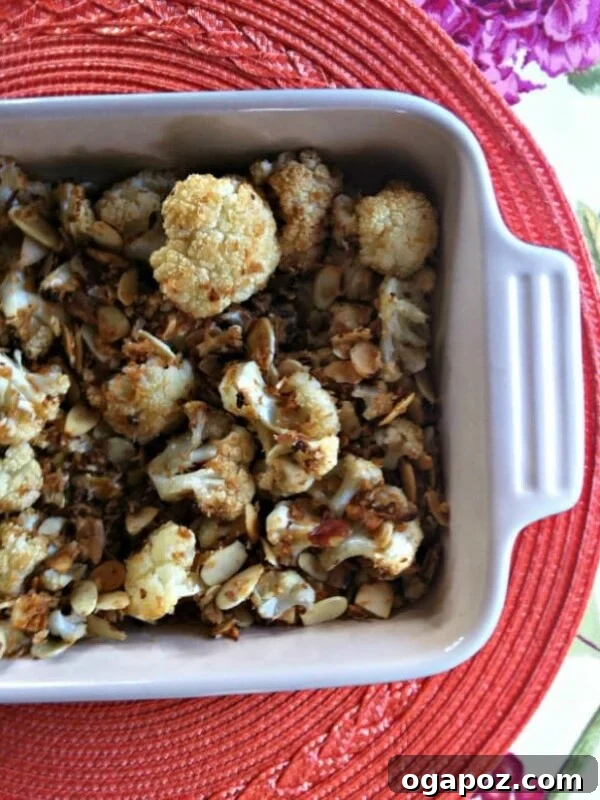
Roasted Cauliflower with Almonds and Panko Topping
Sides
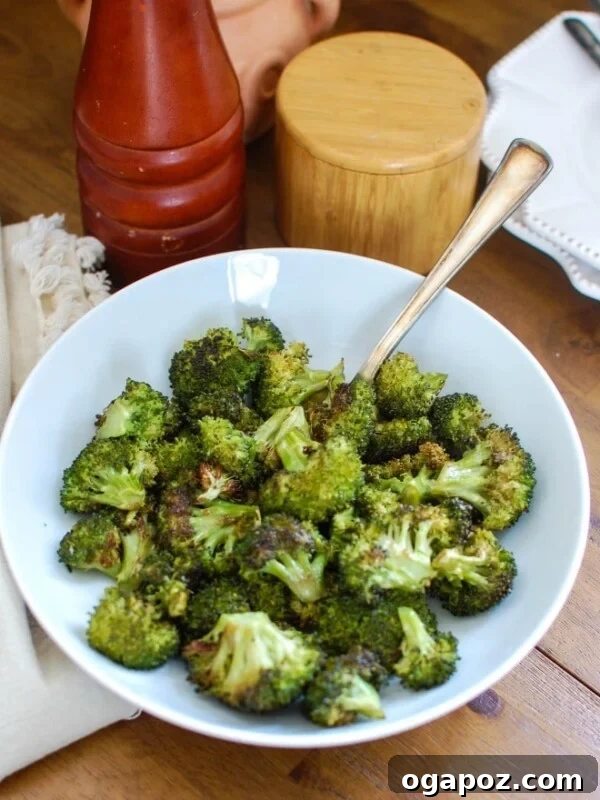
Roasted Broccoli
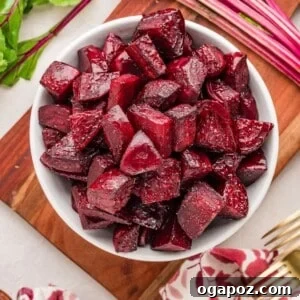
Oven Roasted Beets
Ingredients
- 5 to 6 whole beets, peeled and chopped into uniform 1-inch pieces
- 2 tablespoons olive oil
- 1 tablespoon balsamic vinegar
- 1 teaspoon kosher salt
- 1/8 teaspoon coarse ground pepper
Instructions
-
Preheat the oven to 400°F and line a rimmed baking sheet with parchment paper.
-
In a large bowl, toss the beet cubes with olive oil, balsamic vinegar, salt, and pepper until evenly coated.
-
Spread the beets on the baking sheet in a single layer so pieces aren’t touching. Roast about 30 minutes, or until fork-tender and caramelized at the edges.
Notes
- Cutting: Aim for evenly sized one-inch pieces so all cubes finish at the same time.
- Spacing: Give each piece room to brown; crowded pans produce steam instead of roast.
- Golden beets: They roast the same and are less messy; roast red and golden beets on separate pans to avoid color bleeding.
- Storage: Refrigerate leftovers in an airtight container for up to five days; flavor often improves after a day.
- Reheating: Warm on a baking sheet at 375°F for about 10 minutes to revive the edges, or enjoy cold on salads.
Nutrition
, Carbohydrates: 7g
, Protein: 1g
, Fat: 5g
Nutrition information is automatically calculated and should be used as an approximation.
Tried this recipe?Share your results and tag the source if you post it on social media.