
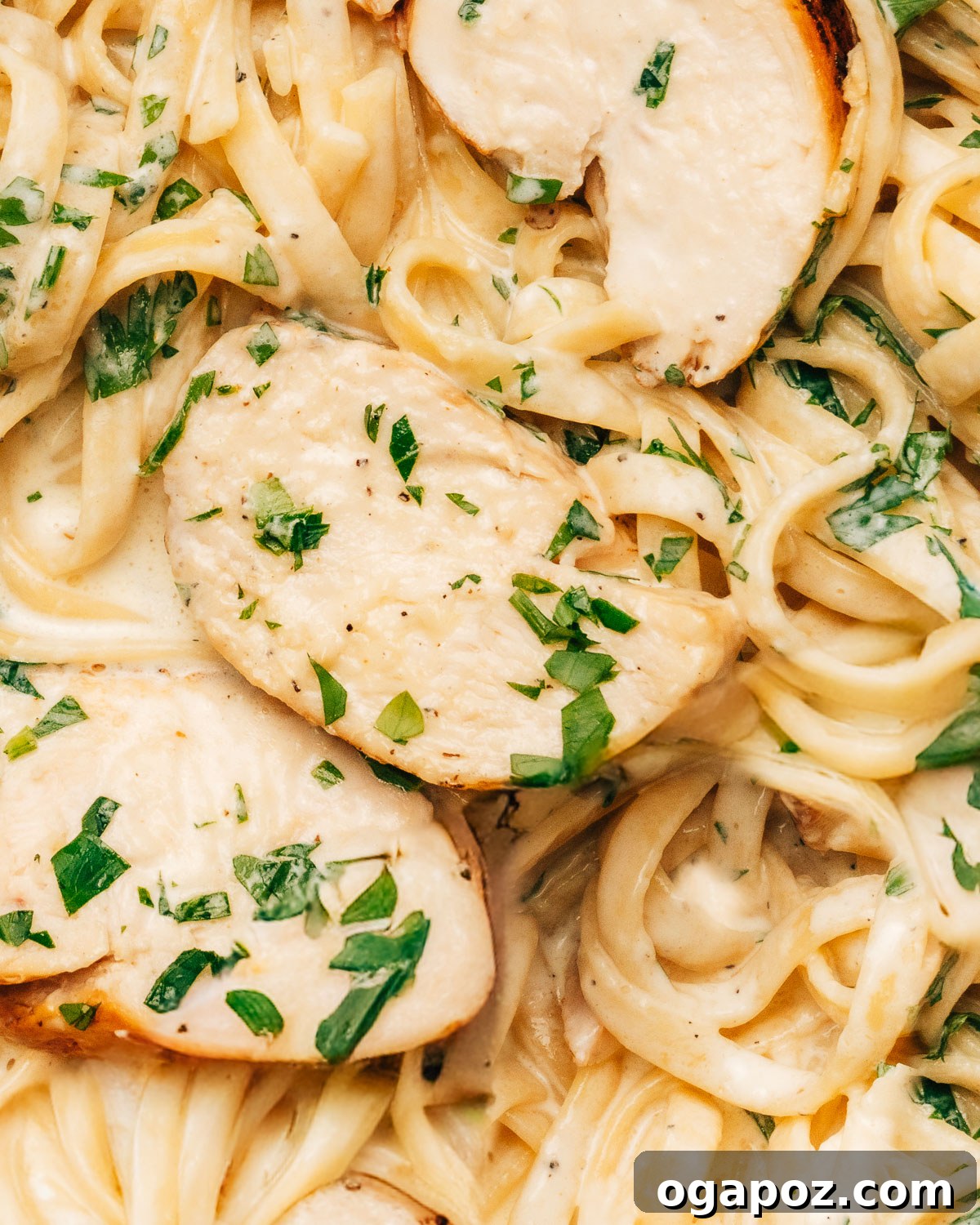
The Ultimate Homemade Chicken Alfredo Recipe (Foolproof & Ready in 30 Minutes!)
Prepare to elevate your weeknight meals with this truly easy and utterly delicious Homemade Chicken Alfredo recipe. Imagine succulent, perfectly seasoned chicken, swimming in a luxurious, silky smooth alfredo sauce, generously coating tender fettuccine noodles. This isn’t just another pasta dish; it’s a creamy, comforting masterpiece that comes together in under 30 minutes. Forget the jarred sauces and restaurant wait times – you’re about to create a dish so incredible, it’ll become a family favorite.
We’ve meticulously tested this recipe countless times to ensure it’s not only fast but consistently delivers restaurant-quality results right in your own kitchen. We’ll also reveal the 4 common mistakes to avoid, guaranteeing a flawlessly creamy and irresistible meal every single time.
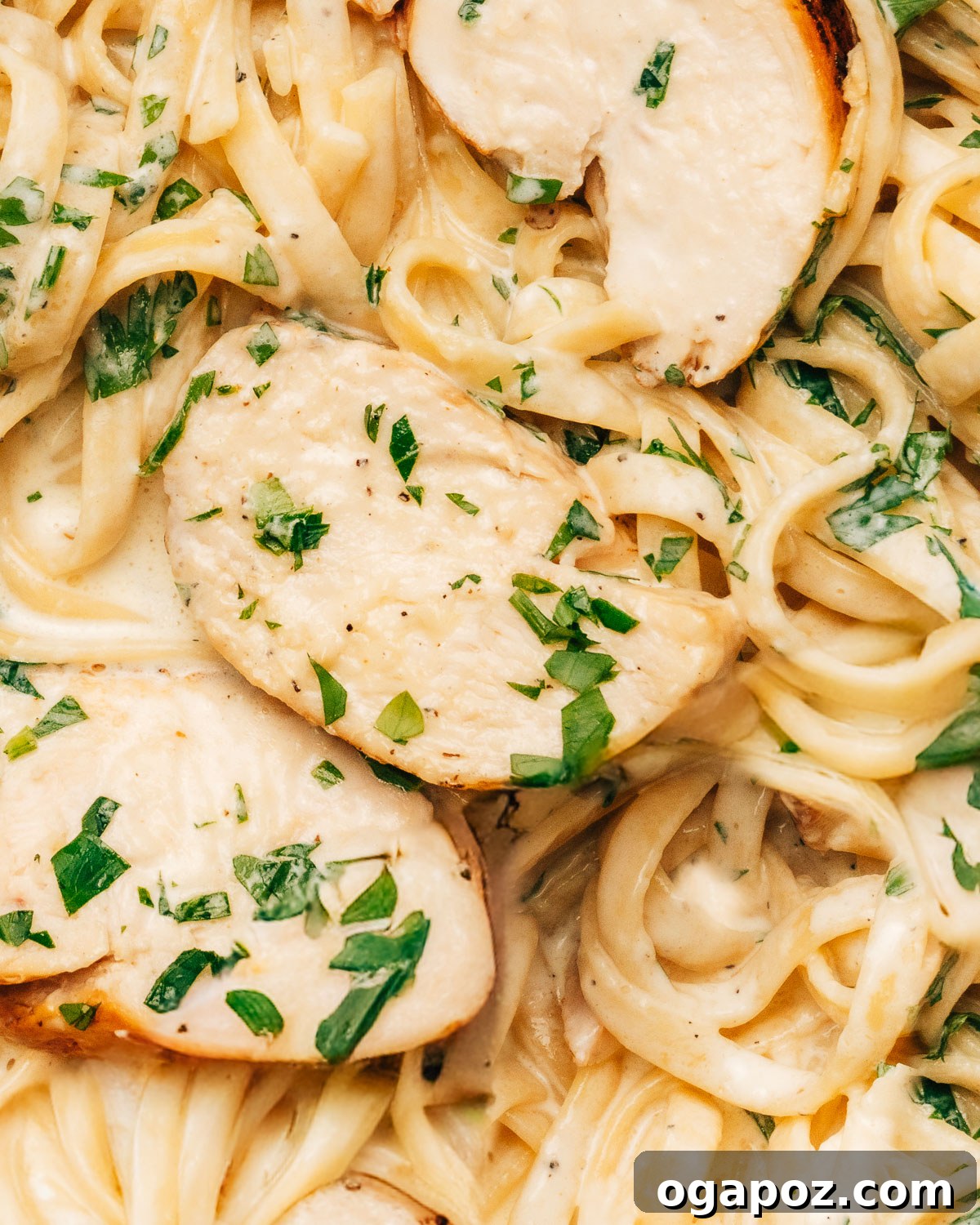
Essential Chicken Alfredo Ingredients for a Perfect Meal
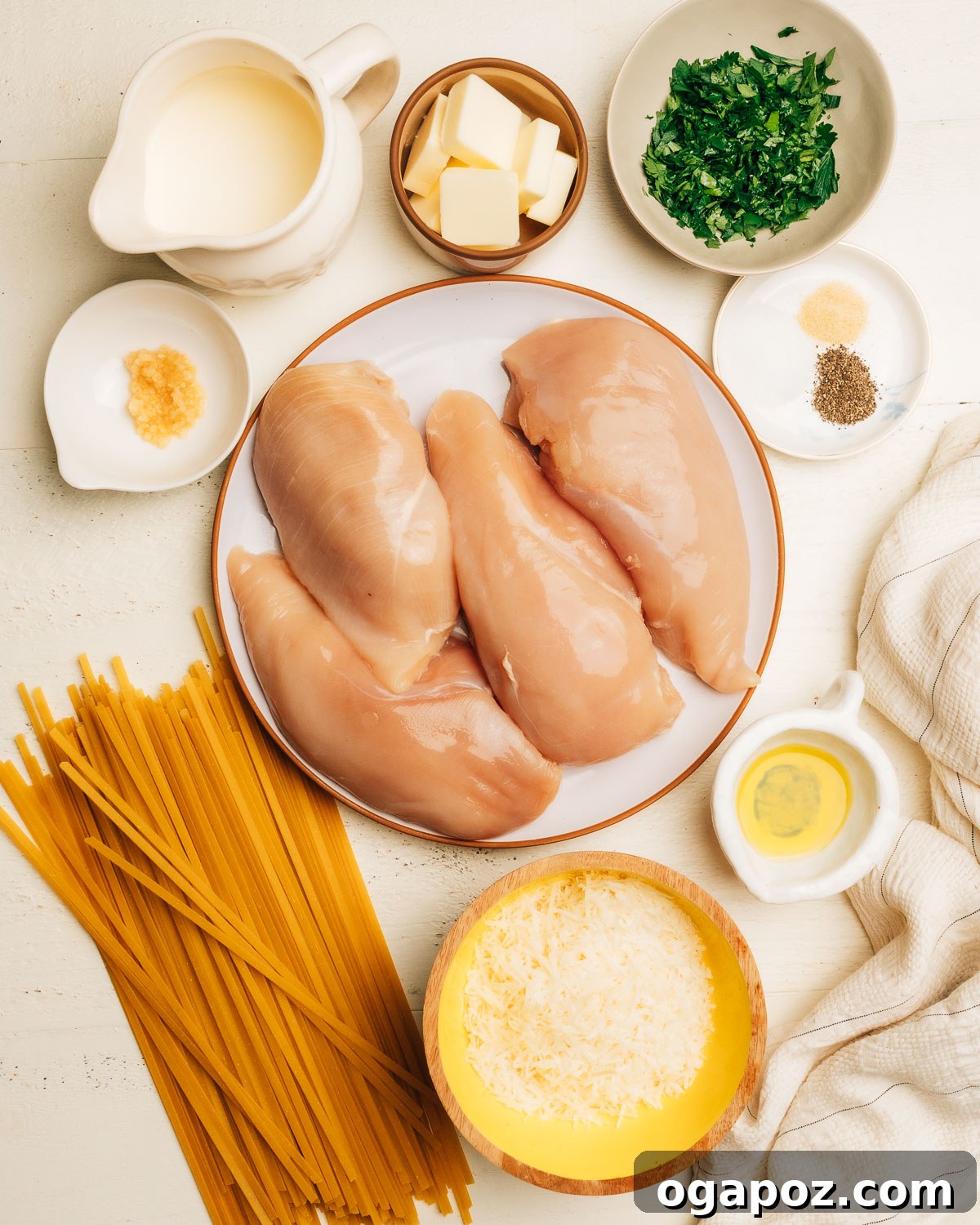
Achieving restaurant-quality chicken alfredo doesn’t require exotic items. This simple recipe relies on everyday ingredients, transforming them into something truly special. The secret lies in using fresh, high-quality components and avoiding shortcuts like pre-made jar sauces.
For the Perfectly Al Dente Pasta
- Fettuccine: This is the traditional and best choice for alfredo. Its wide, flat surface provides ample real estate for the rich, creamy sauce to cling to, ensuring every bite is coated in flavor.
- Salt: Crucial for the pasta water. Remember, this is your first and best opportunity to season the pasta itself, flavoring it from the inside out. Don’t be shy; the water should taste like the sea.
For the Juicy, Seared Chicken
- Boneless, Skinless Chicken Breasts: Our lean protein base. Pounding them to an even thickness ensures they cook uniformly and quickly, preventing dry spots and promoting tenderness.
- Olive Oil: Essential for searing the chicken to a beautiful golden-brown crust, locking in juices and adding depth of flavor.
- Kosher Salt and Freshly Ground Black Pepper: Fundamental seasonings that enhance the natural taste of the chicken, creating a savory foundation.
- Garlic Powder: Provides an aromatic depth and savory warmth to the chicken, complementing the fresh garlic in the sauce without overpowering it.
For the Luxurious, Silky Alfredo Sauce
- Unsalted Butter: The cornerstone of any authentic alfredo sauce. Its richness forms the decadent base, contributing to the sauce’s signature velvety texture and flavor.
- Minced Fresh Garlic: A flavor powerhouse! Freshly minced garlic is non-negotiable for that irresistible aromatic kick. Avoid garlic powder here for the best results.
- Heavy Cream: Also known as heavy whipping cream. This is the magic ingredient that creates the ultra-luxurious, unbelievably silky, and perfectly rich texture that defines classic alfredo.
- Kosher Salt and Freshly Ground Black Pepper: Essential for seasoning the sauce. Taste as you go and adjust to achieve perfect balance.
- Freshly-Grated Parmesan Cheese: This is perhaps the *most crucial* ingredient for a truly smooth sauce. Use real Parmigiano Reggiano cheese, grating it yourself from a block. Pre-shredded varieties contain anti-caking agents (like cellulose) that can lead to a grainy, clumpy sauce, which is a major no-no for alfredo perfection.
- Fresh Chives or Parsley: For garnish. These fresh herbs add a vibrant pop of color and a touch of brightness that cuts through the richness, elevating the presentation and flavor profile.
You’ll find the precise quantities for each ingredient conveniently listed in the comprehensive recipe card located at the conclusion of this article.
Delicious Variations and Smart Substitutions for Your Chicken Alfredo
One of the beauties of chicken alfredo is its adaptability. Feel free to get creative and customize this recipe to suit your taste or what you have on hand. Here are some easy ways to switch things up without sacrificing flavor:
- Explore Different Pasta Shapes: While fettuccine is traditional, this creamy sauce pairs beautifully with various pasta types. Try penne for a hearty, scoopable option, linguine for a slightly thinner noodle, or even spaghetti. Larger shapes like pappardelle also work wonderfully.
- Opt for Juicier Chicken Thighs: For those who prefer a richer, more forgiving protein, boneless, skinless chicken thighs are an excellent substitute. They tend to stay incredibly juicy and are less prone to drying out than breasts, making them a fantastic choice for a robust flavor.
- Boost with Vegetables: Incorporate extra nutrition and color by stirring in your favorite sautéed vegetables. Excellent choices include tender-crisp broccoli florets, wilted spinach, earthy mushrooms, sweet sun-dried tomatoes (chopped), or vibrant frozen peas (added at the very end).
- Make it a Seafood Sensation: Transform this into an exquisite Shrimp Alfredo Pasta by swapping the chicken for perfectly seared shrimp. Cook the shrimp separately until pink and opaque, then gently fold them into the finished pasta. For more seafood inspiration, don’t miss my decadent seafood pasta with garlic cream sauce!
- Create a Lighter Sauce Option: If you’re looking to reduce the richness slightly, use half-and-half instead of heavy cream. The sauce will naturally be thinner but will still retain a delightful creamy texture and wonderful flavor. You can also add a touch of cream cheese to add thickness without the extra fat of heavy cream.
- Spice it up with Cajun Chicken Alfredo: For a vibrant kick, season your chicken with a generous amount of Cajun spices before searing. This adds a fantastic depth of flavor and a touch of heat that elevates the classic alfredo profile.
Do you love creamy pasta dishes as much as we do? Then you absolutely must try my crockpot chicken alfredo for an incredibly convenient, hands-off version, perfect for busy days. And when you’re truly short on time but craving that comforting flavor, my easy alfredo sauce with penne pasta recipe will be your new go-to!
Essential Kitchen Tools for Effortless Chicken Alfredo
Good news! You likely already possess all the necessary tools in your kitchen to whip up this fantastic chicken alfredo. No specialized equipment is required, just a few everyday essentials that make the cooking process smooth and enjoyable.
- Large Pot: Indispensable for boiling the fettuccine in generously salted water. A spacious pot ensures the pasta cooks evenly and prevents sticking.
- Large Skillet: Perfect for searing the chicken breasts to golden perfection. A heavy-bottomed skillet, such as cast iron, works exceptionally well for achieving that desirable crust.
- Large Saucepan: Your go-to for crafting the silky alfredo sauce. Its size allows for easy whisking and simmering, ensuring a smooth consistency.
- Whisk: An absolute must-have for smoothly incorporating the heavy cream and Parmesan cheese into your alfredo sauce, preventing lumps and creating that luxurious texture.
- Instant-Read Thermometer: A non-negotiable tool for culinary safety and preventing overcooked, dry chicken. Use it to quickly confirm the chicken reaches a safe internal temperature of 165°F (74°C).
- Tongs: Incredibly useful for flipping the chicken evenly during searing and for effortlessly tossing the cooked pasta with the rich alfredo sauce.
How to Make Chicken Alfredo: A Step-by-Step Easy Guide for Success
Don’t be intimidated by homemade alfredo! Making this restaurant-favorite chicken alfredo is surprisingly straightforward. By following these simple steps, you’ll achieve a perfect dish every time. We’ll guide you through each stage, from searing the chicken to creating the velvety sauce, ensuring a delicious and satisfying experience.

Step 1: Perfectly Cook the Chicken
Begin by patting your chicken breasts thoroughly dry with paper towels. This crucial step removes surface moisture, which is the key to achieving a beautiful, golden-brown sear. Season both sides generously with kosher salt, freshly ground black pepper, and garlic powder. Heat the olive oil in a large skillet (a cast iron skillet is excellent here) over medium-high heat until it shimmers. Add the seasoned chicken breasts to the hot oil. Sear for 5 to 6 minutes per side, resisting the urge to move them around too much. This allows a delicious golden-brown crust to form. Use an instant-read thermometer to check that the internal temperature reaches a safe 165°F (74°C). Once cooked, transfer the chicken to a plate and let it rest for at least 5-10 minutes. Resting is essential for juicy chicken, allowing the juices to redistribute throughout the meat.
Step 2: Cook the Fettuccine to Al Dente
While your chicken rests, bring a large pot of generously salted water to a rolling boil. Remember, the pasta water should taste like the sea; this is how the pasta itself gets seasoned. Add the fettuccine noodles and cook them until perfectly al dente, following the package directions. Al dente pasta should be firm to the bite, not mushy. Before draining the pasta, make sure to reserve about half a cup of the starchy pasta water. This liquid gold is incredibly useful for thinning the alfredo sauce to your desired consistency and helping it cling beautifully to the noodles.
Step 3: Craft the Velvety Alfredo Sauce
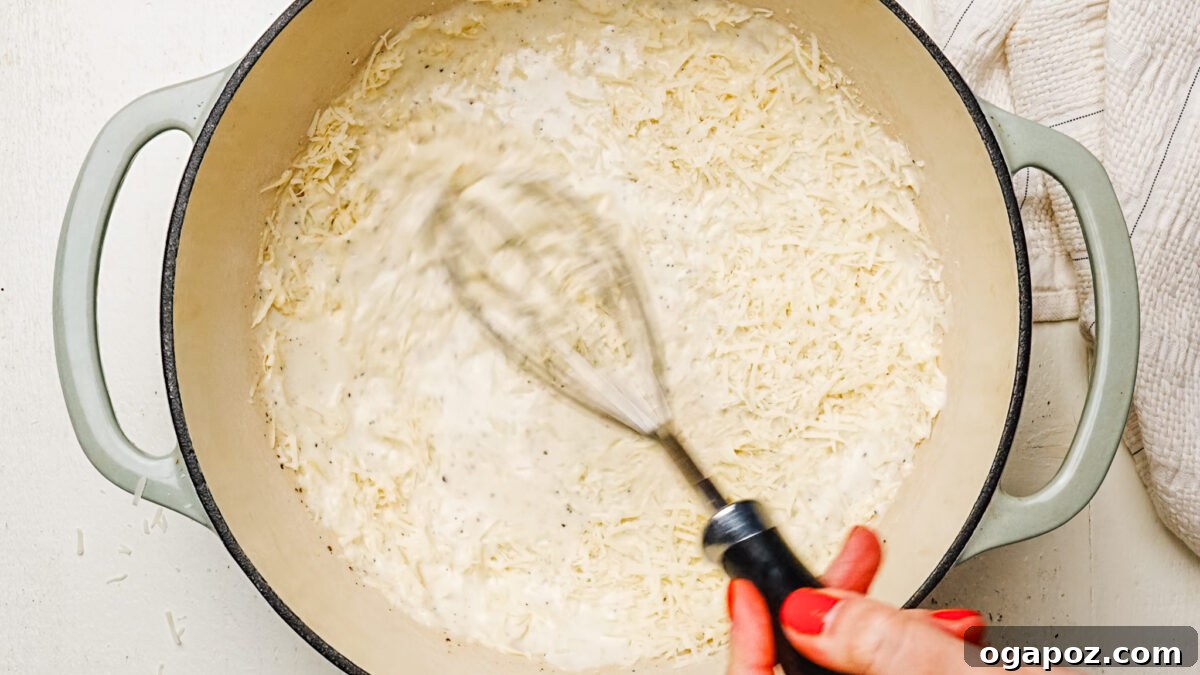
As the pasta cooks, melt the butter in a large saucepan over medium heat. Add the minced fresh garlic and sauté for about 1 minute, just until it becomes fragrant. Be careful not to let the garlic brown, as burnt garlic can taste bitter. Whisk in the heavy cream, along with kosher salt and black pepper. Bring the mixture to a gentle simmer and let it cook for 2 to 3 minutes, stirring occasionally, until it slightly thickens. Here’s a critical step for a silky sauce: remove the pan completely off the heat before adding the freshly-grated Parmesan cheese. Whisk the cheese vigorously until it’s completely melted and the sauce is smooth. Adding cheese off the heat prevents it from clumping and becoming grainy. If your sauce appears too thick, gradually thin it with a splash of the reserved pasta water until it reaches your preferred consistency.
Step 4: Combine and Serve Your Masterpiece
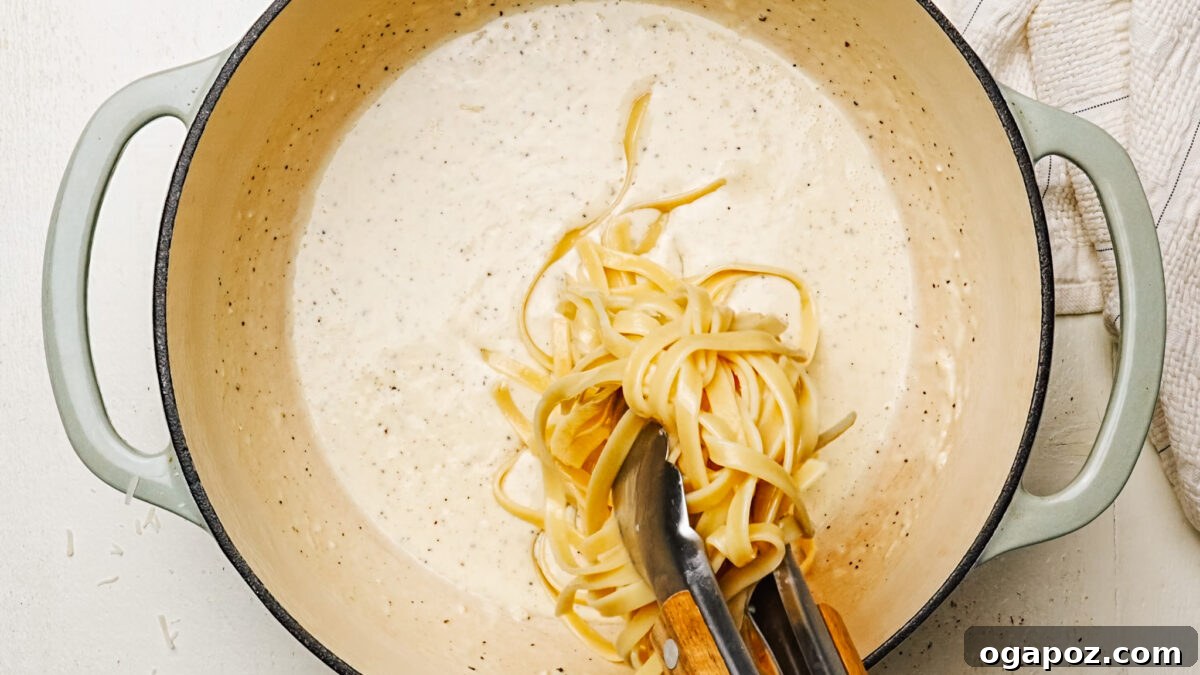
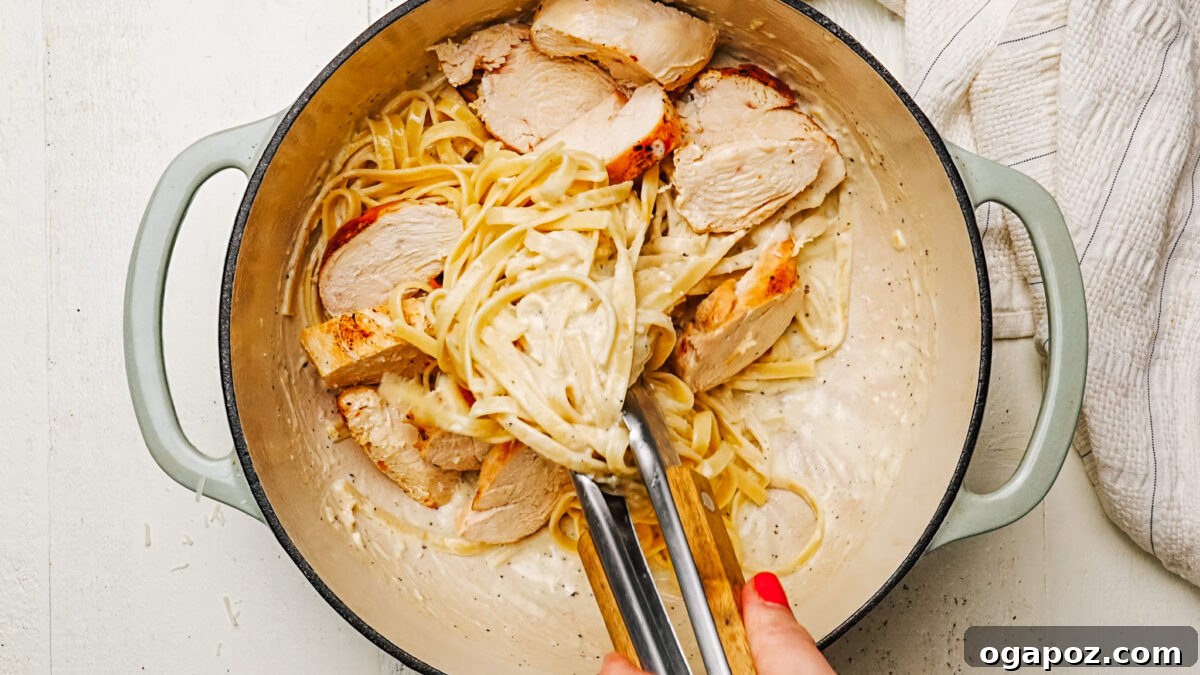
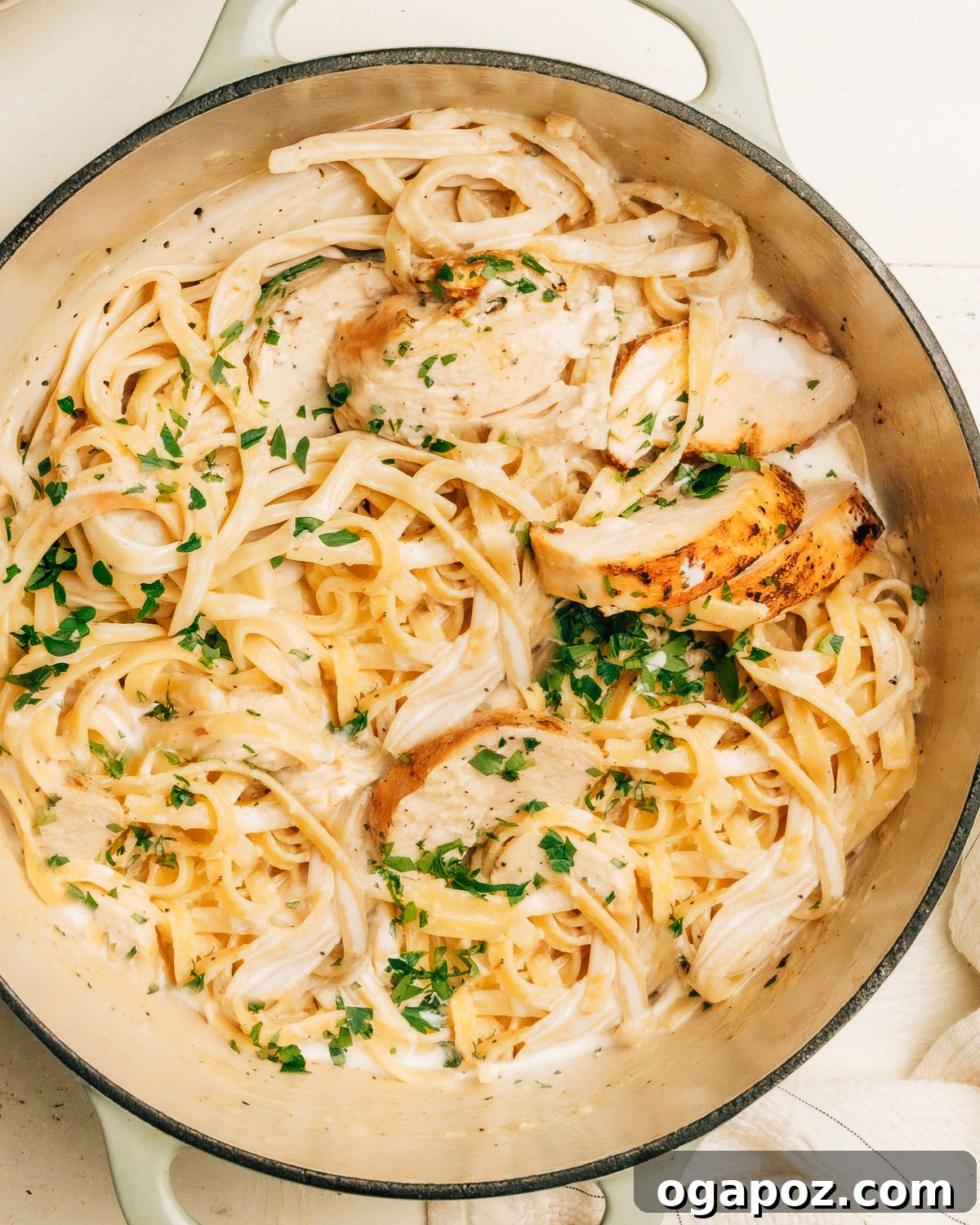
Slice the rested chicken breasts into crosswise strips. Add the drained fettuccine directly into the saucepan with the alfredo sauce and toss gently to ensure every strand is beautifully coated. Incorporate the sliced chicken and toss again to warm it through. If you prefer a saucier dish, add the reserved pasta cooking water, about 1/4 cup at a time, until you reach your desired consistency. Taste the finished dish and adjust any seasoning (salt and pepper) if needed. Serve your creamy chicken alfredo immediately, garnished with a generous sprinkle of freshly minced chives or parsley for a bright finish.
4 Common Mistakes to Avoid for Perfect Chicken Alfredo (From a Food Scientist!)
As a food scientist, I’ve seen and made my fair share of culinary errors. When it comes to chicken alfredo, a few common slip-ups can easily derail an otherwise perfect dish. Understanding these pitfalls will ensure your alfredo is always creamy, never grainy, and irresistibly delicious:
- Using Pre-Shredded Parmesan Cheese: This is perhaps the most frequent and impactful mistake. Pre-shredded cheeses often contain anti-caking agents like cellulose or potato starch. While harmless, these agents prevent the cheese from melting smoothly, resulting in a sauce that is grainy, clumpy, and lacks the desired velvety texture. For truly luxurious alfredo, always, always use freshly-grated Parmesan (Parmigiano Reggiano) from a block. It’s a non-negotiable step for a perfectly smooth, creamy sauce.
- Overheating the Cheese (Adding to Boiling Cream): Adding Parmesan cheese directly to vigorously boiling hot cream is a recipe for disaster. The intense heat causes the milk proteins in the cheese to seize up almost instantly, leading to a separated, oily, and grainy mess. The simple solution? Always take your saucepan off the heat before you begin to whisk in the cheese. The residual heat will be sufficient to melt the Parmesan gently and evenly, creating a beautifully emulsified and smooth sauce.
- Overcooking the Chicken Breasts: Dry, rubbery chicken can ruin an otherwise fantastic pasta dish. Chicken breasts, being lean, cook quickly and are prone to drying out if left on the heat too long. The best way to ensure juicy, tender chicken is to use an instant-read thermometer and remove the chicken from the heat as soon as it reaches 165°F (74°C). Equally important is allowing the chicken to rest for at least 5-10 minutes after cooking. If you cut into it too soon, all those precious juices will run out onto your cutting board instead of redistributing back into the meat, leaving it dry and less flavorful.
- Letting the Sauce Sit Too Long Before Combining with Pasta: Alfredo sauce, rich in butter and cream, will naturally thicken as it cools. If you let the sauce sit for an extended period before adding the hot pasta, it can become too thick, heavy, and less pliable, making it difficult to coat the noodles evenly. For the creamiest, most cohesive results, aim to toss the hot pasta with the sauce immediately after the sauce is made. Serve right away to enjoy its optimal texture. If you do find your sauce has thickened too much, a splash of reserved pasta water or a little extra cream during reheating can easily bring it back to life.
Make Ahead and Storage Tips for Your Chicken Alfredo
While chicken alfredo is undeniably at its peak when served fresh, it’s totally possible to enjoy leftovers or plan components ahead with the right approach. Understanding how to store and reheat properly will ensure you still get a delicious experience.
Storing Leftovers Safely
- Refrigerate Promptly: Any leftover chicken alfredo should be transferred to an airtight container and refrigerated within two hours of cooking. It will keep well for up to 3 days.
- Keep Components Combined: For the best results, store the chicken, pasta, and sauce all together in the same container. Separating them can lead to the pasta and chicken drying out faster and the sauce solidifying awkwardly.
- Expect Thickening: Don’t be alarmed if your sauce appears much thicker and less fluid after chilling in the fridge. This is entirely normal due to the high fat content of the cream and butter. It will loosen up beautifully during reheating.
Freezing Chicken Alfredo (With Caution!)
- Generally Not Recommended: Cream-based sauces like alfredo are notoriously tricky to freeze. The fats and liquids can separate during the freezing and thawing process, resulting in a grainy, broken, or oily texture that won’t have the original luxurious consistency.
- If You Must Freeze (A Better Approach): If you really want to prepare ahead, it’s best to cook and freeze the chicken separately. When you’re ready to eat, thaw the chicken, and then prepare a fresh batch of alfredo sauce and pasta. This ensures the best possible texture and flavor for the sauce.
Reheating Chicken Alfredo for Best Results
- Stovetop Method (Recommended): This is generally the best way to reheat alfredo. Place leftovers in a saucepan over low to medium-low heat. Add a splash (1-2 tablespoons) of heavy cream, milk, or even chicken broth to help loosen the thickened sauce. Stir frequently and gently until warmed through. The key is low and slow heat.
- Microwave Method (Use with Care): If using a microwave, heat in 1-minute intervals, stirring well between each interval. Add a little milk or cream as needed to restore moisture and creaminess, preventing it from drying out or becoming rubbery.
- Avoid Overheating: Regardless of the method, avoid high heat or rapid boiling. This can cause the delicate emulsion of the sauce to break, leading to an oily, separated mess. Gentle, slow reheating is the secret to bringing it back to its creamy glory.
How to Serve This Irresistible Chicken Alfredo Recipe
This creamy chicken alfredo is incredibly rich and satisfying on its own, making it a complete meal in one dish. However, a few thoughtfully chosen sides and garnishes can perfectly complement its flavors and textures, completing your dining experience.
Delicious Chicken Alfredo Toppings and Garnishes
- Extra Freshly-Grated Parmesan Cheese: A sprinkle of additional Parmesan cheese right before serving adds another layer of nutty, salty goodness and a beautiful finish.
- Minced Fresh Parsley or Chives: These fresh herbs offer a vibrant splash of color and a subtle herbaceous note that brightens the rich dish. Parsley adds a clean, slightly peppery flavor, while chives provide a delicate oniony zest.
- A Crack of Fresh Black Pepper: Freshly ground black pepper adds a pungent warmth and aroma that beautifully complements the creamy sauce.
- Red Pepper Flakes for a Hint of Heat: For those who enjoy a little kick, a pinch of red pepper flakes sprinkled over the top introduces a pleasant warmth and contrast to the richness.
- A Drizzle of Good Quality Olive Oil: A finishing drizzle of extra virgin olive oil can add a subtle fruity note and a lovely sheen to the dish, enhancing its overall appeal.
Perfect Side Dishes to Pair with Chicken Alfredo
- I absolutely love making chicken alfredo at home and serving it alongside my crispy, savory Cheesy Garlic Bread. It’s perfect for scooping up every last bit of that luscious sauce!
- A fresh and vibrant Kale Caesar Salad offers a wonderful crunchy contrast and tangy counterpoint to the creamy pasta, balancing the meal beautifully.
- Steamed or Roasted Vegetables: Lightly steamed broccoli, tender roasted asparagus, or vibrant green beans are excellent choices. Their freshness and slight bitterness cut through the richness of the alfredo.
- A simple green salad with a light vinaigrette, such as my refreshing Homemade Italian Dressing, provides a refreshing palate cleanser.
- Roasted Cherry Tomatoes: Roasting cherry tomatoes concentrates their sweetness and acidity, creating a burst of flavor and a beautiful pop of color that brightens the dish.
For even more inspiring ideas, be sure to check out my comprehensive guide to good sides for pasta.
Final Notes, Pro Tips, and Science-Based Secrets for Perfect Alfredo
To ensure your chicken alfredo reaches its full potential, here are my ultimate tips and a few science-backed secrets that will transform your cooking from good to absolutely outstanding:
- Always Grate Your Own Parmesan: This cannot be stressed enough. Pre-shredded cheese contains cellulose, an anti-caking agent that prevents smooth melting. Grating your own from a block of Parmigiano Reggiano guarantees a luxuriously smooth, silky sauce every single time. It’s the most impactful tip for alfredo success!
- Remove Sauce from Heat Before Adding Cheese: This is a fundamental principle of sauce-making. High heat causes the proteins in cheese to seize and clump, leading to a grainy or separated sauce. By removing the pan from the heat, the residual warmth gently melts the cheese, allowing it to emulsify beautifully into the cream for a perfectly silky texture.
- Pat the Chicken Completely Dry: Moisture on the surface of your chicken is the enemy of a good sear. Excess moisture creates steam, which prevents the Maillard reaction (the browning that develops rich flavors). Dry chicken browns faster and more evenly, developing that delicious golden crust and locking in juices.
- Give the Chicken Time to Rest: After cooking, letting the chicken rest is crucial for tenderness and juiciness. During cooking, muscle fibers contract and push juices to the center. Resting allows these fibers to relax and the juices to redistribute throughout the meat. Cutting too soon will result in dry chicken as the juices escape.
- Generously Salt Your Pasta Water: The saying “it should taste like the sea” is true for a reason. Salting your pasta water adequately is the only way to season the pasta itself from the inside out. This makes a profound difference in the overall flavor of your finished dish, preventing bland noodles.
- Work Quickly and Serve Immediately at the End: Alfredo sauce, being a rich emulsion, will thicken rapidly as it cools. For the best, most creamy consistency and to ensure the sauce adheres perfectly to the pasta, toss everything together while still piping hot and serve without delay.
Frequently Asked Questions About Chicken Alfredo
Just skimming through? Here are some quick and comprehensive answers to the most commonly asked questions about making and enjoying chicken alfredo.
What is the best pasta for chicken alfredo?
The quintessential pasta for chicken alfredo is fettuccine. Its wide, flat surface area is perfectly designed to capture and hold onto the rich, creamy sauce, ensuring an even coating in every bite. However, other pasta shapes like linguine, penne, or even broad pappardelle noodles also work exceptionally well with this versatile sauce.
Can I make chicken alfredo with milk instead of heavy cream?
Yes, you can absolutely make chicken alfredo with milk, but expect the sauce to be thinner and less intensely rich than one made with heavy cream. For the best results when using milk, opt for whole milk for maximum creaminess. You might also consider adding a tablespoon of all-purpose flour (whisked into the melted butter before adding milk) to help slightly thicken the sauce. Half-and-half offers a good middle ground, providing more richness than milk but less than heavy cream.
How do I keep alfredo sauce from getting grainy?
Preventing a grainy alfredo sauce is all about two key techniques. First, always remove your pan from the heat *before* you whisk in the Parmesan cheese. High heat can cause the cheese proteins to seize and clump. Second, and equally important, consistently use freshly-grated Parmesan cheese from a block. Pre-shredded varieties contain anti-caking agents that interfere with smooth melting, leading to a grainy texture.
Can I use chicken thighs instead of breasts for chicken alfredo?
Absolutely! Boneless, skinless chicken thighs are a fantastic alternative to breasts in this recipe. They tend to be more forgiving during cooking and retain more moisture, resulting in a juicier and often more flavorful chicken. Cook them using the same method outlined in the recipe, searing until golden brown and ensuring they reach an internal temperature of 165°F (74°C).
How do I reheat chicken alfredo without it drying out or separating?
To successfully reheat chicken alfredo, warm it gently over low heat on the stovetop. The key is to add a splash (1-2 tablespoons) of heavy cream or milk as it reheats, stirring frequently. This helps to loosen the sauce, which naturally thickens when refrigerated, and prevents it from drying out or breaking. Avoid high heat, as this can cause the sauce to separate or become oily.
What vegetables go well with chicken alfredo?
Many vegetables complement chicken alfredo beautifully. Popular additions include steamed or sautéed broccoli florets, fresh spinach (wilted into the sauce at the end), sliced mushrooms, sweet sun-dried tomatoes, or vibrant green peas. For best results, cook vegetables separately to maintain their texture and then gently stir them into the finished pasta dish.
How long does chicken alfredo last in the fridge?
Leftover chicken alfredo, when stored properly in an airtight container, will last safely in the refrigerator for up to 3 days. Remember that the sauce will thicken considerably as it chills, so be prepared to add a splash of cream or milk when reheating to restore its creamy consistency.
Can I make alfredo sauce ahead of time?
Yes, you can prepare the alfredo sauce up to 2 days in advance and store it in an airtight container in the refrigerator. When ready to use, reheat it gently over low heat on the stovetop, whisking constantly. You will likely need to add a splash of cream or milk to thin it out as it will have thickened considerably. While fresh sauce is always optimal, this method works well in a pinch for meal prep.
Other Irresistible Creamy Pasta Recipes You’ll Love
If you’re a fan of rich, comforting pasta dishes, you’ll definitely want to explore these other fantastic recipes from my kitchen:
- Easy Alfredo Sauce with Penne Pasta: A quick and simple recipe for when you crave alfredo without the fuss.
- Crockpot Chicken Alfredo: Enjoy a hands-off approach to creamy chicken pasta perfection.
- Asiago Tortelloni Alfredo with Grilled Chicken: An elevated take on alfredo featuring delicious tortelloni and grilled chicken.
- Creamy Tuscan Chicken: A one-pan wonder bursting with sun-dried tomatoes, spinach, and a creamy sauce.
- Seafood Pasta with Garlic Cream Sauce: Indulge in a luxurious seafood pasta dish that’s surprisingly easy to make.
- Butternut Squash Pasta Sauce: A delightful, seasonal twist on creamy pasta that’s both comforting and flavorful.
- Cheese Sauce for Mac and Cheese: The ultimate guide to making the creamiest, dreamiest cheese sauce for your mac and cheese.
Perfect Chicken Alfredo (Foolproof Recipe!)
Jennifer Pallian BSc, RD
10 minutes
20 minutes
30 minutes
4
Ingredients
For the Chicken
- 4 boneless, skinless chicken breasts
- 2 tbsp olive oil
- 1 tsp kosher salt
- ¼ tsp freshly ground black pepper
- ¼ tsp garlic powder
For the Pasta
- 12 oz fettuccine
- Salt, for pasta water (should taste like the sea)
For the Alfredo Sauce
- 6 tbsp unsalted butter
- 2 tsp minced fresh garlic (from 2 large cloves)
- 1 cup heavy cream
- ½ tsp kosher salt
- ¼ tsp black pepper
- 1 cup freshly-grated Parmesan cheese (Parmigiano Reggiano)
- Minced chives or parsley to serve (for garnish)
Instructions
Sear the Chicken
-
Pat chicken breasts thoroughly dry and season both sides generously with salt, pepper, and garlic powder. Heat olive oil in a large skillet over medium-high heat until shimmering.
-
Add chicken to the hot skillet and sear for 5 to 6 minutes per side, without moving, until beautifully golden brown and cooked through (internal temperature reaches 165°F / 74°C).
-
Transfer the cooked chicken to a plate and let it rest while you prepare the pasta and sauce. This resting period is crucial for juicy results.
Boil the Pasta
-
Bring a large pot of generously salted water to a rolling boil. Add the fettuccine noodles and cook until al dente, according to package directions.
-
Before draining, reserve about ½ cup of the starchy pasta water. This will be used to adjust the sauce consistency. Drain the remaining pasta and set aside.
Make the Alfredo Sauce
-
While the pasta cooks, melt butter in a large saucepan over medium heat. Add minced garlic and sauté for 1 minute until fragrant, being careful not to let it brown.
-
Whisk in the heavy cream, kosher salt, and black pepper. Bring to a gentle simmer and let it cook for 2 to 3 minutes, stirring, until slightly thickened.
-
Crucially, remove the pan from the heat. Whisk in the freshly-grated Parmesan cheese until it is completely melted and the sauce is smooth and velvety.
-
If the sauce appears too thick, thin it gradually with about ¼ cup of reserved pasta water to start. You can add up to the full ½ cup if needed to reach your desired consistency.
Combine and Serve Chicken Alfredo
-
Slice the rested chicken into crosswise strips. Add the drained fettuccine and the sliced chicken to the saucepan with the alfredo sauce.
-
Toss everything together gently to ensure the pasta and chicken are thoroughly coated and warmed through. Taste and adjust seasoning with additional salt and pepper if needed.
-
Serve your ultimate homemade chicken alfredo immediately, garnished with a sprinkle of minced fresh chives or parsley for a vibrant finish. Enjoy!
Notes
- Parmesan Cheese: For an unbelievably smooth and creamy sauce, always use freshly-grated Parmesan cheese from a block, not pre-shredded. The anti-caking agents in pre-shredded varieties can make your sauce grainy.
- Sauce Tip: To prevent your alfredo sauce from becoming grainy or clumpy, remove the pan from the heat completely before you whisk in the Parmesan cheese. This allows the cheese to melt gently and emulsify perfectly.
- Pasta Water: Don’t forget to reserve about ½ cup of the starchy pasta water before draining! This “liquid gold” is invaluable for thinning the sauce to your preferred consistency and helps it cling beautifully to the pasta.
- Chicken Perfection: Always let your cooked chicken rest for a few minutes before slicing; this locks in the juices, ensuring it remains tender and succulent. Use an instant-read thermometer to confirm it reaches 165°F (74°C) to avoid overcooking.
- Storage: Store any leftover chicken alfredo in an airtight container in the refrigerator for up to 3 days. When reheating, add a splash of cream or milk to loosen the sauce, as it will thicken upon cooling.
Nutrition
Carbohydrates: 66g |
Protein: 46g |
Fat: 60g |
Saturated Fat: 31g |
Polyunsaturated Fat: 4g |
Monounsaturated Fat: 19g |
Trans Fat: 1g |
Cholesterol: 279mg |
Sodium: 1617mg |
Potassium: 743mg |
Fiber: 3g |
Sugar: 3g |
Vitamin A: 1719IU |
Vitamin C: 2mg |
Calcium: 308mg |
Iron: 2mg
Nutrition information is automatically calculated, so should only be used as an approximation.