
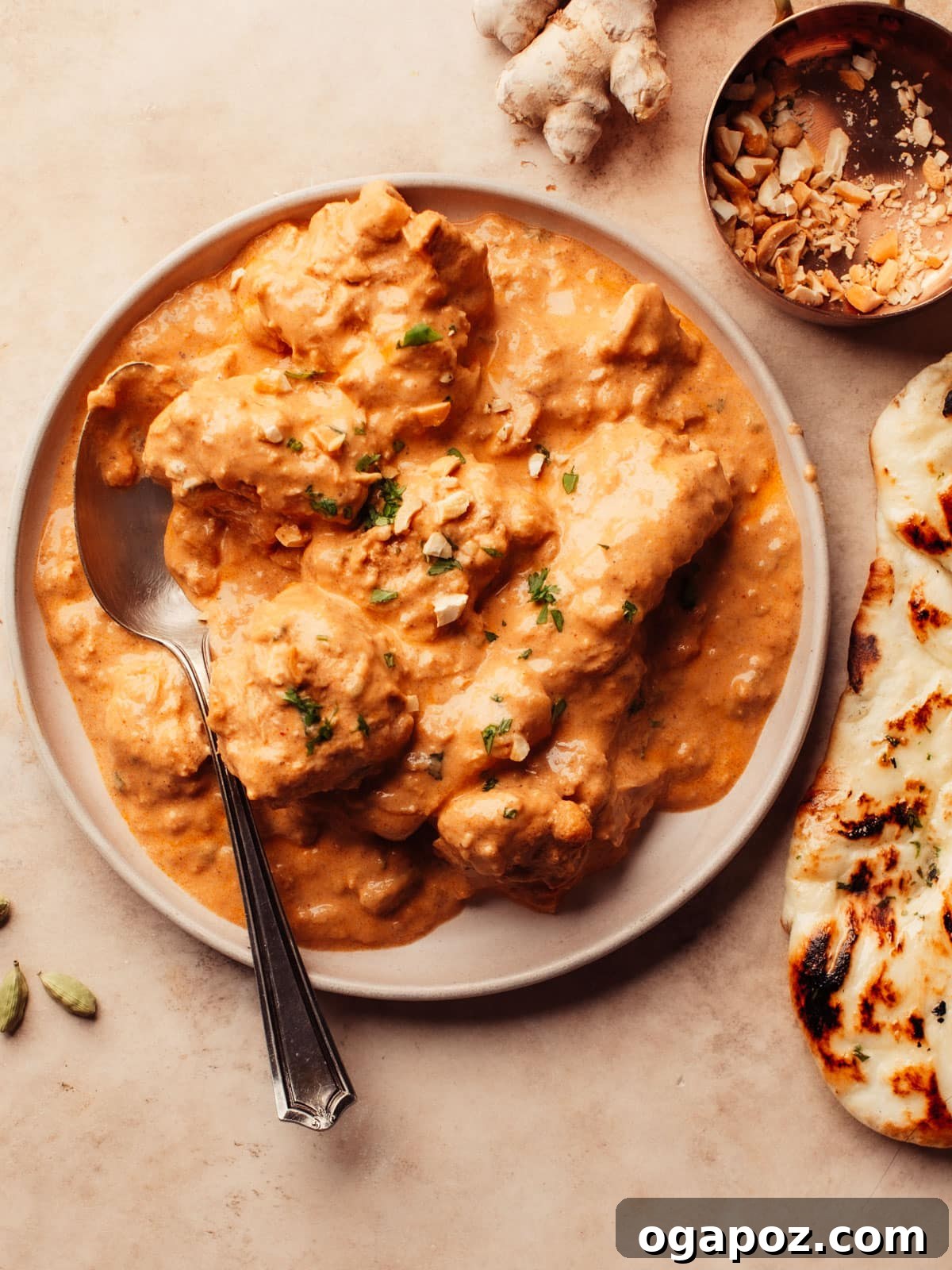
Prepare to be amazed by this **Authentic Chicken Korma** recipe – not just the finest chicken korma you’ll ever taste, but quite possibly the *best Indian curry recipe you’ll ever master*. My Indian husband insists it’s a life-changing dish, and its viral success on Instagram multiple times speaks for itself. Don’t miss out on creating this culinary masterpiece!
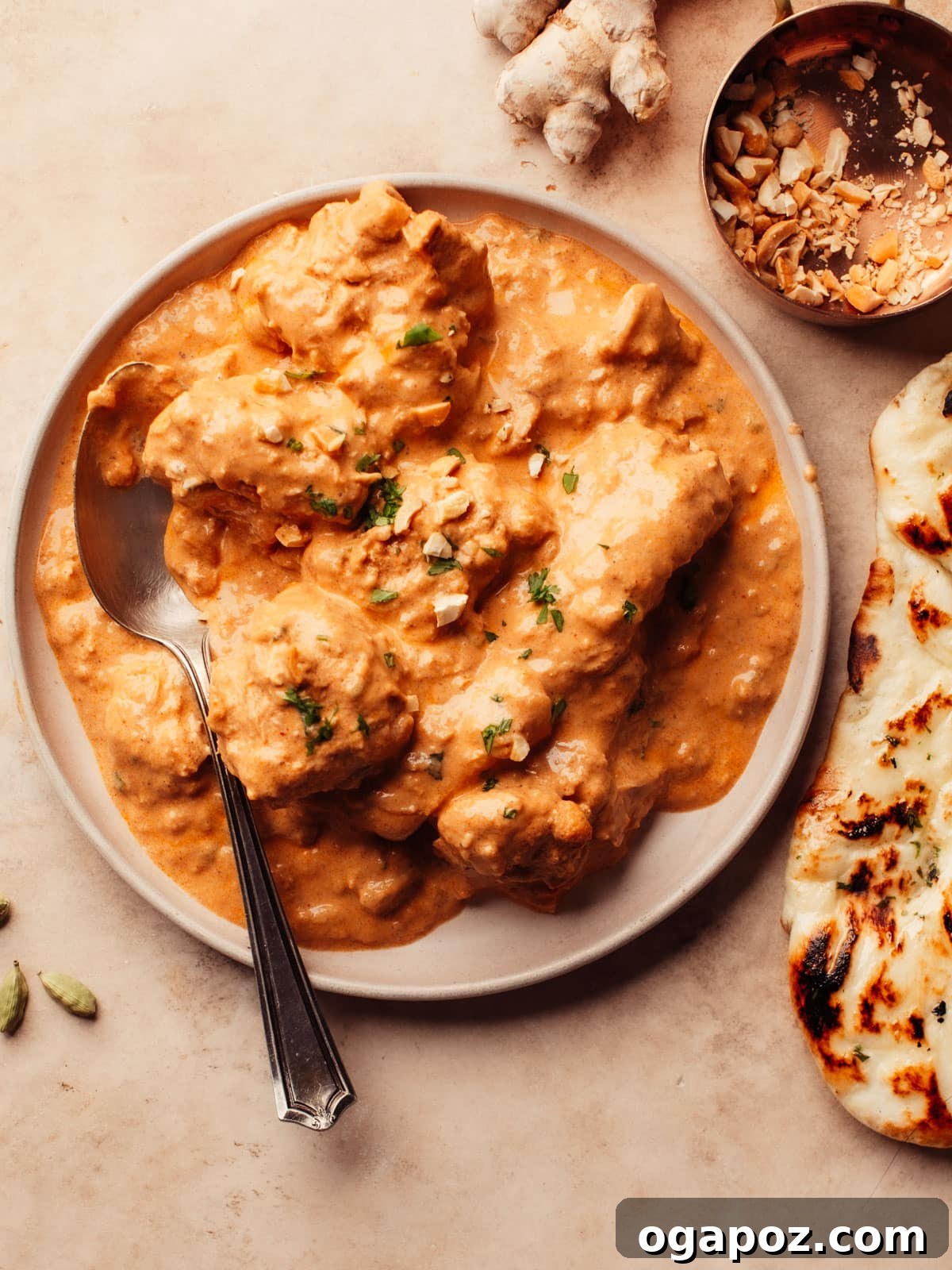
Immerse yourself in a world of rich flavors with succulent cubes of boneless chicken, tenderly simmered in a velvety, nutty, and creamy korma sauce. This exquisite sauce is generously infused with a carefully balanced blend of aromatic spices, promising a dish that will capture your heart and palate. This isn’t just a meal; it’s an experience waiting to happen.
Our meticulously tested and perfected Chicken Korma curry recipe boasts an unparalleled authentic flavor profile that will transport you straight to the bustling streets of India. It truly rivals the best restaurant offerings. Let’s embark on this culinary journey and create a korma that will become a cherished staple in your home.
Why You’ll Love This Authentic Chicken Korma
While Chicken Korma is a beloved classic in Indian cuisine, this particular recipe elevates it to an extraordinary level. Here are compelling reasons why this creamy Indian curry will quickly become one of your go-to dishes:
- Unbelievably Creamy and Perfectly Balanced Spice: This korma offers a luxurious texture and depth of flavor akin to Butter Chicken, yet it stands out with its less tomato-forward profile, thicker consistency, and a more intricate richness derived from a unique blend of nuts and yogurt. It masterfully achieves the ideal harmony between opulent creaminess and a delightful, subtle warmth from the spices. The sauce is a symphony of rich and decadent notes, while the spices introduce a gentle, inviting heat rather than an overpowering burn. For a deeper dive, explore the differences: Chicken Korma vs. Butter Chicken.
- Effortlessly Delicious – Surprisingly Simple to Make: Despite its complex and profound flavor, this authentic Chicken Korma recipe is remarkably straightforward to prepare. You’ll be delighted to find that it requires only about 10 minutes of active, hands-on cooking, making it an ideal choice for busy weeknights or when you want to impress guests without spending hours in the kitchen.
- A Celebration of Authentic Indian Flavors: This recipe isn’t just a meal; it’s a genuine taste of Indian culinary tradition. Every ingredient and step is designed to bring out the true, rich flavors that make korma a cherished dish, passed down through generations.
- Versatile for Any Occasion: Whether you’re planning a special dinner party, a cozy family meal, or meal prepping for the week, this Chicken Korma fits perfectly. Its comforting and universally appealing taste ensures it’s a crowd-pleaser every time.
- Meal Prep Perfection: Korma, like many Indian curries, tastes even better the next day. Its flavors deepen as it rests, making it an excellent candidate for advance preparation and easy reheating.
Gather Your Ingredients to Make the BEST Chicken Korma Ever!
Crafting an exceptional Chicken Korma begins with selecting the right ingredients. Each component plays a vital role in building the layered flavors of this classic Indian curry. Here’s what you’ll need to create a truly unforgettable dish:
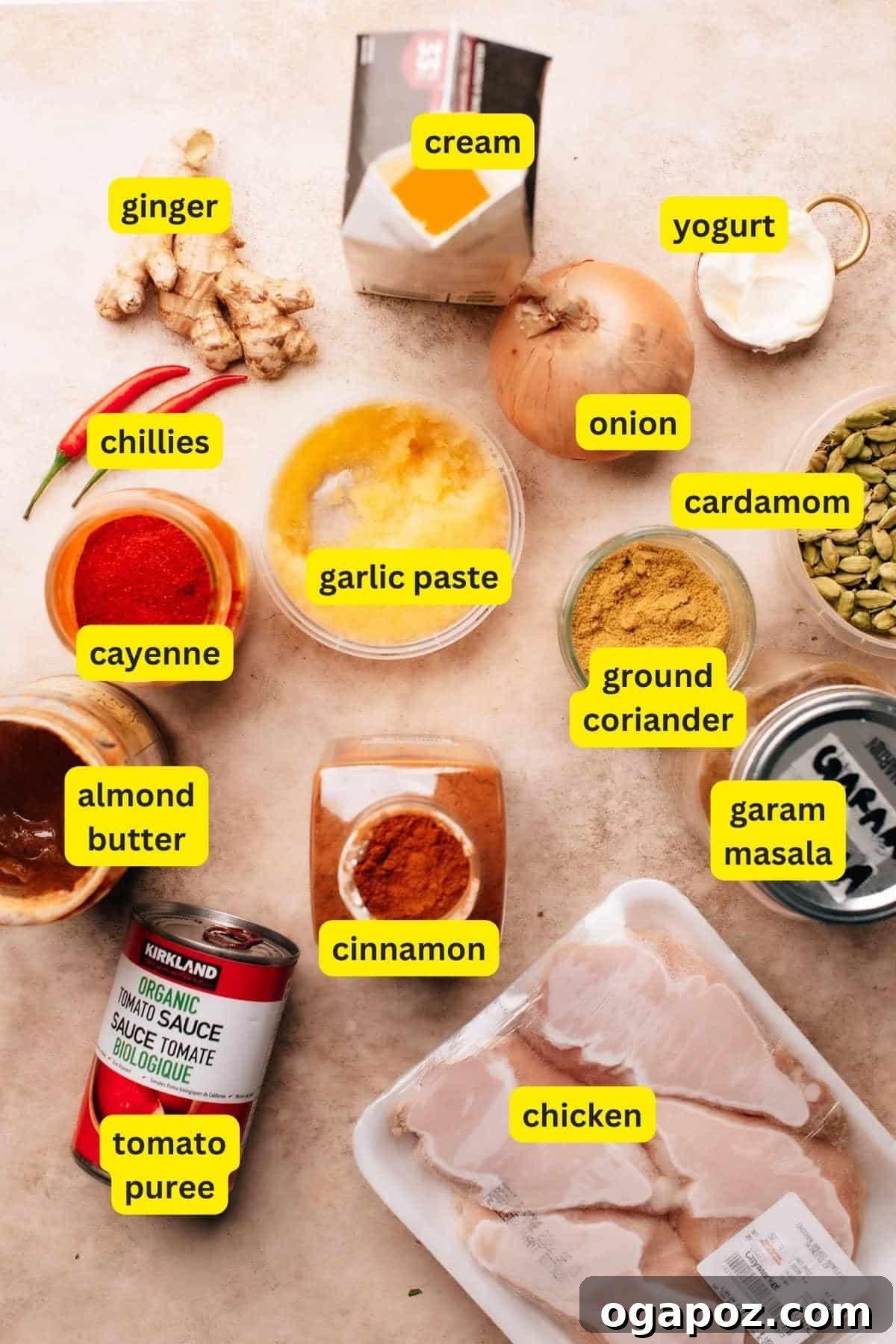
- Onion: The foundation of many Indian curries, onions are cooked low and slow to achieve a deep caramelization. This process imparts a natural sweetness to the sauce and allows them to melt almost entirely into the curry, creating a smooth and rich base.
- Fresh Aromatics – Garlic & Ginger: A generous amount of several cloves of fresh garlic and an equal measure of fresh ginger are essential for that characteristic aromatic depth. For convenience, you can easily substitute with a high-quality ginger-garlic paste.
- Chillies: Green chillies are traditionally used to provide a fresh, vibrant heat. If green chillies are hard to find, red Thai bird chillies make an excellent substitute, offering a similar level of spice and aroma. Adjust the quantity to your preferred heat level.
- Essential Korma Spices: The soul of korma lies in its distinctive spice blend. This recipe calls for a harmonious mix of both ground and whole spices:
- Ground Spices: Garam masala, ground coriander, red chili powder (such as Kashmiri chili powder for color and mild heat, or cayenne for more kick), and ground cinnamon.
- Whole Spices: Whole green or black cardamom pods, which release an intense, fragrant aroma as they cook.
- Optional Additions: For an even more complex flavor, consider adding a teaspoon of ground cumin, a pinch of black pepper, and/or a few whole cloves.
- Tomato: We prefer using canned tomato puree for consistent flavor and texture. However, if juicy, ripe fresh tomatoes are in season, feel free to use one whole fresh tomato, finely chopped or pureed, for a burst of seasonal freshness.
- Chicken: Boneless chicken is our preferred choice for this rich recipe, as it absorbs the flavors beautifully and doesn’t require the added richness that bone-in chicken provides. However, if you only have bone-in chicken on hand, it will work perfectly fine, just ensure it’s cooked through.
- Nuts for Creaminess: To achieve that signature creamy, nutty korma texture with ease, we use almond butter. This is a fantastic shortcut! Alternatively, you can use whole cashew nuts, soaked and finely ground into a paste, for an equally rich result.
- Yogurt: Plain yogurt, whether it’s Greek, regular, or even coconut yogurt for a dairy-free option, adds a tangy depth and helps tenderize the chicken. Ensure it’s plain and unsweetened.
- Cream: Whipping cream (or 35% fat heavy cream) is crucial for the luxurious, velvety finish. For a dairy-free or lighter alternative, canned full-fat coconut milk (or homemade coconut milk) is an excellent substitute. Avoid using regular milk or half-and-half as they are more prone to curdling when cooked with spices and acidity.
Pro Tip: Skip the Pre-made Korma Paste! There’s absolutely no need to buy a specific korma curry paste. By using a few fresh aromatics and readily available pantry spices, you will achieve significantly more vibrant and authentic flavor than any pre-packaged jar can offer.
Grab These Essential Cooking Tools
To ensure your Chicken Korma recipe comes out perfectly, having the right kitchen tools on hand will make the cooking process smooth and enjoyable. Here are a few essential items you’ll want before you begin:
- Large Heavy-Bottomed Pot or Dutch Oven: This is crucial for properly cooking the onions and spices. A heavy bottom ensures even heat distribution, which is vital for caramelizing the onions without burning them and for toasting the spices perfectly. It also prevents scorching as the curry simmers.
- Immersion Blender (Optional, for Extra Smoothness): While not strictly necessary, an immersion blender is a fantastic tool if you prefer a perfectly smooth, restaurant-quality sauce. It allows you to blend the sauce directly in the pot, creating an incredibly silky and creamy texture without transferring it to a separate blender.
- Cutting Board and Sharp Knife: For finely chopping onions, garlic, ginger, and chillies with ease and precision.
- Measuring Cups and Spoons: Accuracy in ingredients, especially spices, is key to achieving the perfect flavor balance.
How to Make Chicken Korma: An Easy Step-by-Step Guide
Follow these detailed steps to create a rich, creamy, and authentic Chicken Korma that will impress everyone at your table. Precision and patience in certain stages are key to unlocking its full flavor potential.
1. Master the Korma Masala
The term masala refers to a spice mixture, but in Indian cooking, it also frequently denotes the “wet” masala – the flavorful base mixture that forms the heart of any curry sauce or gravy. Building this base correctly is crucial for an outstanding korma.
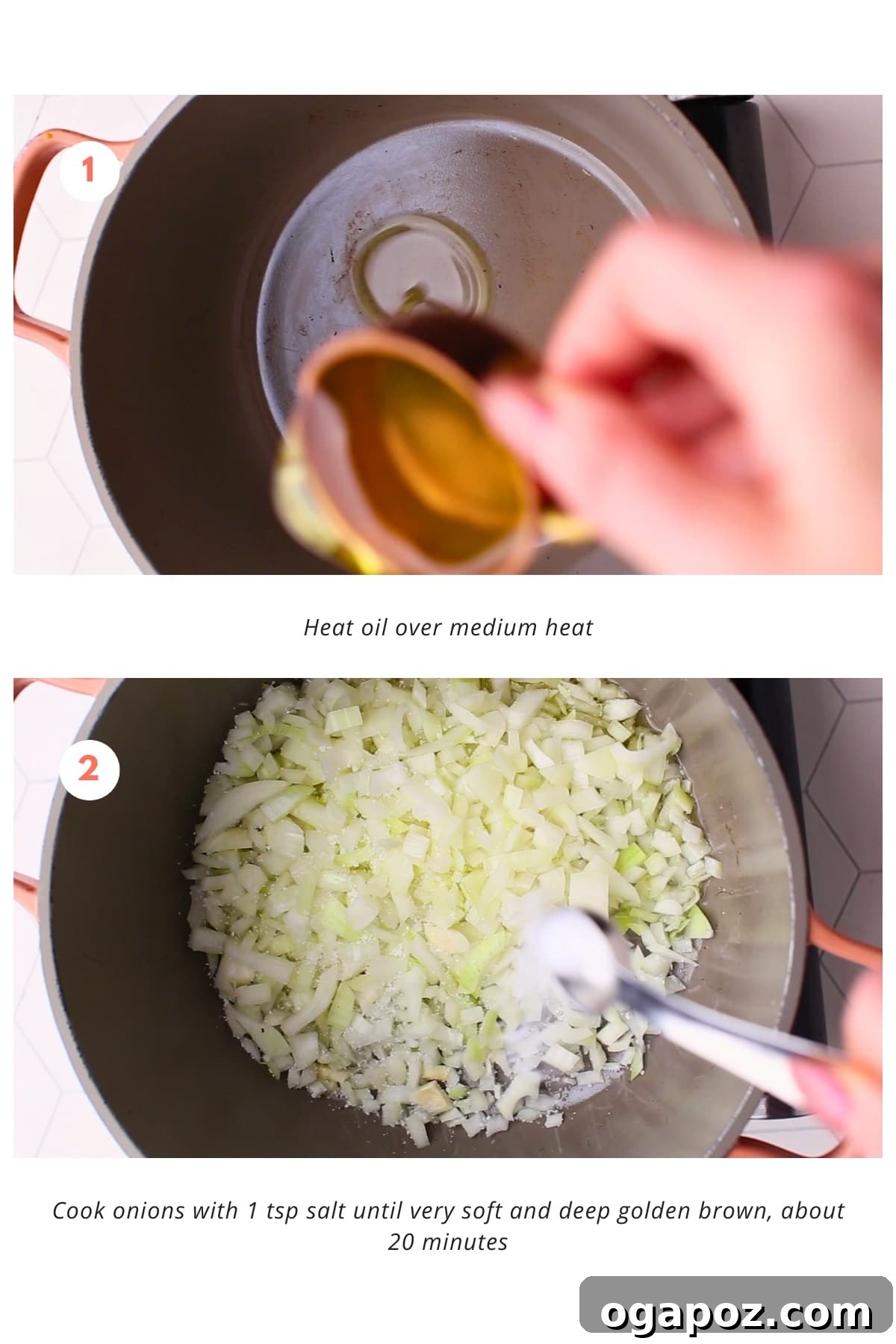
- Caramelize the Onions to Perfection: In your large heavy-bottomed pot, heat the ghee or vegetable oil over medium heat. Add the finely chopped onions along with 1 teaspoon of kosher salt. Cook them slowly and patiently, stirring occasionally, until they become incredibly soft, deeply golden brown, and almost translucent. This crucial step, taking approximately 20 minutes, cannot be rushed, as it develops the fundamental sweetness and depth of flavor for your korma base.
- Infuse with Fresh Aromatics: Once the onions are perfectly caramelized, add the minced garlic, minced ginger, and chopped chillies. Sauté for 1-2 minutes, stirring constantly, until the kitchen fills with their fragrant aroma. Be careful not to burn the garlic.
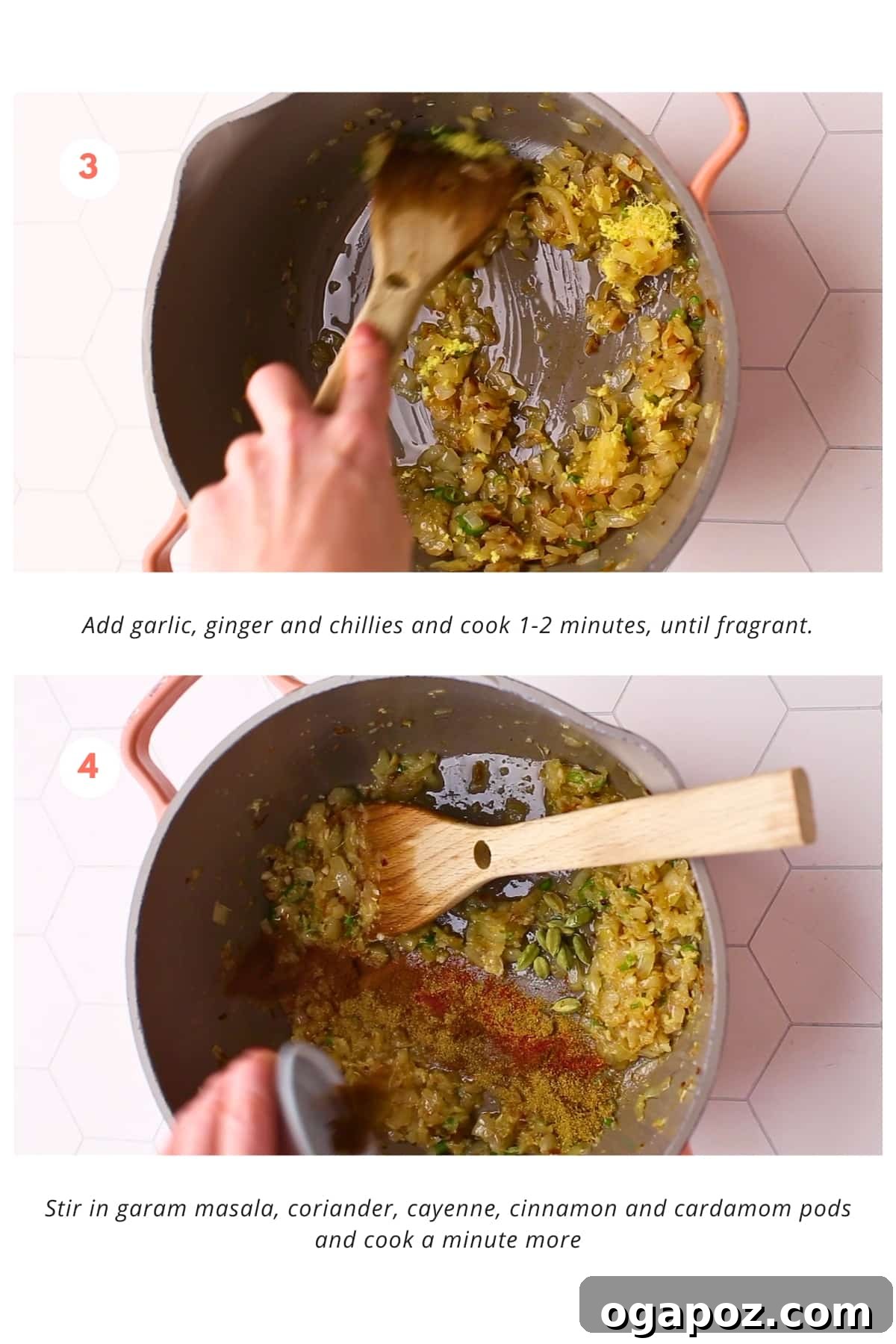
- Toast the Ground Spices: Stir in the garam masala, ground coriander, cayenne pepper, ground cinnamon, and the smashed whole green cardamom pods. Cook for just one more minute, gently toasting the spices. This step is vital as it blooms the spices, releasing their essential oils and infusing the cooking oil with their incredible flavors, creating a rich aromatic foundation.
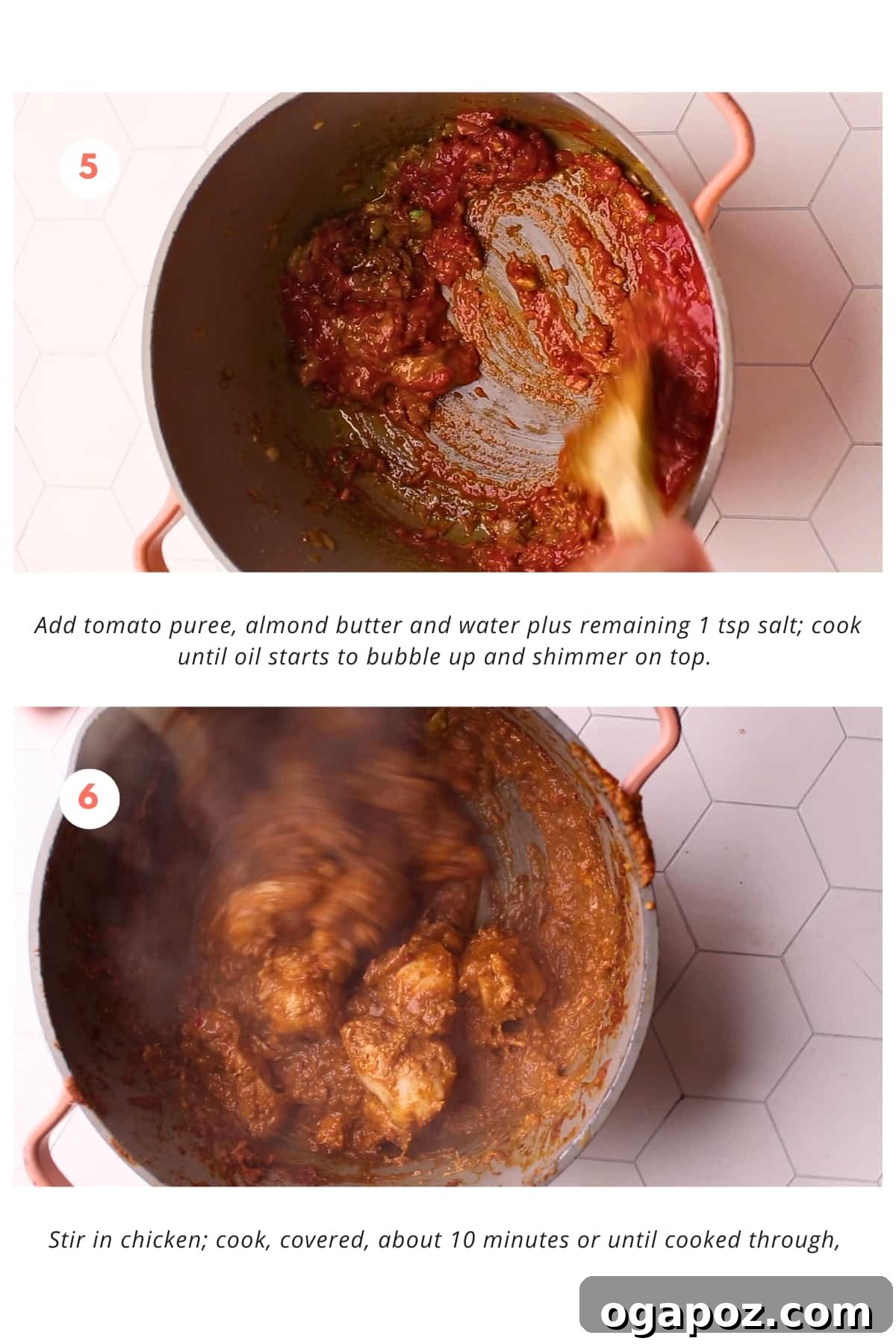
- Build the Sauce Base: Now, add the tomato puree, almond butter, and ½ cup of water, along with the remaining 1 teaspoon of salt. Stir everything together until well combined. Continue to cook, stirring frequently, until the oil begins to bubble up and shimmer on the surface of the sauce. An old Indian chef’s wisdom states that the masala is perfectly ready when this characteristic shimmering of oil appears on top – a sign that the spices have cooked down and melded beautifully.
2. Cook the Chicken to Tenderness
- Add the cubed chicken breast to the rich masala sauce. Stir to ensure the chicken is thoroughly coated. Cover the pot and let it simmer gently for about 10 minutes, or until the chicken is completely cooked through and tender. As the chicken cooks, it will absorb the incredible flavors of the masala and release its own moisture, contributing to the richness of the curry. Don’t worry if the sauce appears a little dry at this stage; the chicken’s juices will soon integrate. Stir occasionally to prevent sticking and ensure even cooking.
3. Finish and Serve Your Creamy Curry
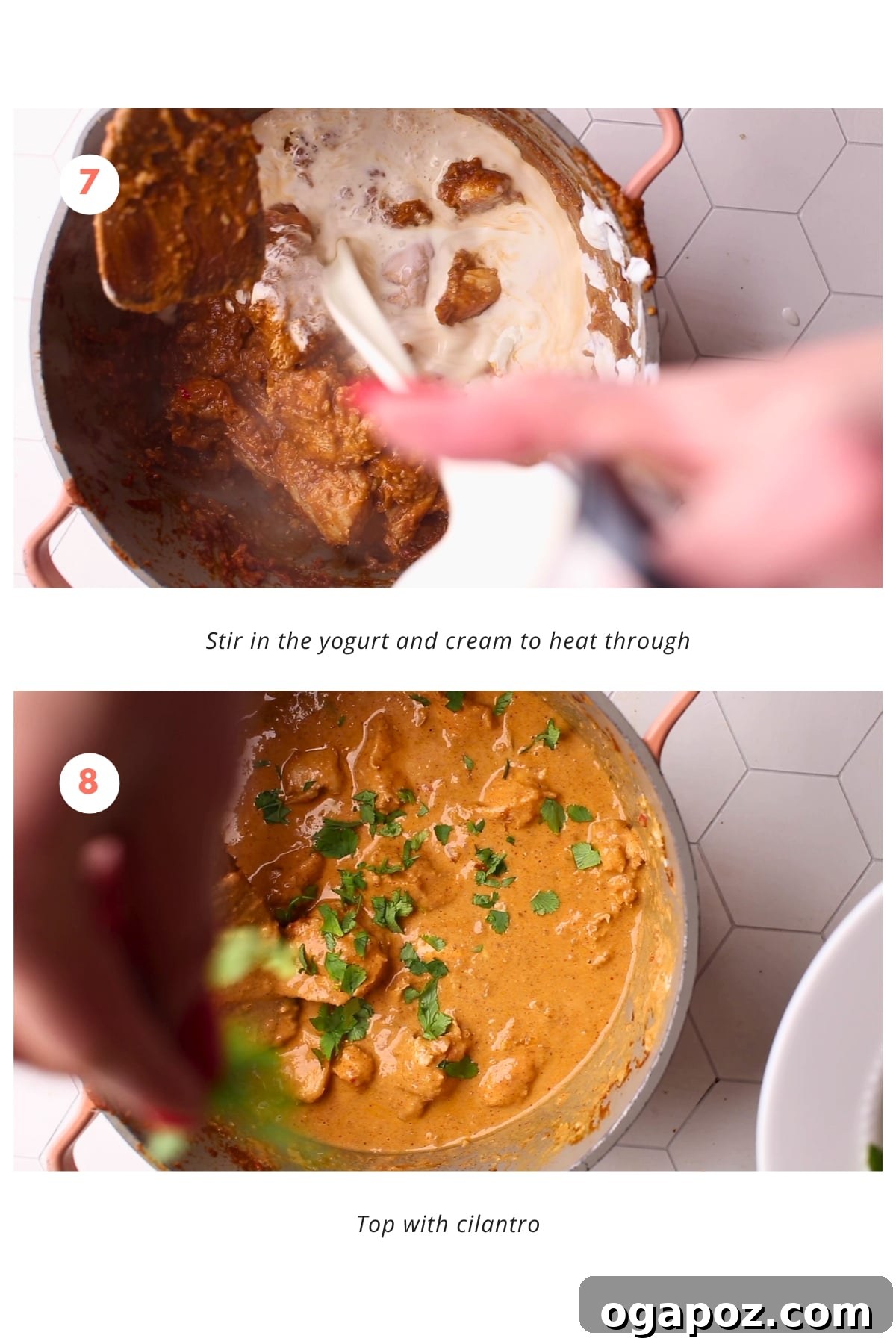
- Add the Dairy Richness: Gently stir in the yogurt and whipping cream. These ingredients are key to achieving the signature creaminess of korma and help to balance out the subtle heat from the spices, adding a luxurious, velvety texture to the dish. Continue to simmer on low heat for a few minutes, allowing all the flavors to meld together beautifully. Taste and adjust seasoning with more salt or garam masala if desired.
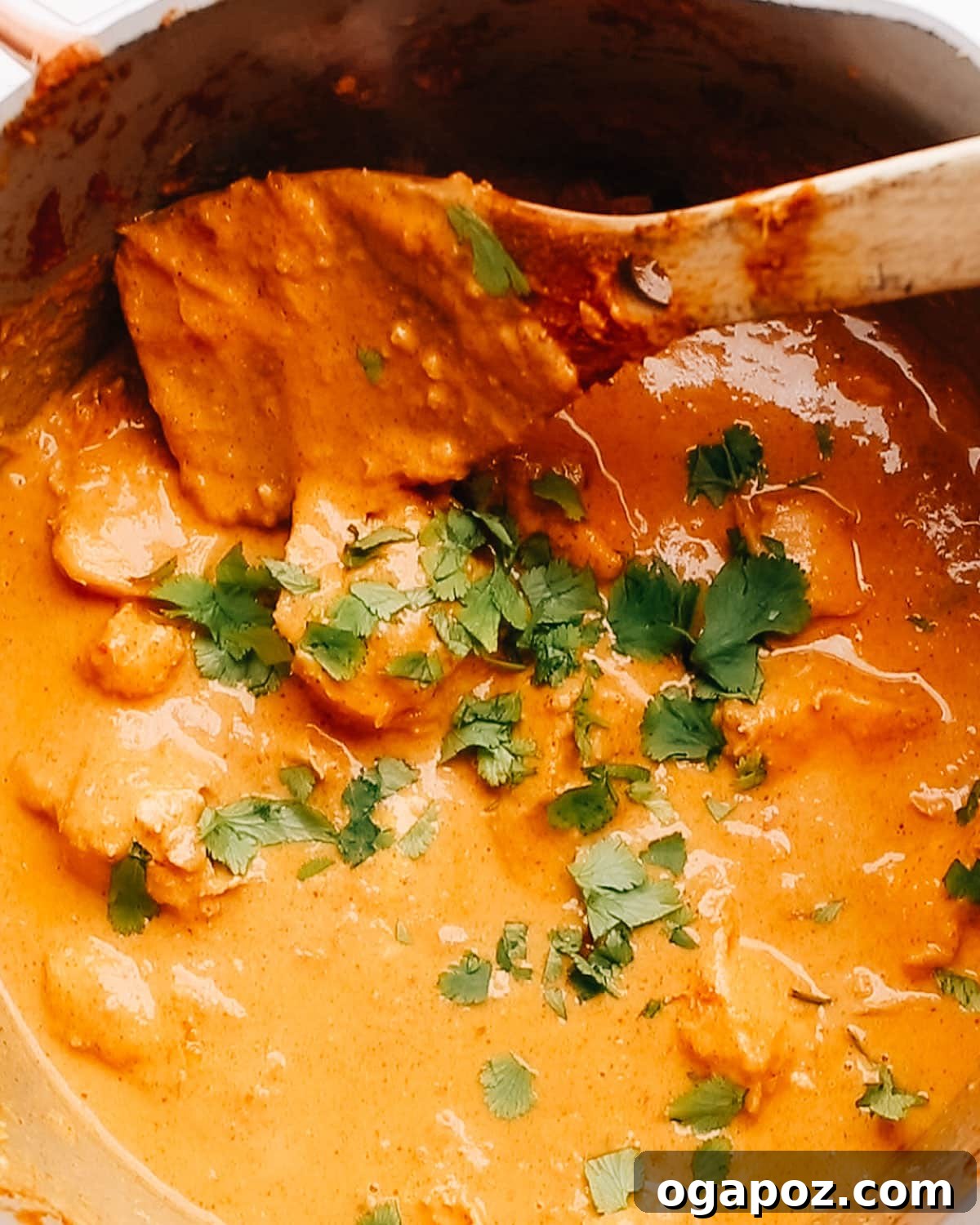
- Garnish and Enjoy: Once the korma has reached its perfect consistency and flavor, ladle it into serving bowls. Garnish generously with freshly minced cilantro for a burst of freshness and color. Serve immediately with your favorite Indian accompaniments and savor your homemade, authentic Chicken Korma.
Up Next: For seafood lovers, don’t miss our equally delicious Shrimp Korma version!
Frequently Asked Questions About Chicken Korma
Just skimming through? Here are quick answers to some common questions about this delectable Indian curry.
Korma sauce starts with a base of onions, garlic, ginger, and chilies, much like many other Indian curries. However, what truly distinguishes korma is the generous addition of creamy elements like yogurt, heavy cream, and often, nuts (or nut butter), which create its signature rich and velvety texture.
The primary difference lies in their preparation and sauce profiles. In Chicken Tikka Masala, the chicken pieces are typically marinated in spices and yogurt, then grilled or cooked in a tandoor (clay oven) before being simmered in a rich, often tomato-based sauce. Chicken Korma, on the other hand, features chicken that is directly cooked in a much richer, creamier sauce, characterized by nuts and yogurt, without the prior grilling step, resulting in a milder and sweeter flavor.
Korma distinguishes itself from many other Indian curry recipes in several key aspects:
- Ingredients: Korma typically boasts a thicker, creamier sauce made luxurious with heavy cream, yogurt, or nut pastes (like almond or cashew butter). In contrast, many other curries feature thinner sauces predominantly made with tomatoes, onions, and various spices. Korma also often incorporates nuts and sometimes dried fruit for added texture and a subtle sweetness.
- Spices: While both korma and other curries share common spices such as cumin and coriander, korma often highlights “warm” spices like cardamom, cloves, cinnamon, and nutmeg more prominently. Other curries might lean towards spicier notes, with a heavier hand of cayenne pepper, fresh ginger, and more robust curry powders.
- Heat Level: Generally, korma is known for being milder and less spicy than many other curries, which can range from medium to intensely hot depending on the regional style and recipe. Korma focuses more on a rich, aromatic, and savory-sweet flavor profile.
- Meat and Vegetables: Both dishes are incredibly versatile and can be made with a variety of proteins and vegetables. However, chicken korma and lamb korma are particularly iconic korma dishes, while chicken curry and chickpea curry are popular examples of other curry styles.
Authentic Indian Chicken Korma (also known as Chicken Kurma or Shahi Korma) offers a truly exquisite taste experience. It’s rich and nutty, with earthy undertones from its blend of spices. You’ll notice a gentle warmth from ginger and chilies, contributing to its aromatic complexity. Traditionally, it’s not a very spicy curry; instead, it’s celebrated for its luxurious, velvety sauce and melt-in-your-mouth tender cubes of boneless chicken. It strikes a beautiful balance between savory, slightly sweet, and aromatic notes.
How to Serve This Easy Chicken Korma Recipe
This Chicken Korma recipe, with its creamy texture, perfectly balanced spices, and abundant flavor, deserves to be served with thoughtful accompaniments. Here are some delightful and creative ways to complete your authentic Indian curry experience:
- Embrace the Shahi Korma Tradition: For an extra touch of elegance and crunch, serve your korma “Shahi Korma style.” This traditional presentation involves generously garnishing the dish with finely chopped, toasted nuts such as almonds, cashews, or pistachios just before serving. The toasted nuts add a wonderful textural contrast and enhance the nutty undertones of the curry.
- Perfect with Freshly Baked Naan: There’s nothing quite like using soft, warm bread to soak up every drop of this delicious sauce. Serve it alongside homemade butter naan, which is incredibly tender and buttery, or try a flavorful aloo naan (potato-stuffed flatbread) for an extra treat. For lighter alternatives, consider tender whole wheat roti, the viral flaky paratha, or soft chapathi.
- Classic Basmati Rice Companion: A bed of fluffy, aromatic basmati rice is an essential pairing. It perfectly complements the richness of the korma, absorbing the flavors and adding a subtle sweetness that balances the spices. For perfectly cooked rice every time, try my Indian mother-in-law’s Instagram-viral easy basmati rice cooking method.
- Cooling Yogurt Salad (Raita): To refresh your palate and provide a cooling contrast to the rich curry, serve a side of Indian Cucumber Salad (Raita). The cool, tangy yogurt with crisp cucumber balances the heat and adds an additional layer of freshness and creaminess to the meal.
- Don’t Forget a Sweet Finish! Conclude your authentic Indian feast with a delightful dessert. Creamy and refreshing Mango Kulfi (Indian ice cream) or soft, warm, syrup-soaked Gulab Jamun (especially delicious with a scoop of vanilla ice cream) are perfect choices. And of course, no Indian meal is complete without a soothing cup of masala chai!
Make-Ahead and Storage Tips for Chicken Korma
One of the many wonderful qualities of Chicken Korma is that its flavors often deepen and improve overnight, making it an ideal candidate for meal prep or enjoying as delicious leftovers. Here are some tips to help you maximize this recipe’s potential:
- Perfect for Making Ahead: The entire Chicken Korma recipe can be prepared a day or two in advance. Store it in an airtight container in the refrigerator. In fact, like many Indian curries, the flavors truly develop and become even more harmonious with a little time, resulting in an even more delicious dish when reheated.
- Refrigerator Storage: Store any leftover chicken korma in a sealed, airtight container in the fridge for up to four days. Ensure it cools completely before refrigerating.
- Freezing for Longer Preservation: Chicken Korma freezes beautifully, allowing you to enjoy this flavorful dish for up to three months. To freeze, let the curry cool completely, then transfer it to a freezer-safe airtight container or heavy-duty freezer bags. When you’re ready to serve, thaw the frozen korma in the refrigerator overnight or use the defrost setting on your microwave at medium power.
- Reheating Instructions: For the best results, gently reheat the korma on the stove over low heat, stirring occasionally, until it is thoroughly heated through. The chicken should reach an internal temperature of 165ºF (74ºC). If you’re short on time, the microwave is also a quick and convenient option for reheating, just stir midway through for even heating. If the sauce has thickened too much during storage, add a splash of water or cream to achieve your desired consistency.
Other Favorite Indian Curries You’ll Love
If you’ve enjoyed this Chicken Korma, you’re sure to love these other popular and flavorful Indian curry recipes:
- Our wildly-popular Butter Chicken recipe, known for its rich and creamy tomato sauce.
- Adarsh’s distinctive Chicken 65, a spicy, deep-fried chicken dish often served as an appetizer or side.
- A fragrant and comforting Coconut Curry Chicken, bursting with tropical flavors.
- For those who love heat, our robust Vindaloo Lamb or the spicy South Indian Pork Curry.
- Hearty and nutritious lentil dishes like Amma’s traditional Masoor Dal Recipe, the flavorful Chana Curry (chickpea curry), or creamy Madras Lentils.
- Delicious vegetarian options such as Paneer and Greens Curry (also known as Saag Paneer) or classic Palak Paneer.
- More paneer delights: Butter Paneer, a creamy tomato-based dish, and rich Malai Kofta, delicious cheese and vegetable dumplings in a rich sauce.
- The classic dry potato and cauliflower curry, Aloo Gobi.
Next Reading: Explore the Indian Curry Recipes my Family Loves the Most, plus other fan-favorite Indian dinner ideas to inspire your next meal!
Chicken Korma Recipe
By: Jennifer Pallian BSc, RD
The best Chicken Korma on the internet. So much authentic flavor in this tested-till-perfect recipe. Super easy! Step-by-step photos provide guidance for a delightful cooking experience.
Prep Time: 10 minutes
Cook Time: 40 minutes
Total Time: 50 minutes
Servings: 8
Ingredients
- ¼ cup ghee or vegetable oil
- 2 ½ cups finely chopped onion
- 2 tsp kosher salt (divided use)
- 2 tbsp minced garlic
- 2 tbsp minced ginger
- 2 green or red chillies (adjust to taste)
- 2 tsp garam masala
- 1 tsp ground coriander
- ½ tsp cayenne powder (or Kashmiri chili powder for milder heat)
- ¼ tsp ground cinnamon
- 10 whole green cardamom pods (smashed with flat side of knife) or ½ tsp ground cardamom
- ½ cup tomato puree (possible substitutes: diced tomato or jarred passata)
- ¼ cup almond butter (or finely chopped cashew nuts)
- ½ cup water (plus more as needed)
- ¼ cup plain yogurt (Greek, regular, or coconut yogurt)
- ½ cup whipping cream (aka heavy cream, 35% milkfat, or full-fat coconut milk)
- 2 lbs boneless chicken breast (cut in 1 ½” cubes)
- 1 tbsp finely minced cilantro (for garnish)
Instructions
Saute the Onions, Ginger + Garlic
- Heat ghee or oil over medium heat in a large, heavy-bottomed pot. Add the finely chopped onions and 1 tsp salt. Cook until very soft and deep golden brown, about 20 minutes. Do not rush this step, as it’s crucial for developing the base flavor of the korma.
- Add minced garlic, minced ginger, and chopped chillies. Cook for 1-2 minutes, stirring constantly, until fragrant.
Add the Spices
- Stir in garam masala, ground coriander, cayenne, ground cinnamon, and the smashed cardamom pods. Cook for another minute, stirring continuously, to toast the spices and fully release their aromas.
Add Wet Ingredients
- Add the tomato puree, almond butter, and ½ cup of water, along with the remaining 1 tsp salt. Cook, stirring, until the oil starts to bubble up and shimmer on top of the sauce – this indicates the masala is well cooked.
Cook the Chicken
- Stir in the cubed chicken breast. Cover the pot and cook for about 10 minutes, or until the chicken is cooked through. Stir frequently to prevent scorching. The chicken will release moisture as it cooks, so only add a little more water if the sauce appears too dry.
Finish and Serve
- Stir in the yogurt and whipping cream. Simmer on low heat for a few minutes to allow the flavors to meld beautifully. Taste and adjust seasoning with more salt and/or garam masala if needed. Garnish generously with fresh cilantro before serving.
Notes
- For a Smooth Sauce: For an exceptionally smooth, glossy sauce, remove the cooked chicken from the curry and transfer it to a plate. Use an immersion blender to puree the sauce until silky, then return the chicken to the pot.
- For a Thicker Sauce: If you prefer a thicker sauce, remove the chicken once cooked and simmer the sauce on low heat, stirring frequently, until it reduces to your desired consistency.
- Regarding Chicken Moisture: Please note that commercially-frozen chicken breasts are sometimes plumped with salt water. This keeps them tender but may cause them to release more water during cooking.
- For a Thinner Sauce: If your sauce is too thick, simply add a splash of water or cream until it reaches your preferred consistency.
Variations
- Dairy-Free Korma: Easily adapt this recipe by replacing the heavy cream with full-fat canned coconut milk and swapping the dairy yogurt for a plain, unsweetened coconut yogurt.
- Adjusting Spice Level: For an extra kick of heat, incorporate more fresh chili peppers or cayenne pepper into the masala. If you prefer a milder version, you can reduce the amount of cayenne or omit it entirely.
Nutrition Information (Approximate per serving)
Calories: 331kcal | Carbohydrates: 13g | Protein: 28g | Fat: 19g | Saturated Fat: 8g | Polyunsaturated Fat: 2g | Monounsaturated Fat: 7g | Trans Fat: 0.01g | Cholesterol: 105mg | Sodium: 732mg | Potassium: 738mg | Fiber: 3g | Sugar: 5g | Vitamin A: 512IU | Vitamin C: 25mg | Calcium: 85mg | Iron: 2mg
Nutrition information is automatically calculated, so it should only be used as an approximation.