
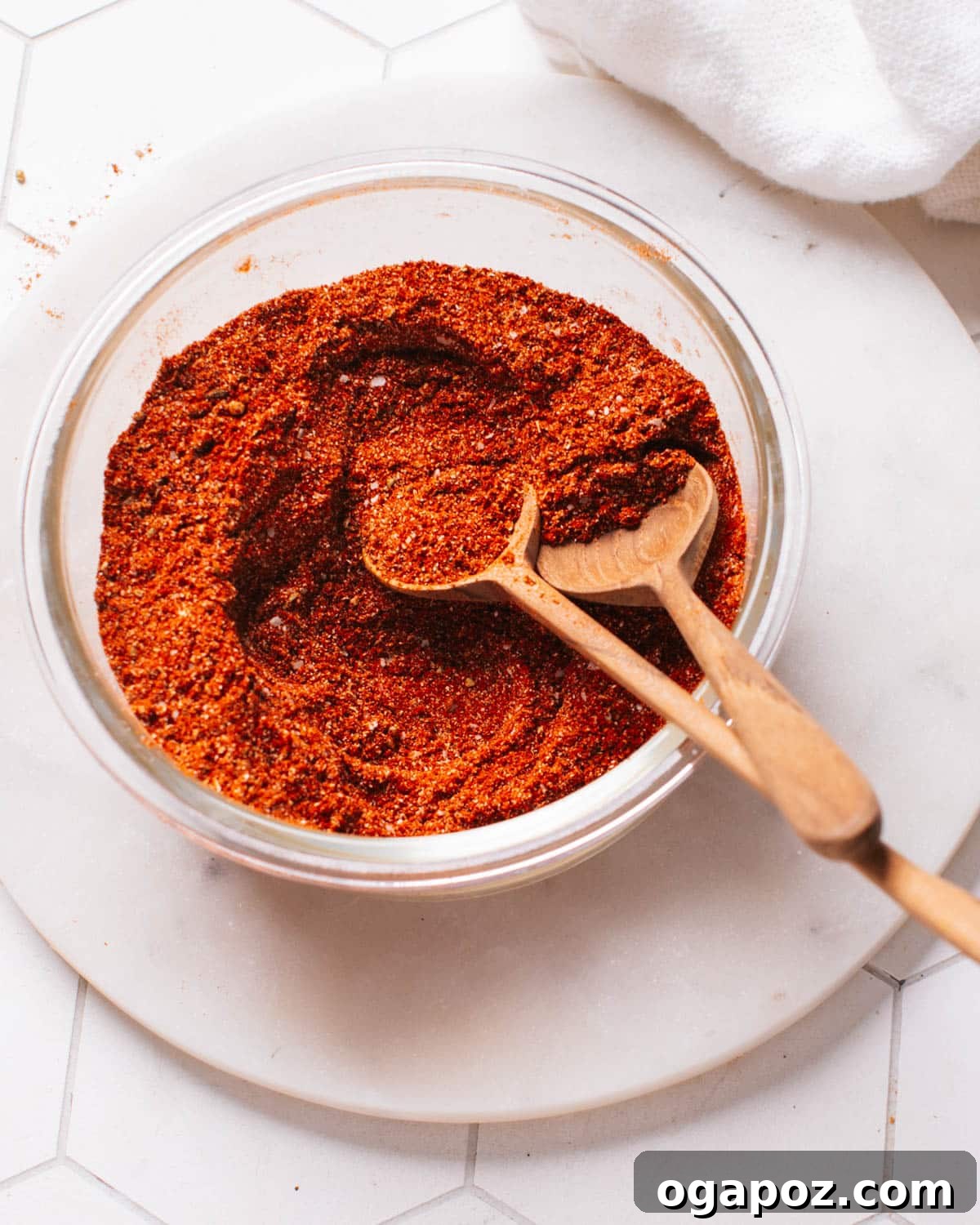
Elevate your cooking with this incredible homemade chili seasoning recipe. Crafted from everyday pantry staples, this blend is not only significantly more affordable than store-bought alternatives but also boasts a fresher, more vibrant flavor profile. Say goodbye to unknown additives and hello to a perfectly balanced seasoning that will transform your favorite dishes. Best of all, you can swap it 1:1 for any commercial chili powder in your recipes, guaranteeing consistent, delicious results every time.
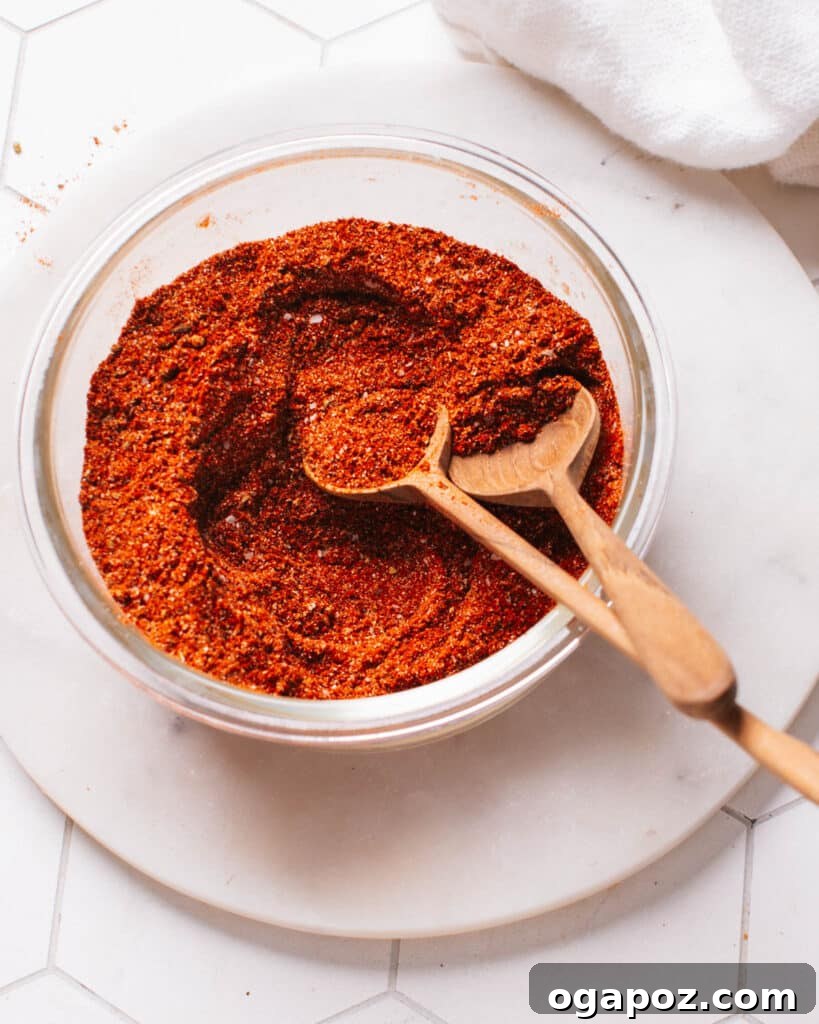
Unpacking Chili Powder: A Culinary Staple
Chili powder is a renowned seasoning blend that forms the backbone of countless Mexican and Tex-Mex dishes. It’s typically a complex mixture crafted from ground, dried chili peppers, combined with an array of other aromatic spices. Common additions often include garlic powder, ground cumin, and dried oregano, among others. The beauty of chili powder lies in its ability to impart a warm, earthy flavor with a subtle kick of heat, making it an indispensable ingredient in many kitchens.
The exact composition of chili powder can vary considerably. Different brands or homemade recipes will feature distinct ratios and types of chilies, leading to unique flavor profiles ranging from mild and smoky to intensely fiery. This variability allows for immense culinary creativity, letting you tailor the spice blend to your personal preference and the specific requirements of a dish.
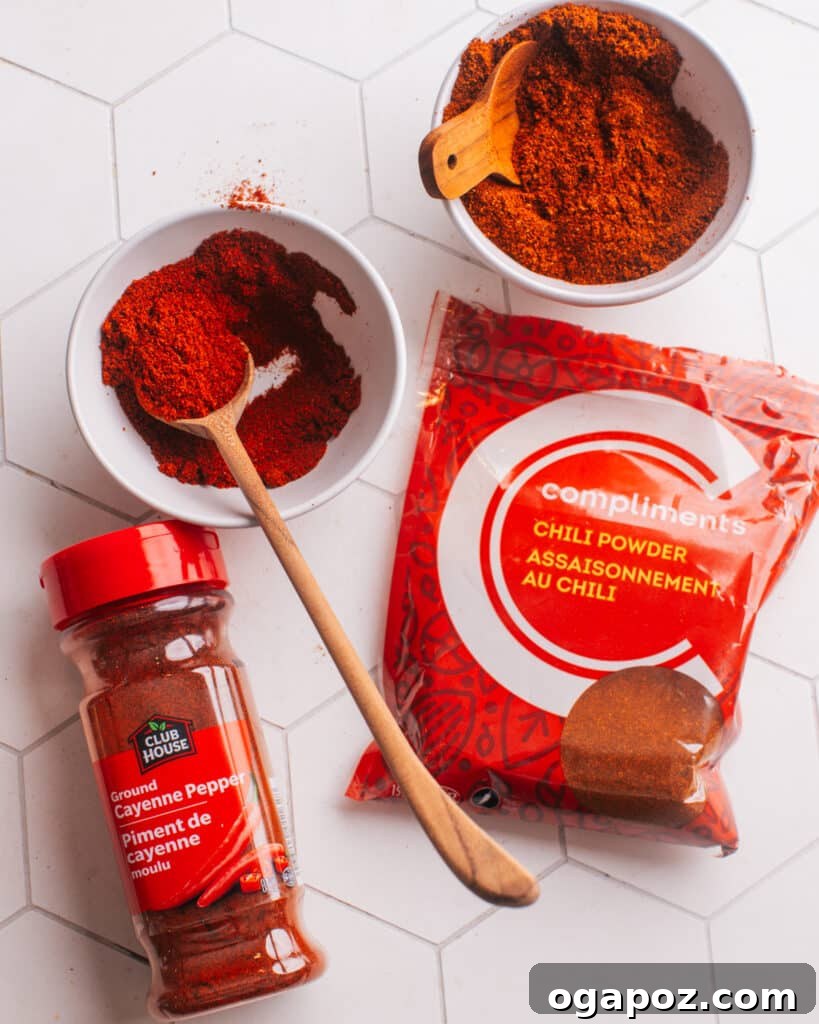
It’s crucial to understand the distinction between “chili powder” and “chile powder” or “cayenne pepper.” While they might sound similar, their uses and compositions are quite different. “Chile powder” (note the ‘e’) refers exclusively to a single variety of ground, dried chili pepper, such as ancho chile powder or New Mexico chile powder, with no other spices added. “Cayenne pepper,” another single-ingredient spice, is made solely from ground cayenne chilies, known for its distinct, often intense heat. In contrast, “chili powder” is always a blend of various spices, designed to offer a more rounded and complex flavor profile. For a comprehensive guide on their differences, check out Chili Powder vs. Cayenne Pepper: What You NEED to Know.
The Irresistible Advantages of This Homemade Chili Seasoning
Why bother making chili seasoning from scratch when store shelves are stocked with options? The answer lies in the unparalleled quality, control, and value that only a homemade blend can offer. This easy-to-follow recipe is designed to profoundly boost the flavor of any dish, infusing it with a warm, aromatic, and authentic Mexican-inspired essence.
Superior Flavor, Unmatched Freshness
One of the primary reasons to embrace this homemade chili seasoning is its superior flavor. Each spice in this carefully curated blend has been selected for its specific contribution to a deep, complex, and harmoniously balanced profile. You’ll taste layers of earthy richness, subtle sweetness, a hint of smokiness, and a perfectly calibrated warmth. Unlike pre-packaged mixes, which can sit on shelves for extended periods, your homemade blend is made with fresh spices, ensuring a far more vibrant and potent flavor that truly sings in your cooking.
A common challenge with store-bought chili powders is their salt content, which varies greatly and can lead to over or under-seasoned dishes. This recipe meticulously addresses that by ensuring the homemade blend replicates the salt-to-spice ratio found in popular commercial chili powders. This thoughtful calibration means you can confidently substitute this homemade blend 1:1 in any recipe, achieving the intended flavor outcome without needing to adjust other ingredients. It takes the guesswork out of seasoning, allowing you to focus on enjoying the cooking process and the delicious results.
Pure Goodness: No Fillers or Unnecessary Additives
When you craft your own spice blends, you gain complete control over what goes into your food. Store-bought seasoning packets often contain anti-caking agents, preservatives, excessive sodium, or fillers that dilute the flavor and add unnecessary chemicals to your diet. With this homemade recipe, you skip all the artificial extras. You’re left with a pure, unadulterated spice blend that delivers maximum flavor and peace of mind, knowing exactly what you’re serving your family.
Economical and Convenient
Making your own chili seasoning is surprisingly cost-effective. While individual spices might seem like an upfront investment, they last a long time and can be used in numerous other recipes. Pound for pound, homemade seasoning is significantly cheaper than buying pre-mixed packets, especially if you already have a well-stocked spice cabinet. It also reduces waste from single-use packaging. Furthermore, having a batch of homemade chili seasoning on hand means you’re always ready to whip up a flavorful meal, saving you last-minute trips to the grocery store and simplifying your weeknight cooking.

Essential Ingredients for Your Perfect Chili Seasoning Blend
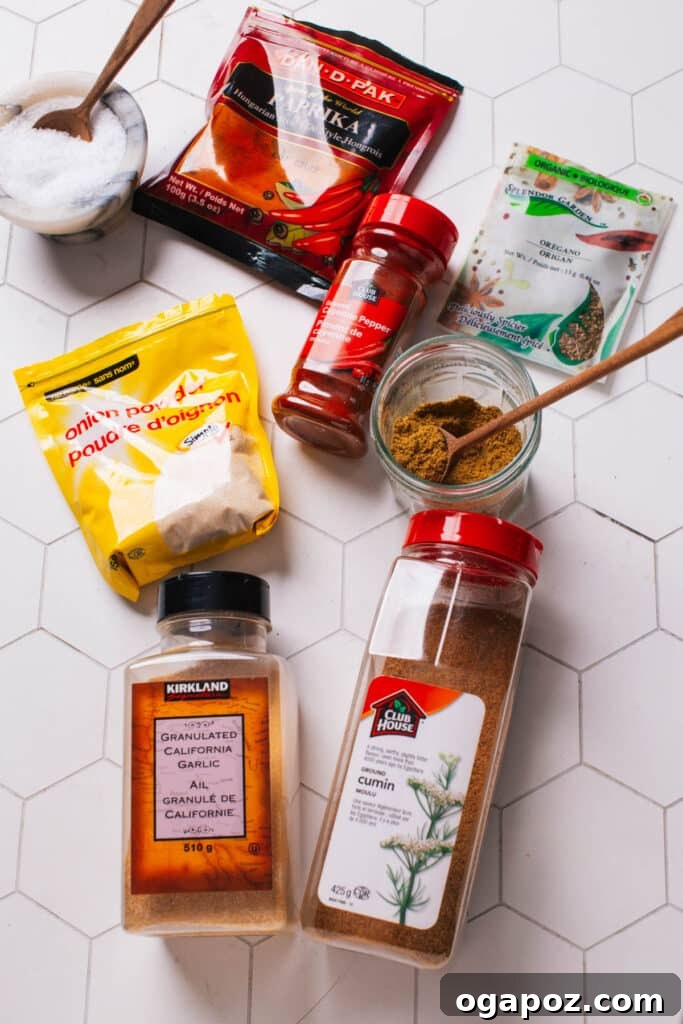
Embarking on the journey of making your own chili seasoning is a truly rewarding experience. It’s a straightforward process, and chances are, many of the spices required are already staples in your kitchen. Let’s explore the key components that come together to create this robust and flavorful blend, understanding the unique role each plays in the overall symphony of taste.
Core Chili Seasoning Ingredients: A Flavorful Breakdown
- Paprika: This cornerstone spice provides a beautiful deep red color and a foundational sweet, mild peppery flavor. It forms the volumetric base of many chili powders, offering rich background notes without overwhelming heat.
- Smoked Paprika: For those who appreciate an extra layer of complexity, smoked paprika is a game-changer. It imparts an authentic, woody smokiness that evokes slow-cooked flavors, adding incredible depth and character to your chili. If unavailable, simply use more regular paprika.
- Cayenne Pepper: This is where the heat comes in! Cayenne pepper delivers a clean, sharp spiciness. You have full control over the intensity – add more for a fiery kick or less for a milder warmth, customizing the blend to your personal preference.
- Onion Powder: Offering a concentrated, savory onion flavor, this powder provides depth and umami without the moisture or texture of fresh onions. It’s an essential background note that enhances the overall savoriness of the blend.
- Ground Cumin: Quintessential in Mexican and Tex-Mex cuisine, ground cumin contributes an unmistakable earthy, warm, and slightly pungent aroma. It’s a defining flavor in chili and is crucial for achieving that authentic taste profile.
- Garlic Powder: A powerhouse of flavor, garlic powder adds a sharp, aromatic, and savory punch. It complements the other spices beautifully, providing a robust base that enhances the overall complexity of the seasoning.
- Dried Oregano: Mediterranean oregano lends an herbal, slightly bitter, and peppery note. Its fragrant qualities add an authentic touch that rounds out the savory profile of the chili seasoning.
- Kosher Salt: Far more than just a seasoning, salt is a flavor enhancer. Kosher salt, with its larger flakes, dissolves gradually and evenly, bringing out and balancing all the other intricate flavors in the blend. Its specific ratio in this recipe ensures a perfect 1:1 swap with store-bought versions.
- Ground Coriander: Often underestimated, ground coriander offers a unique citrusy, nutty, and slightly sweet flavor. It provides a bright counterpoint to the earthy and smoky notes, adding a layer of subtle complexity that elevates the entire blend.
Creative Variations and Smart Substitutions
One of the greatest joys of making your own seasoning is the freedom to customize. While this recipe provides a perfectly balanced base, feel free to experiment and make it truly your own. Just remember to maintain the intended salt-to-spice ratio if you plan to use it as a direct 1:1 substitute for commercial chili powder.
- Ancho Chili Powder: For a milder, fruitier, and slightly sweeter flavor profile with less heat, consider adding ancho chili powder. It adds a beautiful complexity derived from dried poblano peppers.
- Chipotle Powder: If you desire a different kind of smokiness with a deeper, slightly spicier kick, swap out the smoked paprika for chipotle powder. This will infuse your blend with the rich, smoky heat of dried and smoked jalapeños.
- Red Pepper Flakes: In a pinch, red pepper flakes can substitute cayenne pepper. While they offer a slightly different texture and release heat more gradually, they’ll still provide that essential spicy element. Adjust quantity to taste, starting with less.
- Spicy Enhancers: For those who crave extra heat, consider adding a pinch of ground arbol chili powder or even a touch of ghost pepper powder (use sparingly!) to your blend.
- Herbaceous Twists: Experiment with other dried herbs like marjoram for a slightly floral note or thyme for an earthy undertone.
- Alternative Salts: If kosher salt isn’t available, sea salt can be used. However, be mindful that different crystal sizes mean you’ll need to adjust the quantity. Start with slightly less and taste, as sea salt can be denser and saltier by volume.
Essential Tools for Blending Success
Gathering the right tools beforehand makes the blending process smooth and efficient. You won’t need anything fancy, just a few basic kitchen items:
- Measuring Spoons: Precision is paramount for achieving a balanced and consistent flavor profile. Accurate measurements ensure each batch tastes as good as the last.
- Mixing Bowl: A small to medium-sized mixing bowl is ideal for combining your spices without making a mess.
- Airtight Container: Essential for proper storage, an airtight container will protect your homemade seasoning from moisture, light, and air, preserving its freshness and potency for months.
- Whisk or Fork: A small whisk or even a fork will work perfectly to thoroughly combine the spices, ensuring an even distribution of flavors and breaking up any potential clumps.
Crafting Your Own Chili Seasoning: A Simple Step-by-Step Guide
Creating your very own chili seasoning from scratch is an incredibly rewarding and surprisingly easy culinary endeavor. With just a handful of staple spices, you can effortlessly whip up a batch that’s perfectly tailored to your taste preferences and ready to elevate countless dishes. Follow these simple steps to bring your homemade blend to life:
The Simple Process to a Flavorful Blend
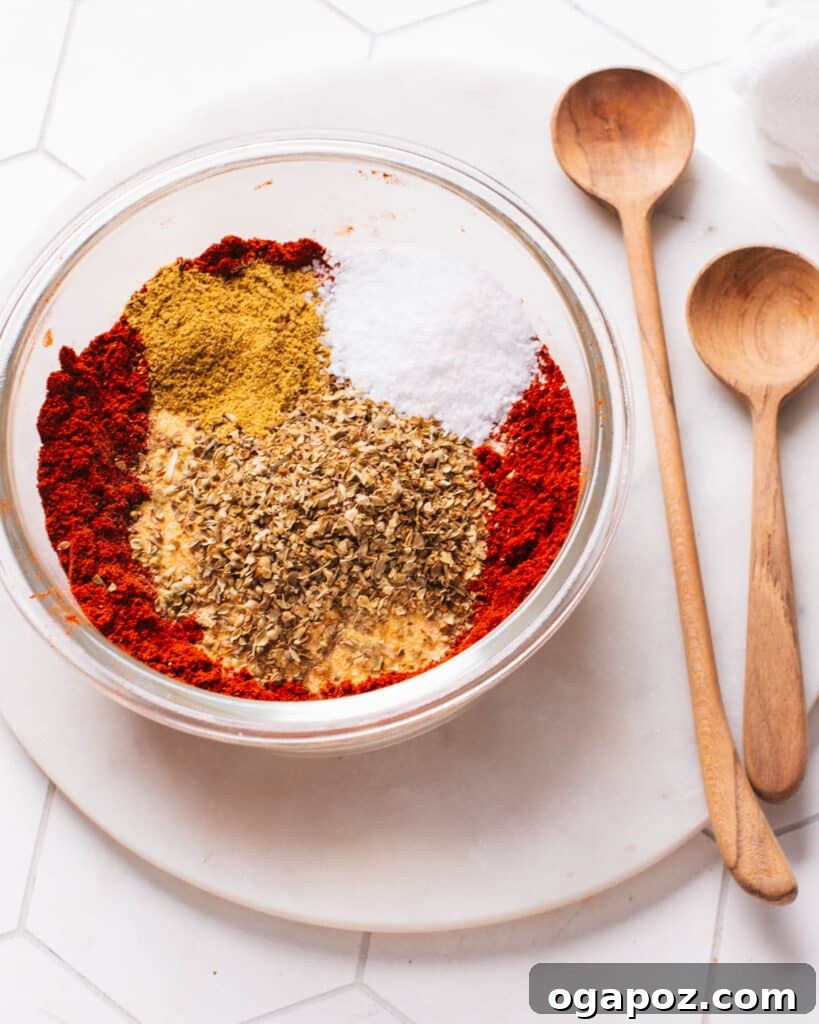
- Step 1: Gather Your Ingredients. Begin by laying out all the required spices on your workspace. Carefully measure each ingredient using your measuring spoons to ensure a perfectly balanced and harmonious seasoning blend. Accuracy here guarantees a consistent and delicious result every time.
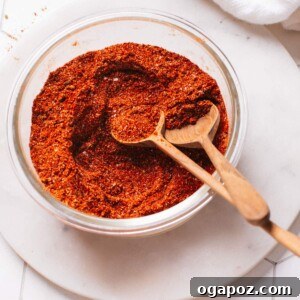
- Step 2: Combine the Spices. In a clean, small mixing bowl, gently add all your measured spices: paprika, smoked paprika (if using), cayenne pepper, onion powder, ground cumin, garlic powder, dried oregano, kosher salt, and ground coriander.
- Step 3: Thoroughly Mix. Using a small whisk or a fork, begin to mix the spices together. Continue blending until they are completely incorporated and uniformly distributed. Take your time with this step, ensuring there are no clumps and that all the vibrant colors are evenly blended. A well-mixed seasoning guarantees balanced flavor in every pinch.
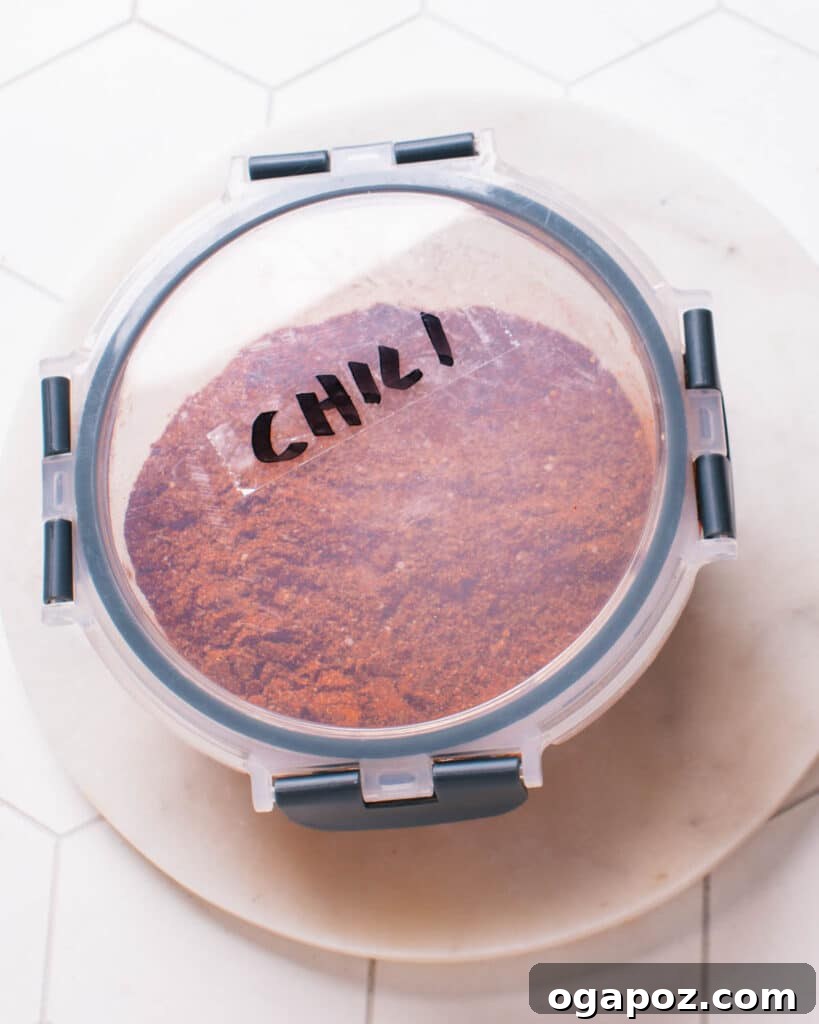
- Step 4: Store Properly. Once your seasoning blend is thoroughly mixed and appears uniform, carefully transfer it into an airtight container. A glass jar with a tight-fitting lid is an excellent choice. This proper storage is key to maintaining the seasoning’s potency and freshness.
- Step 5: Label for Freshness. Don’t forget to label your container with the name of the seasoning and the date it was made. This simple practice helps you keep track of its freshness, reminding you to use it within approximately six months for optimal flavor and aroma.
And just like that, you’ve created a simple yet powerful blend of spices that will undeniably elevate any chili dish, taco night, or seasoned protein. Savor the rich, authentic flavors that this homemade touch adds to all your culinary creations!
How to Unleash the Flavor: Using Your Homemade Chili Seasoning
Your freshly made chili seasoning is a versatile flavor powerhouse, ready to transform ordinary meals into extraordinary culinary experiences. Its balanced depth and customizable heat make it the ultimate secret ingredient in your kitchen. Here’s a comprehensive guide on how to best utilize this robust blend:
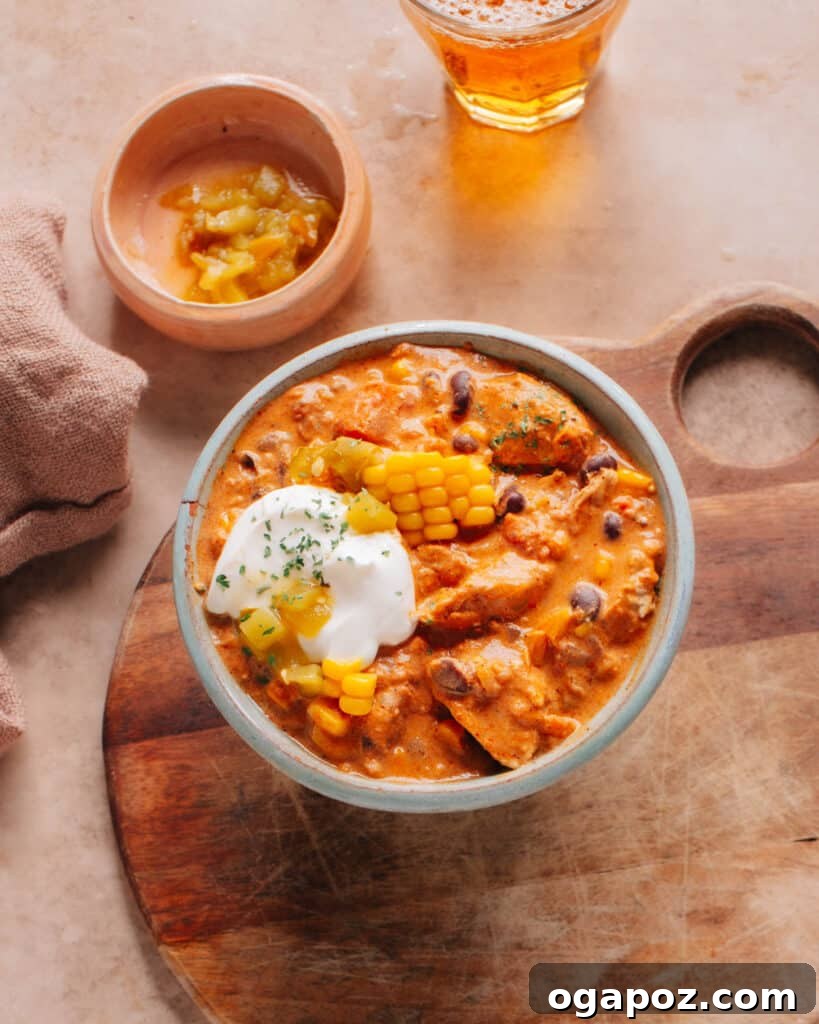
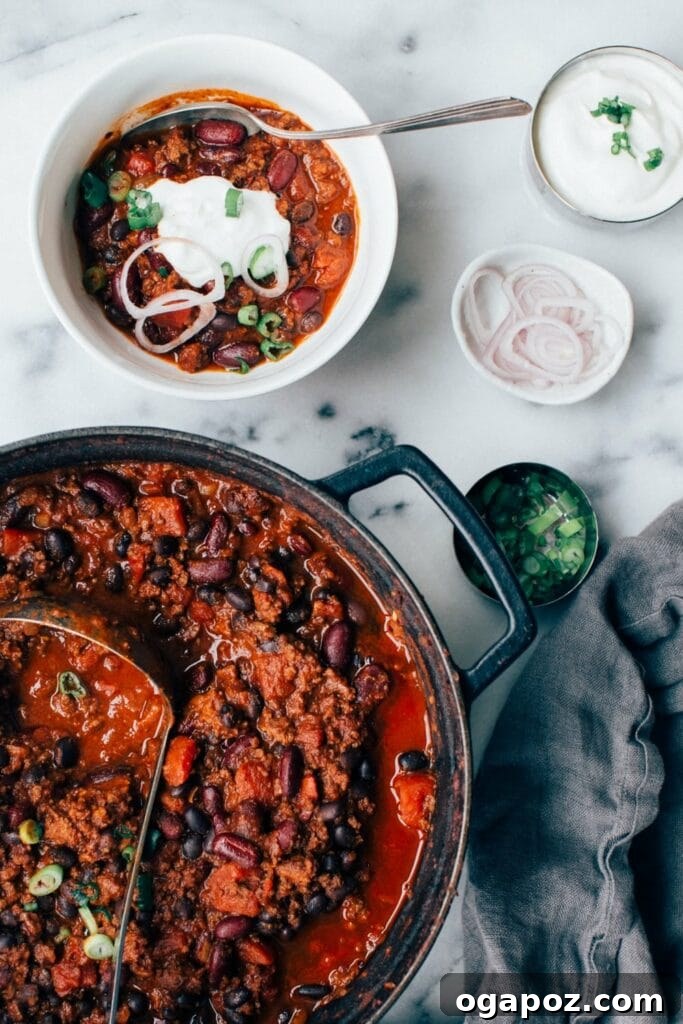
- The Classic Chili Pot: As its name suggests, this seasoning is destined for chili. Whether you’re simmering a rich ground beef Chili Con Carne, a light and hearty Instant Pot Chili with Ground Turkey or Chicken, or a sumptuously creamy Cream Cheese Chicken Chili, a generous amount of this blend will lay down a super flavorful foundation for your go-to recipe. It infuses every spoonful with authentic, deep flavor.
- Flavorful Protein Rub: Take your proteins to the next level. Before grilling, roasting, or pan-frying, generously rub this seasoning onto chicken breasts, beef cuts, pork loin, or even firm tofu. It creates a delicious crust and infuses the protein with a smoky, savory kick. This chili powder is a key ingredient in my incredibly delicious and saucy Slow Cooker Chicken Tacos.
- Base for Other Seasoning Blends: This chili powder serves as an excellent flavor base for crafting other custom spice mixes. For instance, it’s the core ingredient in my versatile Homemade Chicken Taco Seasoning, which is then used to create popular dishes like Chicken Street Tacos and Crispy Chicken Tacos.
- Amp Up Beans and Vegetables: Don’t limit yourself to meat! Sprinkle a tablespoon or two of this seasoning over warm black beans, pinto beans, roasted potatoes, corn, bell peppers, or sautéed vegetables for an instant boost of flavor. It’s an easy way to elevate simple weekday meals or side dishes.
- Sauces and Dips Enhancement: Incorporate a pinch into homemade sauces or dips for an extra layer of warmth and complexity. If you haven’t tried my Baja Sauce recipe yet, it’s a must-try! It’s creamy, cool, tangy, and boasts a perfect hint of spice, making it unbelievably delicious on Baja Fish Tacos or Spicy Fish Tacos with Cabbage Slaw.
- Popcorn and Snacks: For a surprisingly delightful treat, sprinkle a tiny bit of this seasoning over freshly popped popcorn, roasted nuts, or even homemade tortilla chips. It adds an unexpected, addictive savory kick.
Optimizing Freshness: Make Ahead and Storage Tips for Your Chili Seasoning
To ensure your homemade chili seasoning retains its vibrant flavor and aromatic potency for as long as possible, proper storage is paramount. Making a batch ahead of time not only saves you precious time during busy weeknights but also guarantees you always have this fantastic blend at your fingertips. Here’s how to maximize its longevity and quality:
- Make Ahead Advantage: This chili seasoning is perfectly suited for batch preparation. Feel free to double or even triple the recipe and store it, ensuring you’re always prepared whenever the craving for a hearty chili or a spiced-up meal strikes.
- Airtight is Essential: Always store your seasoning blend in a container that forms a tight seal. This prevents exposure to air and moisture, which are the primary culprits behind clumping, loss of aroma, and degradation of flavor.
- Cool and Dark Environment: Spices are sensitive to light and heat. Keep your spice mix in a cool, dark place, such as a pantry, a kitchen cabinet away from windows, or a drawer. Direct sunlight and fluctuating temperatures can quickly diminish the spices’ potency and alter their vibrant color.
- Label and Date Religiously: To maintain optimal freshness, make it a habit to label your container with the date you prepared the seasoning. This simple step helps you track its age and ensures you use it within its peak flavor window.
- Avoid Heat Sources: Never store your seasoning blend near heat-generating appliances like the stove, oven, or even a dishwasher. The warmth can cause the volatile oils in the spices to evaporate prematurely, resulting in a bland seasoning.
- Shelf Life Expectancy: When stored correctly in an airtight container in a cool, dark place, your homemade chili seasoning should retain its full flavor and aroma for up to six months. While it may still be safe to use beyond this period, its potency will gradually decrease.
- A Quick Freshen-Up: If your seasoning has been stored for a while and seems a bit dull, a quick toast in a dry pan for 30 seconds (before adding to your dish, not to the whole batch) can sometimes revive its aromas.
Mastering Your Blend: Final Notes and Expert Secrets for Success
Creating an exceptional homemade chili seasoning is more than just combining spices; it’s about understanding their interplay and how to best unlock their potential. These final notes and expert tips will help you consistently achieve a superior blend that stands out in your cooking.
- Freshness is Paramount: The quality of your final seasoning is directly dependent on the freshness of your individual spices. Always use dried spices that are not past their prime. If a spice doesn’t smell fragrant, it won’t taste fragrant. Regularly check your spice cabinet and replace older spices for the most vibrant and potent flavor.
- Customize the Heat Level: This recipe offers a fantastic baseline, but your personal preference for heat should always guide your adjustments. Love a fiery kick? Feel free to increase the amount of cayenne pepper, or even add a pinch of hotter chile powders like arbol or chipotle. Prefer a milder warmth? Reduce the cayenne and compensate by adding a bit more sweet or smoked paprika for color and depth without the extra spice.
- Unlock Deeper Flavors by Toasting: For an extra layer of depth and intensity, briefly toast the whole spices (like cumin seeds and coriander seeds) in a dry pan over medium heat for 1-2 minutes before grinding them. This process, known as “blooming,” releases their aromatic oils and enhances their flavor significantly. If using pre-ground spices, you can lightly toast the entire blend for about 30 seconds, taking care not to burn them. Allow them to cool completely before storing.
- Optimal Storage is Non-Negotiable: Reiterate the importance of proper storage. An airtight container, kept in a cool, dark place away from light and heat, is crucial for preserving the seasoning’s aroma, color, and potency. Treat your homemade blend like a precious ingredient!
- Layer Flavors for Complexity: While this seasoning is robust, don’t hesitate to layer flavors in your dishes. In addition to using this blend, incorporating fresh ingredients like minced garlic, diced onions, or fresh herbs (cilantro, parsley) can add incredible complexity and vibrancy to your meals, creating a multi-dimensional taste experience.
- Taste and Adjust: Always taste your dishes as you cook and adjust the seasoning as needed. Even with a perfectly balanced blend, the overall flavor of a dish can vary based on other ingredients. This allows you to fine-tune the taste to perfection.
- Personalization is Key: Remember, this recipe is a foundation. Feel empowered to tweak the ingredients and ratios to suit your personal taste preferences. However, if your goal is a direct 1:1 substitution for commercial chili powder, aim to keep the quantity of salt consistent with the original recipe to ensure similar flavor balance in your dishes.
Now, armed with these insights and your perfectly blended homemade chili seasoning, you’re more than ready to whip up a batch of the most flavorful chili you’ve ever tasted, or infuse any meal with its vibrant, authentic essence!
Homemade Chili Powder FAQs
Curious about homemade chili seasoning? Here are quick answers to some of the most commonly asked questions to help you master your blend.
Can I make this chili seasoning blend in advance?
Absolutely! This blend is ideal for making ahead. When stored properly in an airtight container in a cool, dark place, it stays fresh and potent for up to 6 months. This allows you to have a ready-to-use spice mix for whenever you need it.
Is this seasoning blend spicy, and can I adjust the heat?
The heat level is fully customizable based on your choice of chili powders. This recipe includes cayenne for a good kick. For a milder blend, reduce or omit the cayenne and increase paprika. For more heat, add extra cayenne or a pinch of hotter chili powders like arbol or chipotle.
Can this blend be used for dishes other than chili?
Definitely! This is an incredibly versatile blend. It’s fantastic as a rub for meats (chicken, beef, pork), seasoning for roasted vegetables, a flavor enhancer for beans, a base for taco seasoning, or even sprinkled on popcorn or eggs for a savory boost.
What if I don’t have all the spices listed?
While having all the listed spices will yield the most authentic and complex flavor, you can still create a tasty blend with minor omissions. The flavor profile will change, however. For example, if you lack smoked paprika, use regular paprika. If you’re missing ground coriander, the blend will still be good but will lack its subtle citrusy note.
How much of the seasoning should I use in my cooking?
As a general guideline, start with about 2 to 3 tablespoons of this homemade chili seasoning per pound of meat or per 15-ounce can of beans. Always taste as you go and adjust according to your preference and the specific recipe.
Can I reduce the salt in the recipe for dietary reasons?
Yes, you can certainly adjust the salt content to suit your dietary needs or taste preferences. Keep in mind that reducing the salt might slightly alter the overall flavor balance, as salt helps to enhance and marry the other spices. You can always add salt directly to your dish as you cook.
Does this seasoning have any common allergens?
Typically, a pure spice blend like this homemade chili seasoning does not contain common allergens such as gluten, dairy, nuts, or soy. However, if you have severe allergies, it’s always wise to double-check the labels of your individual spices for any potential cross-contamination warnings from the manufacturers.
What is the difference between chili seasoning and chili powder?
In general culinary terms, “chili powder” often refers to the basic blend of ground dried chilies, cumin, garlic, and oregano, etc. “Chili seasoning” can be a broader term for a blend specifically designed to season chili, which might include chili powder as its base but also other unique spices or ingredients for a particular flavor profile. Our recipe here is a comprehensive “chili seasoning” that can replace standard “chili powder.”
What is a good substitute for chili seasoning in a pinch if I don’t have any?
If you find yourself without chili seasoning, a quick emergency blend can be made by combining ground cumin, garlic powder, onion powder, and a dash of cayenne pepper (for heat) and paprika (for color and mild flavor). While not identical, it will provide a similar flavor essence to your dish.
Delightful Mexican Recipes You’ll Adore!
If you’re as passionate about flavor-packed Mexican cuisine as we are, then you absolutely must try these incredibly popular and highly-rated dishes that will transport your taste buds south of the border:
- Cheese Quesadillas: A timeless classic, perfected to achieve gooey, cheesy deliciousness that’s comforting and satisfying for all ages.
- White Chicken Chili:Discover this rich, creamy, and incredibly flavorful chili, featuring tender chicken breast in a luscious, hearty broth. It’s a delightful twist on traditional chili.
- Elotes Salad: Indulge in this super-yummy Mexican Corn Salad, also affectionately known as Esquites or “street corn in a cup.” It’s bursting with vibrant flavors and textures.
- Instant Pot Mexican Rice: This Mexican Rice recipe is incredibly quick, effortlessly easy, and packed with authentic, tasty flavors, making it a perfect side dish for any meal.
- Game Day Nachos: Get ready for your next gathering with over 15+ mouth-watering nacho recipes designed to feed a crowd and make your game day unforgettable.
- Ultimate Ground Beef Tacos: Craft the perfect taco night with these fantastic ground beef tacos, enhanced with our amazing homemade taco seasoning for unparalleled flavor.
★
★
★
★
Chili Seasoning Recipe
Jennifer Pallian BSc, RD
2
0
2
1 cup
Ingredients
- 8 tbsp paprika
- 2 tbsp smoked paprika or more regular paprika
- 1 tbsp cayenne pepper
- 2 tbsp onion powder
- 2 tbsp ground cumin
- 1 tbsp garlic powder
- 1 tbsp dried oregano
- 1 tbsp kosher salt
- 2 tsp ground coriander
Instructions
-
1. Mix the Spices: In a bowl, combine all the ground spices together. Ensure they’re well mixed for an even flavor distribution.
-
2. Taste and Adjust: Give the blend a taste and tweak the salt or heat level to your liking.
Notes
Storage: Store the blend in an airtight container, keeping it in a cool, dry place to maintain freshness. The seasoning can be stored in an airtight container for up to 6 months.
Usage: Use about 2 to 3 tablespoons per pound of meat or per can of beans.
Smoked Paprika: Smoked paprika adds a nice depth and smokiness; you can use regular paprika if that’s what you have on hand.
Nutrition
Calories: 12 kcal | Carbohydrates: 2g | Protein: 1g | Fat: 0.5g | Saturated Fat: 0.1g | Polyunsaturated Fat: 0.2g | Monounsaturated Fat: 0.1g | Sodium: 221mg | Potassium: 74mg | Fiber: 1g | Sugar: 0.3g | Vitamin A: 1215IU | Vitamin C: 0.4mg | Calcium: 14mg | Iron: 1mg
Nutrition information is automatically calculated, so should only be used as an approximation.
Tried this recipe? Leave a comment!