
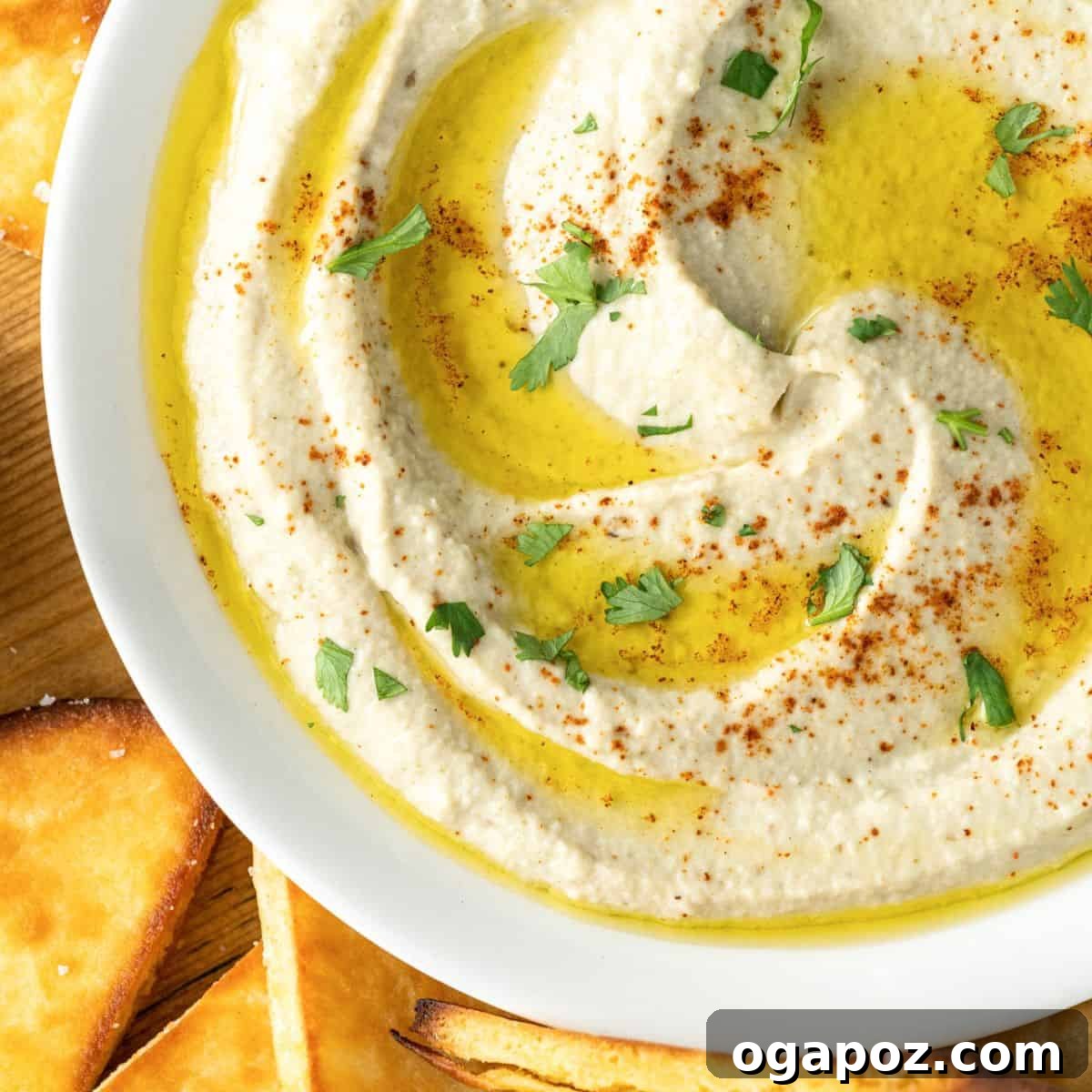
Baba Ghanoush is more than just a dip; it’s a culinary journey into the heart of Middle Eastern flavors. This classic Mediterranean appetizer is renowned for its delightful combination of smoky roasted eggplant, creamy tahini, bright lemon juice, pungent garlic, and a hint of rich olive oil. It’s a remarkably light and healthy vegan snack or side dish, perfect for dipping with warm pita bread or fresh vegetables. But its versatility doesn’t end there—imagine it spread on sandwiches, enhancing wraps, or served alongside grilled meats and vibrant veggies for a truly elevated meal experience.
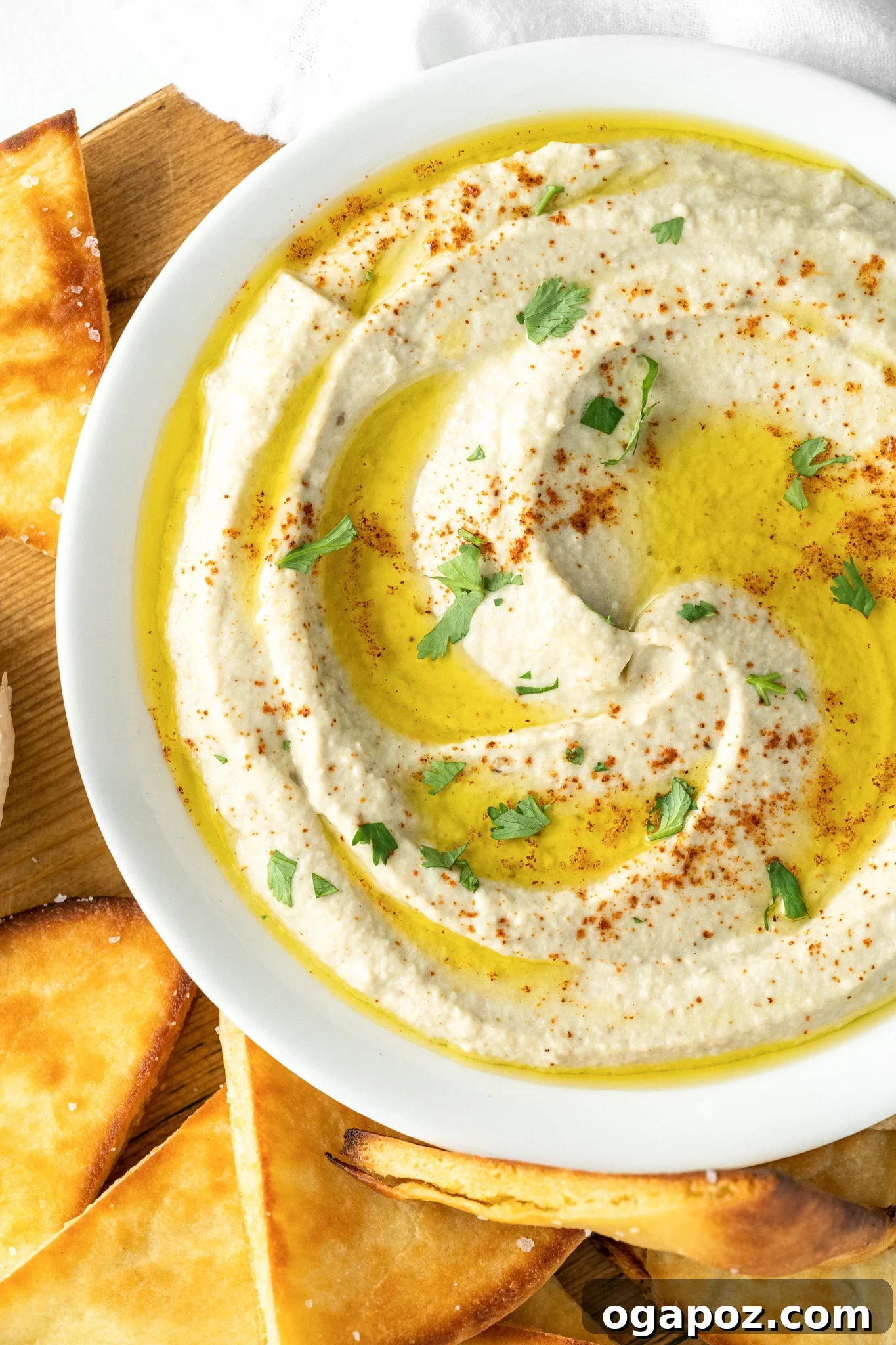
Today’s recipe dives deep into making authentic Baba Ghanoush, a staple that graces tables across the Middle East. Often enjoyed as an appetizer (mezze) or a flavorful side dish, it stands as one of the most beloved dips in the region. Its unique texture and tantalizing smoky notes make it an irresistible addition to any feast.
In many families, including my own, gatherings are incomplete without a lavish spread of Middle Eastern delights. Alongside classics like Hummus, you’ll often find Baba Ghanoush, complemented by dishes such as savory Grilled Beef Kofta Kebabs, a refreshing Easy Lebanese Salad, and a hearty Mediterranean Bean Salad. These dishes collectively create an unforgettable culinary experience.
This particular recipe holds special significance, having been passed down through generations. My grandma first introduced me to the art of making Baba Ghanoush, a true testament to the timeless wisdom found in ancestral traditions. While my affection for hummus is undeniable, I’ve recently reconnected with the charm of Baba Ghanoush, especially with eggplant now abundantly available in farmers’ markets and home gardens during the summer months. It’s a reminder of the rich tapestry of flavors waiting to be explored.
Across the diverse cultures of the Middle East, Baba Ghanoush is prepared and spelled in various ways, reflecting regional nuances. “Baba Ghanouj” is another common spelling you might encounter, highlighting the beautiful diversity within this culinary tradition. Regardless of spelling, the core elements of roasted eggplant and vibrant seasonings remain, making it a universally cherished dish.
Our easy Baba Ghanoush recipe is not only naturally vegan but also surprisingly simple to prepare. The most time-consuming step involves roasting or grilling the eggplant, which is crucial for developing its signature smoky depth. Once that’s done, the rest of the process is quick and straightforward, allowing you to enjoy this flavorful dip with minimal effort. The reward is a creamy, rich dip with a delightful smoky undertone that elevates any meal or snack.
Summer offers a bounty of fresh eggplant, inspiring a host of delicious recipes. Beyond Baba Ghanoush, I frequently prepare dishes such as this vibrant Mediterranean Eggplant Salad, the classic French country stew Ratatouille, and a wholesome Mediterranean Eggplant Chickpea Salad. Each recipe showcases the incredible versatility of eggplant, transforming it into satisfying and flavorful meals.
Essential Ingredients for Authentic Baba Ghanoush
Crafting the perfect Baba Ghanoush starts with selecting the right ingredients. Each component plays a vital role in achieving that distinct smoky, tangy, and creamy flavor profile. Below is a detailed look at what you’ll need for this delicious dip. For exact measurements and comprehensive instructions, please refer to the full recipe card further down the page.
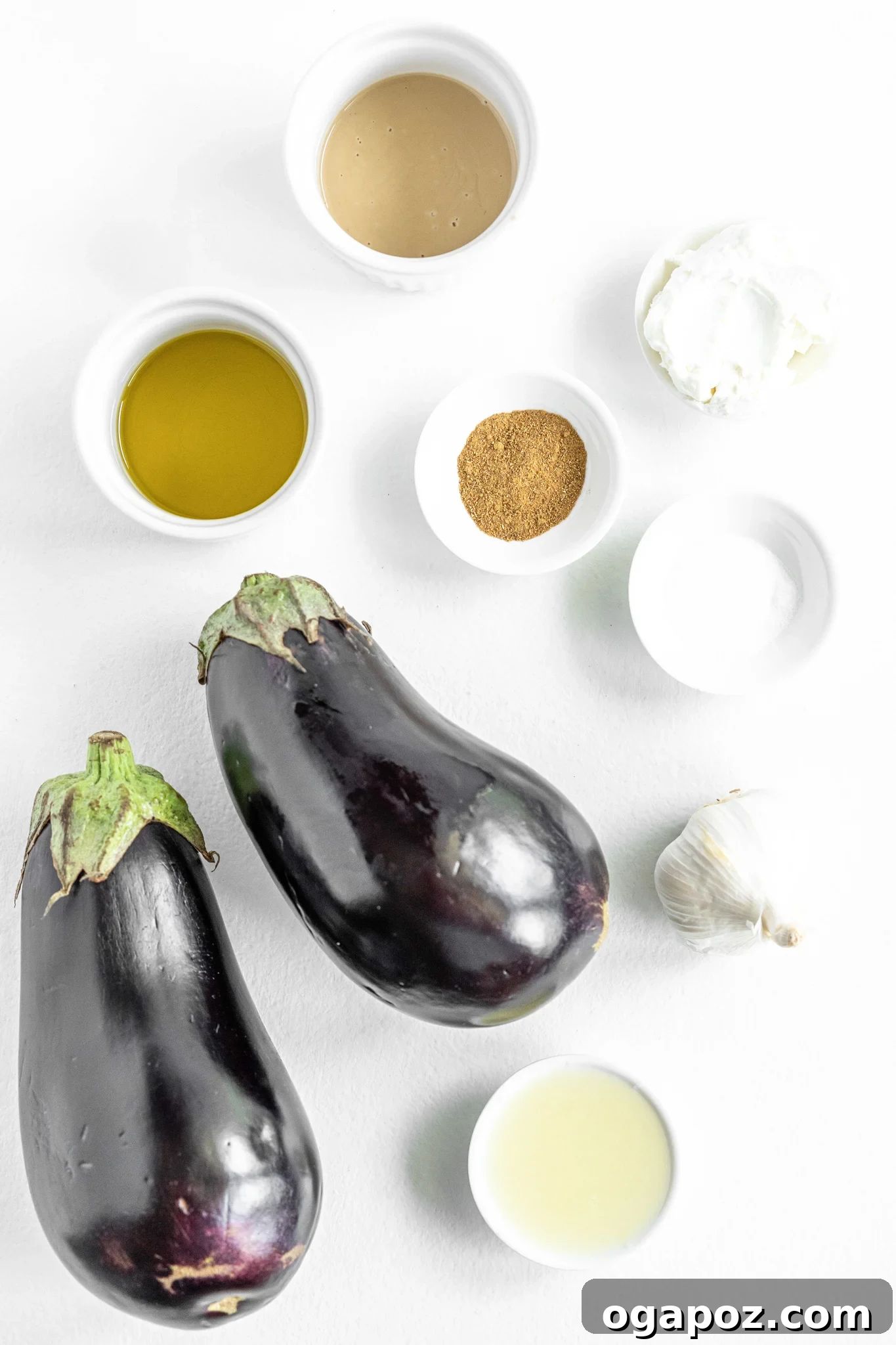
- Eggplant: The star of Baba Ghanoush! For this recipe, I recommend using two small globe eggplants or one medium globe eggplant. Larger eggplants can also be used; simply adjust the amount of tahini and seasonings to maintain the perfect balance. The goal is to get the eggplant incredibly soft and charred, whether by roasting or grilling, to infuse the dip with its signature smoky essence. Fresh, firm eggplants with shiny skin are ideal.
- Tahini: This rich sesame paste is absolutely crucial for achieving the characteristic creamy texture and nutty flavor of Baba Ghanoush. It acts as a natural emulsifier, binding the ingredients together into a smooth, luxurious dip. High-quality tahini makes a noticeable difference, so opt for a brand that is well-stirred and has a smooth consistency.
- Lemon Juice: Freshly squeezed lemon juice is paramount. Its bright, zesty acidity cuts through the richness of the tahini and eggplant, balancing all the flavors beautifully. While bottled lemon juice can be used in a pinch, fresh lemons offer an unparalleled vibrancy that elevates the dip. Don’t be shy with the lemon; it’s key to the dip’s refreshing tang.
- Garlic: A few cloves of fresh garlic are essential for adding a pungent, aromatic kick. Minced garlic integrates seamlessly into the dip, providing depth without overpowering the other flavors. Adjust the amount to your personal preference – some enjoy a bolder garlic presence, while others prefer it subtle.
- Extra Virgin Olive Oil: Used both in the dip itself and as a luscious drizzle on top for serving, good quality extra virgin olive oil adds a fruity, peppery note. It contributes to the dip’s smooth mouthfeel and enhances its overall richness. A generous swirl before serving also makes for a beautiful presentation.
- Greek Yogurt: This is an entirely optional addition, but highly recommended if you desire an even creamier, tangier dip with an added boost of protein. Keep in mind that including Greek yogurt will make the dish non-vegan. I’ve prepared Baba Ghanoush both with and without yogurt, and both versions are delicious, so feel free to choose based on your dietary preferences and desired texture.
- Spices: While Baba Ghanoush is incredibly flavorful with just the core ingredients, a pinch of ground cumin can add a wonderful earthy warmth. This spice is optional, and the dip is fantastic without it, but it offers another layer of traditional Middle Eastern flavor that many appreciate. Salt and pepper are also essential to season the dip to taste, bringing out all the vibrant notes.
Ways to Modify and Enhance Your Baba Ghanoush
One of the beauties of Baba Ghanoush is how adaptable it is. Whether you’re looking to deepen its smoky flavor, adjust its creaminess, or experiment with various garnishes and serving styles, there are countless ways to customize this classic dip to your liking. Here are some popular modifications and tips to make your Baba Ghanoush truly exceptional:
- Amplify Smoky Flavor: The characteristic smokiness comes from properly roasting or grilling the eggplant. If you’re unable to grill or char your eggplant sufficiently, you can still achieve a smoky taste. A tiny dash of liquid smoke added to the finished dip can mimic the grilled flavor. Alternatively, using smoked paprika or a pinch of smoked salt can also impart a subtle smoky nuance.
- Adjusting Tahini Paste: Tahini is fundamental to Baba Ghanoush’s creamy texture and nutty profile. The amount of tahini can be adjusted based on your preference. For a richer, thicker, and nuttier dip, add a bit more. If you prefer a lighter consistency or a less intense tahini flavor, start with less and add gradually until you reach your desired taste and texture. Remember to stir your tahini well before measuring, as the oil can separate.
- Creative Garnishes: Garnishes not only add visual appeal but also introduce additional layers of flavor and texture. Some of my favorite ways to finish Baba Ghanoush include a sprinkle of fresh chopped parsley or mint for freshness, a dusting of sumac for a lemony tang, za’atar for earthy depth, or a pinch of cayenne red pepper for a subtle kick. Toasted sesame seeds add crunch, while a generous drizzle of extra virgin olive oil is always a must. Olives or even a few toasted pine nuts can also be delightful additions.
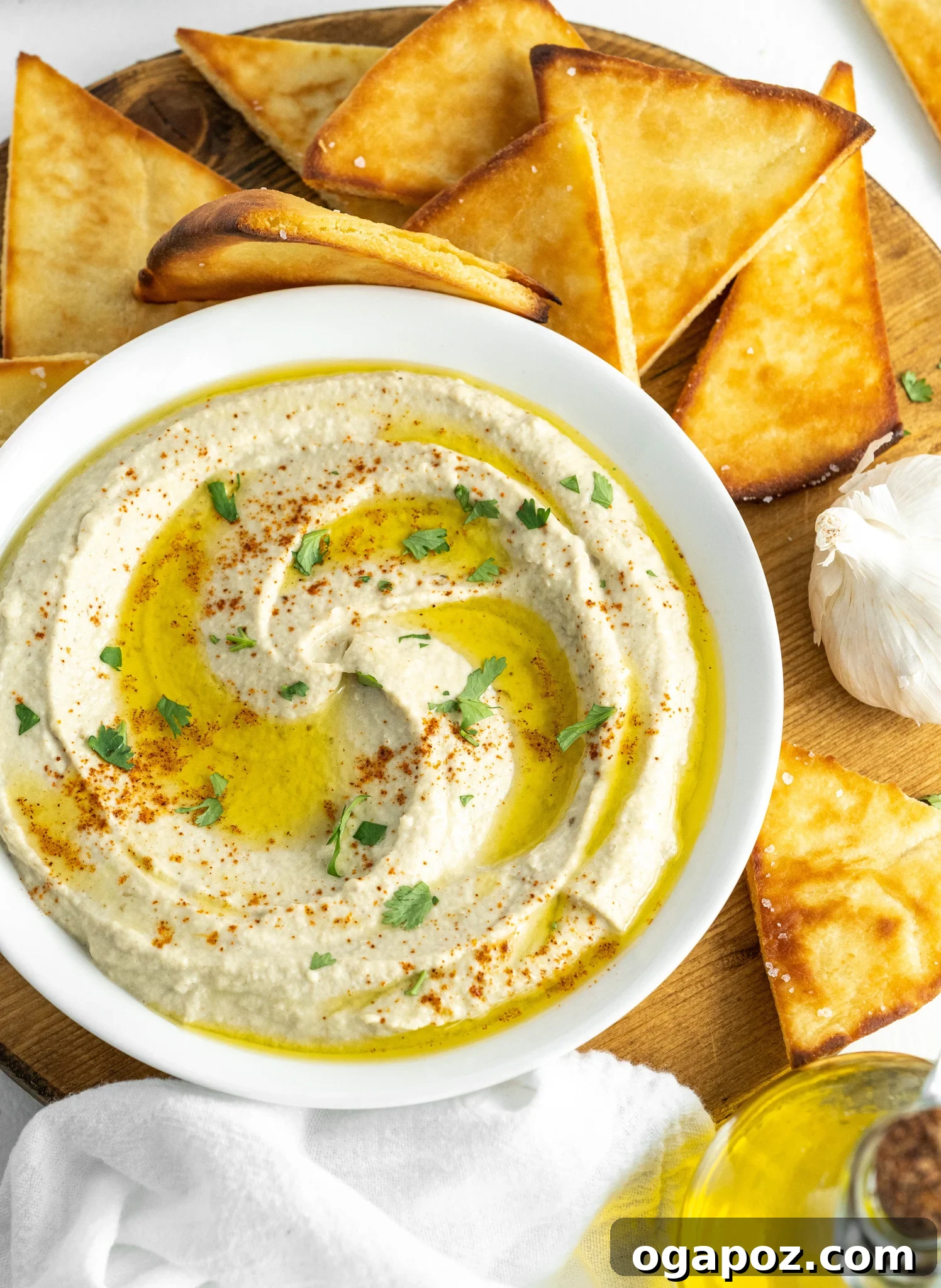
- Versatile Serving Options: Baba Ghanoush is incredibly versatile and pairs well with a multitude of accompaniments. Traditionally, it’s served with warm pita bread or homemade pita chips. Beyond these, consider serving it with an array of fresh vegetables like cucumber slices, bell pepper strips, carrot sticks, or cherry tomatoes for a healthy, crunchy option. Crackers, pretzels, or crusty artisanal bread also make excellent dippers.
- Spice It Up: Don’t hesitate to play with spices to tailor the flavor profile to your palate. For those who enjoy a bit of heat, a pinch of crushed red pepper flakes or cayenne red pepper can add a vibrant warmth. If you crave a more intense lemony note, sumac is your secret weapon. For an earthy, herbal, and slightly tangy flavor, a generous sprinkle of za’atar is perfect. Experiment to find your perfect balance!
- Beyond a Dip: Other Culinary Uses: Baba Ghanoush is fantastic beyond just dipping. It makes an excellent spread for wraps, sandwiches, or even gourmet pita sandwiches. Incorporate it into a nourishing Buddha bowl or a flavorful quinoa bowl for added creaminess and nutrition. It can even serve as a unique topping for grilled chicken or fish, bringing a Middle Eastern flair to your main courses.
Mastering the Art of Making Baba Ghanoush: Step-by-Step Guide
Creating delicious homemade Baba Ghanoush is a straightforward process, primarily revolving around properly cooking the eggplant to achieve that desired smoky flavor and tender consistency. Follow these detailed steps for a perfect dip every time:
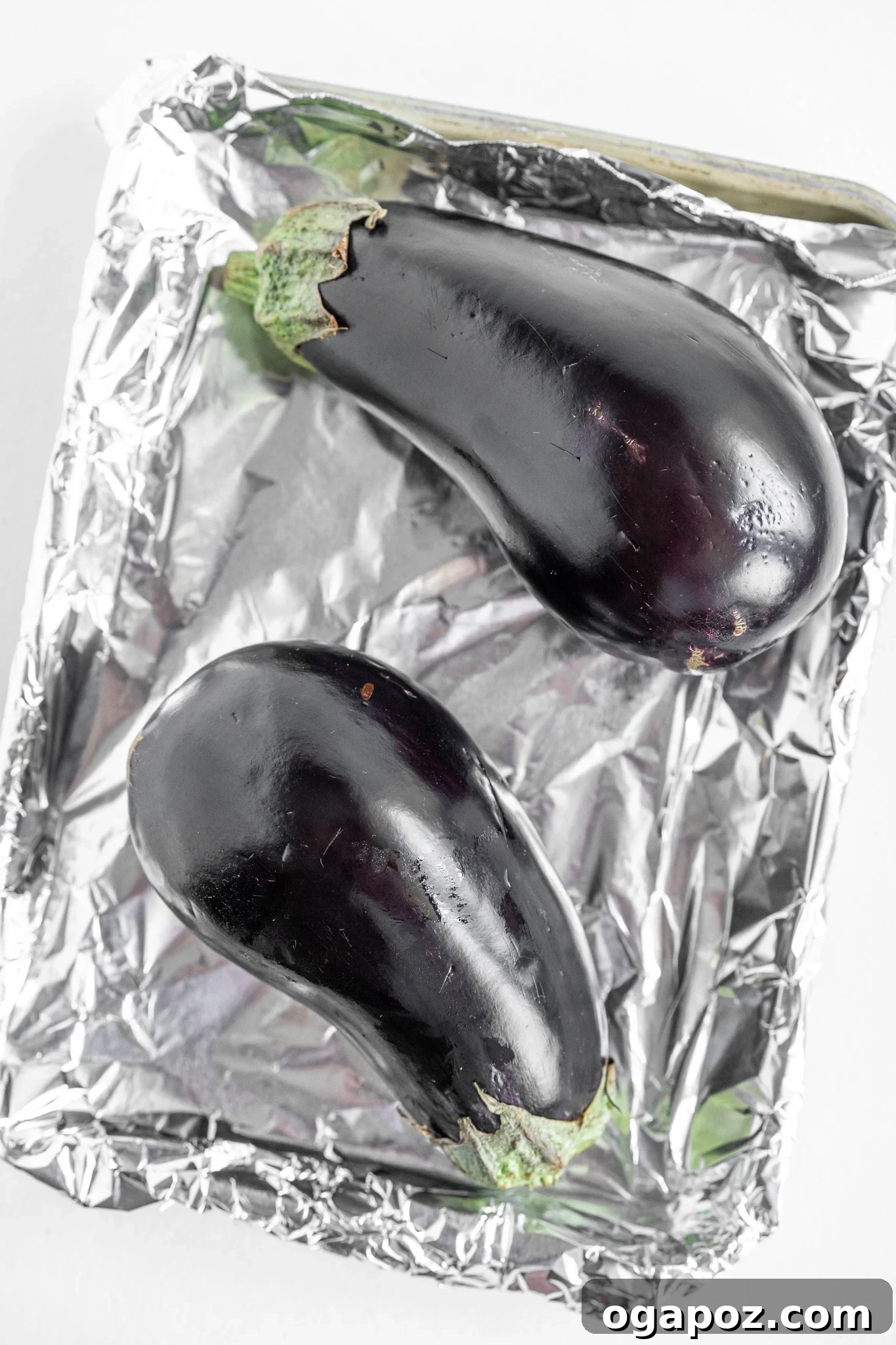
Step 1. Prepare the Eggplant for Roasting: Begin by preheating your oven to 400 degrees Fahrenheit (200 degrees Celsius). Line a baking sheet with aluminum foil for easy cleanup. Using a sharp paring knife, carefully poke several holes all around the eggplant’s skin. These holes allow steam to escape during baking, preventing the eggplant from bursting and helping it cook more evenly and thoroughly. Place the prepared eggplant on the lined baking sheet.
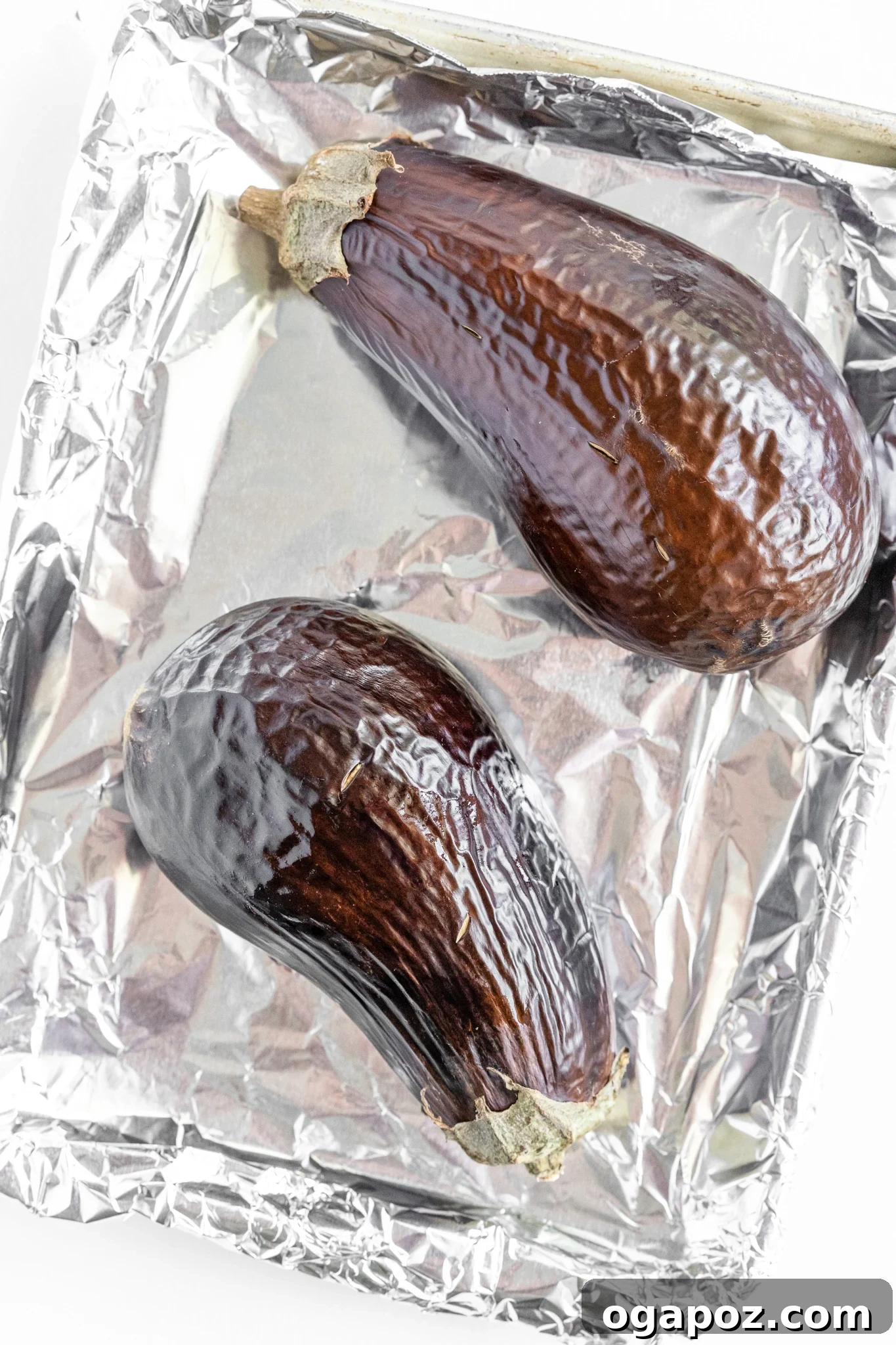
Step 2. Roast the Eggplant to Perfection: Place the baking sheet with the eggplant into the preheated oven. Roast the eggplant until its skin becomes visibly wrinkled, shriveled, and slightly charred in places, and the flesh inside is incredibly soft and collapses when pressed. This typically takes about 40 to 55 minutes, depending on the size of your eggplant. For even cooking and charring, remember to turn the eggplant over once halfway through the roasting time.
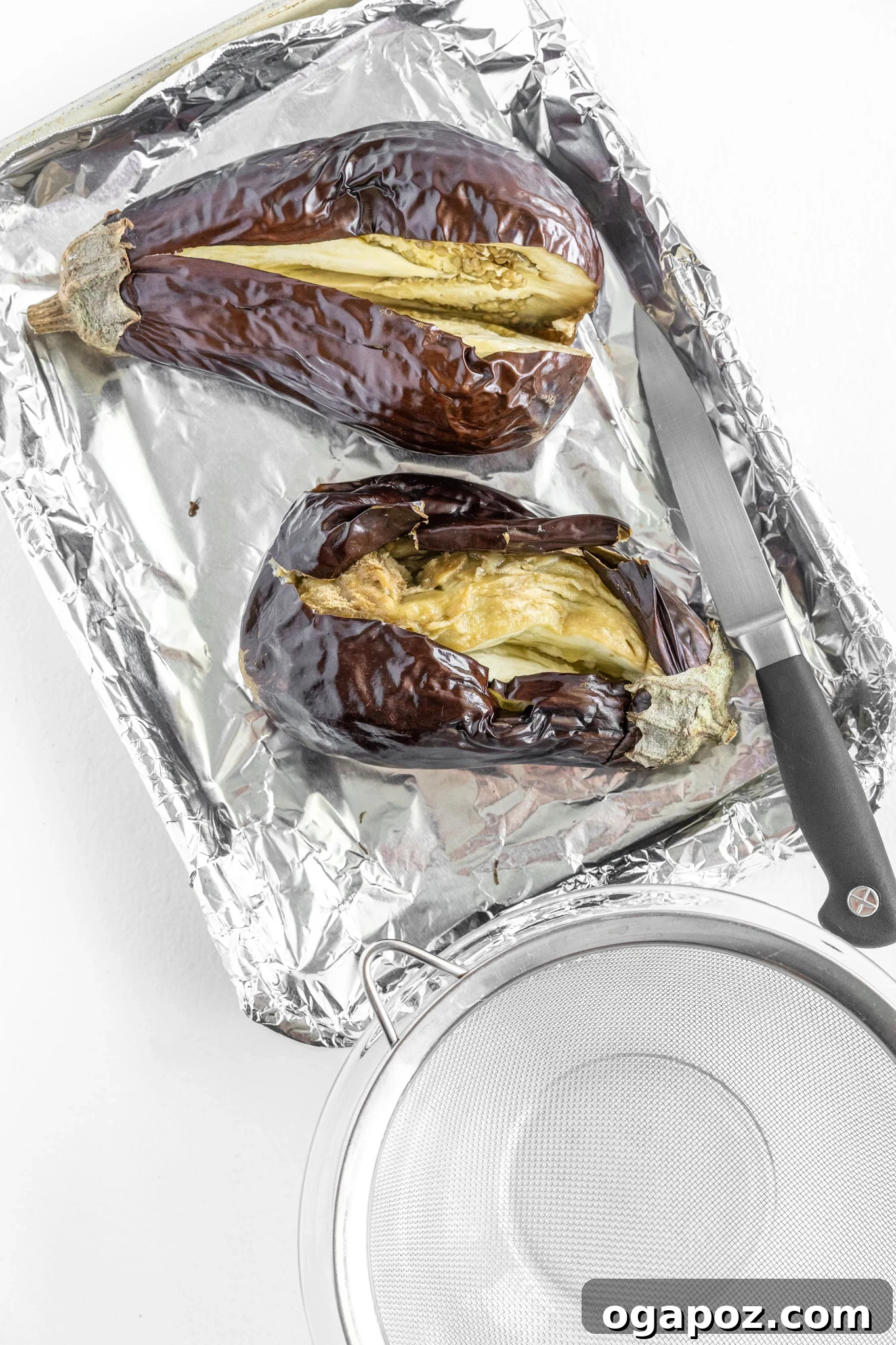
Step 3. Scoop Out the Tender Flesh: Once the eggplant is fully roasted, remove it from the oven and let it cool down slightly until it’s comfortable enough to handle. Carefully cut the eggplant open lengthwise. Using a spoon, scoop out all the soft, cooked flesh from inside, leaving the charred skin behind. Discard the skin, as its bitterness can affect the dip’s flavor.
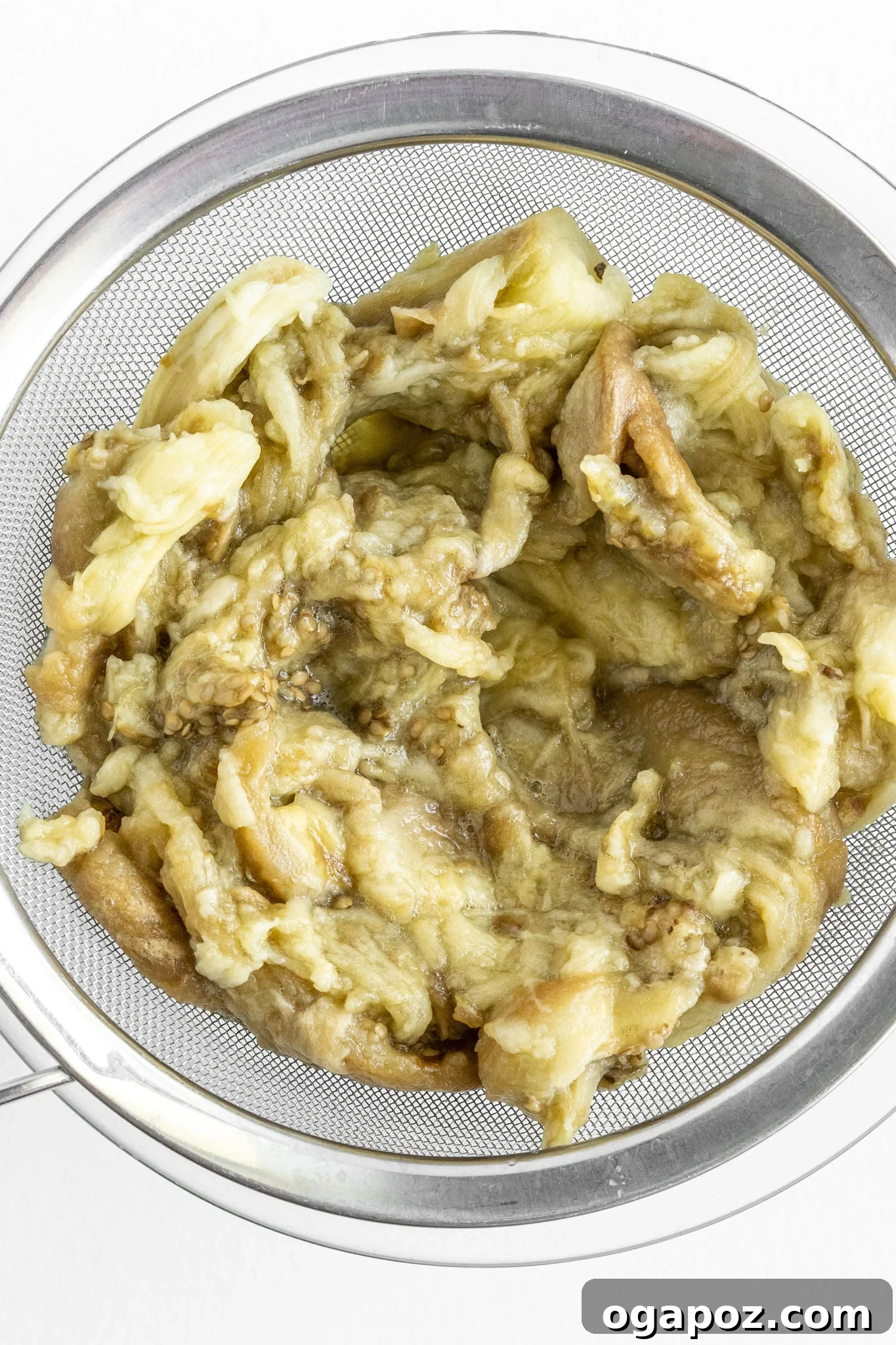
Step 4. Strain the Eggplant Flesh: This is a crucial step for preventing a watery Baba Ghanoush. Transfer the scooped eggplant flesh into a fine mesh sieve set over a bowl. Allow it to sit and drain for at least 15-20 minutes, or even longer, gently pressing down on the eggplant with the back of a spoon to extract as much excess liquid as possible. This process ensures a rich, creamy, and concentrated dip. Once drained, transfer the eggplant flesh to a large mixing bowl.
Step 5: Blend for Creaminess: Begin by adding the minced garlic to a food processor and pulse a few times to finely chop it. This ensures no large pieces of raw garlic remain. Next, add the drained eggplant flesh, tahini, fresh lemon juice, salt, and cumin (if using) to the food processor. If you’re opting for Greek yogurt for extra creaminess, add it now as well. Process all the ingredients until they are well-combined and achieve a smooth, creamy consistency. Some prefer a slightly chunkier Baba Ghanoush, in which case you can pulse less; for a silky-smooth dip, process until completely pureed.
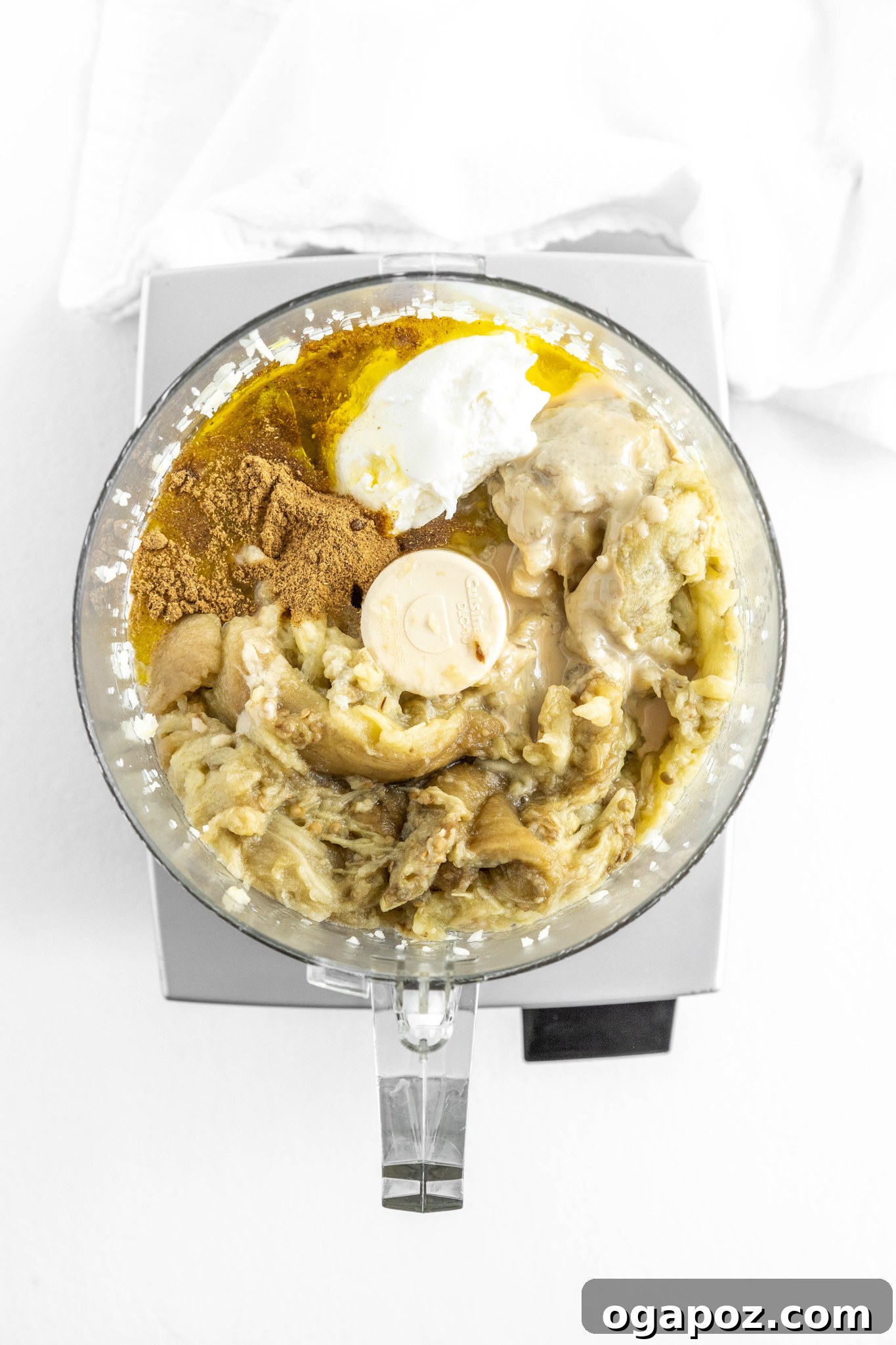
Step 6. Serve and Garnish: Transfer the freshly made Baba Ghanoush to a shallow serving bowl. Create a small well in the center of the dip and generously drizzle about 2 tablespoons of extra virgin olive oil over the top. This not only adds richness but also enhances the presentation. Finally, garnish your eggplant dip with your favorite toppings such as fresh minced parsley, toasted pine nuts, a dusting of sumac, or a sprinkle of za’atar. Serve immediately with warm pita bread, pita chips, or an assortment of fresh vegetables.
Recipe Tip: For an unparalleled depth of flavor, take advantage of your grill! If you’re already grilling on the weekends, simply place an eggplant or two directly on the grill grates alongside your other foods. The smoky char achieved over an open flame imparts an incredible, authentic flavor to the eggplant that is truly unmatched by oven roasting.
Elevate Your Dip: How to Grill Eggplant for a Deeper Smoky Flavor
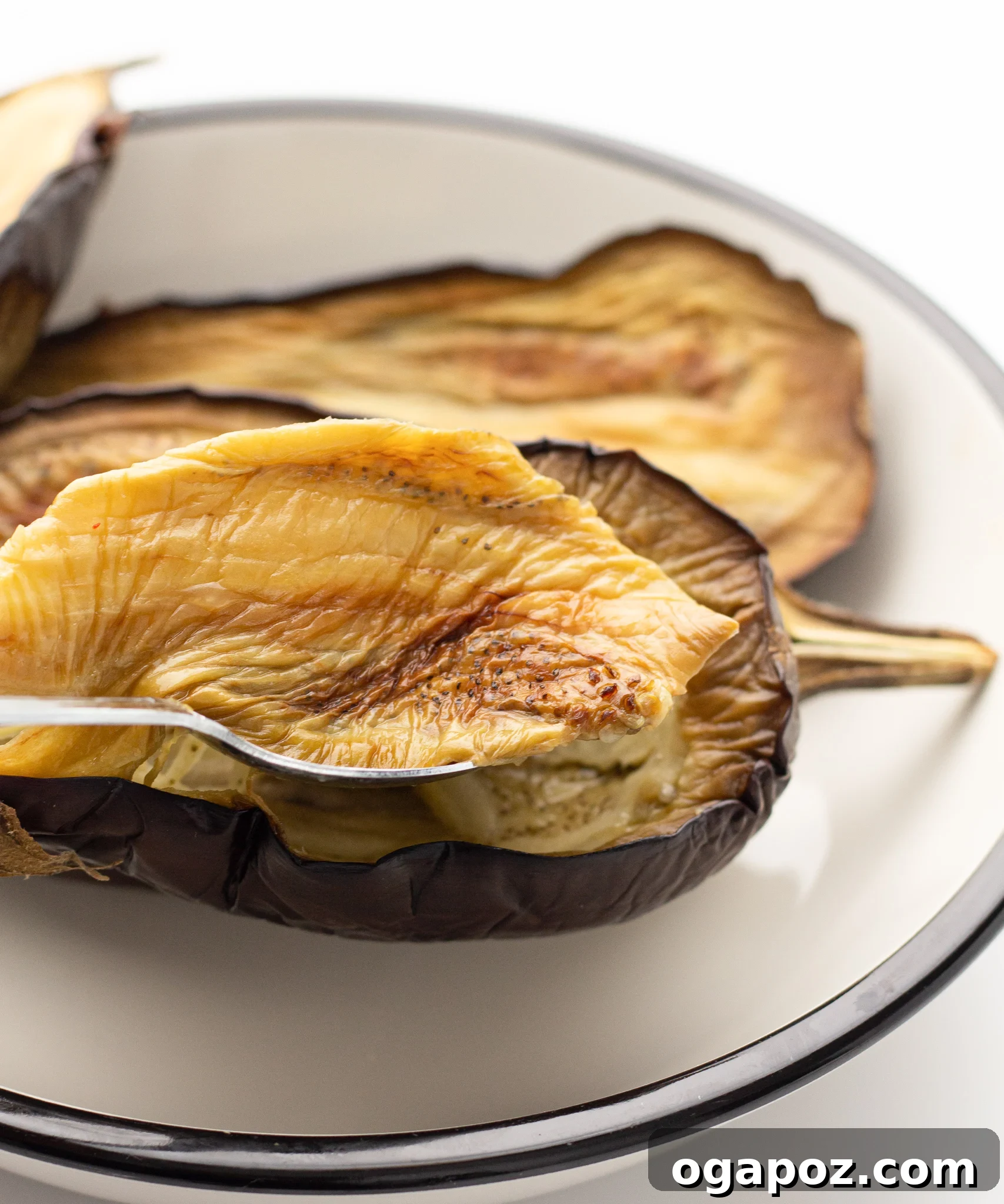
Grilling eggplant for Baba Ghanoush is a fantastic way to impart an intensely smoky flavor that truly elevates the dip. The char from the grill adds a delicious depth that oven roasting can’t quite replicate. Here’s how to grill eggplant perfectly:
Begin by preheating your grill to medium-high heat. Ensure the grates are clean and lightly oiled to prevent sticking.
Step 1. Prepare the Eggplant Slices: Wash and dry your eggplant. For grilling, it’s often best to slice the eggplant into rounds, about 1/2 to 3/4 inch thick. This allows for even cooking and good charring. Arrange the eggplant slices on a baking sheet and generously rub salt on both sides of each slice. Let them sit for about an hour. This step helps draw out excess moisture, which prevents the eggplant from becoming watery and allows it to achieve a better texture and absorb flavors more effectively.
Step 2. Pat Dry: After the eggplant has rested and released its moisture, use paper towels to thoroughly pat each slice dry. Removing this excess water is key to getting a good sear and preventing a soggy dip.
Step 3. Season for Grilling: Lightly drizzle each eggplant slice with extra virgin olive oil, then use a brush to ensure both sides are evenly coated. This helps prevent sticking and promotes browning. Sprinkle both sides generously with salt and freshly ground black pepper. You can also add other seasonings like garlic powder or a pinch of dried oregano at this stage if desired.
Step 4. Grill to Perfection: Carefully place the seasoned eggplant slices directly onto the hot grill grates. Cook for approximately 4-5 minutes per side, or until the eggplant slices are beautifully browned, tender, and show distinct grill marks. You want them to be slightly charred, indicating that smoky flavor is developing, but not completely burnt. The eggplant should feel soft when pressed.
Step 5. Cool and Collect the Flesh: Once grilled, remove the eggplant slices from the grill and let them cool down to a manageable temperature. When cool enough, carefully cut off the top and peel away the charred skin. The flesh should be incredibly tender and easy to separate. Discard the skin and collect all the soft, smoky eggplant flesh. This grilled eggplant flesh is now ready to be processed into your flavorful Baba Ghanoush following the subsequent steps of the main recipe.
Storage and Longevity Tips for Baba Ghanoush:
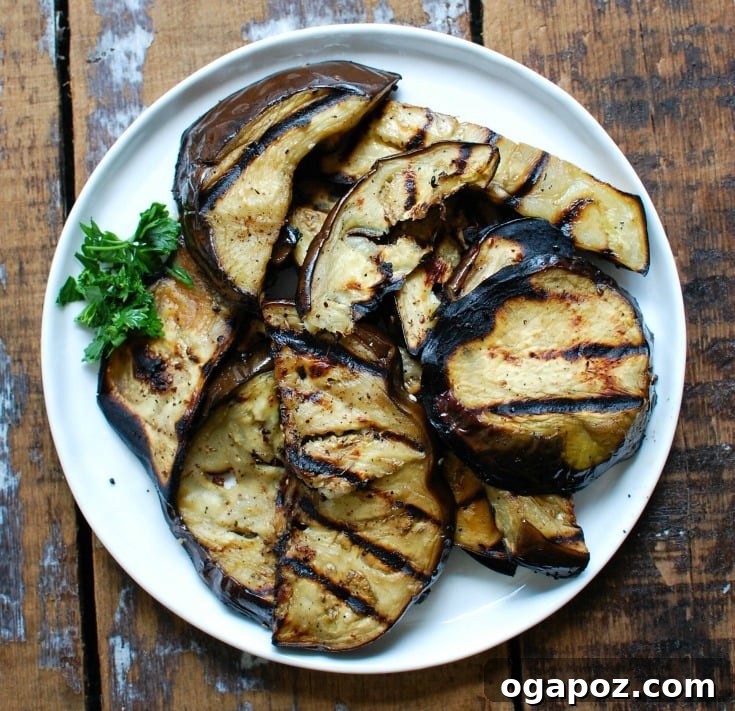
Proper storage is key to enjoying your homemade Baba Ghanoush for days. To keep it fresh and flavorful, transfer the dip into an airtight container immediately after preparing. It will happily store in the refrigerator for 3 to 4 days. For an extra layer of freshness and to prevent discoloration, create a thin layer of extra virgin olive oil over the surface of the dip before sealing the container. This acts as a protective barrier, keeping the air out and the flavors locked in.
Before serving chilled Baba Ghanoush, allow it to sit at room temperature for about 15-20 minutes. This allows the flavors to meld and the texture to soften slightly, enhancing the overall experience. A quick stir and a fresh drizzle of olive oil can also revitalize the dip before serving.
Frequently Asked Questions About Baba Ghanoush
A perfectly cooked eggplant for Baba Ghanoush should be incredibly soft and collapsed, with its skin visibly wrinkled and potentially charred. To test for doneness, gently pierce the skin with a paring knife; it should slide in with very little resistance. If there’s any firmness, continue roasting or grilling until it’s completely tender throughout.
The secret to super creamy Baba Ghanoush lies in a few steps. First, ensure your eggplant is cooked until incredibly soft and well-drained of excess liquid. Second, use a food processor to puree the ingredients until silky smooth. For an added boost of creaminess and a slight tang, incorporating a couple of tablespoons of Greek yogurt (making it non-vegan) during blending works wonders. If you prefer a more rustic texture, you can mash the eggplant with a fork or potato masher instead of using a food processor, which results in a delightful chunkier dip.
Bitterness in Baba Ghanoush can often stem from a few sources. Over-charred eggplant skin can impart a bitter taste, so be sure to discard all skin. Undercooked eggplant can also contribute to bitterness; ensure it’s fully tender. If you find your dip tastes bitter, you can often balance it out by adding a little more tahini for richness, a squeeze of fresh lemon juice for brightness, or even a tiny pinch of sugar to mellow the bitterness. Salting and draining the eggplant before cooking, especially if using larger, older eggplants, can also help reduce bitterness.
Explore More Mediterranean & Middle Eastern Dips:
Vegetarian
Lemon Hummus
Mediterranean
Lemon Whipped Feta Dip
Appetizers
Lebanese Style Hummus
Appetizers
Roasted Red Pepper Hummus
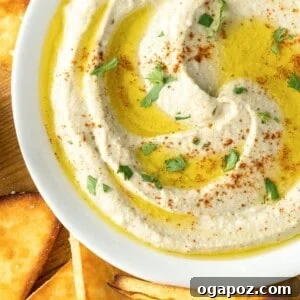
Baba Ghanoush Recipe
Ingredients
- 1 1/2 to 2 pounds eggplant, rinsed and patted dry (2 smallish globe eggplants, or 1 medium globe eggplant)
- 4 1/2 tablespoons extra-virgin olive oil, divided
- 3 cloves garlic, peeled, minced
- 4 tablespoons tahini
- 2 tablespoons fresh lemon juice
- 2 tablespoons Greek yogurt {optional for a creamier dip but won’t be vegan}
- 1/2 teaspoon salt, or more to taste
- 3/4 teaspoon cumin
- Fresh minced parsley, sumac, cayenne pepper, toasted pine nuts and a drizzle of olive oil for garnish
- Fresh pita bread or pita bread chips, fresh vegetables, such as sliced cucumber or bell pepper strips for serving
Instructions
-
Preheat the oven to 400F (200C). Line a baking tray with foil. Use a paring knife to poke a few holes in the eggplant’s skin, and then place it on the prepared tray.
-
Roast until the eggplant is wrinkled and soft, about 40 to 55 minutes, turning over once halfway through. Once cool enough to handle, cut the eggplant open and scoop out the flesh (discard the skin).
-
Strain the eggplant flesh through a fine mesh sieve to drain off excess liquid. Add the garlic to a food processor and pulse a few times to chop.
-
Add the eggplant, tahini, lemon juice, salt, and cumin (and Greek yogurt if using) to the food processor. Pulse until it’s well-combined. It doesn’t have to be completely pureed unless you prefer it completely smooth.
-
Transfer the eggplant dip to a shallow bowl. Drizzle the remaining 2 tablespoons of olive oil on top. Add any additional toppings you like and serve with fresh pita bread, pita chips, or fresh vegetables.
Notes
- Feel free to use a fork or masher to make this dip, especially if you like a chunkier texture. In restaurants, you will often see a version that is chunkier, so many of you might prefer that.
- This is a great spread on pita sandwiches or as a side dish for dipping with grilled meat plates.
- You can grill the eggplant instead of roasting to add an even more pronounced smoky flavor to the dip.
Nutrition
Nutrition information is automatically calculated, so should only be used as an approximation.