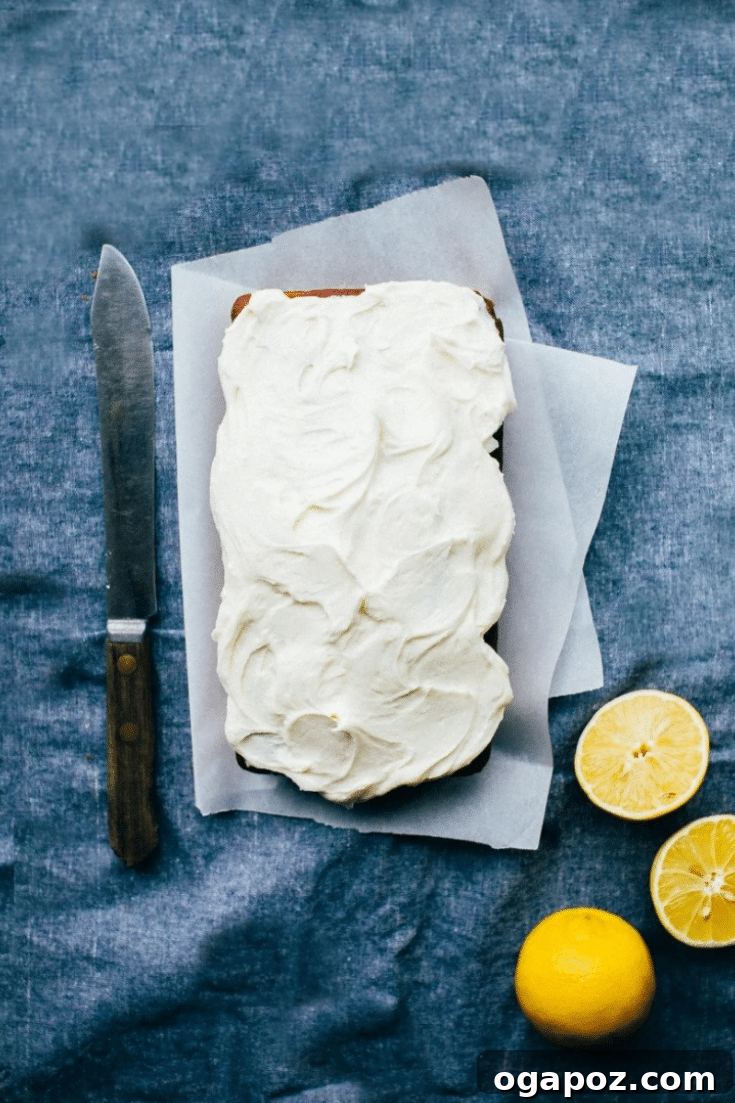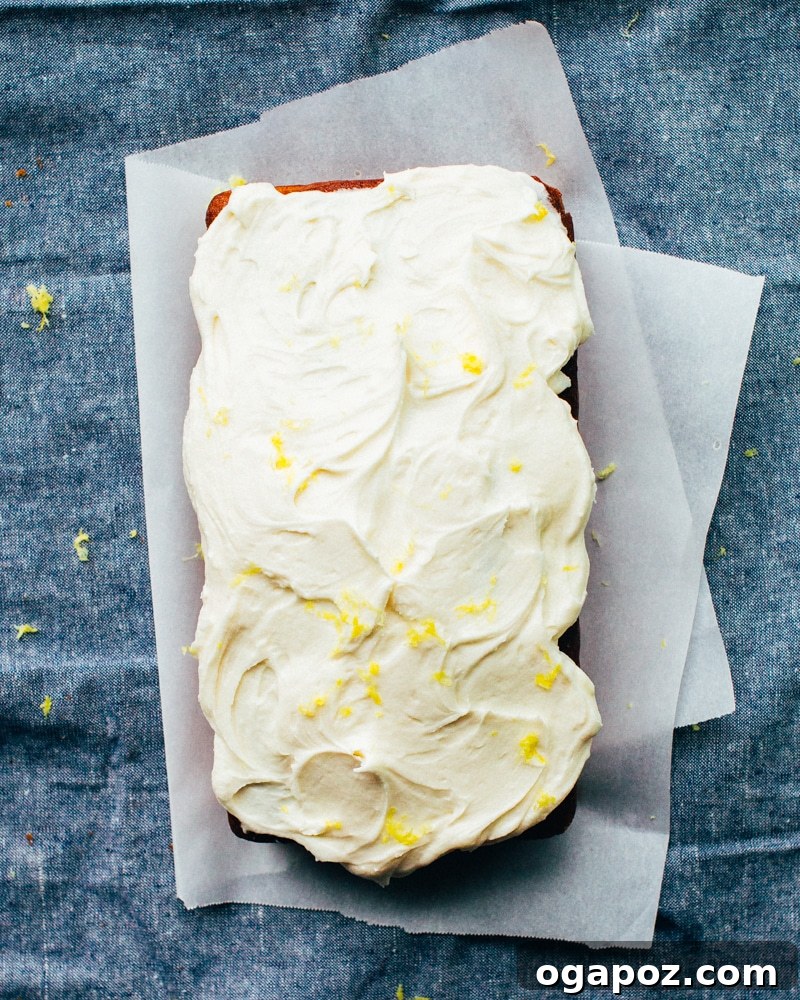
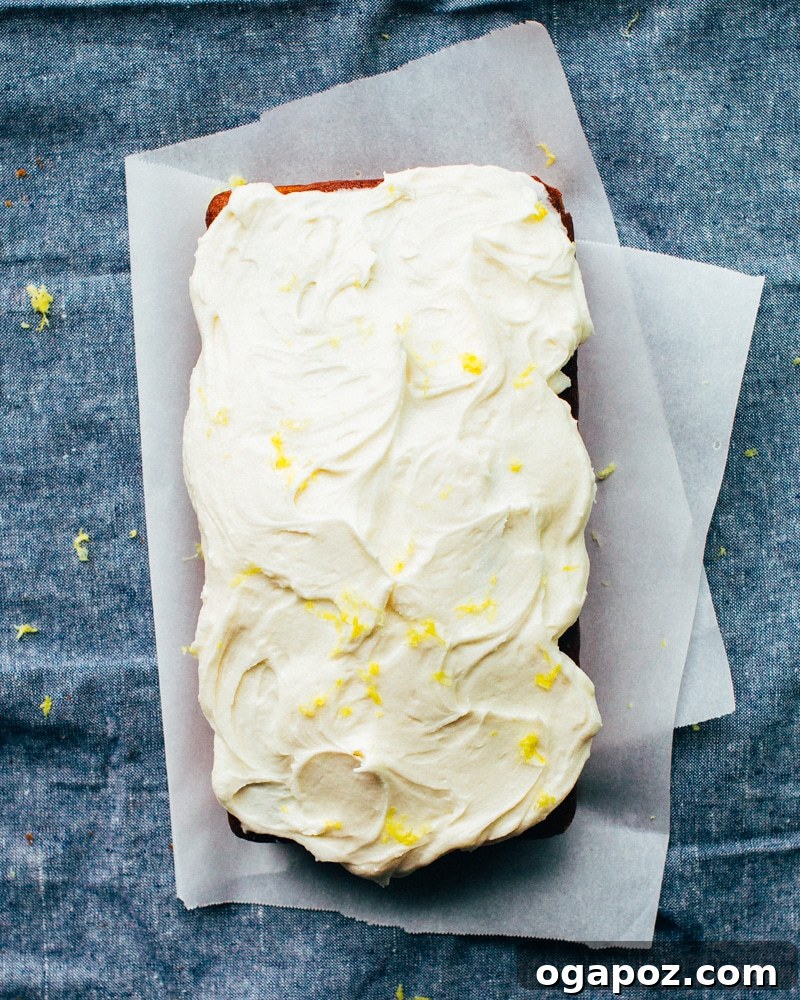
Hello baking enthusiasts and dessert lovers! I know it’s been a little quiet around here, but I’ve been immersed in an exciting new side project that I can’t wait to share more about soon. To make up for my absence, I’m bringing you cake – because what better way to reconnect than over a slice of pure delight? Today, we’re diving into the world of my favorite **Lemon Pound Cake**, a recipe that promises a perfectly tender vanilla cake base, crowned with an irresistible, vibrant lemon glaze and finished with a dreamy, fluffy frosting.
This particular Lemon Pound Cake recipe is a nostalgic trip for me, inspired by the classic vanilla pound cake with vanilla frosting and a hint of tangy lemon glaze that my mom used to buy from the grocery store when I was a child. That subtle yet addictive lemon kick always made it special, and I’ve strived to capture that very essence, enhancing it for a homemade experience that truly shines. It’s more than just a cake; it’s a taste of cherished memories, recreated with love and a passion for perfect baking.
What makes this cake truly versatile is the power of choice you have in customizing its citrus profile. If you’re a true lemon aficionado and desire a glorious **triple lemon loaf**, simply incorporate one tablespoon of finely grated lemon zest (a microplane works wonders for this!) directly into the cake batter. For the frosting, substitute the milk with fresh lemon juice to amplify that bright, zesty flavor throughout. However, if your heart yearns for a classic, comforting vanilla pound cake without the citrus notes, you can easily swap the lemon juice in the glaze for water. Even without the lemon, the glaze remains a crucial step, locking in moisture and ensuring your cake stays incredibly tender and fresh for longer.
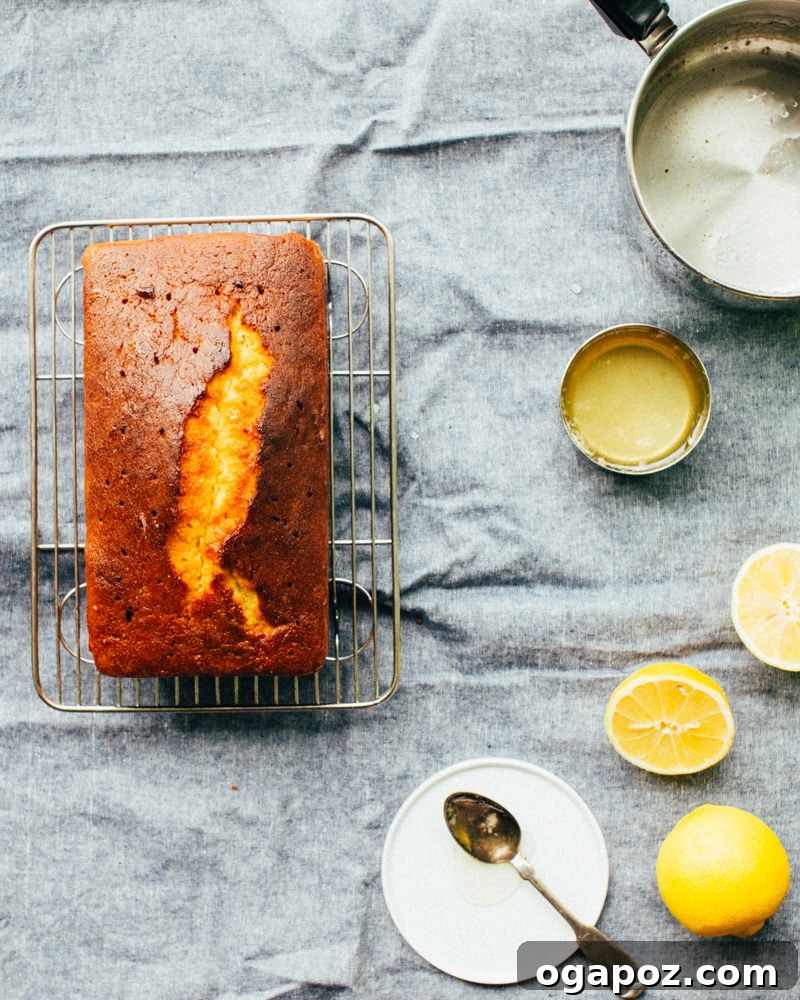
While many may associate “pound cake” with a very specific, dense texture, my rendition takes a slightly different approach from the strictest traditional recipes. A true traditional pound cake famously calls for a pound each of butter, sugar, flour, and eggs. While that sounds wonderfully rich, I personally haven’t quite worked up the courage to incorporate such hefty quantities into a single loaf pan. Perhaps that day will come, but for now, this version offers a delightful balance. It’s light, fluffy, and wonderfully delicious in its own right, delivering a sophisticated flavor and texture that many find even more appealing than the denser, more traditional versions. It’s a modern twist that still evokes the comforting essence of a classic, making it a perfect center-piece for any gathering or a delightful treat for an afternoon tea.
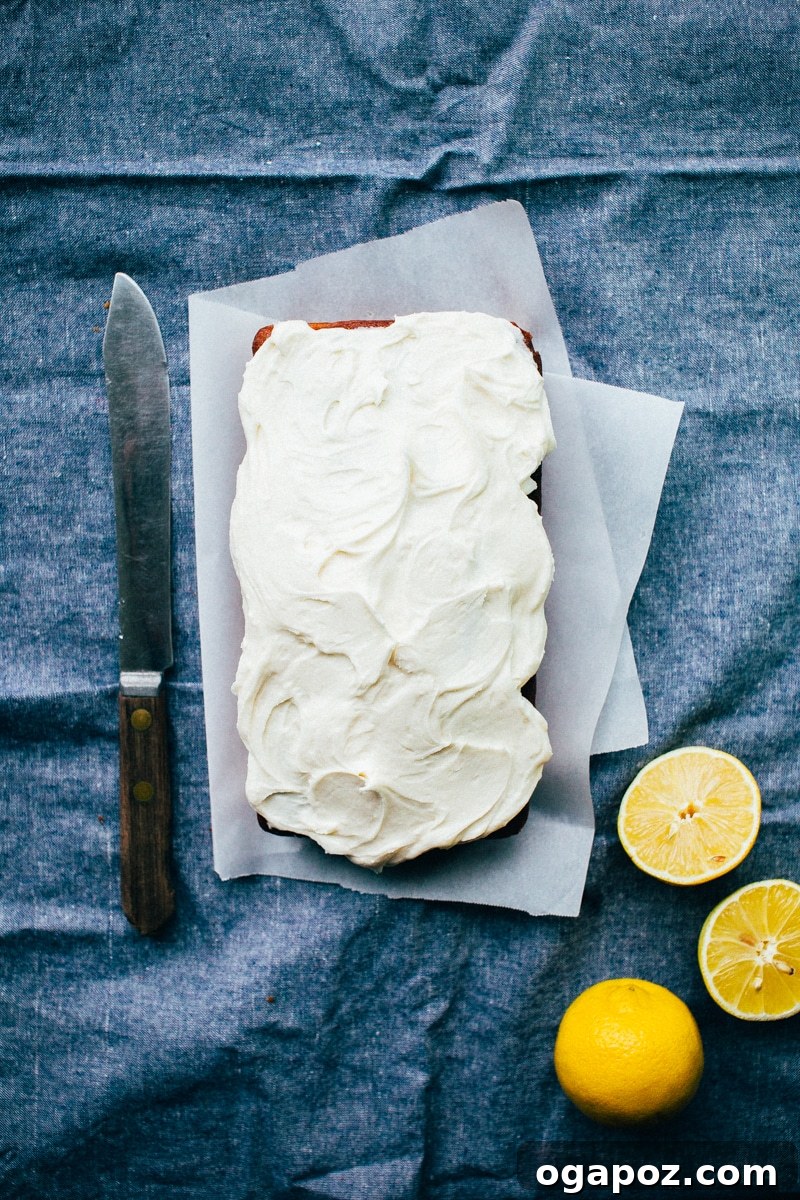
Unlock Baking Success: Essential Tips for Your Pound Cake
Baking is both an art and a science, and a few key techniques can dramatically elevate your results. Whether you’re a seasoned baker or just starting, these tips will help ensure your Lemon Pound Cake (or any cake, for that matter) turns out perfectly moist, tender, and utterly delicious every single time.
The Precision of Flour: Why You Should Always Weigh It
One of the most critical, yet often overlooked, factors in achieving a consistently perfect cake is accurately measuring your flour. The difference between a beautifully moist vanilla cake and a dry, crumbly one often boils down to just a small amount of extra flour. A “cup” can vary significantly depending on how it’s packed – it can weigh anywhere from 4 ounces to over 5 ounces. In my recipes, I standardize 1 cup of all-purpose flour to 4.5 ounces. This measurement is closest to what I achieve by very gently spooning the flour into a measuring cup and then leveling off the excess. While the “spoon and sweep” method is good, weighing your flour provides unparalleled accuracy, eliminating guesswork and ensuring your batter has the ideal consistency. Investing in a simple kitchen scale can make a colossal difference in the quality and consistency of all your baking endeavors, transforming your results from good to truly exceptional.
Creaming Butter and Sugar: The Secret to a Light Crumb
When a recipe instructs you to “cream your butter and sugar for 4 minutes,” it’s not an arbitrary time suggestion; it’s a vital step for the cake’s texture. This process isn’t just about combining ingredients; it’s about aeration. As butter and sugar are beaten together, the sharp edges of the sugar crystals cut into the butter, creating tiny air pockets. These air pockets are crucial. During baking, they expand, contributing to a light, airy, and wonderfully tender crumb. Skipping or shortening this step can result in a denser, tougher cake. So, set a timer and beat that butter and sugar until the mixture is visibly lightened in color and incredibly fluffy. This foundational step lays the groundwork for a truly delightful pound cake.
Know When to Stop: The Art of Not Over-Baking
Over-baking is the arch-nemesis of a moist cake. It can quickly turn a potential masterpiece into a dry disappointment. To avoid this common pitfall, start testing your cake at regular intervals towards the end of the specified baking time. Gently press the center of the cake with your fingertip; it should feel springy and resilient, without leaving a deep indent. For a more definitive test, insert a wooden skewer or toothpick into the very center of the loaf. If it comes out clean or with just a few moist crumbs attached, your cake is likely done. If it’s wet, continue baking for a few more minutes before testing again. Remember, ovens can vary, so always trust your instincts and testing methods over strict timers alone. Pulling the cake out just at the right moment ensures it retains all its luscious moisture.
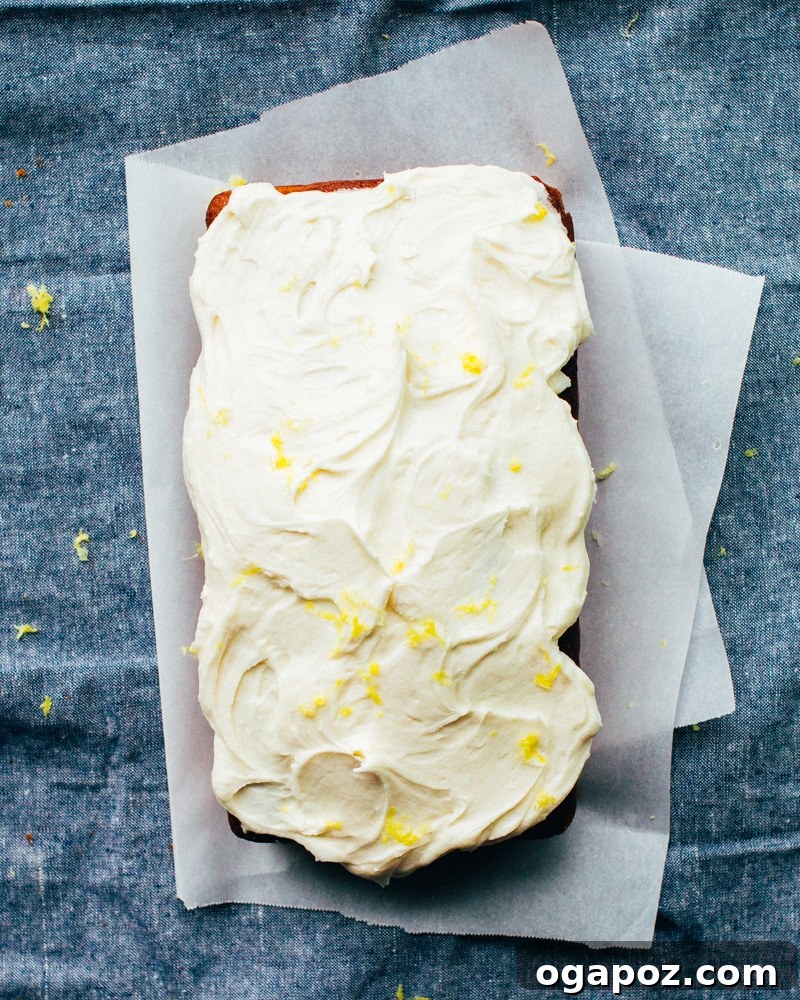
Lemon Pound Cake Recipe
Get ready to bake this incredibly satisfying Lemon Pound Cake! This recipe yields a generous loaf perfect for sharing, though you might just want it all to yourself.

Print Recipe
Lemon Pound Cake
Jennifer Pallian BSc, RD
20
50
1
10
10
servings
Ingredients
- 2 cups all-purpose flour
- 1 ½ tsp baking powder
- ½ tsp salt
- 1 cup butter (8 ounces, softened)
- 1 cup granulated sugar
- 4 eggs (room temperature)
- 1 vanilla bean (split lengthwise and seeds scraped out, or 1 tsp pure vanilla extract)
- ¼ cup milk
- 1 tbsp finely grated lemon zest (optional, for triple lemon loaf)
For Glaze:
- ½ cup granulated sugar
- ¼ cup lemon juice (or water, for plain vanilla cake)
For Frosting:
- ⅓ cup unsalted butter (softened)
- 2 cups confectioners’ sugar
- 2 tbsp milk (or lemon juice for a lemon frosting)
- ⅛ tsp vanilla extract (omit if using lemon juice in frosting)
Instructions
-
Preheat your oven to 350ºF (175ºC). Lightly grease and flour an 9×5-inch loaf pan, then line it with parchment paper, leaving an overhang on the sides for easy removal.
-
In a large bowl, whisk together the measured flour, baking powder, and salt. Ensure they are well combined, then set this dry mixture aside.
-
In the bowl of a stand mixer fitted with the paddle attachment (or using a hand mixer), combine the softened butter and granulated sugar. Beat on medium speed for about 4 minutes, until the mixture is very light, fluffy, and pale in color. This is the “creaming” step that introduces air.
-
Add the eggs one at a time, beating for approximately 15 seconds after each addition. Remember to pause and scrape down the sides and bottom of the bowl with a rubber spatula before adding the next egg to ensure everything is incorporated. Finally, beat in the vanilla bean seeds (or vanilla extract).
-
Reduce the mixer speed to low. Gradually beat in half of the flour mixture until just combined. Stop the mixer, scrape down the sides of the bowl again, then slowly beat in the milk. Once incorporated, add the remaining flour mixture and mix on low speed until just combined. Be careful not to overmix, as this can lead to a tough cake.
-
Scrape the batter evenly into your prepared loaf pan. Bake for 45 minutes to 1 hour, or until a wooden skewer or toothpick inserted into the center of the cake comes out clean.
-
Once baked, remove the pan from the oven and place it on a wire rack to cool for 10 minutes. Then, carefully invert the cake directly onto the wire rack. Peel off the parchment paper and invert it again so the cake is right-side up. Allow it to cool completely before frosting, but glaze while still warm.
To Make Glaze:
-
In a small saucepan, combine the granulated sugar and lemon juice (or water, if making vanilla pound cake). Heat over medium heat, stirring occasionally, until the sugar is completely dissolved and the mixture is clear.
-
While the cake is still warm (but removed from the pan), use a toothpick to poke several holes evenly across the top surface. Generously brush the warm glaze over the cake repeatedly, allowing it to soak into the cake, until all the glaze is used. This step enhances moisture and flavor. Let the glaze set before frosting.
To Make Frosting:
-
In a medium bowl, beat all frosting ingredients together on medium speed of an electric mixer until the mixture is light, fluffy, and smooth. If too thick, add a tiny bit more milk/lemon juice; if too thin, add a bit more confectioners’ sugar.
-
Once the cake is completely cooled and the glaze has set, spread the fluffy frosting evenly over the top. Serve immediately or store.
Explore More Zesty Delights: Other Citrus Recipes You’ll Love
If this Lemon Pound Cake has ignited your passion for citrus-infused desserts, you’re in for a treat! Citrus fruits bring such a vibrant, refreshing dimension to baking. Dive deeper into the world of bright, tangy, and sweet flavors with this exquisite collection of recipes designed to delight your palate. From sunny oranges to zesty lemons, these desserts are perfect for any occasion, promising a burst of flavor in every bite.
- This incredible Portuguese Orange Cake recipe is a true masterpiece – moist, wonderfully fluffy, and an undeniable all-time fan favorite. Its delicate orange aroma and tender crumb make it irresistible.
- For those who adore the intense, tangy sweetness of lemon, this rich and decadent Lemon Curd Cake is an absolute must-try. Layers of light cake and luscious lemon curd create a symphony of flavors.
- Don’t miss out on these delightful Lemon Curd Cookies! They offer the perfect balance of crisp cookie and creamy, zesty lemon filling, making them a fantastic portable treat.
- Love the classic combination of citrus and chocolate? Then this rich and Moist Chocolate Orange Cake is crafted just for you. The deep chocolate perfectly complements the bright orange for an exquisite flavor pairing.
- A long-standing favorite that always impresses, this Cranberry Lemon Cake combines the tartness of cranberries with the zing of lemon, topped with a sweet lemon icing for a truly festive and flavorful dessert.
- Of course, we can’t forget the elegant Orange Pound Cake. Baked in a beautiful bundt pan and finished with a glistening orange glaze, it’s as stunning to look at as it is delicious to eat.
- While not strictly a dessert, these incredibly flavorful Lemon Blueberry Sour Cream Muffins are so delicious they absolutely deserve to be included! They are perfect for breakfast, brunch, or an indulgent snack.
Bake, Share, and Savor: Your Perfect Lemon Pound Cake Awaits!
There’s something incredibly satisfying about baking a beautiful loaf from scratch, and this Lemon Pound Cake is no exception. With its tender crumb, luscious lemon glaze, and delightful frosting, it’s sure to become a cherished recipe in your collection. Whether you’re enjoying it with a cup of tea, serving it as a dessert after dinner, or sharing it with friends and family, this cake brings joy to every occasion. Remember the simple baking tips—weighing your flour, creaming your butter and sugar thoroughly, and not over-baking—and you’ll be rewarded with a perfect loaf every time. So go ahead, preheat your oven, gather your ingredients, and embark on this delicious baking adventure. We can’t wait to hear how your cake turns out!