
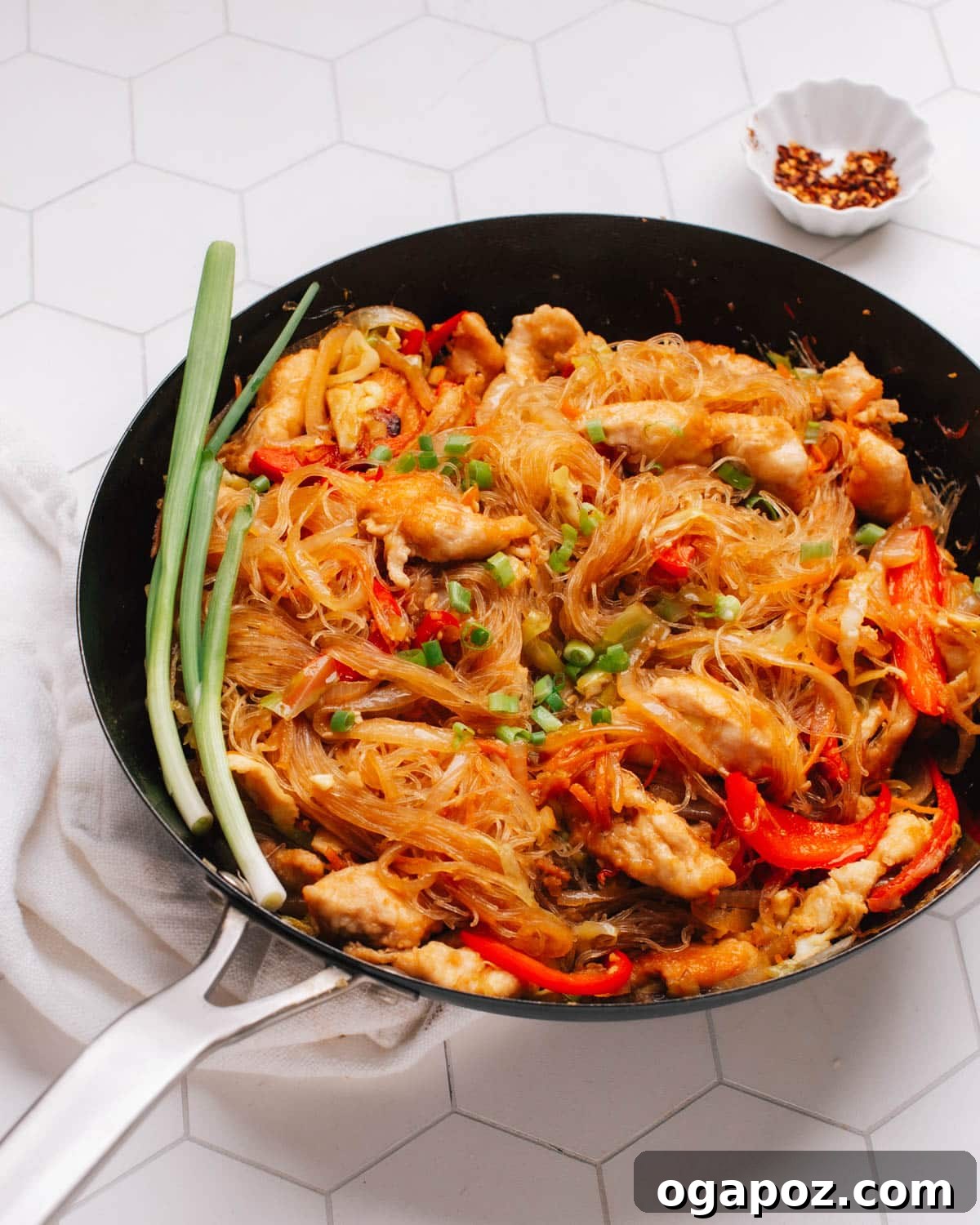
Pad Woon Sen: Your Ultimate Guide to an Irresistible Thai Glass Noodle Stir Fry
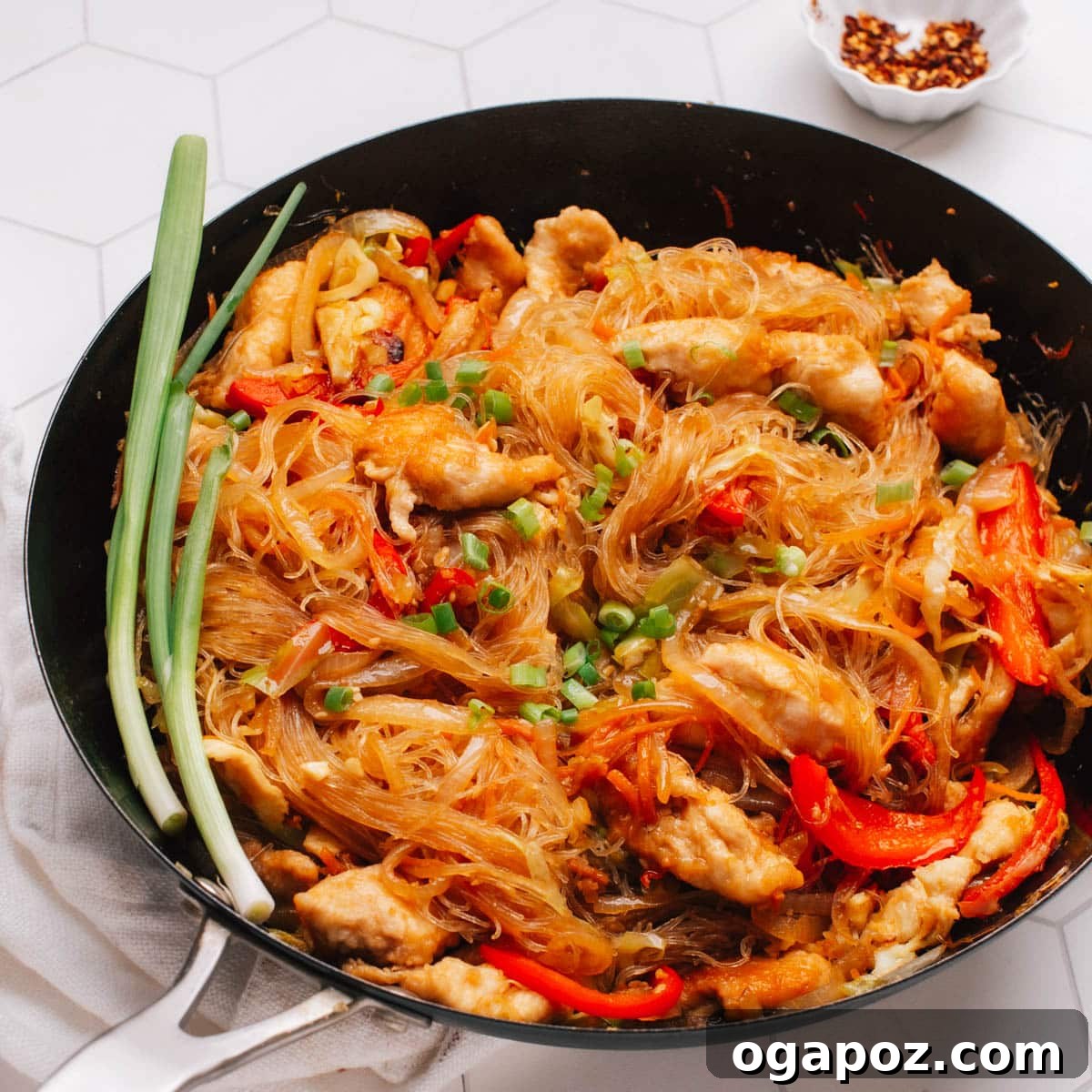
Embark on a culinary journey to Thailand with **Pad Woon Sen**, a truly delightful and satisfying dish often hailed as the lesser-known cousin to Pad Thai. Also known as Pad Woonsen, this Thai glass noodle stir-fry is a vibrant symphony of textures and flavors, featuring delicate glass noodles, succulent chicken, and an array of crisp vegetables, all coated in a rich, savory sauce that will awaken your taste buds. If you’ve yet to experience the magic of this authentic Thai staple, prepare yourself for an extraordinary treat that’s both easy to master and incredibly rewarding to eat.
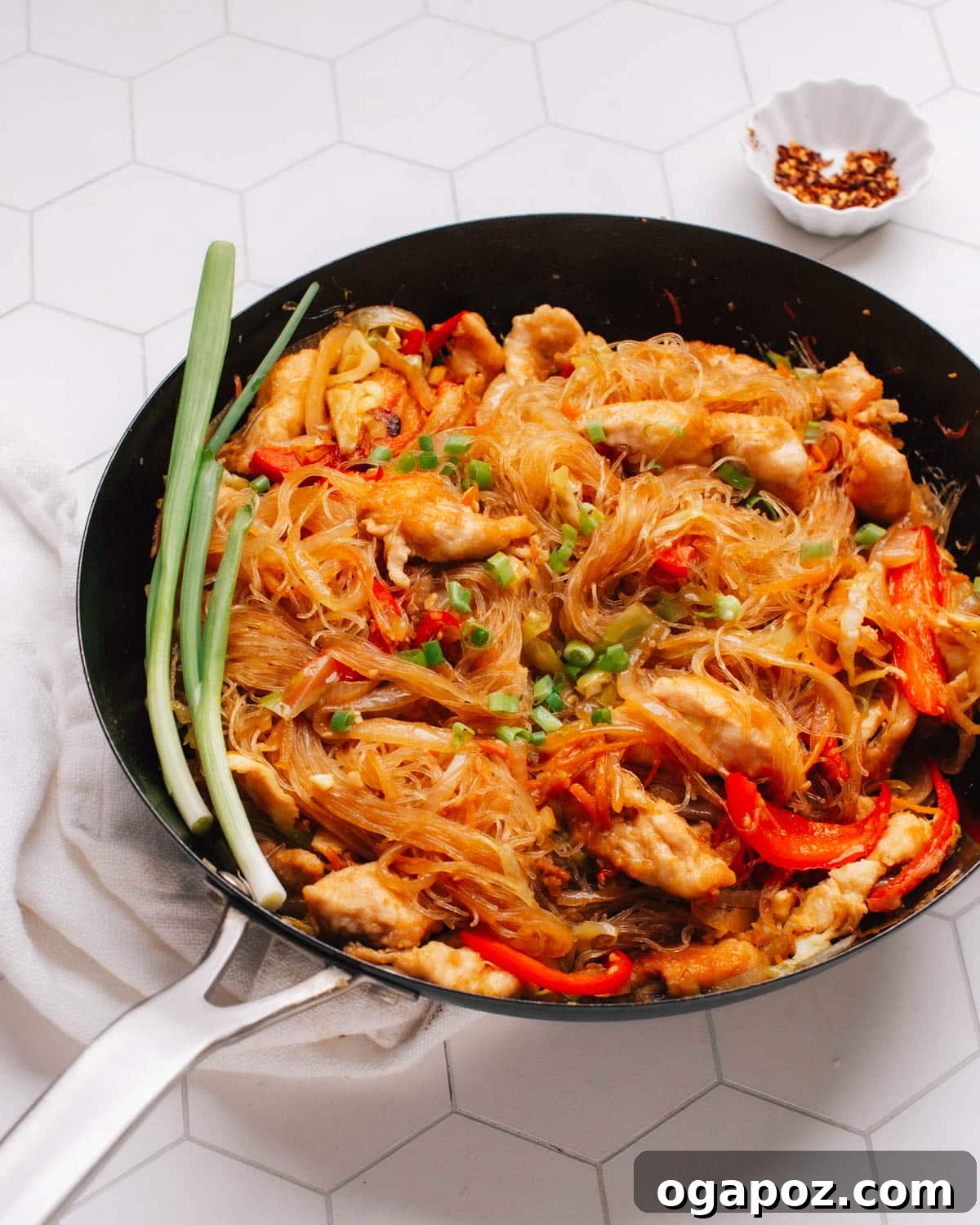
What Exactly is Pad Woon Sen? Unveiling the Thai Glass Noodle Magic
At its heart, Pad Woon Sen is a quintessential **Thai noodle stir-fry**, celebrated for its unique noodles and harmonious blend of fresh vegetables and protein. The name “Pad” simply means “stir-fried,” while “Woon Sen” refers to the star of the dish: glass noodles. These distinctive noodles are also known as bean thread noodles or cellophane noodles, deriving their translucent, almost ethereal appearance from mung bean starch.
Unlike other noodle varieties, glass noodles possess a delightful chewy texture and a remarkable ability to absorb the flavors of the accompanying sauce, making every bite an explosion of taste. In Pad Woon Sen, these delicate strands are typically stir-fried with a colorful medley of vegetables such as sweet onions, crunchy carrots, tender cabbage, and vibrant red peppers, which contribute both refreshing crunch and essential nutrients. The dish is usually anchored by a lean protein, most commonly tender chicken strips, but it’s incredibly versatile and can be adapted with other meats or plant-based alternatives.
The true soul of Pad Woon Sen lies in its expertly crafted sauce. This savory concoction typically combines the deep umami notes of oyster sauce with the salty complexity of soy sauce, often balanced with a touch of sweetness and sometimes a hint of spiciness from chili peppers. The result is a profoundly savory, slightly sweet, and utterly irresistible glaze that binds all the ingredients together, creating a rich and satisfying flavor profile that sets it apart. The ease of preparation, combined with its delectable taste, makes Pad Woon Sen a favorite for busy weeknights and special occasions alike.
Pad Thai vs. Pad Woon Sen: Understanding the Key Differences
While both Pad Thai and Pad Woon Sen are iconic Thai stir-fried noodle dishes, beloved for their aromatic spices and hearty ingredients, they possess distinct characteristics that set them apart. Understanding these differences can help you appreciate each dish’s unique charm and choose your next Thai culinary adventure:
- Noodle Type: The Fundamental Divide
The most immediate and significant distinction lies in the noodles. Pad Thai famously utilizes flat **rice noodles**, which are wider, chewier, and have a somewhat softer, more robust texture. These rice noodles provide a substantial base that holds up well to the dish’s rich and tangy sauce. In contrast, Pad Woon Sen is defined by its use of **bean thread noodles** (glass noodles or cellophane noodles). These noodles are remarkably thin, translucent, and possess a delicate, springy, and slightly chewy bite. Their finer texture allows them to readily absorb the surrounding flavors, contributing to a lighter mouthfeel than their rice noodle counterparts.
- Flavor Profile: A World of Taste
The flavor profiles of the two dishes offer another clear differentiator. Pad Thai is renowned for its harmonious balance of sweet, sour, and savory notes, largely attributed to its signature sauce made from tamarind paste, fish sauce, palm sugar, and often a touch of chili. It typically leans towards a sweeter, tangier, and less spicy palate, garnished with crushed peanuts for added texture and nutty flavor. Pad Woon Sen, on the other hand, boasts a richer, bolder, and often more savory and umami-forward flavor. Its sauce, typically based on oyster sauce and soy sauce, delivers a deeper, saltier taste with a subtle sweetness. While Pad Thai can be spicy, Pad Woon Sen frequently incorporates a more pronounced heat from chili peppers, offering a spicier kick.
- Core Ingredients: Beyond the Noodles
Beyond the noodles and sauce, the primary proteins and vegetable combinations also differ. Pad Thai traditionally features shrimp or chicken, often accompanied by bean sprouts, green onions, and sometimes tofu. The dish is typically served with a lime wedge for a fresh squeeze of citrus and extra crushed peanuts. Pad Woon Sen commonly includes chicken or pork, alongside a heartier mix of vegetables like onions, carrots, cabbage, and bell peppers. While both dishes incorporate garlic and sometimes eggs, the overall combination of ingredients in Pad Woon Sen contributes to a distinct texture and flavor experience.
In essence, if you crave a classic Thai noodle dish with a sweet, sour, and tangy profile and a chewier rice noodle base, Pad Thai is your go-to. However, if you’re seeking a bolder, more savory, and often spicier stir-fry featuring delicate, translucent glass noodles and a rich umami sauce, Pad Woon Sen will undoubtedly capture your heart. Both are exceptional, showcasing the incredible diversity of Thai cuisine.
What is Pad Woon Sen Made of? Gather Your Ingredients.
Ready to bring the authentic taste of Thailand into your kitchen? Crafting a delicious and flavorful Pad Woon Sen begins with selecting the right ingredients. Here’s a breakdown of what you’ll need to create this fantastic dish, along with insights into their role:
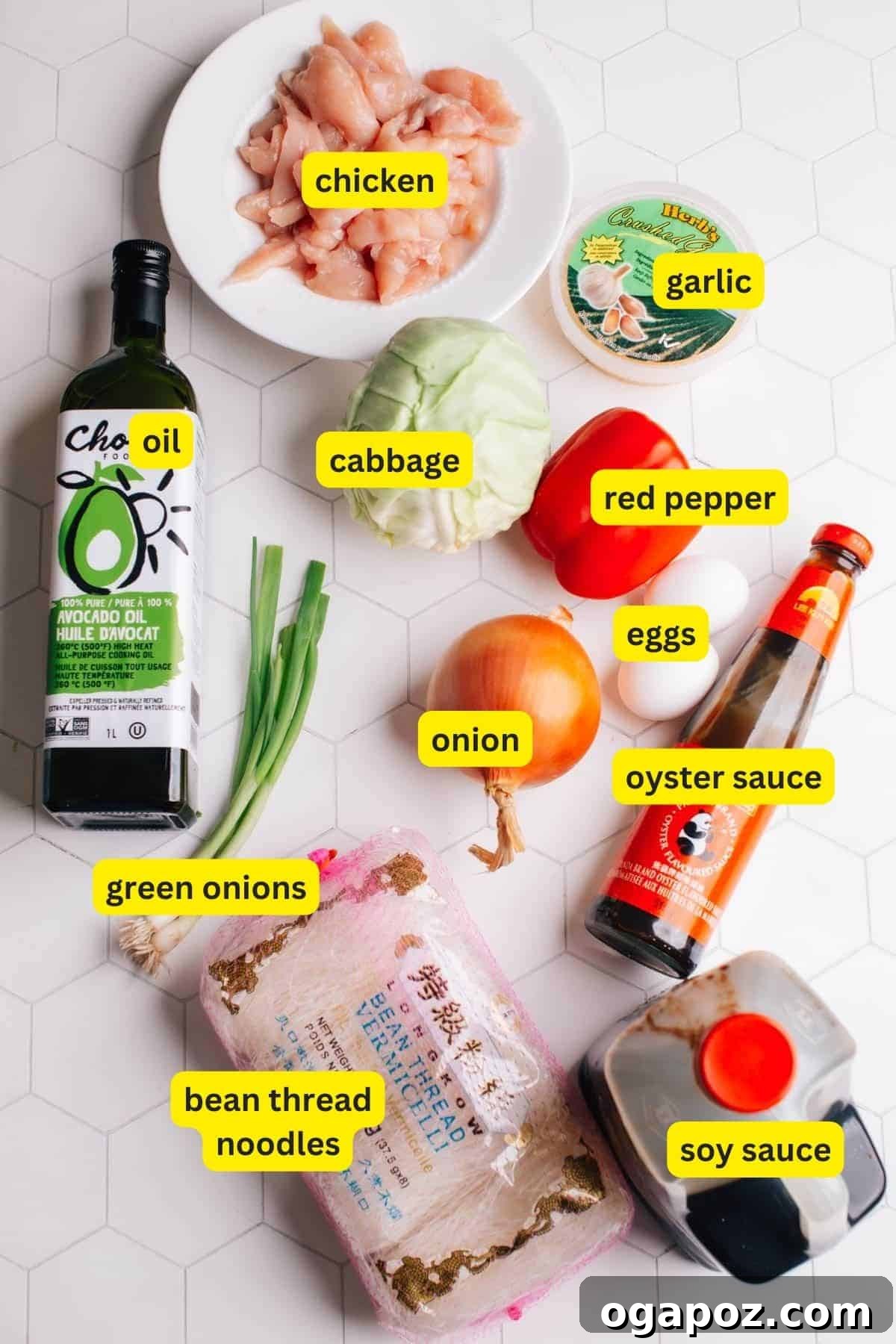
- Oyster Sauce & Soy Sauce: These two powerhouse sauces form the foundational base of our savory and umami-rich stir-fry sauce. Oyster sauce provides a deep, slightly sweet, and complex flavor, while soy sauce (or tamari for a gluten-free option) adds essential saltiness and depth.
- Water: Used to thin the concentrated sauces, ensuring they coat the noodles and vegetables evenly without being overly thick or salty.
- Bean Thread Noodles: The star of the show! Also known as Thai glass noodles, cellophane noodles, or mung bean noodles, these thin, translucent noodles are made from mung bean starch. They are distinctively chewy and excellent at absorbing flavors. If unavailable, Japchae noodles (sweet potato starch noodles) or even rice vermicelli can be suitable substitutes, maintaining a similar delicate texture.
- Chicken Breasts: Tender chicken strips or bite-sized pieces provide a lean, protein-packed base, making the dish hearty and filling. You can also use chicken thighs for more flavor.
- Cornstarch & Salt: A light coating of cornstarch and salt on the chicken helps to tenderize the meat, create a slight crispiness when stir-fried, and locks in moisture, preventing it from drying out.
- Eggs: Scrambled eggs add a wonderful textural contrast and an extra boost of protein, enriching the overall dish with their soft, fluffy presence.
- Fresh Vegetables (Onion, Carrot, Cabbage, Red Pepper): This colorful and nutritious combination provides essential crunch, natural sweetness, and a fresh balance to the rich sauce. Onions add aromatic depth, carrots offer sweetness and vibrant color, cabbage brings a gentle crunch, and red pepper contributes a mild sweetness and beautiful hue.
- Garlic Cloves: A cornerstone aromatic in most stir-fries, minced garlic infuses the dish with its pungent, savory fragrance, building a crucial flavor layer.
- Green Onions: Sliced thinly and used as a garnish, green onions deliver a bright, fresh, and slightly pungent finish, adding a welcome burst of color and flavor just before serving.
Variations and Substitutions: Customize Your Pad Woon Sen
Pad Woon Sen is a highly adaptable dish, allowing for various customizations to suit dietary preferences, ingredient availability, or simply to explore new flavor combinations. Here are some popular variations and substitutions:
- Vegetarian/Vegan Option: Easily transform this dish by swapping out the chicken for one pound of firm or extra-firm tofu. Press the tofu to remove excess water, cube it, and pan-fry until golden brown before adding it to the stir-fry. Remember to use a vegan oyster sauce alternative (made from mushrooms) to keep it fully plant-based.
- Protein Alternatives: Instead of chicken, consider using thinly sliced pork, shrimp, or a combination of seafood for a different flavor profile. Beef can also be used, ensuring it’s thinly sliced against the grain for tenderness.
- Quick Veggie Prep: To significantly speed up preparation, replace fresh cabbage and carrot with a pre-bagged coleslaw mix. This hack provides a convenient blend of shredded vegetables ready for your wok.
- Expand Your Veggie Palette: Don’t hesitate to add more of your favorite vegetables. Sliced mushrooms, snap peas, bok choy, broccoli florets, or even cherry tomatoes can enhance the dish’s flavor and nutritional value. Add harder vegetables earlier and softer ones later to maintain a crisp-tender texture.
- Spice Level Adjustment: For those who love heat, incorporate thinly sliced fresh bird’s eye chilies or a dash of chili garlic sauce into the stir-fry. For a milder warmth, a pinch of white pepper can add authentic Thai flavor without overwhelming heat.
- Additional Thai Flavors: A splash of fish sauce can deepen the umami and add another layer of authentic Thai flavor. A squeeze of fresh lime juice just before serving can brighten the entire dish.
- Fresh Herb Garnish: While green onions are classic, a sprinkle of fresh cilantro adds a fragrant, herbaceous note that complements the rich sauce beautifully.
Essential Tools for Pad Woon Sen Success
To ensure your Pad Woon Sen comes out perfectly, having the right kitchen tools can make a significant difference. Here’s a list of essentials that will make your cooking process smooth and enjoyable:
- Wok or Large Skillet: The primary vessel for your stir-fry. A wok’s sloped sides are ideal for quickly tossing ingredients and ensuring even cooking at high temperatures. If you don’t have a wok, a large, heavy-bottomed skillet or Dutch oven with high sides will also work effectively, providing ample surface area for all your ingredients.
- Chef’s Knife and Cutting Board: Essential for precise and efficient preparation of your chicken and vegetables. A sharp chef’s knife ensures clean cuts, making slicing onions, carrots, and peppers a breeze and contributing to even cooking.
- Measuring Cups and Spoons: Accuracy in ingredient measurement, especially for the sauce, is key to achieving the perfect flavor balance.
- Wooden Spoon or Spatula: A sturdy, non-abrasive utensil is crucial for stir-frying. A wooden spoon or silicone spatula allows you to toss and stir ingredients without scratching the surface of your wok or skillet, especially if it’s non-stick.
- Large Bowl: Useful for soaking noodles and mixing your sauce ingredients ahead of time, streamlining your cooking process.
How to Make Pad Woon Sen: Step-by-Step Directions for Preparing the Dish
Get ready to cook up a mouth-watering Pad Woon Sen! Follow these detailed steps to create a flavorful and satisfying meal that will transport your taste buds straight to Thailand:
Preparation Steps
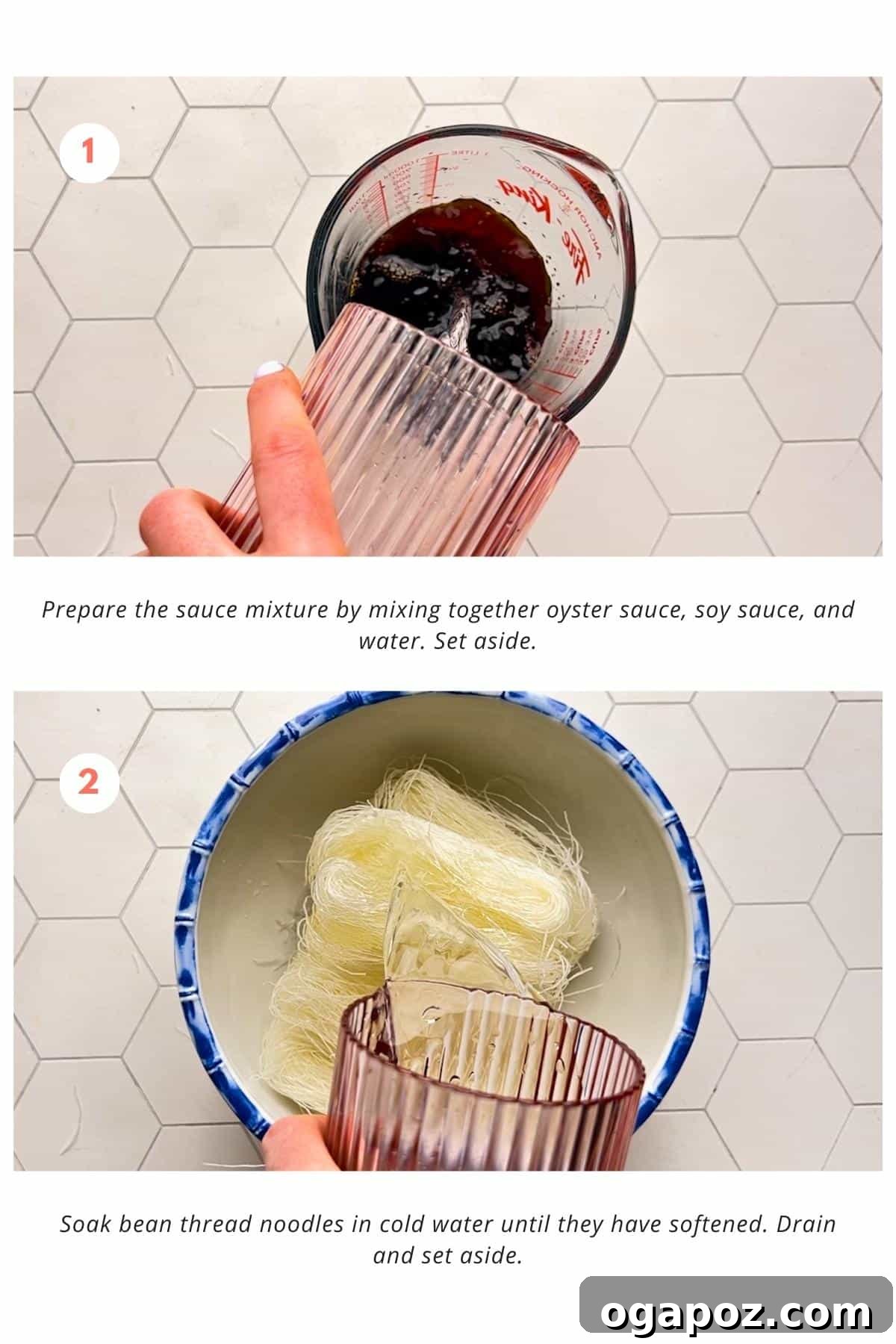
- Prepare the Sauce: In a small bowl, whisk together the oyster sauce, soy sauce, and water until well combined. Set this flavorful sauce mixture aside; it will be added later to bring all the flavors together.
- Soak the Noodles: Place the bean thread noodles in a large bowl and cover them with cold or room-temperature water. Let them soak for about 10-15 minutes, or until they are soft and pliable but still have a slight firmness. This technique ensures the noodles cook perfectly in the wok without becoming mushy or overcooked. Once softened, drain them thoroughly and set aside.
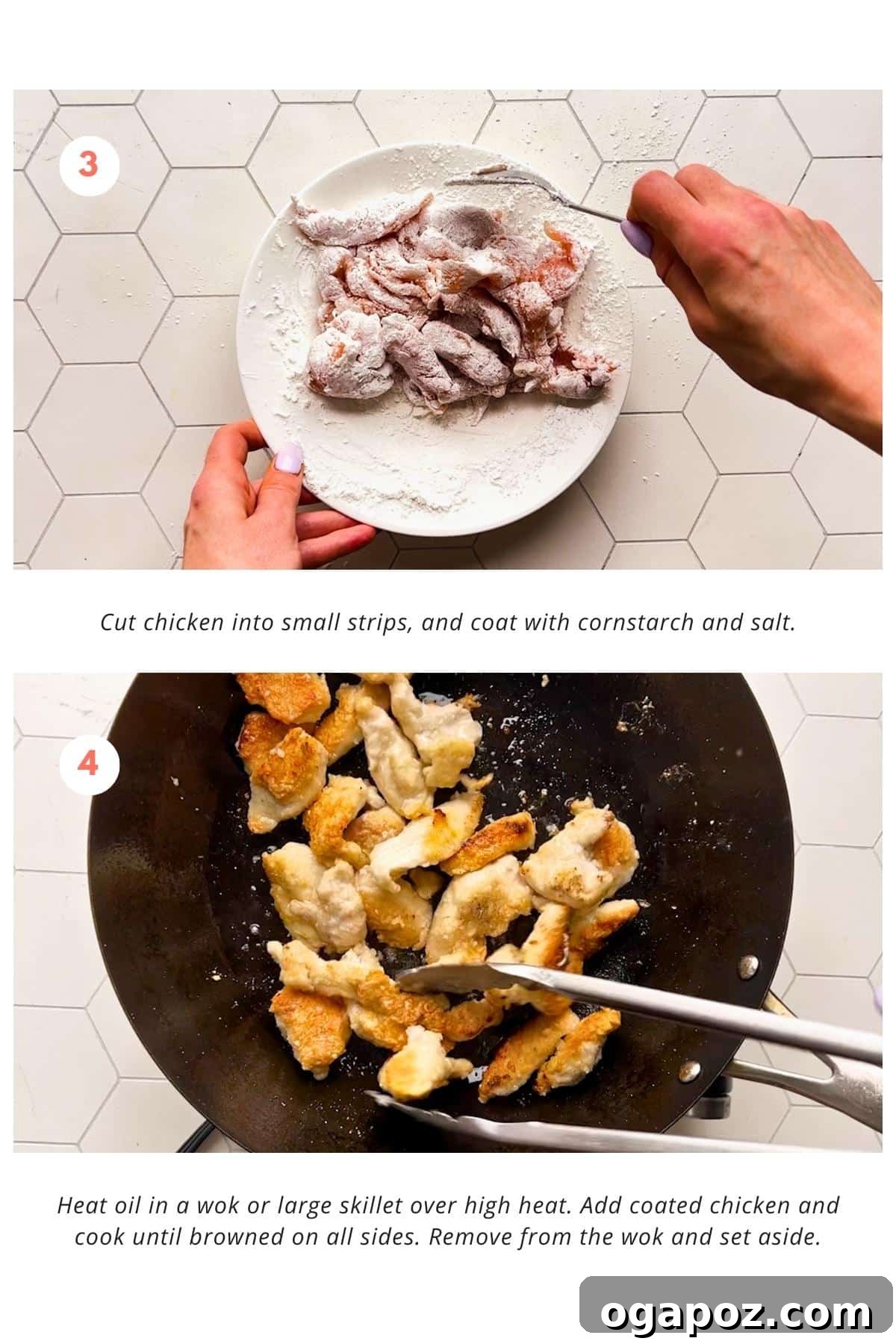
- Coat the Chicken: Slice the chicken breasts into small, uniform strips or bite-sized pieces. In a separate bowl, toss the chicken with cornstarch and 1 teaspoon of salt until each piece is lightly coated. This coating will help create a beautiful crispy exterior and tender interior.
Cooking Steps
- Cook the Chicken: Heat 2 tablespoons of vegetable oil in a wok or large skillet over medium-high heat until shimmering. Add the coated chicken strips in a single layer, making sure not to overcrowd the pan. Cook, stirring occasionally, until the chicken is beautifully browned and crispy on all sides, and cooked through. Remove the cooked chicken from the wok and transfer it to a plate; set aside.
- Scramble the Eggs: In the same wok (add a tiny bit more oil if needed), whisk two large eggs with ¼ teaspoon of salt. Pour the whisked eggs into the hot wok and scramble until fully cooked and fluffy. Once done, remove the scrambled eggs from the pan and add them to the plate with the cooked chicken.
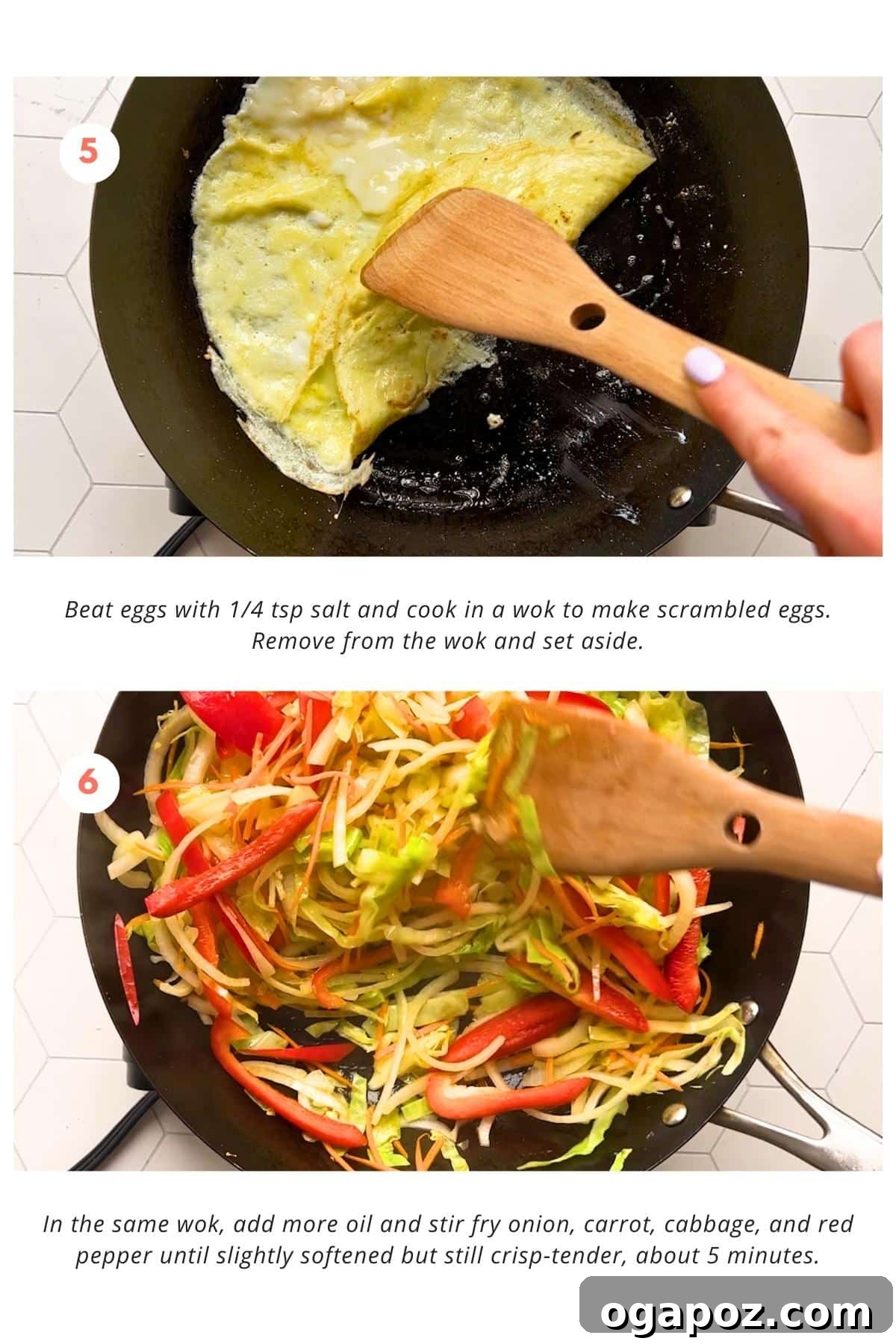
- Stir-fry the Vegetables: Add the remaining 2 tablespoons of vegetable oil to the wok, if necessary. Increase the heat to high. Add the sliced onion, carrot, cabbage, and red pepper. Stir-fry for about 3-5 minutes, until the vegetables are slightly softened but still retain a pleasant crisp-tender texture. Add the minced garlic and stir-fry for an additional minute until fragrant, being careful not to burn it.
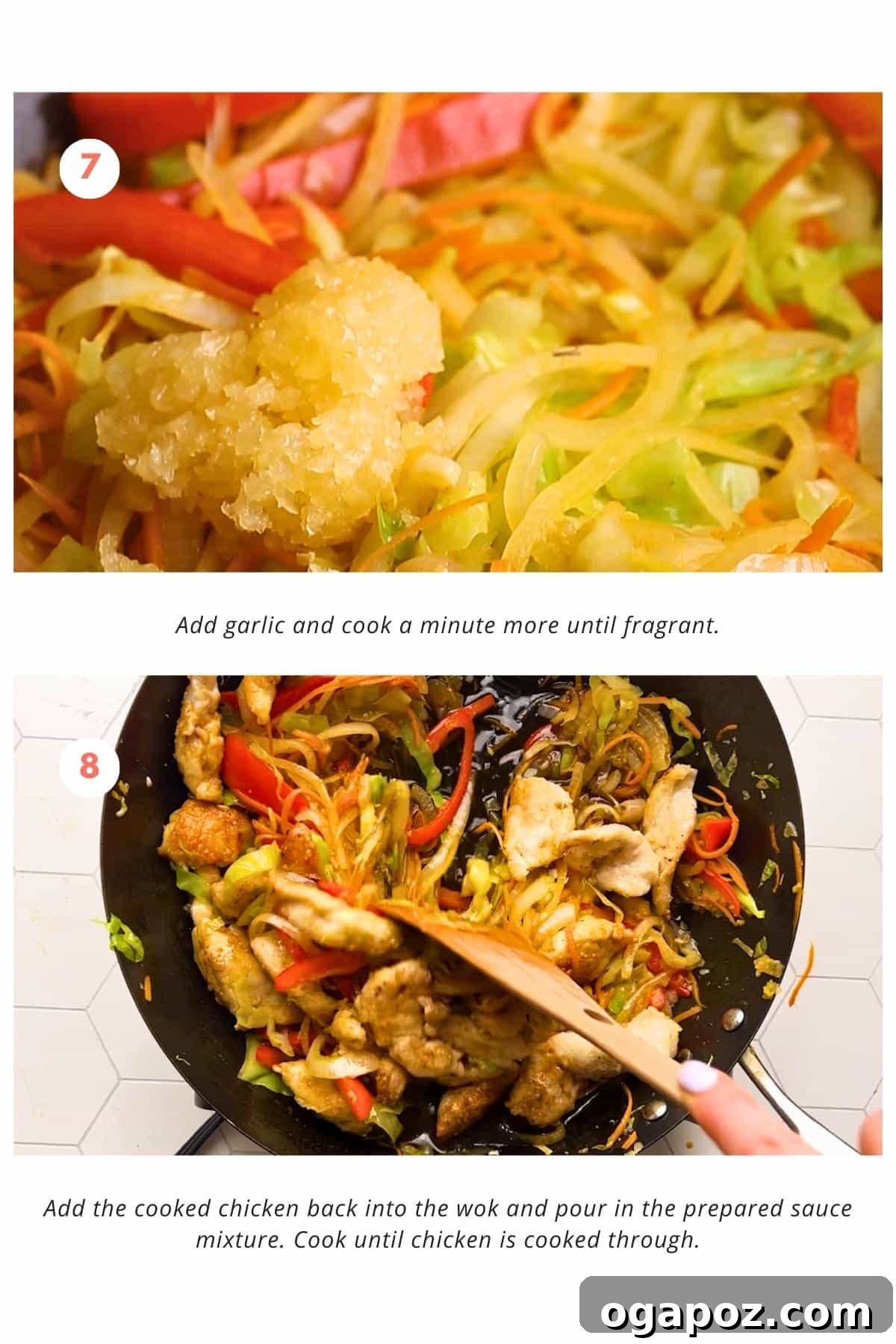
- Combine with Sauce: Return the cooked chicken to the wok with the stir-fried vegetables. Pour in the prepared sauce mixture. Stir everything gently to coat evenly. Cook for 2-3 minutes, allowing the sauce to simmer and thicken slightly, and ensuring the chicken is thoroughly heated through to an internal temperature of 165ºF (74ºC).
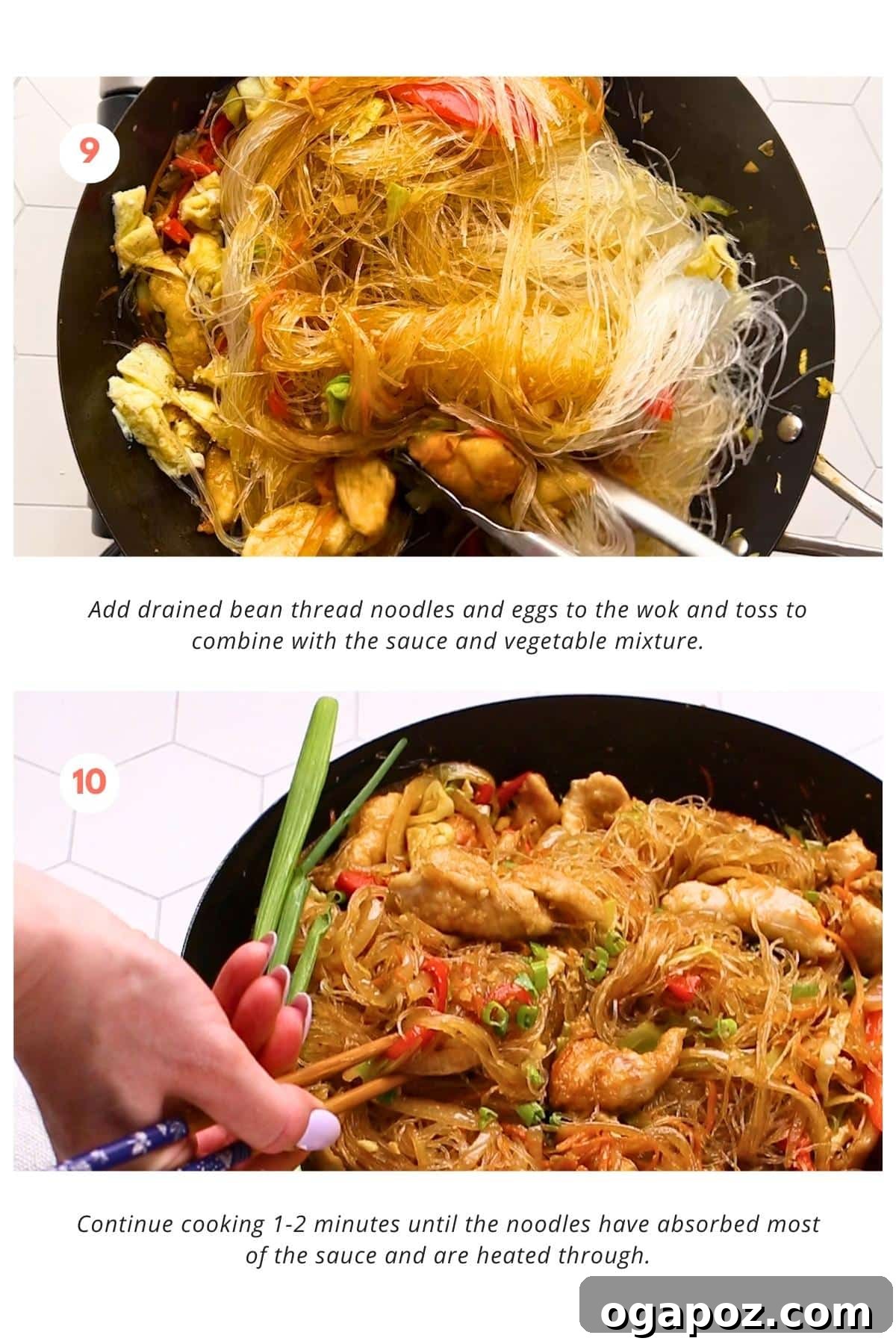
- Add Noodles and Eggs: Add the drained bean thread noodles and the scrambled eggs to the wok. Toss everything together vigorously but gently, ensuring the noodles are fully coated in the sauce and integrated with the chicken and vegetables.
- Finish and Serve: Continue cooking for another 1-2 minutes, tossing constantly, until the noodles have absorbed most of the delicious sauce and are heated through. Transfer the finished Pad Woon Sen to a large serving dish. Garnish generously with thinly sliced green onions for a fresh, vibrant finish. Serve immediately and enjoy!
FAQs About Pad Woon Sen
What does Pad Woon Sen mean in Thai?
In Thai cuisine, “Pad” translates to “stir-fried,” referring to the cooking method where ingredients are quickly tossed in a wok or skillet with a savory sauce. “Woon Sen” specifically denotes the type of noodles used in the dish—bean thread noodles, also commonly known as glass noodles or cellophane noodles, which are made from mung bean starch.
Are Thai glass noodles healthy?
While Thai glass noodles are made from mung beans, they primarily consist of starch and offer minimal protein or dietary fiber. This means they may not provide sustained fullness compared to other noodle types. They are naturally gluten-free and grain-free, which can be beneficial for certain diets. However, in terms of caloric and carbohydrate content, they are quite similar to regular spaghetti. So, while they can be part of a balanced diet, don’t solely choose them over rice noodles or whole-wheat options assuming they are inherently “healthier” due to their bean origin; focus on the overall nutritional balance of the entire dish.
Is Pad Woon Sen typically spicy?
Pad Woon Sen often carries a moderate level of heat, especially compared to the typically milder Pad Thai. The sauce frequently incorporates chili peppers or chili paste, contributing to a savory-spicy flavor profile. However, the spice level can be easily adjusted to your preference by adding more or fewer chilies during preparation.
Can I make Pad Woon Sen gluten-free?
Yes, Pad Woon Sen can be made gluten-free! Glass noodles themselves are naturally gluten-free as they are made from mung bean starch. The key is to use tamari instead of regular soy sauce, as tamari is a gluten-free alternative. Additionally, ensure that your oyster sauce (or vegan oyster sauce) is certified gluten-free, as some brands may contain wheat. With these simple substitutions, you can enjoy a delicious gluten-free Pad Woon Sen.
How to Serve It: Presenting Your Masterpiece
You’ve successfully created a flavorful and mouth-watering Pad Woon Sen! Now, it’s time to serve up your delicious creation and savor every bite. Here are some tips to enhance your serving experience and impress your diners:
- Garnish with Green Onions: Don’t underestimate the power of a simple garnish! A generous sprinkling of thinly sliced green onions adds a vibrant pop of color, a hint of freshness, and a subtle savory note that beautifully complements the richness of the stir-fry.
- Add a Kick with Chili: For those who love an extra layer of heat, consider serving your Pad Woon Sen with a side of sliced fresh red chili peppers or a drizzle of chili oil. This allows each person to customize their spice level, taking the dish to new heights of fiery deliciousness.
- Pair with a Cooling Beverage: Thai cuisine often features bold flavors and a touch of heat, making a cold beverage the perfect accompaniment. A crisp, cold beer, refreshing iced tea, or a simple glass of ice water with lemon wedges can help cool your palate and enhance the overall dining experience.
- Complement with Freshness: A small side salad with a light vinaigrette or a bowl of fresh cucumber slices can offer a refreshing contrast to the savory noodles. A wedge of lime served alongside can also provide a bright, zesty squeeze over the dish.
Make Ahead and Storage Tips for Your Pad Woon Sen
Whether you’re a seasoned meal prepper or simply looking to enjoy your Pad Woon Sen for days to come, these tips will help you maximize its freshness and flavor:
- Strategic Meal Prepping: To save time on busy weeknights, prepare certain components of the dish in advance. You can cook the chicken and vegetables and store them in separate airtight containers in the refrigerator for up to 2-3 days. The sauce can also be mixed and stored separately. When it’s mealtime, simply stir-fry the prepped ingredients together, adding freshly soaked noodles and scrambled eggs for a quick and flavorful meal.
- Gentle Reheating is Key: When reheating leftover Pad Woon Sen, avoid the microwave if possible, as it can sometimes make the glass noodles mushy or rubbery. The best method is to reheat it in a wok or large skillet over medium heat with a splash of water or broth. This helps to rehydrate the noodles and prevents them from drying out or sticking together, preserving their delicate texture.
- Proper Storage for Freshness: Allow your Pad Woon Sen to cool completely to room temperature before transferring it to an airtight container. Stored properly in the refrigerator, it will remain fresh and delicious for up to 3-4 days. For longer storage, you can freeze it in freezer-safe containers for up to 2-3 months. Thaw overnight in the refrigerator before reheating.
- Revitalize Leftovers: To freshen up refrigerated leftovers, consider adding a handful of fresh ingredients. Toss in some crisp bean sprouts, shredded carrots, cucumber slices, or a sprinkle of fresh cilantro just before serving. A squeeze of fresh lime juice can also brighten the flavors and make the dish taste freshly prepared.
Other Noodle Recipes You’ll Love
If you’ve fallen in love with the complex flavors and satisfying textures of this Pad Woon Sen recipe, you’re in for a treat with these other fantastic noodle dishes from around the world:
- Veggie, Tofu + Shrimp Pad Thai – Dive into another Thai classic with this super-flavorful, veggie-packed Pad Thai, featuring tofu and shrimp, piled high with fresh, crunchy toppings. It’s a perfect balance of sweet, salty, spicy, and sour notes.
- Chili Oil Ramen – A quick, comforting, and incredibly easy recipe that transforms simple ramen noodles with the addition of a fiery and aromatic chili oil, perfect for a speedy, flavorful meal.
- Thai Noodle Salad with Sweet Chili Dressing – Discover a lighter side of noodle dishes with this refreshing and vibrant salad. Tossed with a delectable sweet and spicy dressing, it’s an ideal choice for a warm day or a light lunch.
- Spinach Gomae Noodles with Sesame Sauce – Enjoy a healthy and intensely flavorful noodle dish inspired by Japanese gomae. This recipe combines tender spinach with satisfying noodles and a rich, creamy sesame sauce.
And if your passion for Thai recipes is as strong as ours, you absolutely must explore our Red Curry Chicken, the delectable Thai Curry Fish, the comforting Peanut Sweet Potato Soup, the zesty Sweet Chili Noodles Salad, succulent Thai Scallops, flavorful Meatballs in Sweet Chili Sauce, and the aromatic Thai Basil Pork. Truly, lovers of Pad Thai will undoubtedly *swoon* for Pad Woon Sen. Perhaps we should affectionately rename it Pad “Swoon Sen”? Now, grab your chopsticks, or embrace the joy of a fork, and dive into these incredible noodles!
Pad Woon Sen (Thai Glass Noodle Stir Fry)
By: The Foodess Team
Pad Woon Sen is a delightful Thai glass noodle stir-fry featuring tender chicken, crisp vegetables, and a savory sauce. Learn how to make this easy and authentic recipe at home!
Prep Time: 10 minutes
Cook Time: 30 minutes
Total Time: 40 minutes
Servings: 4
Ingredients
- ¼ cup + 2 tbsp oyster sauce
- ¼ cup + 2 tbsp soy sauce (or tamari for gluten-free)
- ¾ cup water
- 300 g bean thread noodles (glass noodles)
- 4 tbsp vegetable oil, divided
- 1 lb chicken breasts, sliced into strips
- 4 tbsp cornstarch
- 1 tsp salt (for chicken)
- 2 large eggs
- ¼ tsp salt (for eggs)
- 1 onion, sliced
- 1 tbsp minced garlic
- 1 cup sliced carrot
- 2 cups shredded cabbage
- 1 thinly sliced red pepper
- 2 green onions, thinly sliced (for garnish)
Instructions
Make the Sauce
- Prepare the sauce mixture by mixing together oyster sauce, soy sauce, and water in a small bowl. Set aside.
Soak the Noodles
- Soak bean thread noodles in cold water for 10-15 minutes to soften. Drain well and set aside.
Cook the Chicken
- Cut chicken into small strips, and coat thoroughly with the cornstarch and 1 tsp salt.
- Heat 2 tbsp oil in a wok or large skillet over medium-high heat. Add coated chicken and cook until browned on all sides and cooked through. Remove from the wok and set aside on a plate.
Cook the Eggs
- Beat eggs with ¼ tsp salt and cook in the same wok to make scrambled eggs. Remove from the wok and set aside with the chicken.
Cook the Vegetables
- In the same wok, add the remaining 2 tbsp oil (if needed) and stir-fry onion, carrot, cabbage, and red pepper until slightly softened but still crisp-tender, about 3-5 minutes. Add minced garlic and cook for a minute more until fragrant.
Mix Everything Together
- Add the cooked chicken back into the wok with the vegetables and pour in the prepared sauce mixture. Cook, stirring, until chicken is thoroughly heated and coated, and the sauce has slightly thickened. Ensure chicken reaches an internal temperature of 165ºF (74ºC).
- Add the drained bean thread noodles and scrambled eggs to the wok. Toss everything together to combine well with the sauce and vegetable mixture.
- Continue cooking for 1-2 minutes until the noodles have absorbed most of the sauce and are heated through.
- Transfer to a serving dish and top generously with thinly sliced green onions. Serve hot.
Notes
Noodle Substitutions: Bean thread noodles are also known as glass noodles or cellophane noodles, made from mung bean starch. You can substitute with Japchae (sweet potato starch noodles) or rice vermicelli if bean thread noodles are unavailable. The cooking method remains the same for whichever noodle you choose.
Pro Tip for Noodles: Soaking noodles in cool water rather than boiling them separately is key. This method allows them to soften just enough to become pliable and ready to absorb the flavors of the stir-fry sauce without becoming overcooked, sticky, or breaking apart during tossing.
Nutrition
Nutrition information is automatically calculated and should only be used as an approximation.
- Calories: 637 kcal
- Carbohydrates: 86 g
- Protein: 29 g
- Fat: 19 g
- Saturated Fat: 3 g
- Polyunsaturated Fat: 9 g
- Monounsaturated Fat: 5 g
- Trans Fat: 0.1 g
- Cholesterol: 154 mg
- Sodium: 1335 mg
- Potassium: 790 mg
- Fiber: 4 g
- Sugar: 7 g
- Vitamin A: 6767 IU
- Vitamin C: 60 mg
- Calcium: 85 mg
- Iron: 3 mg