
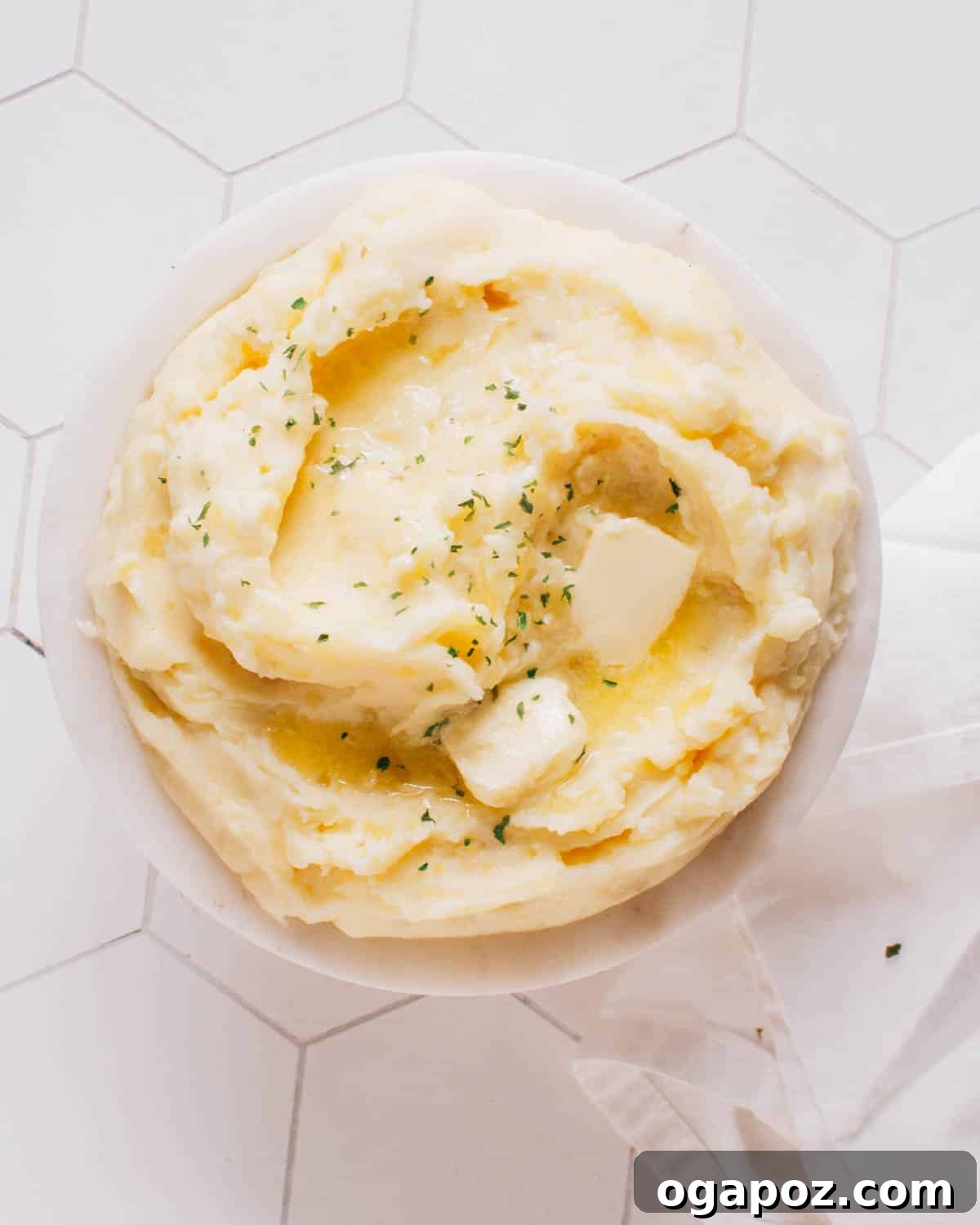
This Mashed Potatoes recipe isn’t just a side dish; it’s a culinary revelation! Prepare to unlock the secrets to achieving the most incredibly fluffy, irresistibly creamy, and absolutely never-gluey mashed potatoes you’ve ever tasted. We’ll delve into the techniques championed by professional chefs, expose the common pitfalls that often ruin a batch, and arm you with the knowledge to create a truly unforgettable comfort food masterpiece.
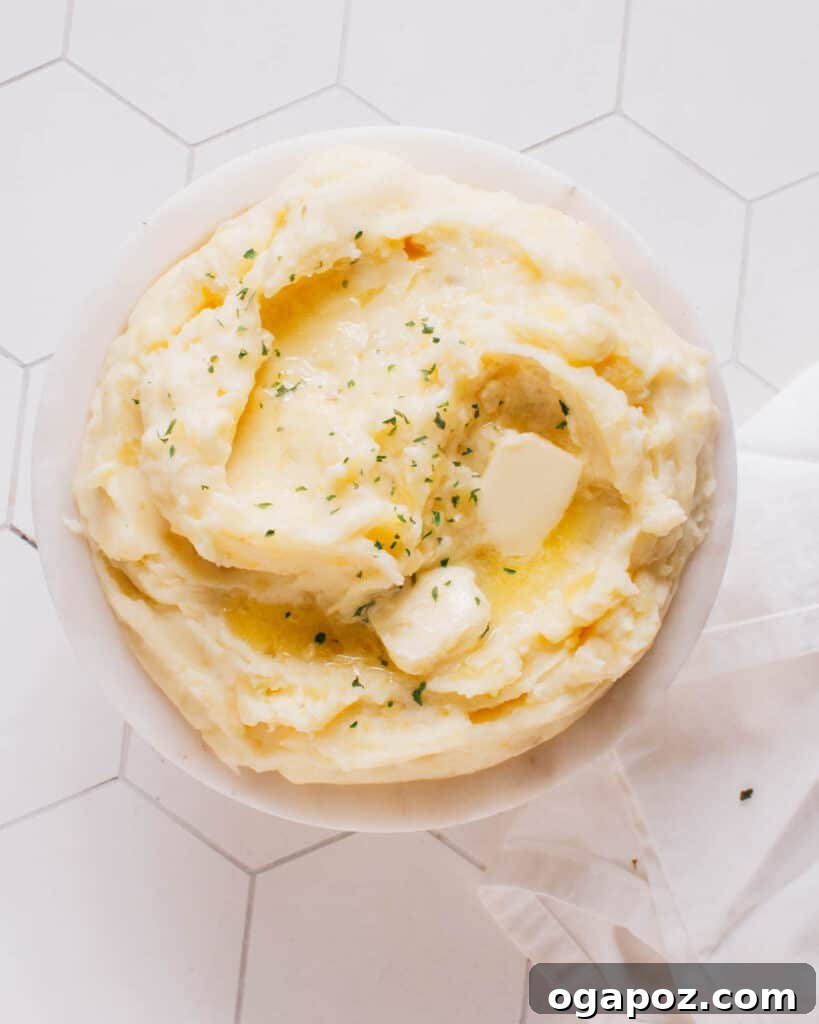
Why This Mashed Potato Recipe Stands Out
Forget everything you thought you knew about mashed potatoes. This recipe transcends the ordinary, delivering a truly superior experience. Here’s what sets it apart:
- Perfect Texture: By utilizing high-starch Russet potatoes and employing precise cooking and mashing techniques, we guarantee a light, airy, and fluffy texture, steering clear of any gluey consistency.
- Unmatched Richness: The careful incorporation of rich butter and gently warmed heavy cream infuses every spoonful with a luxurious, velvety smoothness that melts in your mouth.
- Exquisite Flavor Profile: Proper salting, a crucial and often overlooked step, ensures that the potatoes are seasoned from within, making every single bite burst with balanced, savory flavor.
If you’re a true potato aficionado, you’ll also adore my other potato creations: Ultimate Instant Pot Potato Soup, Super Crispy and Fluffy Fried Potatoes, Decadent Au Gratin Potatoes, and my comforting Easy Creamy Potato Soup. Each offers a unique way to celebrate this versatile vegetable.
Essential Ingredients for Flawless Mashed Potatoes
Crafting perfect mashed potatoes starts with selecting the right ingredients. Each component plays a vital role in achieving that desired fluffy and creamy texture.
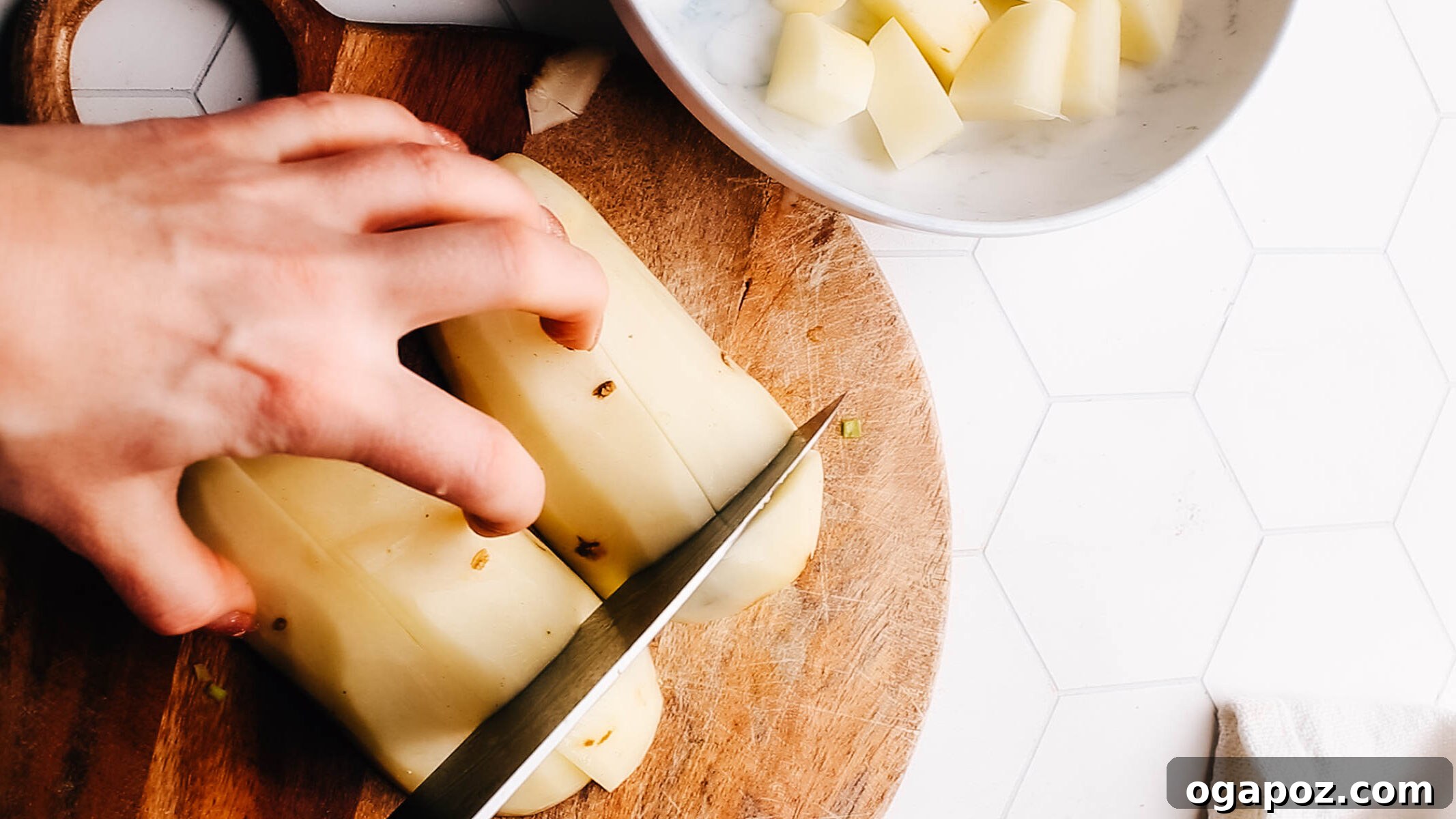
- Russet Potatoes: These are the undisputed champions for mashed potatoes. Their high starch content breaks down beautifully during cooking, creating a light, fluffy, and smooth base that readily absorbs butter and cream without becoming dense or waxy.
- Salt (Kosher Salt Recommended): Far more than just a seasoning, salt is a critical ingredient from the very beginning. As we’ll discuss further, salting the cooking water is essential for seasoning the potatoes thoroughly and preventing them from becoming waterlogged.
- Unsalted Butter: Good quality butter adds an incredible depth of flavor and richness. Using unsalted butter gives you complete control over the final salt content of your dish.
- Heavy Cream: This is where the luxurious creaminess truly comes from. Heavy cream, with its higher fat content, contributes to a supremely smooth and rich mash. For those seeking alternatives, a heavy cream substitute can be used, though the final texture may vary slightly.
- Sour Cream or Cream Cheese (Optional, but Recommended): A small amount of sour cream or cream cheese adds a delightful tang and an extra layer of richness, elevating the flavor profile significantly.
- Freshly Ground Black Pepper: For a subtle warmth and aromatic finish.
- Ground Nutmeg (Optional): A pinch of nutmeg beautifully complements the richness of potatoes and dairy, adding a classic, warm undertone.
- Fresh Chives or Parsley (for Garnish): A sprinkle of fresh herbs provides a pop of color and a fresh, bright flavor to finish.
Flavorful Variations and Smart Substitutions
While the classic recipe is divine, don’t hesitate to experiment with these variations to customize your mashed potatoes to perfection:
- Potato Choice: If you desire a slightly thicker, denser, and naturally buttery texture, Yukon Gold Potatoes can be a fantastic substitute for Russets. They offer a creamy mouthfeel that many adore.
- Dairy-Free Option: For a delicious dairy-free version, replace traditional butter with a high-quality vegan butter. Similarly, use a plant-based heavy cream substitute (like full-fat coconut milk for richness or oat milk for a lighter touch) and vegan sour cream or cream cheese.
- Garlic Infusion: Roast a head of garlic until soft and caramelized, then mash the cloves directly into your potatoes for a sweet, mellow garlic flavor. Alternatively, sauté minced garlic in the butter before adding the cream.
- Cheesy Indulgence: Stir in a generous handful of finely grated Parmesan, sharp cheddar, or Gruyère cheese after mashing for an irresistible savory depth and an extra creamy texture.
- Herbal Twist: Experiment with finely chopped fresh herbs like rosemary, thyme, or dill added at the end for an aromatic boost.
- Spicy Kick: A pinch of cayenne pepper or a dash of hot sauce can add a subtle, warming heat to your mash.
- Broth for Lightness: For a slightly lighter but still flavorful mash, you can substitute a portion of the heavy cream with warm chicken or vegetable broth.
Essential Tools for the Perfect Mash
Having the right kitchen tools can significantly impact the quality of your mashed potatoes. These basic pieces of equipment will set you up for success:
- Two Pots: You’ll need a large pot, ideally a Dutch oven or a stockpot, for boiling the potatoes to ensure they have enough space to cook evenly. A small saucepan is also necessary for gently warming the dairy ingredients.
- Colander: An absolute must for thoroughly draining the boiled potatoes. Proper drainage is key to preventing watery mashed potatoes.
- Potato Masher or Ricer:
- Potato Masher: For a rustic, slightly chunky texture that many adore, a sturdy hand-held potato masher is perfect.
- Potato Ricer: For the absolute smoothest, fluffiest, and lump-free mashed potatoes, a potato ricer is unparalleled. It pushes the cooked potatoes through small holes, creating fine, uniform strands that absorb liquid beautifully without becoming gluey. While not strictly necessary, it’s a game-changer if you seek that restaurant-quality consistency.
Important Note: Steer clear of electric mixers, food processors, or blenders for mashing potatoes. The high-speed blades and aggressive agitation can overwork the potato starch, resulting in a sticky, gummy, and unappetizing texture.
- Sturdy Spoon or Spatula: For gently folding in the warm dairy and seasonings.
- Measuring Cups and Spoons: For accurate ingredient measurement.
Crafting The Best Mashed Potatoes: A Step-by-Step Guide
Follow these simple yet crucial steps to achieve mashed potato perfection:
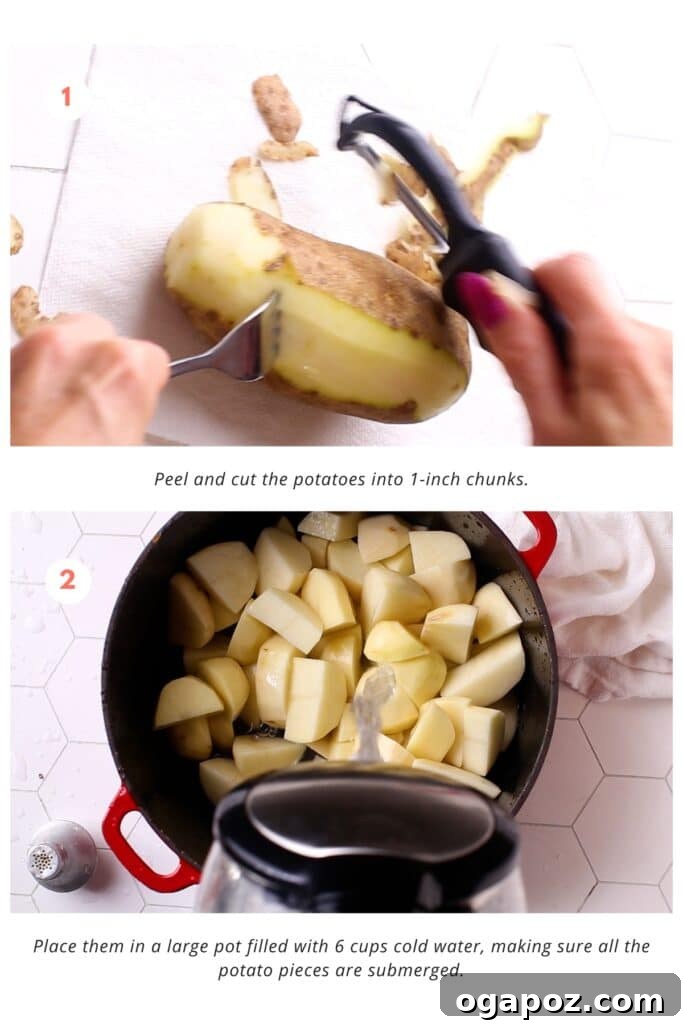
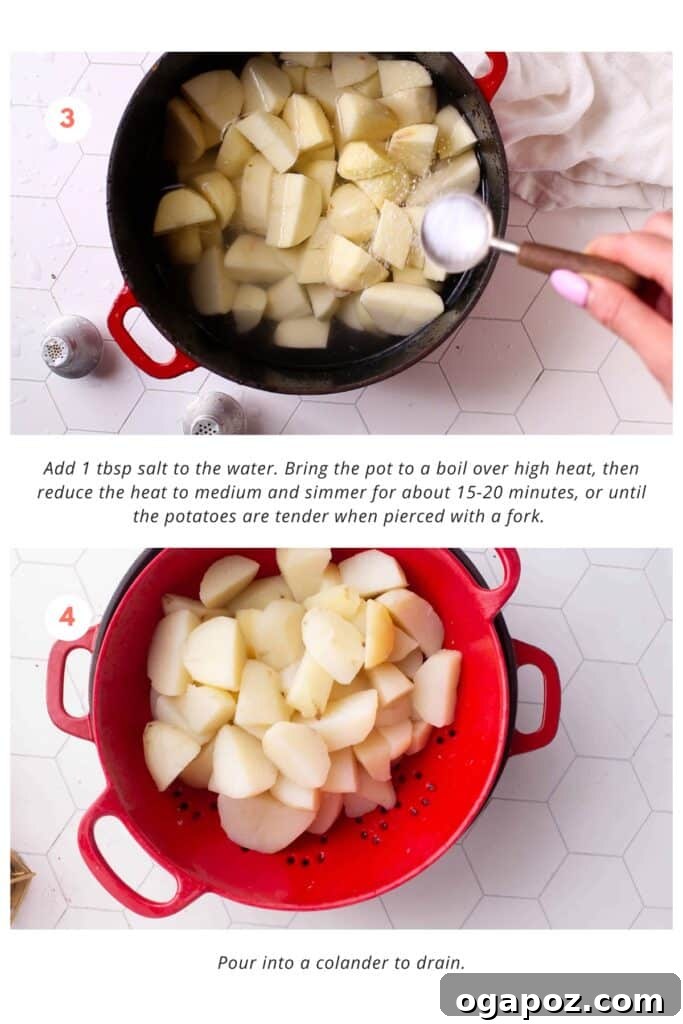
- Prepare and Start in Cold, Salted Water: Begin by peeling and cutting your Russet potatoes into uniform 1-inch chunks. This ensures they cook evenly. Place the potato chunks in a large pot and cover them with cold water, ensuring all pieces are submerged. Add a generous amount of salt to the water (it should taste like the sea). Starting with cold water allows the potatoes to cook gradually and evenly from the outside in, preventing mushy exteriors and undercooked centers, while the salt seasons them through.
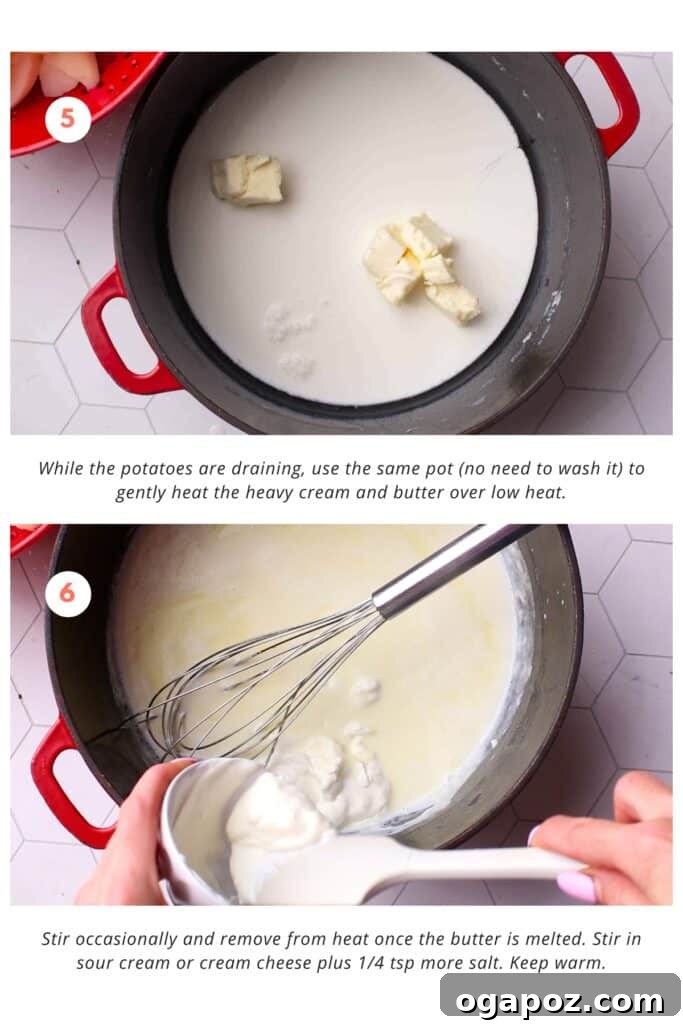
- Boil Until Fork-Tender & Warm Dairy: Bring the pot of salted potatoes to a rolling boil over high heat, then reduce the heat to a gentle simmer. Cook for approximately 15-20 minutes, or until the potatoes are easily pierced with a fork. Meanwhile, in a separate small saucepan, gently warm the butter and heavy cream over low heat until the butter is completely melted and the mixture is warm (not boiling). This step is crucial for smooth incorporation later.
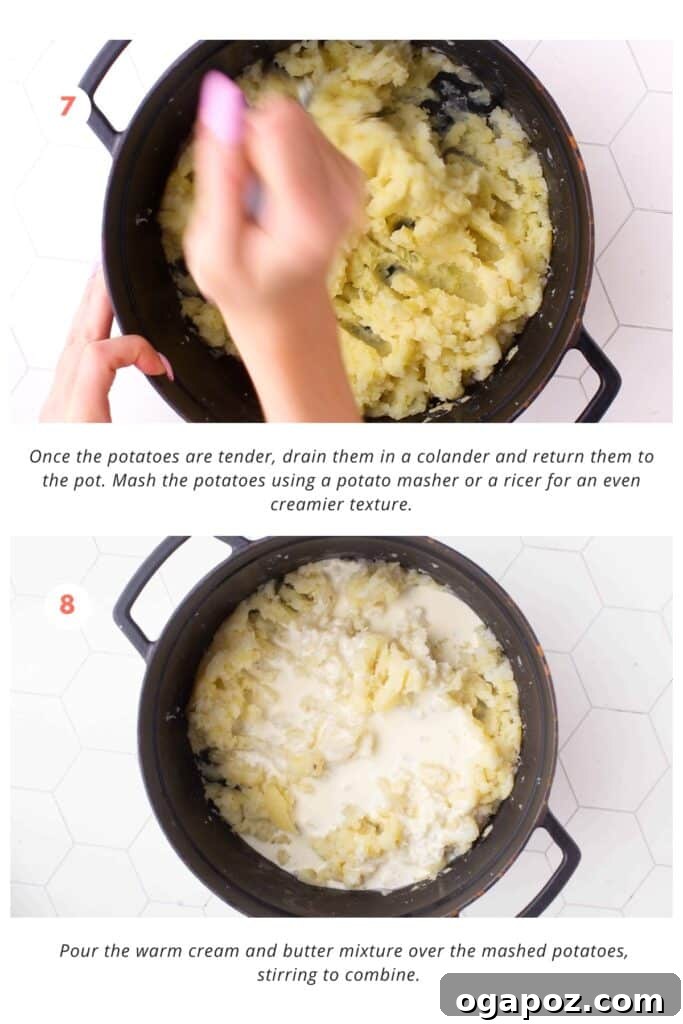
- Drain Thoroughly & Mash: Once tender, immediately drain the potatoes using a colander. Allow them to sit in the colander for a minute or two to let any residual steam escape. This helps prevent watery mashed potatoes. Transfer the drained, hot potatoes back to the empty, warm pot. Mash the potatoes immediately using either a potato masher for a rustic texture or a potato ricer for an ultra-smooth, light, and airy consistency. Mash just until lumps disappear; do not overwork.
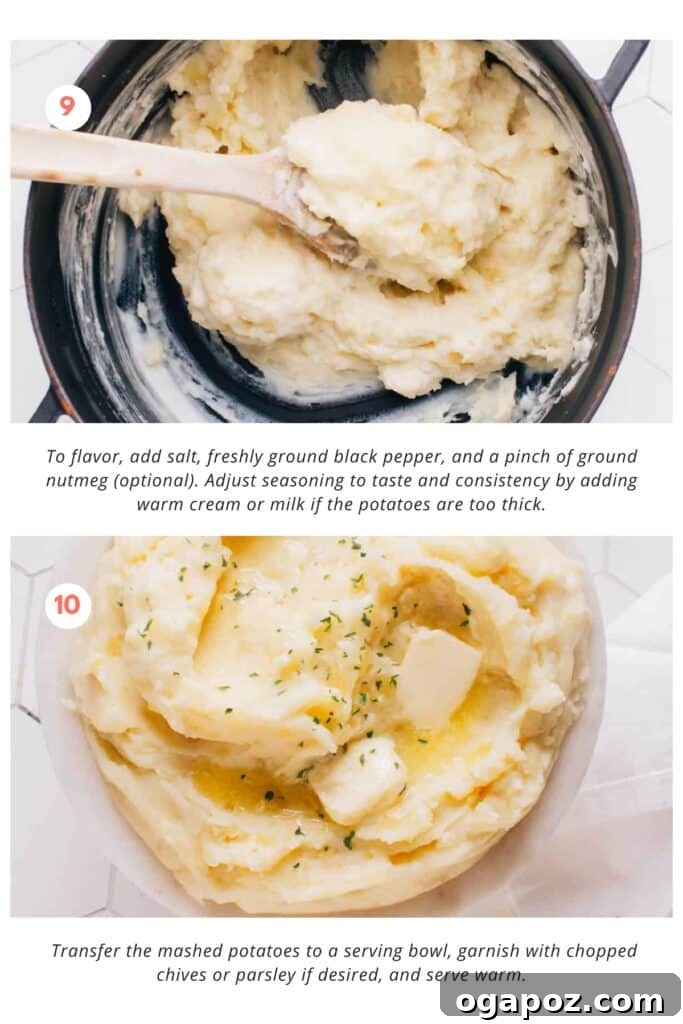
- Incorporate Warm Dairy & Season: Pour the warm butter and cream mixture over the mashed potatoes. Gently fold and stir to combine. Add a pinch of freshly ground black pepper and a small amount of freshly grated nutmeg (if using). Taste and adjust the seasoning with more salt if needed. If the mashed potatoes seem too thick for your liking, add a little more warm heavy cream or milk, a tablespoon at a time, until the desired velvety texture is achieved.
- Serve Immediately: Transfer the creamy, fluffy mashed potatoes to a serving bowl. Garnish with a pat of butter, a sprinkle of chopped fresh chives or parsley, and serve warm for the ultimate comfort food experience.
Here’s a visual guide to each step, demonstrating the simple process to perfection:
Choosing the Best Potatoes for an Unforgettable Mash
The type of potato you select is paramount to the success of your mashed potatoes. For several compelling reasons, Russet potatoes are overwhelmingly considered the top choice for achieving that signature fluffy, smooth, and richly flavored mash:
- High Starch Content: Russets are renowned for their high starch levels and relatively low moisture content. When cooked, these starches swell and then break down easily, creating a light, airy, and mealy texture. This allows them to soak up butter and cream like a sponge, leading to an incredibly rich and tender result without becoming gummy.
- Fluffy Texture: The unique composition of Russets ensures a naturally fluffy texture when mashed, which is the hallmark of truly great mashed potatoes.
- Flavor Absorption: Their mild, earthy flavor acts as a perfect canvas, allowing the rich notes of butter and cream, along with any other seasonings or additions, to truly shine.
- Ease of Preparation: Russets typically have a uniform, elongated shape, making them easy to peel and cut into consistent pieces. This consistency is crucial for even cooking, preventing some pieces from becoming overcooked and watery while others remain hard.
While other varieties like Yukon Gold potatoes can certainly produce delicious mashed potatoes (offering a creamier, more buttery, and slightly denser mash), Russet potatoes consistently deliver the ideal airy texture and unparalleled ability to absorb flavors, making them the preferred choice for a classic, fluffy mash.
The Science of Salting: Why Water and Salt Measurements Matter
You might wonder why we emphasize precise measurements for water and, more importantly, salt in the cooking process. In this recipe, the salt in the cooking water serves a dual purpose: it’s both a crucial ingredient for flavor and a key component in the chemistry of achieving truly exceptional mashed potatoes.
First, proper seasoning: Salting the water correctly ensures that the potatoes are seasoned thoroughly from the inside out as they cook. This foundational seasoning means you won’t need to aggressively stir in salt later, which can contribute to breaking down starches and a gluey texture. Instead, the potatoes develop a deep, even flavor throughout their core.
Second, the science of osmosis: This is where the magic truly happens. Osmosis is the process by which water moves across a semi-permeable membrane (like the potato cells) from an area of higher water concentration to an area of lower water concentration, seeking to equalize the “stuff” dissolved on both sides. When you add a sufficient concentration of salt to the cooking water, you create an environment where the water outside the potato has more “stuff” (dissolved salt) than the water inside the potato cells.
This higher concentration of dissolved salt in the cooking water prevents excess water from rushing *into* the potato cells. If the cooking water were bland or had a lower salt concentration than the potato, water would be drawn into the potato, making it waterlogged, soggy, and ultimately, bland. By properly salting the water, we ensure the potatoes remain firm and flavorful, ready to absorb butter and cream rather than unwanted cooking water.
The result? Perfectly seasoned, non-watery potatoes that are primed for mashing into a fluffy, rich delight. Watery, bland potatoes are a distant memory when you understand this simple scientific principle.
The Importance of Warm Dairy: A Chef’s Secret for Velvety Mash
Heating the cream and butter separately before adding them to your mashed potatoes might seem like an extra step, but it’s a fundamental technique that makes a profound difference in the final product. This simple action directly impacts the texture, temperature, and flavor integration of your mash, elevating it from good to truly great.
- Seamless Blending and Consistent Texture: When warm cream and melted butter are introduced to hot, freshly mashed potatoes, they blend seamlessly. Cold dairy, on the other hand, can shock the hot potatoes, causing the fats to seize up and leading to an uneven, lumpy, or even greasy texture. Warm dairy ensures a smooth, homogeneous, and consistently creamy mixture.
- Maintains Temperature: Adding cold liquids will inevitably cool down your perfectly hot potatoes. Warming the dairy ensures the mashed potatoes stay piping hot, which is ideal for immediate serving and helps keep the butter from solidifying too quickly.
- Prevents Over-Mashing: Warm liquids are absorbed much more readily by the potatoes. This means you need significantly less stirring and mashing to achieve the desired creamy consistency. Less mashing directly translates to less starch breakdown, drastically reducing the risk of developing a gluey or gummy texture.
- Enhanced Flavor Infusion: Warm dairy acts as an excellent vehicle for flavor. If you choose to infuse your cream with aromatics like garlic, herbs, or even a bay leaf, warming it gently allows these flavors to meld and deepen, which then permeates the entire batch of potatoes.
- Texture Adjustment: Keeping extra warm cream on hand allows you to fine-tune the consistency of your mashed potatoes just before serving. If they’re too thick, a splash of warm cream brings them back to that perfectly velvety finish without cooling them down.
This small but significant step is a hallmark of professional technique and is key to achieving that perfectly smooth, rich, and velvety mashed potato experience every time.
Avoid These 4 Common Mashed Potato Mistakes for Flawless Results
Even seasoned home cooks can fall prey to these common errors that sabotage otherwise good mashed potatoes. By understanding and avoiding them, you’re well on your way to perfection.
- Adding Liquid Too Early (Before Mashing): This is a cardinal sin of mashed potato making. Pouring milk, cream, or butter into potatoes *before* they are fully mashed allows the liquid to interact prematurely with the exposed starches. This interaction causes the starches to release excessively and can activate their gummy properties, leading to a sticky, gluey, and unpleasant texture. Always mash your cooked potatoes first until most lumps are gone, then gently fold in your warm dairy.
- Not Using Enough Salt (Especially in the Cooking Water): Bland mashed potatoes are a huge disappointment. Potatoes absorb a significant amount of salt during the cooking process. Failing to properly salt the cooking water means the potatoes won’t be seasoned through their core. You’ll end up trying to compensate by adding a lot of salt at the end, which often results in unevenly seasoned potatoes and can even contribute to a grainy texture if not dissolved properly. Season the cooking water generously – it should taste like seawater – and then adjust seasoning again after mashing.
- Adding Cold Butter or Cream: Introducing cold dairy products to hot potatoes is a recipe for disaster. Cold fats will not integrate smoothly; they can congeal, causing lumps and an uneven, sometimes greasy, texture. The temperature difference also cools down the entire dish. Always warm your butter and cream gently in a separate saucepan until the butter is melted and the mixture is hot to the touch. This ensures a seamless blend and a consistently creamy, warm mash.
- Over-Mixing or Using an Electric Mixer: This is arguably the most common culprit behind gluey mashed potatoes. Potatoes contain starches that, when agitated too much, break down and release, becoming sticky and pasty. Using an electric mixer, food processor, or even vigorously over-mashing with a hand masher will lead to a gummy consistency. The goal is to mash just until the potatoes are smooth, then fold in the warm dairy gently until just combined. Embrace a potato masher for a rustic texture or a ricer for ultimate smoothness, and stop as soon as the desired consistency is achieved.
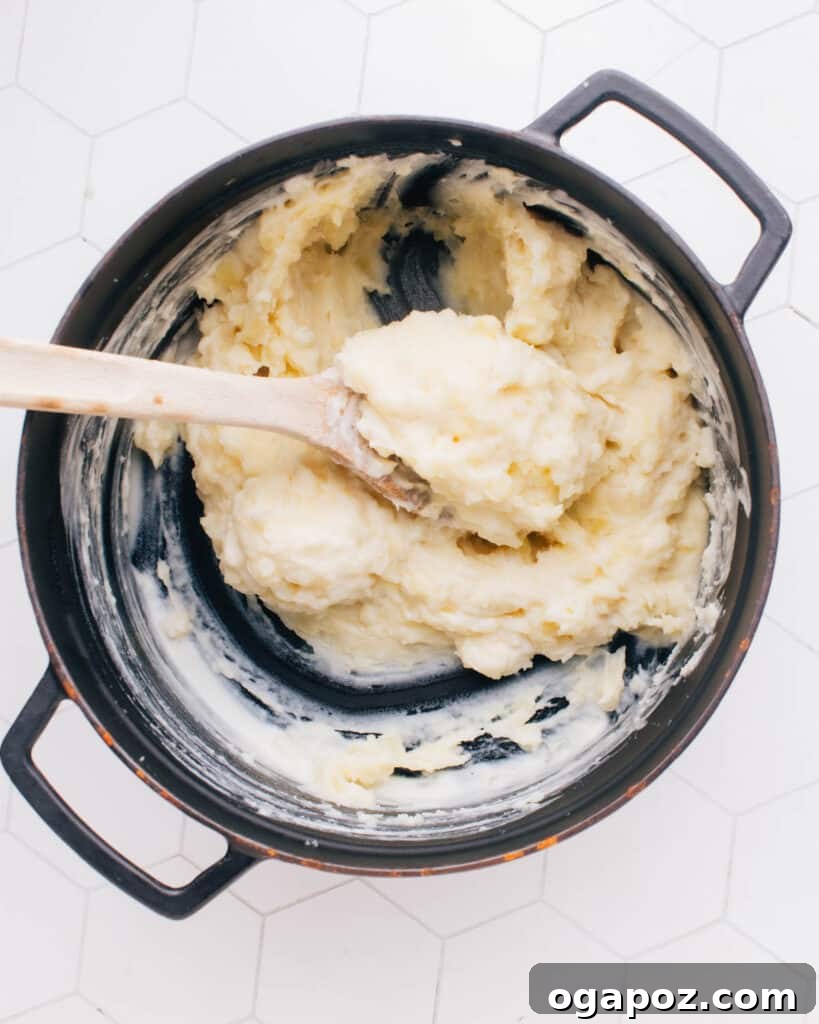
4 Pro Tips for Achieving Restaurant-Quality Mashed Potatoes
Elevate your mashed potato game with these expert techniques that make a world of difference, transforming your homemade mash into a culinary triumph.
- Pre-Cut for Uniform Cooking: This simple step is critical. Cutting your potatoes into evenly sized pieces (approximately 1-inch chunks) before boiling ensures that every piece cooks at the same rate. This eliminates the frustrating problem of having some potato pieces turn mushy and waterlogged while others remain undercooked and firm. Uniform cooking leads to a consistently tender potato base, ideal for mashing.
- Rinse or Soak the Potatoes: After cutting your potatoes, a quick rinse or a short soak (5-10 minutes) in cold water can significantly improve the final texture. This process helps to remove excess surface starch. Less surface starch means less stickiness and a greater likelihood of achieving that light, fluffy consistency when mashed, rather than a gummy one. Ensure you drain them well after rinsing/soaking.
- Double Strain (or Steam Dry): Once your potatoes are boiled until tender, don’t just drain them and immediately mash. For an extra fluffy and non-watery result, drain the potatoes thoroughly in a colander, then return them to the empty, hot pot over very low heat for 1-2 minutes, or simply let them sit in the colander for a few minutes. This allows any residual surface moisture to evaporate through steam. A drier cooked potato is a fluffier mashed potato, as it’s better able to absorb the rich butter and cream.
- Utilize a Potato Ricer: While a hand masher is perfectly fine for a rustic texture, if you aspire to the silkiest, most cloud-like mashed potatoes, a potato ricer is your secret weapon. Instead of crushing the potatoes, which can activate starch and lead to glueyness, a ricer pushes the cooked potatoes through small holes, creating individual, delicate strands. These strands absorb the butter and cream incredibly evenly, resulting in an exceptionally light, smooth, and lump-free texture that rivals any fine dining establishment.
Make-Ahead & Storage Solutions for Mashed Potatoes
Mashed potatoes are a fantastic make-ahead dish, reheating beautifully to retain their creamy, fluffy texture. This makes them ideal for holiday meals, meal prepping, or simply ensuring you always have a comforting side dish ready to go.
To Make Ahead (Up to 2 days in advance):
- Prepare the mashed potatoes as directed, stopping just before serving.
- Transfer them to an airtight container or an oven-safe casserole dish.
- Press a piece of plastic wrap directly onto the surface of the mashed potatoes to prevent a skin from forming and keep them fresh.
- Refrigerate for up to 2-3 days.
To Freeze Mashed Potatoes (Up to 10-12 months):
- Ensure your mashed potatoes are completely cooled before attempting to freeze them. Freezing warm food can lead to ice crystals and freezer burn.
- For bulk storage, spoon the cooled mashed potatoes into airtight, freezer-safe containers. Press plastic wrap directly onto the surface before sealing the container to minimize air exposure.
- For convenient single servings, scoop ½-cup portions onto a parchment-lined baking sheet and freeze until solid. Once frozen, transfer the individual scoops to freezer bags or containers. This method allows you to grab just the amount you need.
- Label your containers or bags with the date and freeze for up to 10–12 months for best quality, though they will remain safe beyond that.
To Reheat Mashed Potatoes:
- Stovetop (Recommended): For best results, warm thawed mashed potatoes over low to medium-low heat in a large saucepan. Stir frequently, adding a splash of milk, cream, or chicken/vegetable broth, along with a pat of butter, to restore their original creaminess and prevent them from drying out. Continue stirring until heated through and smooth.
- Oven: Preheat your oven to 350°F (175°C). Transfer the cold or thawed mashed potatoes to an oven-safe dish. Add a few dollops of butter and a splash of milk or cream over the top. Cover tightly with foil and bake for 20-30 minutes, or until heated through. Stir well before serving.
- Microwave: Place individual servings of mashed potatoes in a microwave-safe bowl. Add a tablespoon of milk, cream, or broth and a small pat of butter. Cover with a microwave-safe lid or plastic wrap, venting slightly. Heat at 50% power in 5-minute bursts, stirring well between intervals, until hot and creamy.
- Important Tip: Regardless of the reheating method, a little extra butter stirred in at the very end makes reheated mashed potatoes taste wonderfully fresh and luxurious. Always taste and adjust salt and pepper after reheating.
How to Serve Your Perfect Mashed Potatoes
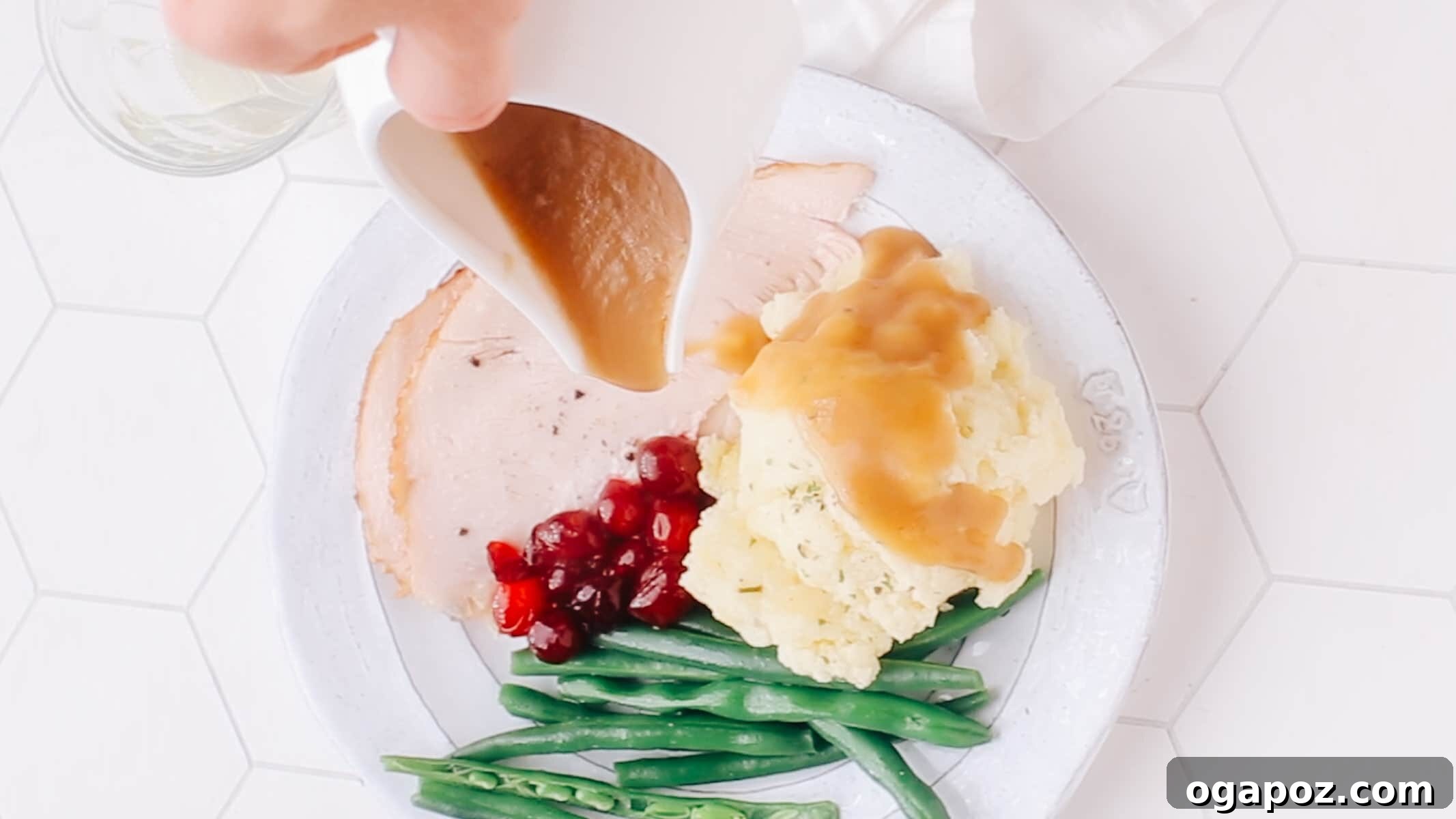
These fluffy, creamy mashed potatoes are a versatile culinary staple, far surpassing their role as a mere Thanksgiving accompaniment. While they are, of course, essential for Roast Turkey and holiday feasts, they truly have a place on your table any day of the year, offering comfort and delight.
Here are some delectable pairings:
- Classic Roasts: Serve alongside succulent main courses such as Juicy Roast Pork Loin, rich Beef Chuck Roast (especially delightful with its accompanying gravy), a tender Dutch Oven Pot Roast, or an exceptionally tender and juicy Eye of Round Roast. The mashed potatoes are perfect for soaking up all those delicious pan juices and gravies.
- Hearty Weeknight Meals: They make an ideal complement to comforting family favorites like the Best-Ever Meatloaf, crispy Oven Baked Pork Chops, tangy Honey Mustard Chicken, traditional Salisbury Steak, or my irresistibly Light and Crispy Fried Chicken.
- Beyond the Plate: Mashed potatoes are also excellent when topped with chili, stews, or even a simple fried egg for a hearty breakfast or brunch.
I genuinely adore mashed potatoes so much that I dedicated an entire article to exploring the myriad possibilities of What to Eat With Mashed Potatoes, featuring over 35 cozy and inspiring recipe ideas to broaden your culinary horizons.
Creative Ways to Revitalize Leftover Mashed Potatoes
Never let a single spoonful of your glorious mashed potatoes go to waste! Leftovers are a treasure trove of possibilities, perfect for transforming into an array of creative and incredibly delicious new dishes. Give them a second life with these inspiring ideas:
- Crispy Potato Fish Cakes: Combine leftover mash with flaked fish, herbs, and spices, then pan-fry until golden and crisp for a delightful appetizer or light meal.
- Turkey Stew with Mashed Potato Dumplings: Drop spoonfuls of mashed potato into a simmering stew to create fluffy, comforting dumplings that absorb all the rich flavors.
- Malai Kofta: Transform your mash into rich, creamy Indian-inspired vegetable kofta (dumplings) simmered in a luscious sauce.
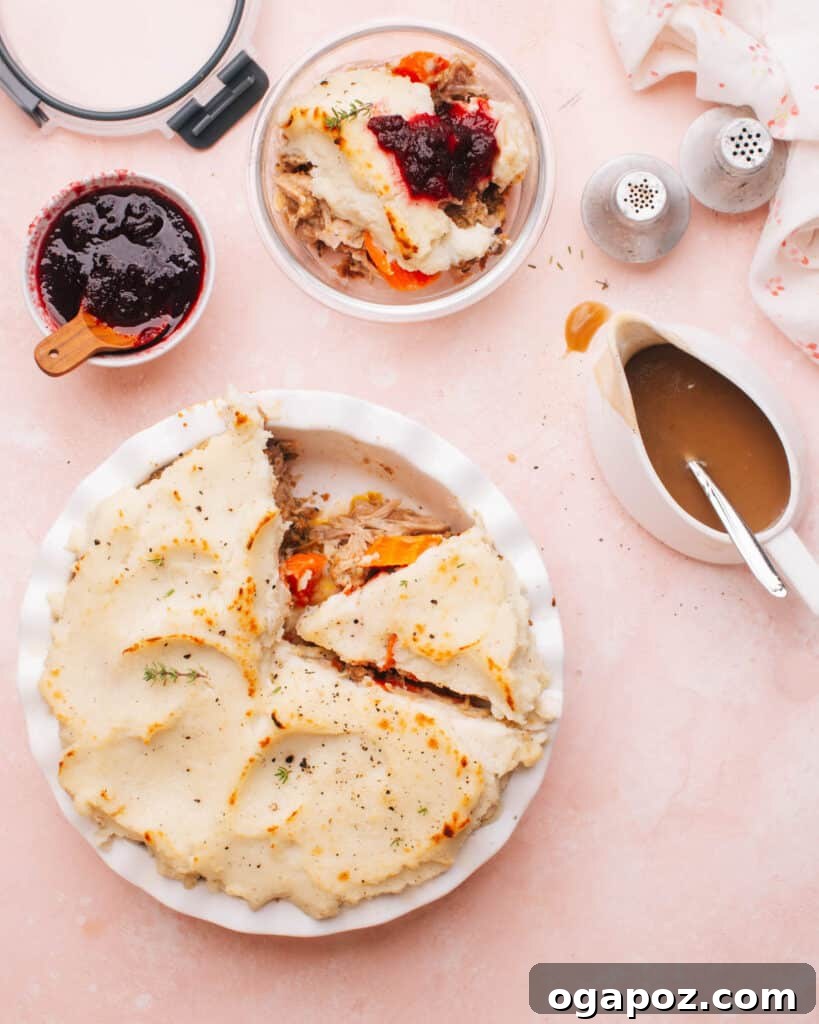
- Leftover Turkey Casserole with Stuffing Crust: Layer mashed potatoes into a festive casserole, perhaps with leftover turkey and vegetables, topped with a crunchy stuffing crust.
- Vegetarian Shepherd’s Pie: Use the creamy mash as a golden, bubbly topping for a hearty vegetarian filling made with lentils and vegetables.
- International Potato Breads and Pastries:
- Potato Samosas: Mix with peas and spices, then encase in pastry and fry or bake for a savory snack.
- Aloo Naan: Incorporate into naan dough for a soft, flavorful Indian flatbread.
- Samosa Pie: A deconstructed samosa, with a spiced potato filling topped with a pastry crust.
- Potato Pancakes/Fritters: Mix with an egg, a little flour, and finely chopped onion or chives, then pan-fry until crispy.
- Thickener for Soups and Stews: Stir a spoonful or two into thin soups or stews to add body and a creamy texture.
Frequently Asked Questions About Mashed Potatoes
For those who prefer a quick summary, here are answers to common questions about making the perfect mashed potatoes.
The core elements for truly exceptional mashed potatoes are using the right potato variety (Russets), proper initial seasoning in the cooking water, and the precise balance of high-quality butter and heavy cream. Starting potatoes in cold water for even cooking and using a potato ricer for texture can elevate them further.
Russet potatoes are widely considered the best for mashed potatoes due to their high starch content, which yields a fluffy and light texture. Their ability to absorb rich dairy without becoming dense is unmatched.
Absolutely. While Russets are recommended for their fluffy texture, you can use Yukon Gold potatoes for a creamier, more buttery, and slightly denser mash. Other waxy potatoes are generally not recommended as they can result in a gluey texture.
Peeling is optional and depends entirely on your preference. For a truly smooth and refined mash, peeling is essential. However, leaving the skins on offers a rustic texture and additional fiber, which some people enjoy.
Yes, starting potatoes in cold water is crucial for even cooking. If you start them in hot water, the outsides will cook and potentially break down before the centers are tender, leading to unevenly cooked and mushy potatoes.
You can use milk, but it will result in a lighter and less rich mashed potato due to milk’s lower fat content. For a slightly healthier or lighter version, you can even use chicken or vegetable broth, though the creaminess will be significantly reduced.
While sour cream and cream cheese add a delightful tang and extra richness, you can certainly omit them. Alternatively, you can substitute them with full-fat Greek yogurt for a similar tang and creamy texture.
The easiest way to mash potatoes using basic kitchen tools is with a sturdy potato masher. A large fork can also work in a pinch, though it might take a bit more effort to achieve a smooth consistency.
Professional chefs most often rely on a potato ricer to produce the smoothest, most lump-free, and fluffiest mashed potatoes possible. This tool prevents overworking the starches and creating a gluey texture.
Mashed potatoes become gluey or gummy when the starches are overworked. This typically happens from overmixing, using an electric mixer or food processor, or adding liquids too early. Stick to a hand masher or ricer and mix gently until just combined.
Beyond the essential butter, cream, and salt, consider adding roasted garlic, a tablespoon or two of minced fresh chives or parsley, a pinch of ground nutmeg, a dollop of sour cream or cream cheese, or even a hint of white pepper for an elevated flavor profile.
Yes, mashed potatoes can be made a day in advance. Store them in an airtight container in the fridge, pressing plastic wrap directly onto the surface. Reheat gently on the stovetop or in the oven, adding a bit more warm cream or milk to restore their creamy texture.
Leftover mashed potatoes should be stored in an airtight container in the refrigerator for up to 3 days. For longer storage, they can be frozen for up to 10-12 months, with full reheating instructions provided in the article above.
Yes, mashed potatoes freeze well, though their texture may change slightly upon thawing. It’s best to reheat them with extra cream or butter to revive their consistency. Detailed freezing and reheating instructions are outlined in the “Make Ahead and Storage” section of this article.
Restaurant mashed potatoes often taste superior due to generous amounts of high-fat dairy, such as ample butter and heavy cream. Chefs also excel at seasoning them perfectly, ensuring a balanced and pronounced savory flavor, often achieved by salting the cooking water generously and tasting frequently.
Gordon Ramsay’s renowned mashed potatoes are known for their exceptional richness and flavor. He typically incorporates a substantial amount of butter, heavy cream, and often a touch of crème fraîche for an extra creamy, tangy, and indulgent texture. He also frequently adds roasted garlic or fresh chives to enhance their savory depth.
5 from 3 votes
The Ultimate Fluffy & Creamy Mashed Potatoes Recipe
Video
A video demonstrating the process of making these incredibly fluffy and creamy mashed potatoes would typically be displayed here.
Ingredients
- 4 lbs Russet potatoes peeled and cut into 1-inch chunks
- 6 cups cold water
- 1 tbsp kosher salt plus more to taste
- 8 tbsp unsalted butter
- 1 cup heavy cream
- ¼ cup sour cream or cream cheese
- Freshly ground black pepper to taste
- Chopped fresh chives or parsley for garnish optional
Instructions
-
Prep the Potatoes: Peel and cut the potatoes into 1-inch chunks. Place them in a large pot filled with 6 cups cold water, making sure all the potato pieces are submerged.
-
Boil the Potatoes: Add 1 tbsp salt to the water. Bring the pot to a boil over high heat, then reduce the heat to medium and simmer for about 15-20 minutes, or until the potatoes are tender when pierced with a fork. Pour into a colander to drain.
-
Heat the Dairy: While the potatoes are draining, use a medium saucepan to gently heat the heavy cream and butter over low heat. Stir occasionally and remove from heat once the butter is melted. Stir in sour cream or cream cheese plus 1/4 tsp more salt. Keep warm.
-
Drain and Mash: Once the potatoes are tender, drain them in a colander and return them to the pot. Mash the potatoes using a potato masher or a ricer for an even creamier texture.
-
Combine: Pour the warm cream and butter mixture over the mashed potatoes, stirring to combine. Season with salt and pepper to taste.
Notes
Nutrition
Carbohydrates: 34g |
Protein: 5g |
Fat: 19g |
Saturated Fat: 12g |
Polyunsaturated Fat: 1g |
Monounsaturated Fat: 5g |
Trans Fat: 0.4g |
Cholesterol: 55mg |
Sodium: 724mg |
Potassium: 790mg |
Fiber: 2g |
Sugar: 2g |
Vitamin A: 681IU |
Vitamin C: 11mg |
Calcium: 53mg |
Iron: 2mg
Nutrition information is automatically calculated, so should only be used as an approximation.
Tried this recipe? Leave a comment!