
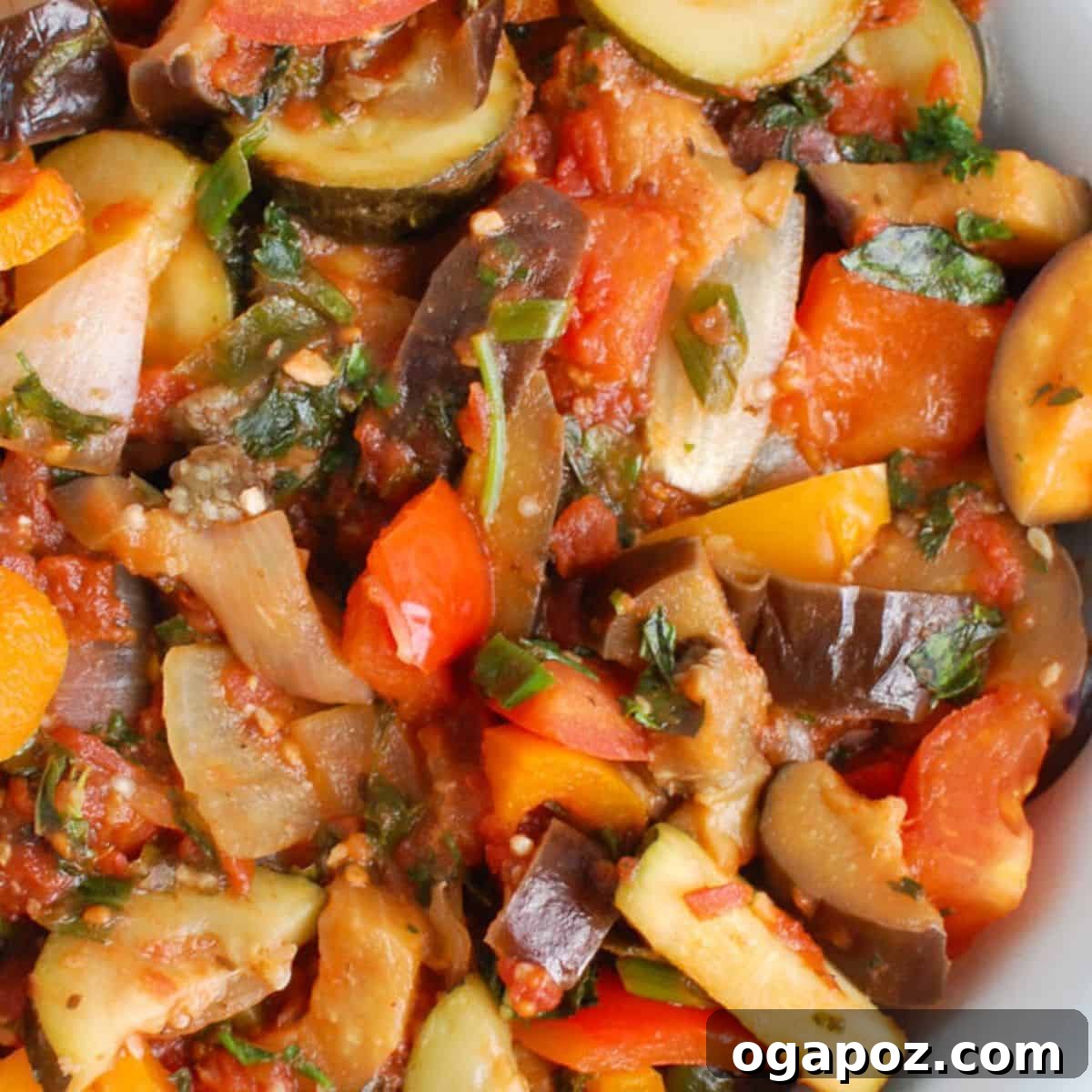
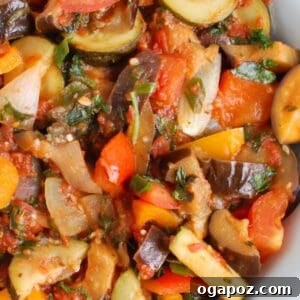
Welcome to the ultimate guide for preparing the most delicious and authentic Ratatouille Recipe you’ll ever encounter! Passed down through generations, this cherished family recipe transforms simple, fresh garden vegetables into a vibrant, aromatic stew that’s perfect for any occasion. Imagine succulent zucchini, tender eggplant, sweet bell peppers, and ripe tomatoes, all simmered together with a medley of aromatic herbs and spices. This easy vegan dish is not only incredibly flavorful but also remarkably versatile, allowing you to enjoy it on its own, served over fluffy rice, or tossed with your favorite pasta. Prepare to delight your family and friends with this timeless classic that perfectly captures the essence of summer.
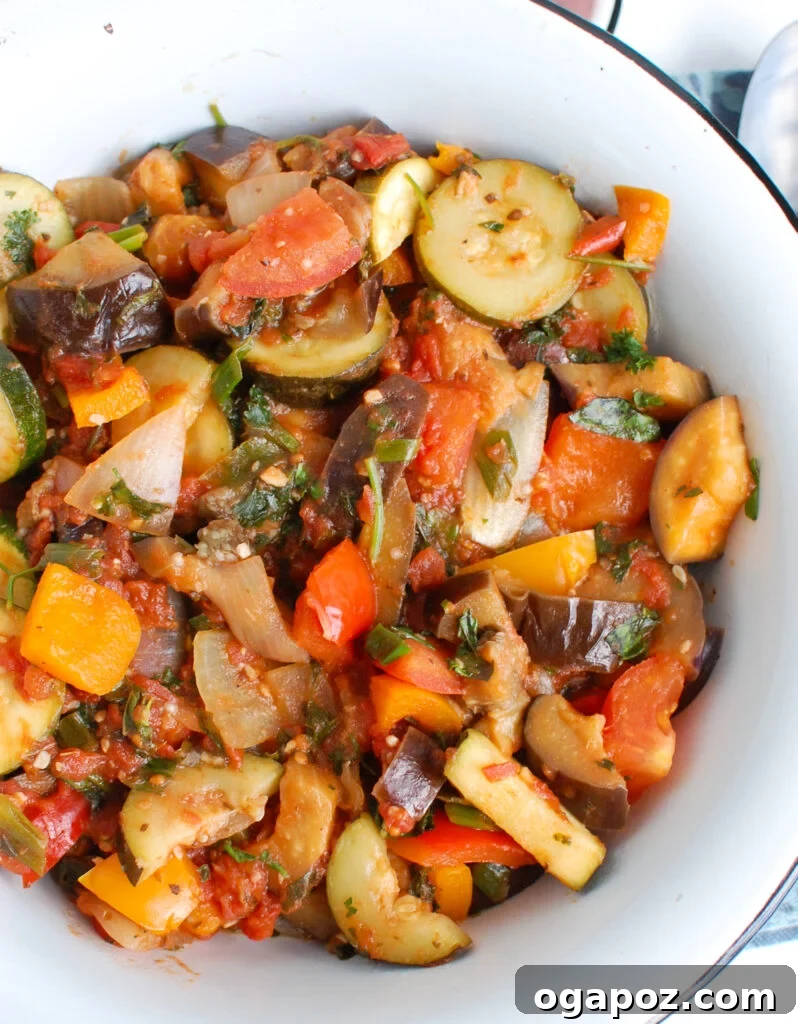
Summer truly brings a bounty of fresh produce, and few things make a home cook happier than a trip to the farmers market during peak season. The vibrant colors and incredible flavors of summer vegetables are the inspiration behind dishes like this Easy Ratatouille Recipe. This season is also perfect for whipping up other fresh favorites such as this Easy Lebanese Salad or a refreshing Summer Orzo Pasta Salad.
The magic of Ratatouille lies in the harmonious blend of its star ingredients: sweet bell peppers, creamy eggplant, crisp zucchini, and juicy diced tomatoes. Each vegetable contributes its unique texture and flavor, culminating in a stew that is both complex and comforting. It’s an excellent way to utilize your garden’s abundance or the treasures you find at your local market. This colorful and wholesome dish is ideal for sharing at a friend’s gathering, serving as a vibrant accompaniment to grilled chicken, or taking center stage as a delightful main course for lunch or dinner.
Originating from the sun-drenched region of Provence, France, Ratatouille is often referred to as Ratatouille Niçoise, paying homage to the city of Nice where it was perfected. Over time, this rustic peasant dish has transcended its humble beginnings to become a beloved favorite across the globe. Its enduring popularity stems not only from its incredibly rich flavor but also from its straightforward preparation. The traditional medley of tomatoes, garlic, onion, zucchini, eggplant, and bell peppers, combined with a fragrant blend of fresh herbs and warm spices, slowly simmers on the stove. This gentle cooking process allows the vegetables to soften and their flavors to deepen, creating a stew-like meal that is truly packed with taste and goodness. It’s a wonderful representation of the healthy and delicious Mediterranean diet.
Beyond its standalone appeal, Ratatouille serves as an excellent base for adding various proteins to create a heartier meal. Consider pairing it with these savory Mediterranean Baked Meatballs, tender Greek Marinated Chicken with Tzatziki Sauce, or flaky Baked Cod with Lemon. If you’re exploring more Mediterranean-inspired dishes, you might also enjoy this Mediterranean Orzo Pasta Recipe, a quick and satisfying Mediterranean Chickpea Skillet, or this flavorful Mediterranean Eggplant Salad.
Why This Ratatouille Recipe Stands Out
While many Ratatouille recipes exist, this particular version offers a unique blend of simplicity, deep flavor, and versatility that makes it a true standout. It’s more than just a vegetable stew; it’s a celebration of fresh produce and rustic French cooking techniques adapted for the modern home kitchen. Here’s why you’ll want to make this your go-to Ratatouille recipe:
- Authentic Flavors: We honor the traditional Niçoise style, allowing the natural sweetness of the vegetables to shine through, enhanced by classic herbs like basil, thyme, and oregano.
- Perfect Texture: The method ensures that each vegetable is cooked to perfection, tender yet not mushy, maintaining its individual character while contributing to the overall stew.
- Healthy & Wholesome: Packed with nutrients, this naturally vegan and gluten-free dish is a powerhouse of vitamins, minerals, and fiber, making it an ideal choice for a healthy lifestyle.
- Incredibly Versatile: Whether you serve it as a main course, a side dish, or a base for other meals, its adaptability is unmatched.
- Easy to Follow: Despite its gourmet appeal, the steps are straightforward, making it accessible for cooks of all skill levels.
- Meal Prep Dream: Ratatouille tastes even better the next day, as the flavors have more time to meld, making it an excellent option for meal prepping throughout the week.
Essential Ingredients for a Perfect Ratatouille
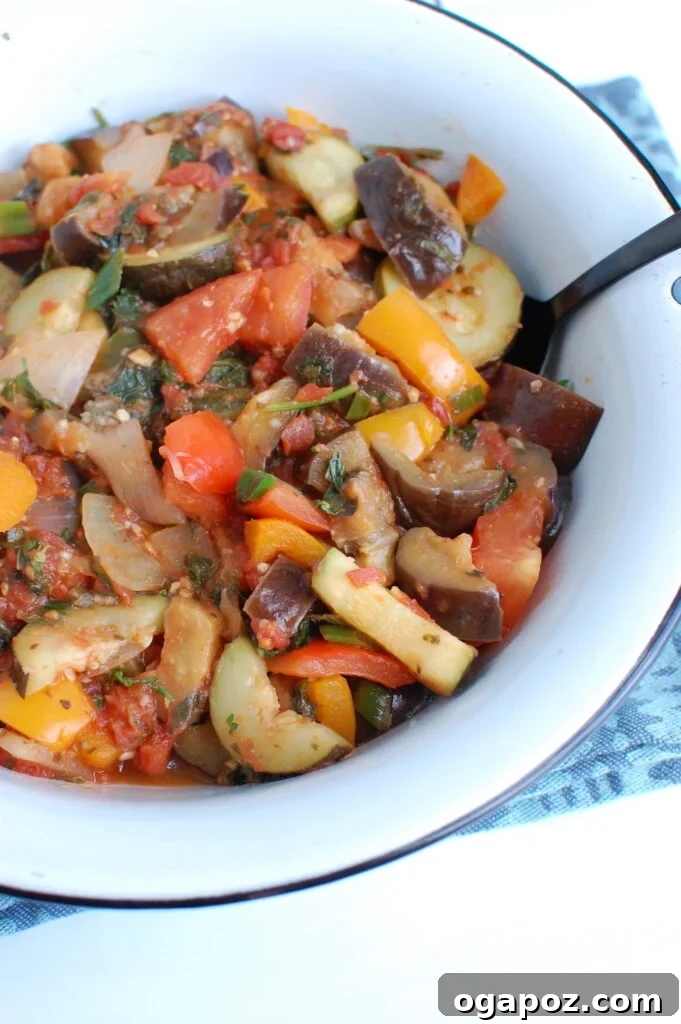
Crafting the perfect Ratatouille begins with selecting the finest ingredients. This recipe relies on simple, fresh produce and pantry staples that come together to create a complex and satisfying flavor profile. Below are the key components you’ll need. For exact measurements and printable instructions, please refer to the full recipe card below.
- Fresh Vegetables: These are undoubtedly the stars of our Ratatouille. We use a vibrant combination of a medium onion, creamy eggplant, tender zucchini, and a trio of colorful bell peppers (red, green, and orange for visual appeal and varied sweetness), along with ripe tomatoes. Choosing fresh, in-season produce will make a significant difference in the final taste.
- Aromatic Herbs: The fresh herbs infuse the stew with an incredible, bright flavor. Finely chopped fresh parsley and fragrant fresh basil are essential, adding depth and a touch of elegance to the dish.
- Warm Spices: A carefully balanced blend of spices elevates the Ratatouille from good to extraordinary. We incorporate dried oregano, a hint of ground coriander for warmth, sweet paprika for color and subtle sweetness, and earthy dried thyme. These spices complement the vegetables beautifully without overpowering their natural essence.
- High-Quality Olive Oil: Essential for sautéing the vegetables and building the flavor base. Use a good extra virgin olive oil for the best results.
- Garlic: Freshly minced garlic is crucial for that pungent, aromatic foundation that underpins traditional Mediterranean cooking.
- Salt and Pepper: To season generously throughout the cooking process, bringing out the best in each ingredient.
Creative Ways to Customize Your Ratatouille
One of the many joys of Ratatouille is its incredible adaptability. While the classic recipe is perfect as is, feel free to experiment and tailor it to your dietary preferences or what you have on hand. Here are some fantastic ideas to modify and enhance your Ratatouille:
- Add Legumes for Protein: To transform your Ratatouille into an even more substantial and satisfying meal, consider stirring in a can of drained and rinsed chickpeas or white beans (such as cannellini or navy beans). While not traditional, this addition boosts the protein content, making it a hearty lunch or dinner option that keeps you feeling full longer.
- Indulge with Cheese: A sprinkle of cheese can add a delightful tangy or salty finish. I particularly love adding crumbled feta cheese to the finished dish for a burst of Mediterranean flavor. Creamy goat cheese or freshly grated Parmesan cheese are also excellent choices, melting slightly into the warm vegetables.
- Incorporate Leafy Greens: Boost the nutritional value and add another layer of texture by incorporating leafy greens. Towards the end of the cooking process, stir in a handful of fresh spinach, chopped kale, or Swiss chard. Simmer just until the greens are wilted and tender-crisp.
- Experiment with Other Vegetables: Don’t be afraid to venture beyond the traditional vegetable lineup. Yellow squash makes a great substitute or addition to zucchini. Carrots, celery, or even sliced mushrooms can also be wonderful additions, adding their unique flavors and textures to the stew. If you have cherry tomatoes, they can be added whole for a burst of sweetness.
- Spice It Up: For those who enjoy a little heat, a pinch of red pepper flakes added with the other spices can provide a subtle warmth and kick.
- Herb Variations: While basil and parsley are standard, try a sprig of fresh rosemary or a bay leaf during simmering for a deeper, more herbaceous aroma.
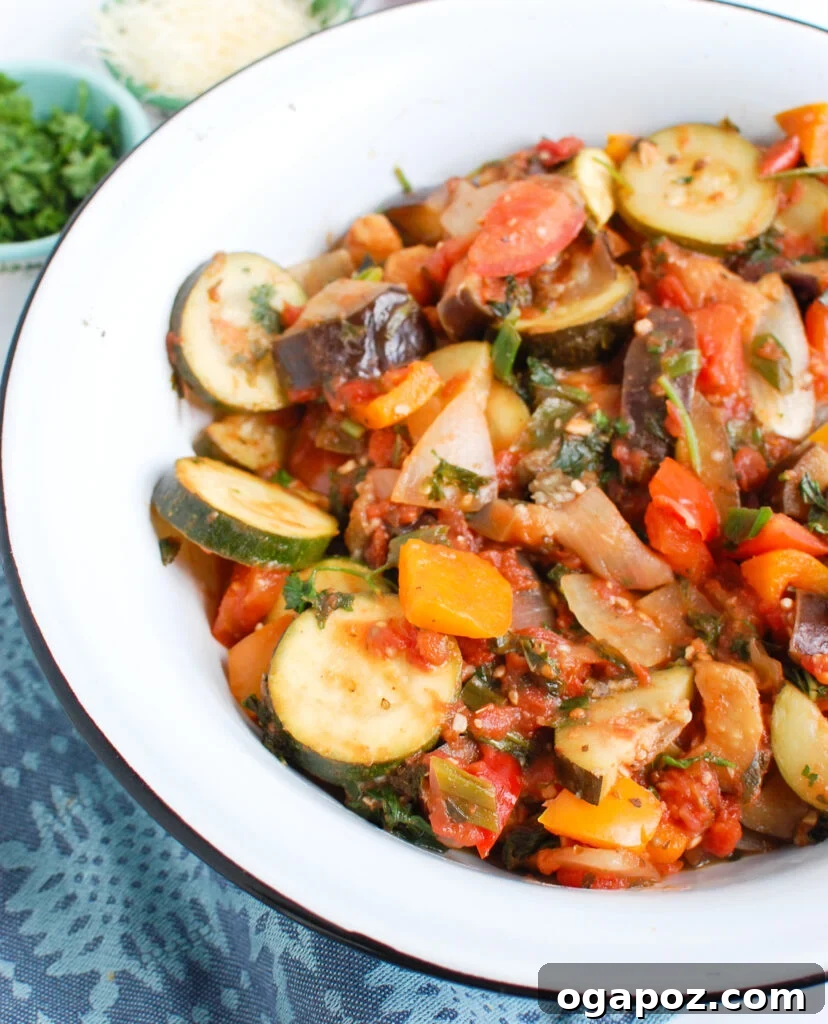
Step-by-Step Guide: Crafting Your Delicious Ratatouille
Creating this incredible Ratatouille is a straightforward process, relying on gentle simmering to bring out the best in each vegetable. Follow these simple steps for a truly rewarding culinary experience:
Step 1: Optional Salting of Eggplant (Highly Recommended)
This crucial step helps to draw out any potential bitterness and excess moisture from the eggplant, resulting in a silkier, less watery final dish. Cut the eggplant into 1-inch pieces, then place them in a colander. Sprinkle generously with salt and let them sit for 20-30 minutes. You’ll notice beads of moisture forming on the surface. After resting, thoroughly rinse the eggplant under cold water to remove the salt, then pat the pieces completely dry with paper towels before proceeding to the next step.
Step 2: Sauté the Aromatics and Peppers
In a large, heavy-bottomed pan or a Dutch oven, heat the olive oil over medium heat. Add the chopped onion and minced garlic, sautéing for about 4-5 minutes until the onion becomes translucent and fragrant. Next, add the bell peppers and continue to cook for another 4-5 minutes, allowing them to soften slightly but still retain a bit of their crispness.
Step 3: Incorporate Remaining Vegetables and Spices
Stir in the diced tomatoes, zucchini, and the prepped eggplant (if you salted it). Add the dried herbs and spices: thyme, oregano, paprika, and coriander. Give everything a good stir to ensure the vegetables are evenly coated with the spices. Season generously with salt and freshly ground black pepper to taste.
Step 4: Simmer to Perfection
Increase the heat to medium-high and bring the mixture to a gentle boil. Once boiling, reduce the heat to low, cover the pot, and let the Ratatouille simmer for approximately 30 minutes. This slow simmering allows the vegetables to tenderize beautifully and the flavors to fully meld together, creating that signature rich and savory depth.
Step 5: Finishing Touches and Serving
Remove the Ratatouille from the heat. Taste and adjust the seasonings as needed – you might want a little more salt, pepper, or a pinch more of your favorite spice. Stir in the fresh basil and parsley, which add a burst of fresh flavor and color. If you’re adding feta or goat cheese, now is the time to crumble it over the warm stew. Serve your exquisite Ratatouille immediately, either on its own with crusty bread, or as a delightful accompaniment to rice or pasta.

Storage and Freezing Your Ratatouille
Ratatouille is one of those magical dishes that often tastes even better the day after it’s made, as the flavors have more time to deepen and marry. This makes it an excellent candidate for meal prepping!
- Refrigeration: To store leftovers, allow the Ratatouille to cool completely to room temperature. Transfer it to an airtight container and refrigerate for up to 4 days. When you’re ready to enjoy it again, you can easily reheat it on the stovetop over medium heat until warmed through, or in the microwave. Add a splash of water or vegetable broth if it seems too thick.
- Freezing: Yes, Ratatouille freezes exceptionally well, making it a perfect make-ahead meal for busy evenings. Ensure your Ratatouille is completely cooled before freezing. Divide it into individual portions or family-sized servings and store it in freezer-safe airtight containers or heavy-duty freezer bags. It can be kept in the freezer for up to 3 months for optimal flavor and texture.
- Thawing and Reheating Frozen Ratatouille: When you’re ready to enjoy your frozen Ratatouille, transfer it from the freezer to the refrigerator and let it thaw overnight. Once thawed, you can reheat it gently on the stovetop or in the microwave. After reheating, give it a taste and adjust seasonings if needed. A sprinkle of fresh herbs can help perk up its flavor.
Frequently Asked Questions About Ratatouille
Absolutely! Ratatouille is a fantastic dish for advance preparation. In fact, many believe its flavors deepen and become even more harmonious after a day or two in the refrigerator. The ingredients have more time to meld, creating a richer, more complex taste. This makes leftovers truly exceptional, especially when served over brown rice or pasta, like in this delicious Ratatouille Pappardelle. Properly stored, Ratatouille will maintain its quality in the fridge for about 3 to 4 days before the vegetables might start to become a bit too soft.
Yes, you certainly can! While I personally prefer fresh tomatoes for their bright, robust flavor, especially when they are in season, high-quality canned diced or crushed tomatoes work wonderfully. They are a convenient and reliable option, particularly when fresh tomatoes aren’t at their peak. For an extra layer of depth and a hint of smokiness, consider using fire-roasted canned tomatoes.
I highly recommend salting the eggplant before cooking. This simple step serves two main purposes: it helps to draw out any inherent bitterness from the eggplant, and it significantly reduces its excess moisture. Less moisture means the eggplant will absorb less oil during cooking and achieve a better, less watery texture in the final dish. Simply cut the eggplant into pieces, sprinkle with salt, let it sit for 20-30 minutes, then rinse thoroughly and pat dry before adding it to your recipe.
A large, heavy-bottomed pot or a Dutch oven is ideal for making Ratatouille. The heavy bottom helps distribute heat evenly, preventing scorching and allowing the vegetables to simmer gently without sticking. Its capacity is also perfect for accommodating all the vegetables comfortably, allowing them to cook down properly. If you don’t have a Dutch oven, a spacious skillet with deep sides will work too.
Several factors contribute to a perfectly textured Ratatouille. First, definitely salt your eggplant (as discussed above) to remove excess moisture. Second, ensure you don’t overcrowd your pan when sautéing the initial vegetables; cook them in batches if necessary to allow them to brown slightly rather than steam. Third, allow the stew to simmer uncovered for the last 10-15 minutes if it seems too liquidy, letting some of the excess moisture evaporate. A good quality canned tomato can also help maintain consistency, as some fresh tomatoes release more water.
More Delicious Vegetarian Recipes to Explore
Mediterranean
Air Fryer Eggplant
Mediterranean
Air Fryer Eggplant Fries Recipe
Vegetarian
Easy Eggplant Curry
Vegetarian
Lebanese Vegetables
Ratatouille Recipe
Julia Jolliff
10
30
40
6
Ingredients
- 3 tablespoons olive oil
- 4 cloves garlic, minced
- 1 medium onion, chopped
- 1 pound eggplant, peeled (optional), and cut into 1-inch pieces
- 2 small zucchinis, halved length-wise, then cut into small half moon shapes
- 1 small red, green and orange bell pepper, seeds removed, chopped into 1-inch chunks (or colors of your choice)
- 1 – 15 ounce can diced tomatoes or 2 cups of freshly diced tomatoes
- 1/4 cup fresh parsley, chopped
- 1/4 cup fresh basil, chopped
- 1 teaspoon dried oregano
- 1/8 teaspoon ground coriander
- 1 teaspoon paprika
- 1 teaspoon dried thyme
- Salt and freshly ground black pepper to taste
- Optional: crumbled feta or goat cheese for serving
- Serve over brown rice or pasta, or with crusty bread
Instructions
-
Optional: Salt Eggplant. To reduce bitterness and excess moisture, cut eggplant into 1-inch pieces, sprinkle with salt, and let sit in a colander for 20-30 minutes. Rinse thoroughly under cold water and pat completely dry with paper towels before cooking.
-
In a large pot or Dutch oven, heat the olive oil over medium heat. Add the chopped onion and minced garlic, and sauté for about 4-5 minutes until the onion is translucent and fragrant.
-
Add the chopped bell peppers and continue to cook for another 4-5 minutes until they begin to soften.
-
Stir in the diced tomatoes (fresh or canned), zucchini, and the prepped eggplant. Add the dried thyme, oregano, paprika, and coriander. Stir well to combine all ingredients. Season generously with salt and pepper to taste.
-
Increase the heat to medium-high and bring the mixture to a gentle boil. Once boiling, reduce the heat to low, cover the pot, and simmer for 30 minutes, allowing the flavors to meld and the vegetables to tenderize.
-
Remove the Ratatouille from the heat. Taste and adjust the spices, salt, and pepper to your preference.
-
Stir in the fresh basil and parsley. If you choose to add crumbled feta or goat cheese, do so now.
-
Serve hot, either on its own with crusty bread, or as a flavorful accompaniment to brown rice or pasta.
Notes
- If you prefer a more tomato-rich Ratatouille, feel free to add an extra can of diced tomatoes (making it 2 cans total) or increase the quantity of fresh tomatoes.
- This dish freezes exceptionally well. Once completely cooled, store it in an airtight, freezer-safe container for future enjoyment.
- Don’t hesitate to experiment with your favorite fresh herbs and spices! A sprig of fresh rosemary or a bay leaf can add another layer of flavor during the simmering process.
- Peeling the eggplant is a personal preference. Many people choose not to peel it, enjoying the slight texture the skin provides. If you prefer a smoother consistency, feel free to peel it before cutting. The salting process (detailed in Step 1) is still recommended, whether peeled or not, to improve texture and flavor.
- For a spicier kick, add a pinch of red pepper flakes along with the other dry spices.
Nutrition
Calories: 112kcal,
Carbohydrates: 11g,
Protein: 2g,
Fat: 8g,
Saturated Fat: 1g,
Polyunsaturated Fat: 1g,
Monounsaturated Fat: 5g,
Sodium: 11mg,
Potassium: 460mg,
Fiber: 4g,
Sugar: 6g,
Vitamin A: 1215IU,
Vitamin C: 45mg,
Calcium: 43mg,
Iron: 1mg
Nutrition information is automatically calculated and should be used as an approximation. Values may vary based on specific ingredients and preparation methods.
Tried this recipe?
Mention @acedarspoon or tag #acedarspoon!