
Mastering Thanksgiving Dinner: Your Ultimate Guide to Stress-Free Holiday Cooking
Thanksgiving dinner, a time-honored tradition centered around delicious food and cherished company, can often feel daunting for the host. The thought of orchestrating multiple dishes, a perfectly roasted turkey, and managing oven space can easily lead to pre-holiday jitters. However, after two decades of expertly roasting turkeys for both Thanksgiving and Christmas — and having the privilege of serving as a Butterball brand ambassador for many years, cooking countless birds — I’ve discovered the ultimate secret to a calm and joyous holiday meal: **advance preparation.**
The beauty of a grand roast dinner, especially for holidays like Thanksgiving, lies in its incredible flexibility for **cooking many components well in advance.** This strategic approach dramatically reduces last-minute stress. Imagine not having to taste test every dish right before serving, thereby significantly lowering any performance anxiety. When you prepare ahead, you’re not cooking under immense pressure; instead, you build in a crucial buffer. This buffer allows you to course-correct if a dish doesn’t turn out quite as expected, or simply lets you relax and enjoy the festive atmosphere rather than rushing in the kitchen.
To truly unlock a seamless and enjoyable Thanksgiving, a bit of **strategic planning and backward engineering** is essential. This guide will walk you through my proven schedule, covering everything from initial recipe selection and smart shopping to proper turkey thawing and an efficient advance cooking timeline. Let’s transform your holiday cooking experience into one of ease and delight!
Mastering Your Menu: How Far in Advance Should You Plan Your Thanksgiving Dinner Recipes?
Searching for an incredibly straightforward turkey recipe? Explore our foundational guides: How to Cook a Turkey for a classic approach or discover the benefits of a Spatchcock Turkey recipe for faster, more even cooking.
For a truly relaxed Thanksgiving, I highly recommend finalizing your Thanksgiving recipes **at least a full week in advance.** If you’re a novice cook, or if you’re planning to introduce exciting new dishes that you haven’t attempted before (perhaps a unique Tandoori Turkey to surprise your guests?), I suggest giving yourself even more lead time. This allows ample opportunity to become familiar with new techniques and ingredients.
One of the greatest benefits of early menu planning is the chance to **trial-run any new dishes.** This isn’t just about perfecting flavors; it’s a huge confidence booster and significantly eases nerves. Knowing a dish works and tastes great before the big day means one less thing to worry about when the pressure is on. It also ensures you have all the necessary equipment and ingredients on hand, preventing last-minute scrambles.
Securing your menu at least a week ahead provides sufficient time to **strategically schedule your grocery shopping trips.** This is particularly important if your chosen recipes require multiple stops at specialty stores, farmers’ markets, or if you anticipate needing to visit different supermarkets to find specific items. Early planning also creates a vital **buffer for unexpected changes.** For instance, if your initial plan was a fresh turkey but only frozen ones are available, you have the flexibility to adjust your thawing schedule without undue stress. This proactive approach ensures a smoother, more enjoyable preparation period leading up to the holiday.

Smart Shopping Strategy: When to Purchase Your Thanksgiving Ingredients
Efficient grocery shopping is a cornerstone of stress-free Thanksgiving preparation. By breaking down your shopping list and timing your purchases strategically, you can avoid crowded aisles and ensure you have everything you need exactly when you need it.
- Turkey: The star of the show demands priority. If you’re opting for a frozen turkey, aim to **purchase it at least a week in advance**, or even earlier if you have a specific size in mind. This guarantees availability and allows sufficient time for proper thawing. For fresh turkeys, which often require pre-ordering, confirm your reservation several weeks ahead and pick up as close to the holiday as advised by your butcher.
- Fresh Ingredients: Items like fresh herbs (sage, rosemary, thyme), green vegetables (green beans, asparagus), and delicate produce are best acquired **as close to the cooking date as possible.** This ensures maximum freshness, vibrant flavors, and crisp textures. However, always build in a small buffer – a day or two before your main prep begins – to account for unexpected stock issues or delays.
- Spices and Pantry Staples: Begin an inventory of your pantry about two weeks out. Check expiration dates for spices, flours, sugars, stocks, oils, and other non-perishable staples. I recommend having all these items purchased and ready to go **2-3 days before Thanksgiving.** This allows you to dive straight into advanced meal preparation without any last-minute grocery runs for a missing ingredient. Don’t forget baking essentials like butter, eggs, and milk, which can often be bought a few days ahead and stored appropriately.
Creating a master shopping list, categorized by type of ingredient and where it can be purchased, can be incredibly helpful. This organized approach prevents forgotten items and streamlines your trips, making holiday shopping less of a chore and more of a mission accomplished.
The Essential Guide to Defrosting Your Thanksgiving Turkey Safely
Proper turkey thawing is paramount for both food safety and ensuring an evenly cooked, delicious bird. This step requires patience and planning, as rushing it can lead to hazardous conditions or an undercooked turkey. Here’s how to do it right:
- Refrigerator Thawing: The Gold Standard: This is by far the safest and most recommended method. **Plan for approximately 1 day of thawing for every 4 pounds of turkey.** This means a standard 16-18-lb bird will require a generous 4-5 days to fully thaw in the refrigerator. This slow, controlled thawing ensures the turkey remains at a safe temperature throughout the process, preventing bacterial growth.
- Cold Water Thawing: For When Time is Tight: If you find yourself pressed for time, a cold water bath can significantly hasten the thawing process. However, this method is more hands-on and requires constant attention to maintain food safety. It involves submerging the turkey in cold water, with frequent water changes.
Below are detailed instructions for both methods, ensuring your turkey is thawed perfectly and safely for your holiday feast.
How to Defrost a Turkey in the Refrigerator
This method requires minimal effort but maximum planning. It’s the safest because the turkey remains at a consistently cool temperature, inhibiting bacterial growth.
- Keep it Wrapped: Leave the turkey in its original, unopened wrapping. This prevents cross-contamination with other foods in your refrigerator and keeps the turkey from absorbing refrigerator odors.
- Contain Drips: Place the wrapped turkey on a large baking tray or in a roasting pan, breast-side-up, on the lowest shelf of your refrigerator. This is crucial to catch any potential drips and prevent contamination of other foods.
- Allow Ample Time: Thaw for 1 full day for every 4 pounds of turkey. For example, a 12-lb turkey needs 3 days, a 16-lb turkey needs 4 days, and a 20-lb turkey needs 5 days. Plan meticulously!
- Post-Thaw Storage: Once thawed, the turkey can remain safely in the refrigerator for an additional 1 to 2 days before cooking. Always cook within this timeframe for optimal safety and quality.
How to Defrost a Turkey in a Cold Water Bath
This method is faster but requires diligent monitoring. It should only be used if refrigerator thawing is not an option due to lack of time.
- Maintain Wrapping: Ensure the turkey remains in its original, leak-proof wrapping. If the wrapping is torn, place the turkey in a sturdy plastic bag before submerging to prevent water from entering and affecting the meat’s texture or introducing bacteria.
- Submerge in Cold Water: Place the wrapped turkey in a clean kitchen sink or a large cooler. Fill the sink/cooler completely with **cool tap water (below 70°F / 21°C). Never use hot water**, as this can bring the turkey’s surface into the “danger zone” for bacterial growth.
- Ensure Full Submersion and Rotation: The turkey must be completely submerged. If it floats, place a heavy plate or pot on top to weigh it down. Every 30 minutes, rotate the turkey, especially if it’s not fully submerged, to ensure all parts thaw evenly.
- Frequent Water Changes: This is critical for food safety. The cold water will rapidly cool down, becoming less effective and potentially unsafe. **Change the water every 30 minutes** to maintain a consistently cool temperature around the turkey. This continuous refreshing of water ensures effective and safe thawing.
- Calculate Thawing Time: Plan for approximately **30 minutes of thawing time per 1 pound of turkey.** So, a 12-lb turkey will take about 6 hours, and a 16-lb turkey around 8 hours.
- Immediate Cooking: Once thawed using the cold water method, the turkey must be cooked immediately. It cannot be safely stored in the refrigerator for later cooking, unlike refrigerator-thawed turkeys.
The essence of effective cold water thawing and food safety lies in keeping a mostly even and consistently cold temperature. Initially, a frozen turkey will chill the water significantly. Without changing the water, the core of the turkey won’t thaw efficiently. As thawing progresses, the turkey’s surface temperature could rise if the water isn’t refreshed, creating a risk zone for bacterial proliferation. Regular water changes and rotations prevent the exterior from warming too much while the interior is still frozen, guaranteeing a safe and uniformly thawed bird.
Mastering Advance Preparation: What to Cook Ahead of Time for Thanksgiving
The key to a relaxed Thanksgiving day is doing as much prep and cooking as possible in the days leading up to the feast. Prioritize making sides and components based on their shelf life and how well they hold up after being prepared. Many elements can be started well in advance, freeing you up for last-minute tasks and enjoying your guests.
A Week Before Thanksgiving: Key Preparations for a Head Start
This is the perfect time to tackle tasks that require minimal effort to reheat or can be frozen, significantly reducing your workload closer to the big day.
- Cranberry Sauce: Homemade cranberry sauce is infinitely better than store-bought, and it’s incredibly forgiving. It can be made **up to a week ahead** and stored in a tightly sealed container in the refrigerator. The flavors often meld and improve over a few days, making it an ideal make-ahead component.
- Stuffing Base: If your stuffing recipe calls for dried bread cubes, prepare them now! Cut your bread into cubes and leave them out on baking sheets to air dry for a day or two, or lightly toast them in a low oven. This crucial step prevents soggy stuffing. My Turkey Stuffing with Apples recipe is fantastic, and much of it can be prepared in advance, ready for baking on the day.
- Pie Dough: The foundation of any great pie. The dough for my no-fail easy pie crust recipe actually benefits immensely from resting time in the fridge—at least 2 hours, but truly much better after 24 hours. I prefer to make and freeze my pie dough **up to a week (or even a month!) in advance.** This messy, flour-dusting job is then completely off my plate, leaving a clean kitchen closer to the holiday. Simply thaw in the fridge overnight before rolling.
- Homemade Stock/Broth: If you’re making your own turkey or chicken stock for gravy or other dishes, this is the time to do it. It can be made a week or more in advance and stored in the refrigerator for a few days or frozen for longer. This adds incredible depth of flavor that store-bought versions often lack.
1-2 Days Before Thanksgiving: Maximizing Efficiency
This period is ideal for preparing dishes that come together quickly and only require reheating or final baking on Thanksgiving day, or that benefit from flavors melding overnight.
- Casseroles and Prepared Side Dishes: Beloved classics like green bean casserole, sweet potato bakes, or even your stuffing baked separately from the turkey can be fully assembled a day or two in advance. Store them covered in the refrigerator and simply pop them into the oven for baking or reheating just before serving. This is a massive time-saver.
- Gravy Base: A truly superb gravy can absolutely be made a day or two in advance. Prepare your base (using giblets and aromatics) and then simply add the flavorful pan drippings from the roasted turkey on the big day for a fresh, rich finish. My go-to make-ahead Turkey Giblet Gravy without pan drippings and my aromatic Herbed Peppercorn Gravy Recipe are perfect for this approach. I rely on these recipes every single time I make a turkey dinner for their incredible depth and convenience!
- Mashed Potatoes: Yes, you can make mashed potatoes completely ahead of time! Prepare them as usual, then allow them to cool completely before storing in an airtight container in the refrigerator. On Thanksgiving day, reheat them gently on the stovetop over low heat, covered. To prevent scorching and to restore their creamy texture, stir in an additional 1/4 to 1/2 cup of milk (or cream) as they warm. The added liquid heats more quickly than the dense potatoes, generating steam that helps loosen them. Stir frequently to prevent sticking and burning, and you’ll have perfectly fluffy mashed potatoes without last-minute mashing.
- Pie Fillings: For fruit pies or creamy pies, preparing the fillings ahead is a genius move. The mixture for a pumpkin pie or the apple, sugar, flour, and spice mixture for my easy apple pie recipe can be made 1-2 days ahead. Store them tightly covered in the fridge. This means on Thanksgiving day, all you have to do is pour the filling into your prepared crust and bake, allowing you to serve fresh-baked pies with minimal effort.
- Roasted Vegetables (Prep): While I prefer to actually roast certain vegetables like crispy Brussels sprouts, butternut squash, and other smaller veggies fresh for optimal texture, you can certainly do much of the prep work. Chop all your vegetables, season them, and store them in separate zipper bags or airtight containers in the fridge. This way, they’re ready to be tossed onto a sheet pan and roasted on the day. If you absolutely prefer to roast them ahead, you can, but reheat them covered with a couple of tablespoons of water to prevent drying out and to bring back some moisture.
Thanksgiving Day: The Grand Finale Cooking Schedule
With all your advance prep, Thanksgiving Day becomes about execution and timing. Before the big day arrives, grab a piece of paper and a pencil to create a detailed cooking schedule. List every recipe, note its cooking time, and then work backward from your desired serving time to determine when each dish needs to go into the oven or on the stovetop. Remember to factor in resting times and reheating for pre-made dishes.
- Pies: If you, like me, believe the pie is the true star of the show, baking it fresh on the day you’ll serve it is non-negotiable. A freshly baked crust is unparalleled in tenderness and flakiness. I recommend tackling pie baking first thing in the morning for your holiday dinners. This allows them to cool completely before serving, enhancing their flavor and texture.
- Turkey: Carefully plan when to start cooking your turkey according to its expected roasting time. A general guideline is about 11 minutes per pound at 325°F (160°C). Crucially, **add an extra 1 to 1.5 hours to this timing for a critical buffer** and to allow for adequate resting. Resting the turkey is vital for juicy meat; it allows the juices to redistribute throughout the bird. Don’t worry if the turkey is served closer to room temperature after resting; your searing hot gravy will quickly warm it up.
- Bake or Reheat Side Dishes: Begin baking or reheating any prepped-ahead side dishes **during the final 30-45 minutes of the turkey’s cooking time,** if oven space permits. Alternatively, if your oven is occupied, utilize the time while the turkey is resting to get your sides hot and ready. This ensures everything comes to the table perfectly warmed.
- Pan-Cooked Vegetables: Dishes like glazed carrots or sautéed greens are best cooked fresh on the stovetop. This is an ideal task to handle while the turkey is resting. The stovetop provides another cooking zone, allowing you to multitask efficiently.
- Salads: Any fresh salads should be assembled last to maintain their crispness and vibrancy. Dress them only just before serving to prevent wilting.
By creating and adhering to this type of timeline, you empower yourself to navigate Thanksgiving Day with confidence, ensuring all your beautifully prepared dishes are served hot, fresh, and on schedule, leaving you more time to cherish the moments with loved ones.
My Curated Collection of Favorite Thanksgiving Dinner Recipes
With smart planning and a few clever techniques, you can truly cook almost everything in advance for Thanksgiving, leaving only the glorious turkey to be freshly roasted on the big day itself!
- Easy Roast Turkey with Cranberry Chutney: A foolproof classic that guarantees a succulent, flavorful bird every time.
- The Best Mashed Potatoes You’ll Ever Try: Creamy, dreamy, and perfectly seasoned – a must-have side that can be prepped ahead.
- Unstuffed Herbed Apple Stuffing: A delicious, savory, and adaptable stuffing that complements any turkey.
- Herbed Peppercorn Gravy: This rich, flavorful gravy can be largely prepared in advance, saving crucial time on Thanksgiving Day.
- Crispiest Roasted Brussels Sprouts with Maple and Bacon: A delightful combination of sweet, savory, and perfectly crisp textures.
- Maple Five Spice Roasted Butternut Squash: An aromatic and comforting side dish that brings warmth to your table.
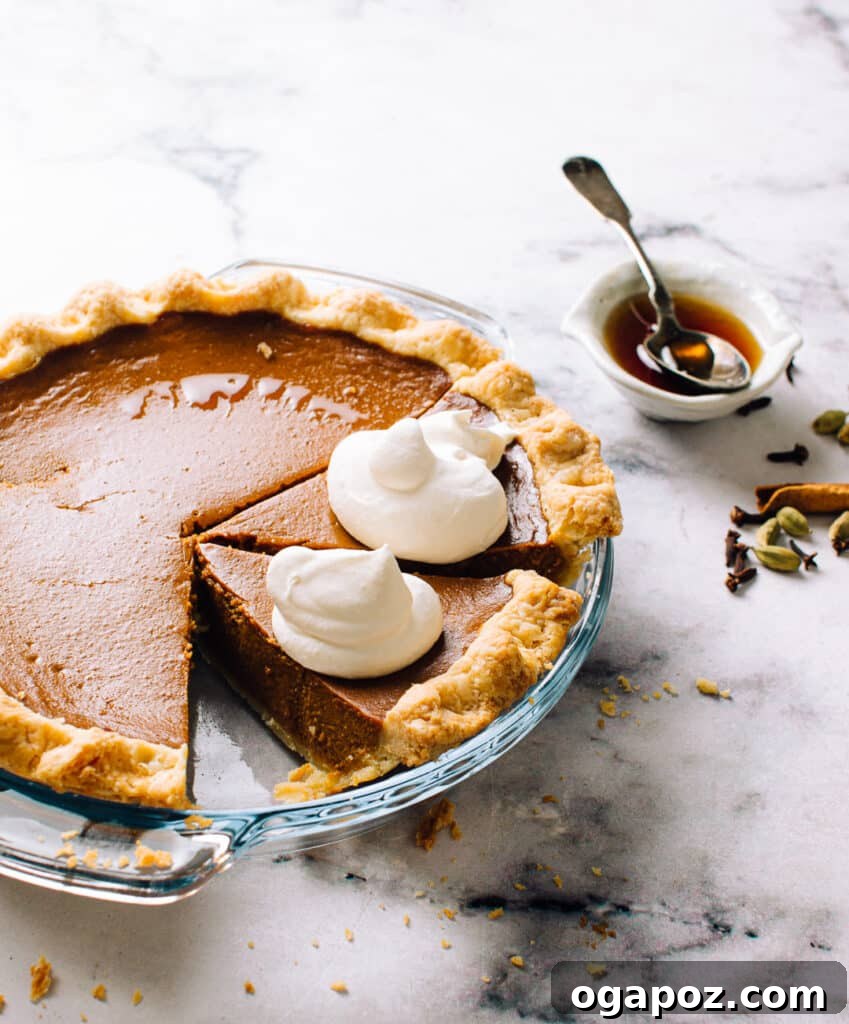
- Super Easy Pumpkin Pie: The quintessential Thanksgiving dessert, made effortlessly delicious.
Don’t Forget the Leftovers! Creative Ideas for Post-Thanksgiving Feasting
Thanksgiving isn’t truly over until the last delicious bite of leftovers has been savored. Planning for these post-holiday meals can be just as exciting as the main event. Here are some fantastic ideas to transform your holiday bounty into new, comforting dishes:
- What to Eat with Leftover Mashed Potatoes: Innovative ways to reinvent your creamy potato surplus.
- Leftover Turkey Pot Pie: A warm, savory, and incredibly satisfying dish perfect for a chilly evening.
- Leftover Turkey Casserole: A comforting and easy-to-assemble meal that uses up a variety of your Thanksgiving remnants.
By following this comprehensive guide and embracing the power of advance preparation, you can confidently host a Thanksgiving dinner that is not only delicious but also remarkably stress-free. Enjoy the process, savor the flavors, and most importantly, cherish the time spent with your loved ones.