
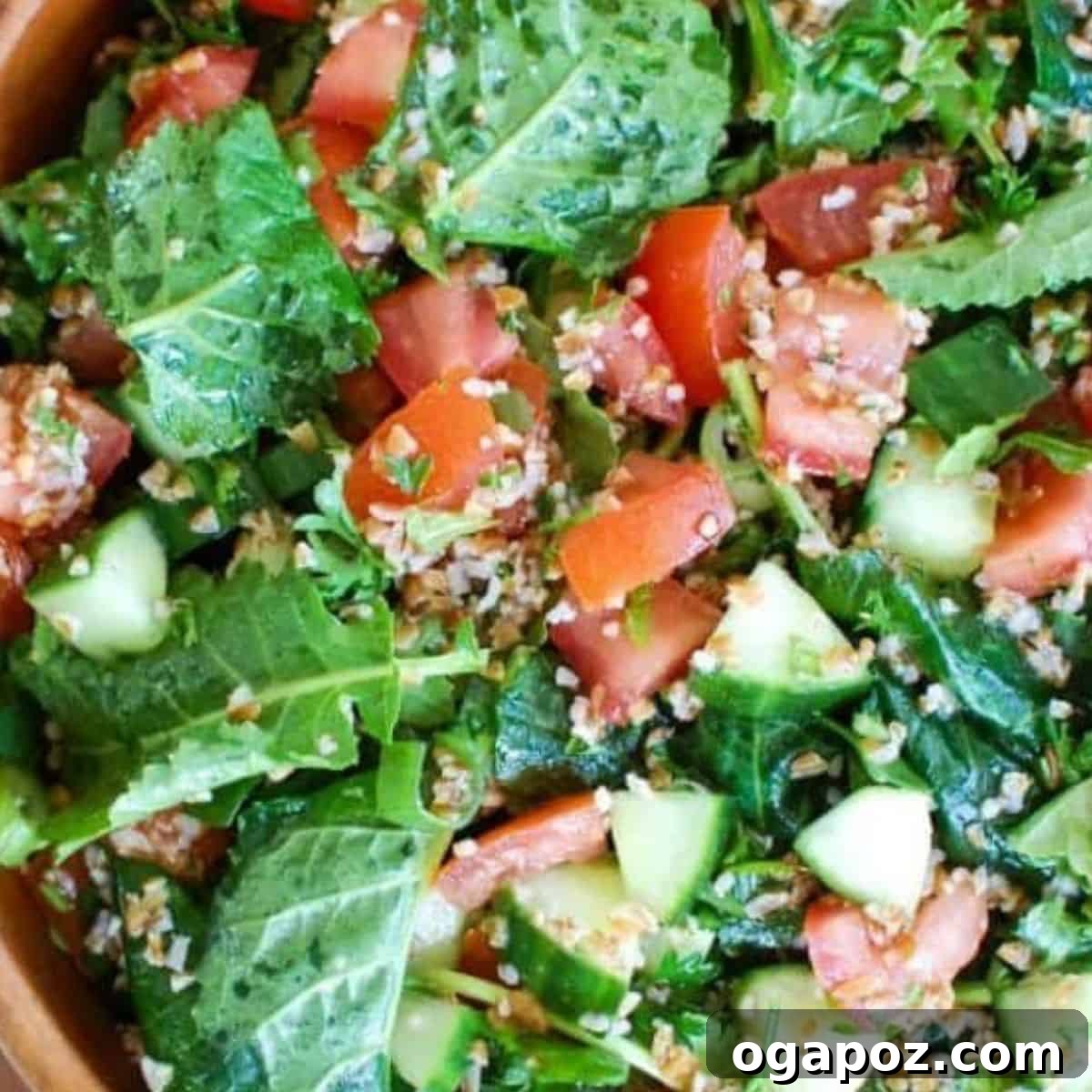
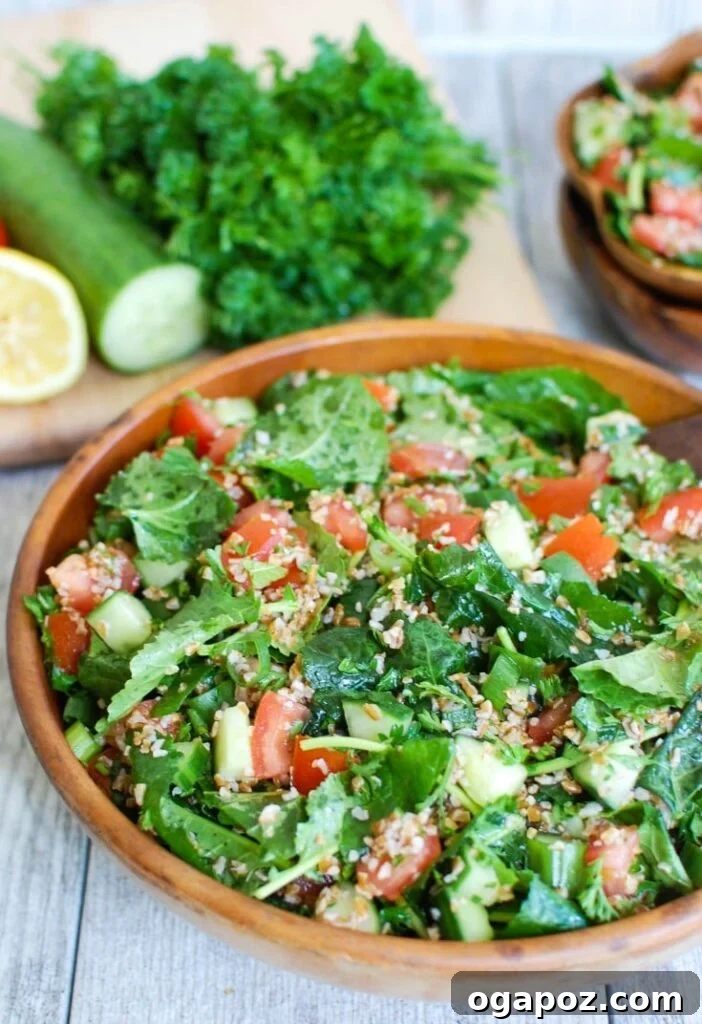
Kale Cucumber Tabbouleh offers a delightful and nutritious reinterpretation of the beloved traditional tabbouleh. By incorporating nutrient-dense kale and crisp cucumber, alongside classic bulgur, vibrant fresh vegetables, aromatic herbs, and a bright, zesty lemon dressing, this salad transforms into a culinary experience that truly encapsulates the essence of summer. It’s not just a dish; it’s a celebration of fresh flavors, ideal for sharing with friends and family at any gathering. This healthy, vegetarian salad promises to be a refreshing addition to your table, whether as a light lunch or a vibrant side dish.
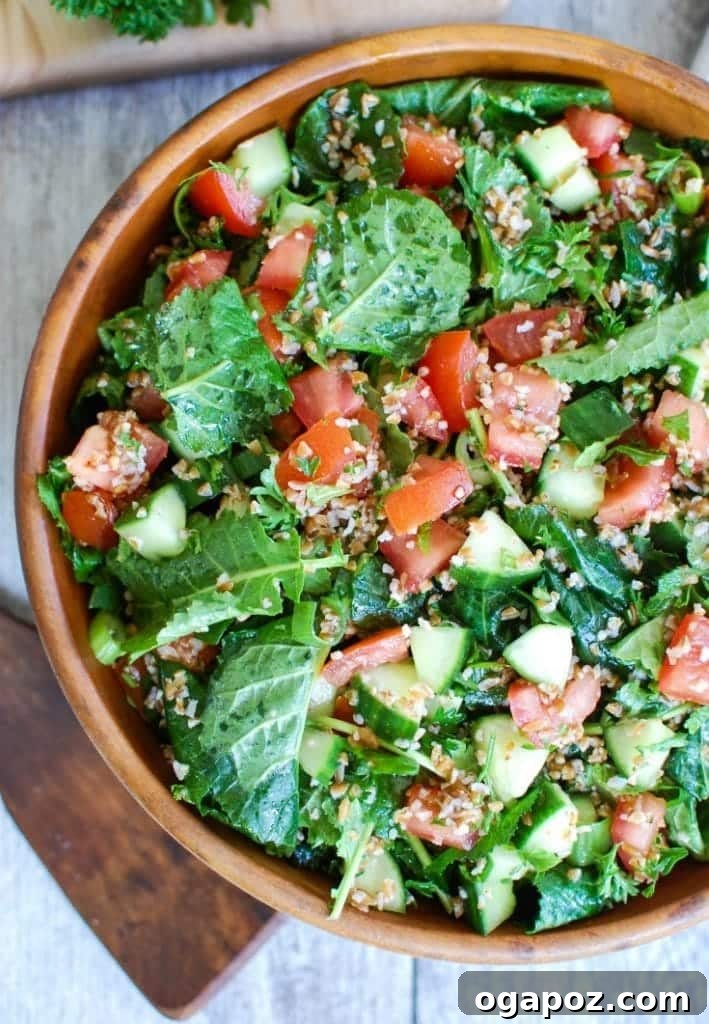
There’s something uniquely invigorating about summer salads, and this Kale Cucumber Tabbouleh is undoubtedly a standout. When the warmer months arrive, my mind invariably drifts to the light and refreshing flavors of traditional Lebanese Tabbouleh. Having grown up with this classic Middle Eastern staple, it holds a special place in my heart, evoking memories of family meals and vibrant gatherings under the sun. The simplicity yet profound depth of flavor in traditional tabbouleh — with its finely chopped parsley, tomatoes, mint, onion, and bulgur, all dressed in lemon juice and olive oil — is truly unmatched.
While the authentic version remains an all-time favorite, I thoroughly enjoy exploring innovative variations that add new dimensions to this timeless salad. Today’s Kale Cucumber Tabbouleh is a prime example, offering a robust texture and an extra boost of nutrition from the leafy greens. Other delightful adaptations include Greek Tabbouleh, which often features briny olives and creamy feta for a Mediterranean flair, and the grain-free Cauliflower Tabbouleh for a low-carb alternative that still delivers on taste and texture. Each year, I cultivate a home garden, and there’s immense joy in incorporating the fresh, seasonal vegetables and aromatic herbs I grow into my cherished summer salad creations. This direct connection to the ingredients truly elevates the flavor of every dish.
Beyond tabbouleh, a few other salads that grace my table during this bountiful season include the crisp Easy Lebanese Salata, a hearty Mediterranean Bean Salad packed with plant-based protein, and the rustic Greek Village Salad, bursting with chunky vegetables and a bright vinaigrette. My passion for raw kale salads is equally strong, leading me to frequently prepare dishes like the creamy Kale Caesar Salad, the exotic Tropical Kale Quinoa Salad, the vibrant Kale Couscous Pomegranate Salad, and the nourishing Avocado Kale Spinach Salad. Each of these salads brings its own unique blend of textures and tastes, making healthy eating both exciting and deliciously satisfying.
Essential Ingredients for Kale Cucumber Tabbouleh
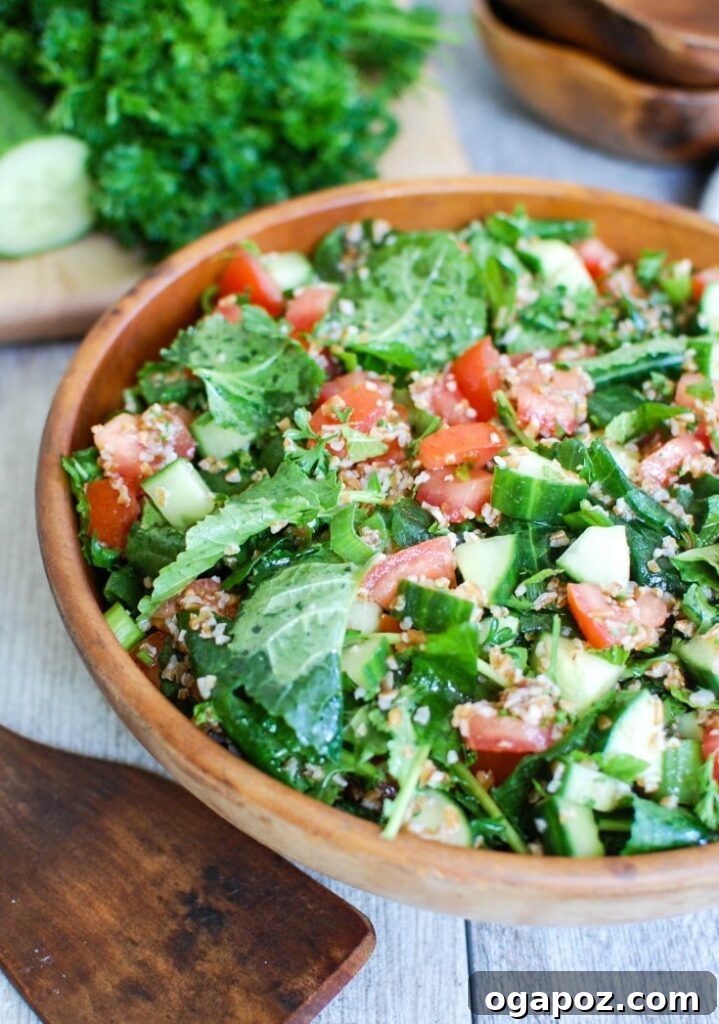
Crafting a truly exceptional Kale Cucumber Tabbouleh begins with selecting the freshest, highest-quality ingredients. Each component plays a crucial role in building the layered flavors and inviting textures of this vibrant salad. Below is a detailed overview of the simple yet essential ingredients you’ll need to bring this recipe to life. For precise measurements and step-by-step instructions, please refer to the comprehensive recipe card provided at the end of this article.
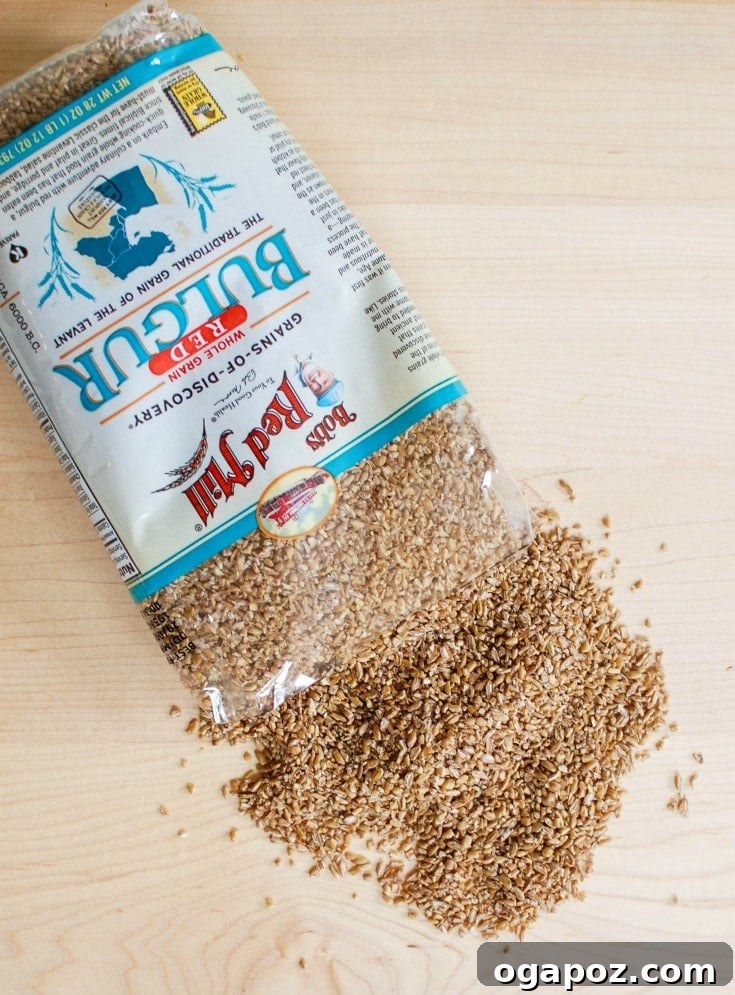
- Bulgur Wheat: This ancient grain is the heart of traditional tabbouleh, providing a delightful chewiness and serving as a fantastic base for absorbing all the wonderful dressing flavors. We recommend using fine bulgur, which is quickly softened by simply soaking in boiling water, eliminating the need for cooking. Proper draining and squeezing out any excess water are key to preventing a soggy salad and ensuring a light, fluffy texture.
- Fresh Herbs (Mint & Parsley): The soul of tabbouleh lies in its abundant fresh herbs. Both fresh mint and fresh curly parsley are indispensable, contributing distinct aromatic and bright notes that define the salad’s character. Aim for a fine chop to ensure the parsley remains light and fluffy, rather than clumpy, and to evenly distribute its refreshing taste throughout the salad. The mint adds a cool, invigorating burst that perfectly complements the other ingredients.
- Ripe Tomatoes: For the best results, select firm, ripe fresh tomatoes that offer a good balance of sweetness and acidity. Varieties like beefsteak or Roma (plum) tomatoes work exceptionally well due to their rich flavor and relatively low water content. When possible, removing the seeds helps minimize extra moisture, ensuring your tabbouleh maintains its ideal texture. Dice them relatively small to integrate seamlessly with the other finely chopped ingredients.
- Kale and Cucumber: These two vegetables are the innovative stars of this unique tabbouleh twist. Kale, known for its incredible nutritional profile and slightly earthy taste, adds a robust texture and a vibrant green hue. Depending on the variety of kale (e.g., curly, Lacinato), you might need to remove tough stems and then finely chop the leaves. English cucumbers are preferred for their thin skin and fewer seeds; dice them finely to match the other ingredients and provide a refreshing, watery crunch.
- Green Onions: Adding a mild, fresh oniony bite, green onions (also known as scallions) are crucial for balancing the flavors and adding a subtle piquancy. This recipe utilizes both the white and green parts, finely chopped, to contribute their gentle sharpness without overwhelming the delicate herb flavors.
- Fresh Lemon Juice: The vibrant, tangy essence of lemon juice is the cornerstone of our light and invigorating dressing. Freshly squeezed lemon juice is always recommended for its superior brightness and natural acidity, which beautifully cuts through the richness of the olive oil and awakens all the flavors in the salad. If fresh lemons are unavailable, a good quality store-bought alternative can be used in a pinch, though fresh is always best.
- Extra Virgin Olive Oil: A high-quality extra virgin olive oil is essential for a truly authentic Mediterranean flavor. It forms the base of the dressing, binding all the ingredients together and adding a fruity, slightly peppery note that enhances the overall richness and mouthfeel of the salad. Choose a good quality oil for the best taste.
- Salt and Freshly Ground Black Pepper: These fundamental seasonings are vital for enhancing and balancing all the other flavors. Season to taste, ensuring the salad is perfectly seasoned without being overly salty or bland. Start with a small amount and adjust as needed after tasting.
Customizing Your Kale Cucumber Tabbouleh: Exciting Recipe Variations
One of the best aspects of tabbouleh is its incredible adaptability. While our Kale Cucumber Tabbouleh recipe is delicious as is, feel free to get creative and experiment with different additions to suit your taste preferences, dietary needs, or simply what you have on hand. Here are some fantastic ideas to customize your salad and make it uniquely yours:
- Add More Vegetables: Enhance the nutritional value, texture, and visual appeal by incorporating a wider array of fresh vegetables. Consider finely diced carrots for sweetness, crunchy radish for a peppery kick, halved cherry tomatoes for bursts of juiciness, colorful bell peppers (red, yellow, or orange) for sweetness and crunch, earthy mushrooms, tender zucchini or yellow squash, or even blanched broccoli florets for extra fiber and a subtle bitterness.
- Experiment with Herbs: While mint and parsley are classic and essential, other fresh herbs can introduce intriguing new flavor profiles. Try adding a handful of fresh cilantro for an earthy, citrusy note, delicate dill for a touch of aniset, fragrant oregano for a more savory Mediterranean twist, or sweet basil for a summery aroma that pairs wonderfully with tomatoes.
- Include Cheese: For an extra layer of flavor and creamy texture, cheese is a wonderful addition. Crumbled feta cheese provides a salty, tangy counterpoint that is classic in Mediterranean cuisine. Alternatively, creamy goat cheese offers a milder tang and a luxurious texture, while shaved Parmesan or small cubes of fresh mozzarella can add a delightful richness.
- Swap the Grains: If you’re looking for an alternative to bulgur wheat or simply want to try something different, many other grains work beautifully. Cooked quinoa makes a fantastic gluten-free option, offering a similar texture and a complete protein profile. Other suitable options include cooked brown rice or millet, lending a hearty, wholesome dimension to the salad. Ensure to cook these according to package instructions.
- Boost Protein with Beans or Legumes: To transform this salad into a more substantial meal, incorporating beans or legumes is an excellent idea. White beans (like cannellini or great northern beans) or chickpeas (garbanzo beans) are particularly well-suited, adding plant-based protein and fiber that will keep you feeling full and satisfied. Simply rinse and drain canned beans before adding.
- Add Nuts or Seeds: For a delightful crunch and an extra dose of healthy fats and nutrients, sprinkle in some toasted pine nuts, slivered almonds, sunflower seeds, or pumpkin seeds just before serving. Toasting them lightly enhances their flavor.
- Lean Protein Additions: For a heartier main course, consider adding cooked and cooled lean proteins such as grilled chicken breast, pan-seared salmon, baked flaky white fish, or marinated and baked tofu. These additions make the tabbouleh a complete and satisfying meal.
- Spice it Up: A dash of sumac can add a tangy, citrusy flavor that is very characteristic of Middle Eastern cuisine. A pinch of za’atar spice blend offers a unique aromatic complexity with notes of thyme, sesame, and sumac. For a subtle warmth, a tiny pinch of red pepper flakes can be added to the dressing.
Step-by-Step Guide: How to Make Kale Cucumber Tabbouleh
Creating this refreshing Kale Cucumber Tabbouleh is surprisingly simple and requires minimal cooking. The process primarily involves a bit of precise chopping and gentle mixing, making it a perfect recipe for a quick and healthy meal. Follow these easy steps to bring this vibrant salad to your table with confidence:
- Prepare the Bulgur Wheat: Begin by combining the bulgur wheat with an equal amount of boiling water in a heatproof bowl. Stir briefly, then cover the bowl tightly with a lid or plastic wrap. Allow it to sit undisturbed for approximately 1 hour, or until all the water has been absorbed and the bulgur is tender and plump. Once softened, transfer the bulgur to a fine-mesh sieve and press gently to drain any excess liquid. This step is crucial; ensure you squeeze out as much water as possible to prevent a soggy salad later on.
- Combine Salad Ingredients: While the bulgur is soaking, prepare your fresh vegetables and herbs. In a large mixing bowl, combine the finely chopped ripe tomatoes, finely chopped green onions (using both white and green parts), finely diced English cucumber, finely chopped fresh mint, finely chopped fresh parsley, and the finely chopped kale. Once the bulgur is ready and thoroughly drained, add it to this bowl with the other ingredients. Gently toss all the ingredients together, ensuring they are well-distributed without crushing the delicate herbs and vegetables.
- Whip Up the Lemony Dressing: In a separate small bowl or a jar with a tight-fitting lid, whisk together the fresh lemon juice, high-quality extra virgin olive oil, a generous pinch of salt, and freshly ground black pepper. Shake vigorously or whisk thoroughly until the dressing is well emulsified and slightly creamy. This ensures a consistent flavor profile throughout the salad. Taste the dressing and adjust seasonings if necessary to achieve your preferred balance of tangy, savory, and peppery notes.
- Dress and Rest the Salad: Pour the prepared dressing over the salad ingredients in the large bowl. Toss gently but thoroughly to ensure every piece of vegetable, herb, and bulgur is coated with the vibrant, tangy dressing. For optimal flavor melding, allow the tabbouleh to rest at room temperature for 15-30 minutes before serving. This crucial resting period allows the flavors to deepen, harmonize beautifully, and fully infuse the bulgur. Serve immediately, or cover and refrigerate for later enjoyment.
If you have a fondness for crisp, lettuce-based salads, you might also enjoy exploring the iconic Copycat La Scala Chopped Salad with its intricate blend of ingredients, or the delightful and simple Maroulosalata (Greek Lettuce Salad), both offering refreshing textures and vibrant Mediterranean flavors.
Make-Ahead Tips, Storage, and Enjoying Leftovers
This Kale Cucumber Tabbouleh is wonderfully versatile, whether you’re planning ahead for a party or enjoying it over several days. Its components hold up well, making it a fantastic meal prep option. Here’s how to maximize its freshness and flavor from preparation to the last bite:
- Make-Ahead: To prepare this salad in advance, you can chop all the vegetables and herbs, soak and thoroughly drain the bulgur, and prepare the lemon-olive oil dressing. Store the dressing separately in an airtight container in the refrigerator. Keep the chopped salad ingredients (bulgur included) in another airtight container in the refrigerator. This method prevents the kale and other greens from wilting prematurely and ensures everything remains fresh and crisp until just before serving. Mix the dressing into the salad no more than 30 minutes before you’re ready to enjoy for optimal texture.
- Storage: Store any leftover Kale Cucumber Tabbouleh in an airtight container in the refrigerator. If the salad has already been dressed, it will remain delicious for up to 2 days, though the kale might soften slightly. If you’ve kept the dressing separate, the salad components can last for up to 3 days, providing even more flexibility. While the lettuce may wilt a bit with time, the overall flavors will continue to meld beautifully. I often reserve half of the dressing to add fresh to my leftovers, which helps to revive and refresh the salad. You can also toss in a handful of freshly chopped kale or a few extra cucumber dices to restore some crispness and vibrancy to older portions.
- Leftovers Enhancement: If you anticipate having leftovers, a smart strategy is to only dress the portion you plan to eat immediately. This approach significantly helps to maintain the crisp texture of the vegetables and the vibrant freshness of the herbs. For any leftover portions, simply add a fresh drizzle of dressing and a quick toss just before eating to bring it back to life. Adding a squeeze of fresh lemon juice can also brighten the flavors. This method ensures that every serving is as fresh and appealing as the first.
Frequently Asked Questions About Kale Cucumber Tabbouleh
Yes, if possible, finely chopping the parsley and all other ingredients is highly recommended and truly contributes to the authentic tabbouleh experience. This method helps achieve the desired light, fluffy consistency for the herbs and ensures that all ingredients are evenly distributed, contributing their fresh flavor and texture to every bite. Uniform, small pieces also make the salad easier and more pleasant to eat. A sharp knife is essential for finely chopping both herbs and vegetables, preventing bruising and maintaining their vibrant appearance and freshness.
The ideal tomatoes for tabbouleh are ripe, firm, and not excessively watery. This combination provides a perfect balance of flavor and texture without making the salad soggy. Excellent choices include Beefsteak tomatoes, provided you remove the seeds, which can be quite watery. Roma or plum tomatoes are also fantastic due to their firmer flesh, fewer seeds, and lower juice content, making them less likely to water down the salad. Their robust flavor holds up well when diced finely. For a sweeter burst of flavor, consider using cherry or grape tomatoes, cut into small pieces or quarters, which are naturally less watery and add beautiful color.
Absolutely! Allowing the tabbouleh to rest for 15-30 minutes after mixing the ingredients with the dressing is highly recommended. This crucial resting period enables the flavors to meld and deepen, allowing the bulgur to fully absorb the lemony dressing and for all the fresh ingredients to harmonize, enhancing the overall taste experience significantly. However, avoid making it too far in advance (e.g., several hours), as the delicate herbs and vegetables can lose some of their freshness and crispness if left dressed for too long.
Yes, this salad is incredibly healthy and packed with nutrients! Kale is a renowned superfood, rich in vitamins K, A, and C, as well as powerful antioxidants and minerals. Cucumbers add excellent hydration and provide essential vitamins. Bulgur wheat contributes complex carbohydrates for sustained energy and a significant amount of dietary fiber, promoting digestive health. The abundance of fresh herbs offers a host of vitamins and minerals. Furthermore, the extra virgin olive oil contributes healthy monounsaturated fats, and fresh lemon juice is a fantastic source of Vitamin C. It’s a true powerhouse of nutrition that’s both delicious and beneficial for your well-being.
Yes, you can easily make this Kale Cucumber Tabbouleh gluten-free by substituting bulgur wheat with a suitable gluten-free grain. Cooked quinoa is an excellent choice, offering a similar texture, a mild flavor, and a complete protein profile, making it a nutritious alternative. Other suitable options include cooked brown rice or millet, which also work wonderfully. Ensure to cook these grains according to their package instructions. Always double-check that all other ingredients and any additional components you choose to add are also certified gluten-free.
This versatile and refreshing salad pairs wonderfully with a wide variety of dishes, making it suitable for almost any occasion. It makes an excellent side dish for grilled meats like chicken, fish, or lamb kofta, complementing their rich flavors. It’s also a perfect accompaniment to Middle Eastern staples such as falafel, hummus, and warm pita bread for a delightful mezze platter. Consider serving it with other Mediterranean salads or roasted vegetables for a light, wholesome vegetarian meal. It’s also fantastic as a satisfying light lunch on its own, perhaps with some added chickpeas or crumbled feta for extra protein and flavor.
More Refreshing Salad Recipes to Explore
Salads
Summer Orzo Pasta Salad
Salads
Greek Village Salad
Vegetarian
Greek Orzo Pasta Salad
Vegetarian
Easy Kale Salad with Lemon Dressing
Tried this vibrant recipe? We’d love to hear your thoughts! Leave a star rating and comment below to share your experience. For more delicious recipes and cooking inspiration, subscribe to our newsletter or follow us on
Facebook,
Instagram, or
Pinterest for the latest culinary updates.
Kale Cucumber Tabbouleh Recipe
Julia Jolliff
Print Recipe
20 mins
1 hr
1 hr 20 mins
6
Ingredients
- 3/4 cup fine bulgur wheat
- 3/4 cup boiling water
- 3 cups ripe tomatoes, finely chopped (approximately 5 medium tomatoes, deseeded if desired)
- 5 green onions (scallions), green and white parts finely chopped
- 1/2 English cucumber, finely diced (yields about 2 1/2 cups)
- 1/4 cup fresh mint, finely chopped
- 1 bunch fresh curly parsley (yields about 1 cup), finely chopped
- 6 ounces fresh kale, tough stems trimmed and finely chopped (baby kale can be used without stem removal)
- 1/4 cup fresh lemon juice (from approximately 1 large lemon)
- 1/4 cup extra virgin olive oil
- Salt and freshly ground black pepper, to taste
Instructions
- Prepare the Bulgur Wheat: In a medium heatproof bowl, combine 3/4 cup fine bulgur wheat with 3/4 cup boiling water. Stir once, then cover the bowl tightly and let it sit for 1 hour to allow the bulgur to soften and absorb all the liquid. After soaking, transfer the bulgur to a fine-mesh sieve and press firmly with the back of a spoon to drain any excess water. This step is crucial for preventing a soggy salad.
- Combine Salad Ingredients: While the bulgur is soaking, finely chop your fresh vegetables and herbs. In a large mixing bowl, gently combine the finely chopped tomatoes, green onions, diced cucumber, finely chopped fresh mint, finely chopped fresh parsley, and the finely chopped kale. Once the bulgur is prepared and thoroughly drained, add it to this bowl with the other ingredients. Gently toss everything together until well mixed and all ingredients are evenly distributed.
- Whip Up the Lemony Dressing: In a separate small jar with a tight-fitting lid or a whisking bowl, combine the 1/4 cup fresh lemon juice, 1/4 cup extra virgin olive oil, and a generous pinch of salt and freshly ground black pepper. Shake vigorously or whisk thoroughly until the dressing is well emulsified and slightly creamy. Taste the dressing and adjust seasonings as needed to achieve your preferred balance of tangy, savory, and peppery notes.
- Dress and Serve: Pour the prepared dressing over the salad mixture in the large bowl. Toss gently but thoroughly to ensure all ingredients are evenly coated with the vibrant, tangy dressing. For optimal flavor melding, allow the tabbouleh to rest for 15-30 minutes at room temperature before serving. This resting period allows the flavors to deepen, harmonize beautifully, and fully infuse the bulgur. Serve immediately, or cover and refrigerate for later enjoyment.
Notes and Pro Tips
- For an authentic Middle Eastern touch, consider adding a sprinkle of sumac (for a tangy, slightly lemony flavor) or a pinch of za’atar spice blend (for an aromatic, earthy depth).
- This salad is incredibly versatile. Enhance it with additional ingredients like grilled chicken or salmon for a heartier meal, chickpeas for added plant-based protein, crumbled feta cheese for a salty tang, or a handful of briny Kalamata olives for a true Mediterranean experience.
- While baby kale was used in the original recipe (requiring no stem removal), feel free to use any variety of kale you prefer, such as curly kale or Lacinato (dinosaur) kale. Just remember to trim any tough stems and chop the leaves finely. You can also experiment with other greens like arugula or spinach for a milder flavor.
- Kale Cucumber Tabbouleh serves as an excellent side dish for almost any meal. It’s also fantastic as a garnish for pita sandwiches filled with grilled meats or hummus, adding a burst of freshness and color.
- For the freshest taste and best texture, chop all vegetables and herbs into very small, uniform pieces. This ensures an even distribution of flavors in every bite.
- Do not over-soak the bulgur; it should be tender but still have a slight chew. Over-soaking can make it mushy.
Nutrition Information (Approximate)
Serving Size: 1/6 of recipe (approx. 170g)
- Calories: 173 kcal
- Carbohydrates: 20g
- Protein: 4g
- Fat: 10g
- Saturated Fat: 1g
- Polyunsaturated Fat: 1g
- Monounsaturated Fat: 7g
- Sodium: 26mg
- Potassium: 433mg
- Fiber: 6g
- Sugar: 3g
- Vitamin A: 3675 IU
- Vitamin C: 44mg
- Calcium: 103mg
- Iron: 1mg
Nutrition information is automatically calculated based on the ingredients listed and should be used as an approximation. Actual values may vary based on specific brands, preparation methods, and ingredient variations.
Tried this recipe?
Share your creation! Mention @acedarspoon or tag #acedarspoon on Instagram! We love seeing your culinary adventures.