

Authentic Lebanese Spinach Fatayer Recipe: Irresistible Savory Hand Pies
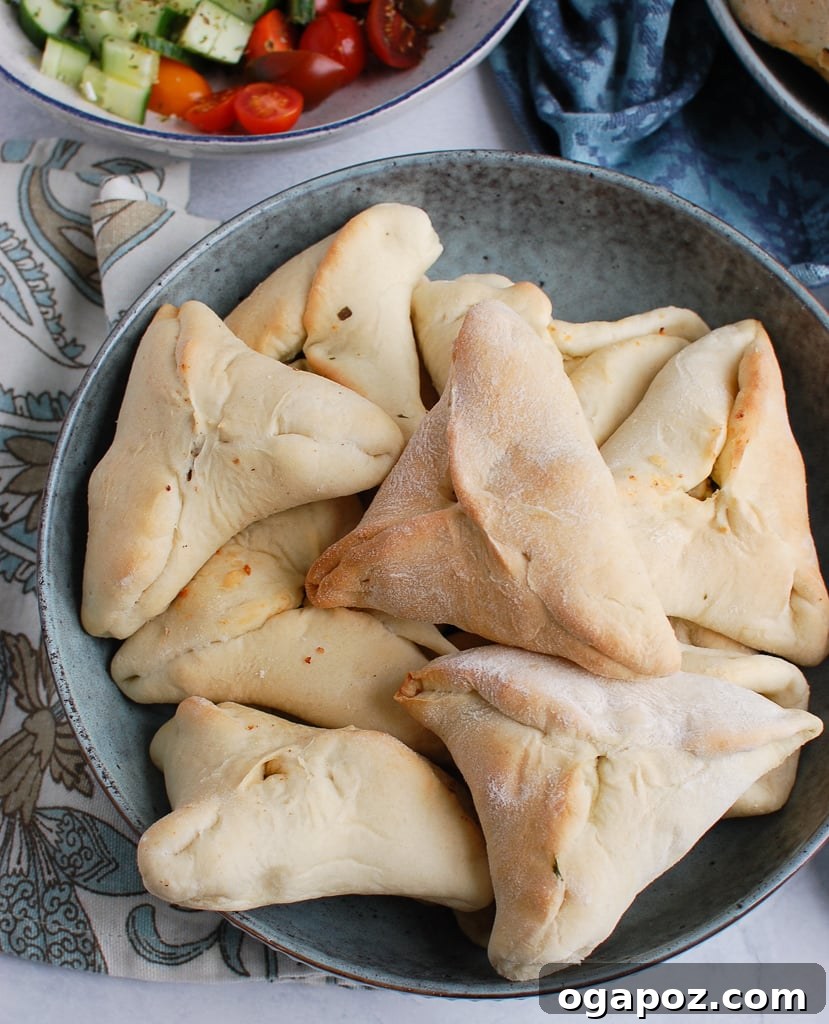
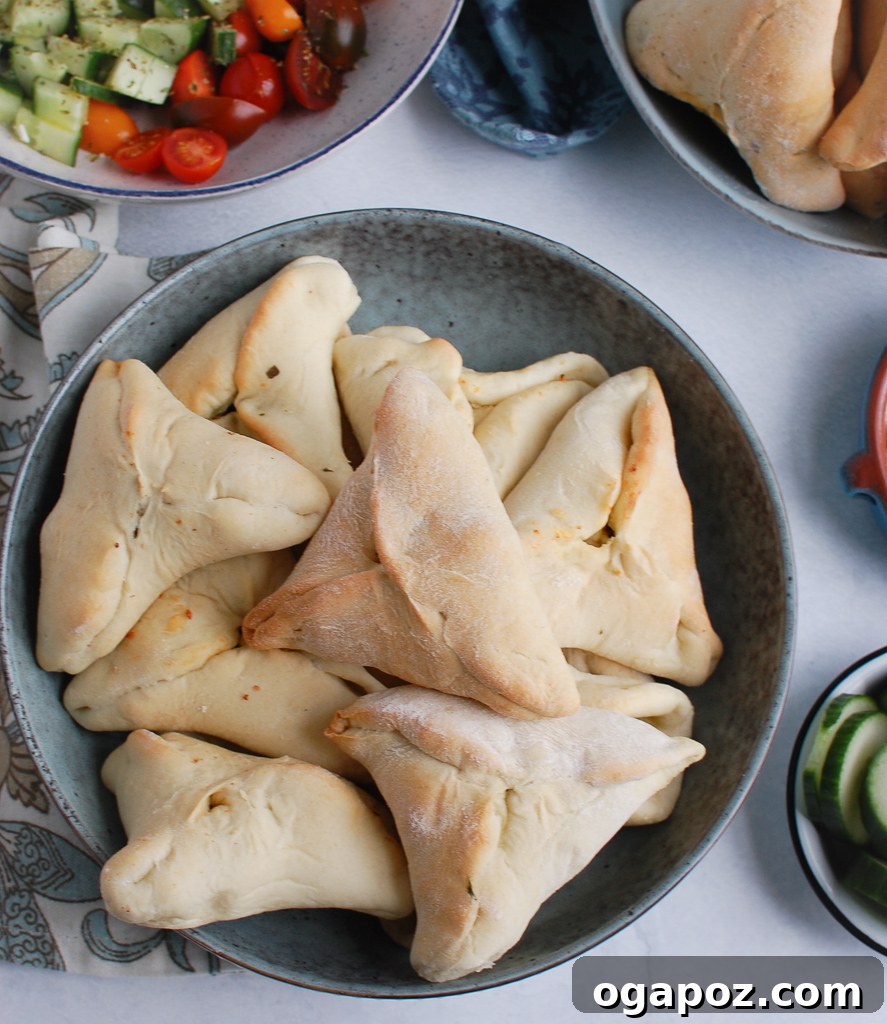
Embark on a culinary journey to the heart of the Middle East with these exquisite Spinach Fatayer. These golden, perfectly formed triangle pastries are a testament to Lebanese culinary tradition, offering a delightful blend of tangy spinach and creamy feta cheese encased in a tender, fluffy dough. More than just a simple snack, Fatayer are versatile savory hand pies that can grace any table as a light vegetarian meal, a cherished appetizer, or a highlight on a mezze platter. Our easy-to-follow recipe brings the authentic flavors and techniques of Lebanese kitchens directly to you, ensuring you achieve beautifully baked, flavorful spinach pies with confidence every time.
Why You’ll Fall in Love with This Authentic Spinach Fatayer Recipe
For many, including myself, the captivating aroma of freshly baked fatayer instantly evokes cherished memories of joyful family gatherings and heartfelt shared meals. This recipe is far more than just instructions for food; it’s an invitation to experience tradition, foster community, and savor the simple, profound joy of creating something truly delicious from scratch. Making fatayer was always a highlight of my childhood, a special family event where generations would converge in the kitchen. I vividly recall the shared laughter, the rhythmic motion of rolling out the soft, yielding dough, and the careful spooning of the vibrant, aromatic spinach filling. Each triangle was a labor of love, meticulously pinched and sealed, as the warm, inviting scent of these savory pies gently permeated every corner of our home, promising comfort and delight.
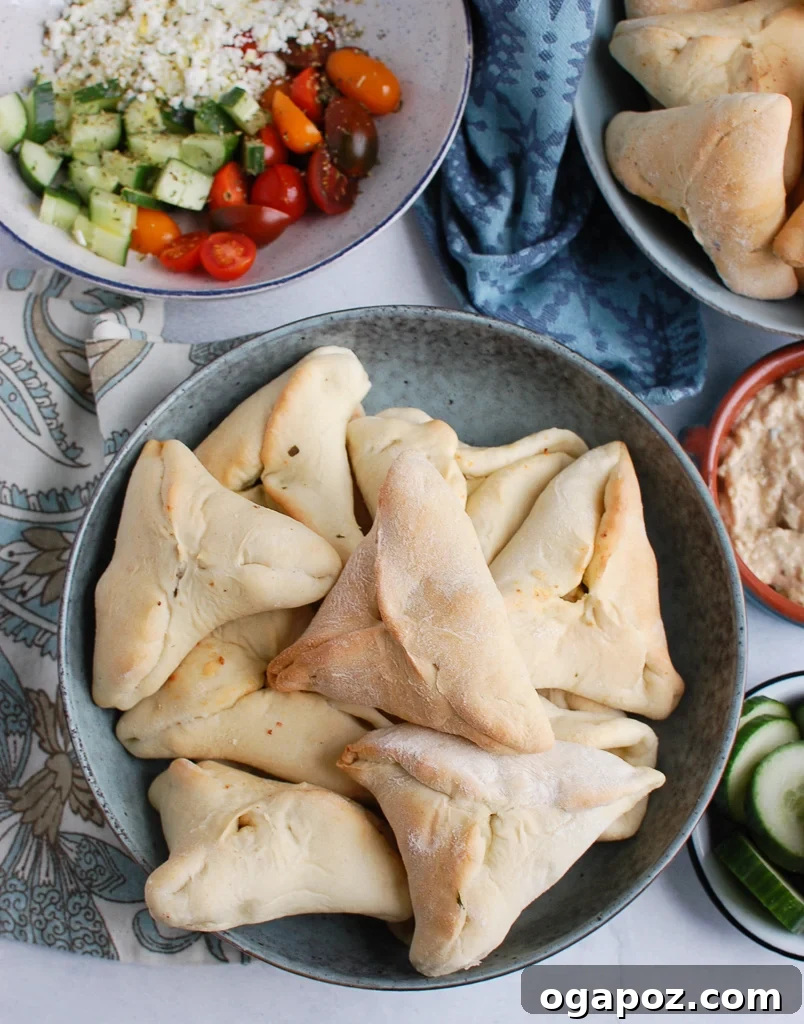
Spinach Fatayer holds an indispensable place in traditional Lebanese cuisine, frequently serving as a star component of a grand mezze spread. In my family, we lovingly paired them with rich, creamy hummus, a crisp and refreshing fattoush salad, and cool, tangy yogurt, crafting a harmonious feast that delighted every palate. Beyond their unparalleled taste, these hand pies boast remarkable practicality. They freeze exceptionally well, positioning them as an ideal make-ahead solution for busy weeknights, a convenient and wholesome addition to lunchboxes, or an elegant appetizer for any party platter. My children, without fail, go absolutely wild for them, prompting me to consistently prepare an extra batch to store in an airtight container or freeze for effortless enjoyment later. Their universal appeal is undeniable, making them a household favorite for good reason.
Should you find yourself captivated by the rich tapestry of Middle Eastern flavors, we wholeheartedly recommend exploring the wholesome tastes of Lebanese Green Beans (Lubee) and the comforting, hearty warmth of Lebanese Lentil Soup. Both dishes offer a wonderful complement to the fatayer, rounding out a truly authentic Lebanese meal experience.
What is Fatayer? A Deep Dive into Lebanese Savory Hand Pies
Fatayer (Arabic: فطاير), pronounced “fah-tie-yer,” is a cherished term in Middle Eastern culinary traditions, referring to a diverse and beloved category of savory pastries or hand pies. These delightful pockets of flavor are a staple across Lebanese, Syrian, Palestinian, and Jordanian cuisines, enjoyed universally as a versatile snack, a satisfying appetizer, or a light yet fulfilling meal. While the name Fatayer encompasses various fillings, the most popular and iconic variations feature a delectable stuffing of seasoned minced meat (often called lahm bil ajeen), the vibrant and tangy spinach (sabanegh), or rich, creamy cheese (jibneh), typically using Feta or Akkawi cheese.
The enduring appeal of fatayer lies in its remarkably versatile and often subtly leavened dough, which provides the perfect canvas for its intensely flavorful fillings. Historically, these pies were more than just food; they were a practical and ingenious way to utilize seasonal ingredients, and their preparation often involved communal baking in neighborhood ovens, fostering a strong sense of community. The distinctive triangle shape, particularly characteristic of spinach fatayer, is not merely an aesthetic choice. It is highly functional, offering an ideal crust-to-filling ratio and making them incredibly easy to hold and enjoy on the go. Whether served warm, fresh from the oven, or at room temperature, fatayer offers a delightful sensory experience: a soft, slightly chewy dough giving way to a savory, sometimes tangy or subtly spiced filling, culminating in a culinary experience that has cemented their place as an enduring favorite in Middle Eastern households for centuries.
Essential Ingredients for Crafting Perfect Spinach Fatayer
Creating truly authentic and delicious Spinach Fatayer hinges on the thoughtful selection of fresh, high-quality ingredients. Each component plays a crucial role in building the layered flavors and perfect texture of these beloved savory pies. Below is a comprehensive overview of what you’ll need, along with insights into their importance and potential alternatives. For precise measurements and detailed instructions, please refer to the complete recipe card found at the end of this article.
- Dough: The Foundation: The dough is the heart of any great fatayer. For the most traditional and flavorful experience, a homemade fatayer dough is recommended; its soft, pliable, and slightly enriched texture is unmatched. However, for ultimate convenience, store-bought frozen dough balls or even popular options like Rhodes frozen dinner rolls work remarkably well, significantly reducing preparation time without heavily compromising on quality. Ensure your chosen dough is fully thawed and rested for best results.
- Spinach: The Star Filling: Both fresh or frozen spinach are suitable for this recipe. If opting for fresh spinach (approximately 8 cups), it is absolutely critical to chop it finely and then macerate it with salt. This crucial step extracts maximum excess liquid, preventing the filling from becoming watery and ensuring a perfectly textured, non-soggy pie. For frozen spinach (about 2 pounds), simply thaw it completely and then rigorously squeeze out all moisture before use.
- Onion and Garlic: Aromatic Depth: These foundational aromatics are indispensable for building a deep, savory base flavor. Finely diced sweet onion and minced garlic are gently sautéed until they achieve a soft, translucent state, releasing their inherent sweetness and depth that beautifully complements the natural tang of the spinach.
- Sumac Spice: Tangy Brightness: A signature Middle Eastern spice, sumac is derived from the dried, ground berries of the sumac bush. Its distinctive, bright, and tangy citrusy notes are paramount to the fatayer filling, providing an unparalleled zest that elevates the flavor profile from merely good to truly extraordinary and authentic.
- Fresh Lemon Juice: Zesty Lift: Freshly squeezed lemon juice is a non-negotiable ingredient. Its vibrant acidity is key to enhancing the inherent tanginess of the spinach and creating a harmonious balance against the richness of the feta cheese. It acts as a natural flavor enhancer, weaving all the ingredients together seamlessly.
- Feta Cheese: Creamy & Salty: Crumbled feta cheese introduces a wonderfully creamy texture and a delightful salty brininess to the filling. Its characteristic sharp and tangy flavor profile pairs exquisitely with spinach. As an alternative, goat cheese offers a similar creamy and tangy experience. For a vegan preparation, the feta can be omitted entirely or replaced with a high-quality plant-based feta substitute.
- Pine Nuts or Walnuts: Optional Crunch & Richness: While not strictly mandatory, a scattering of toasted pine nuts or finely chopped walnuts adds a magnificent textural contrast and an extra layer of rich, earthy flavor. They contribute a satisfying crunch that harmonizes beautifully with the soft filling and tender dough.
- Olive Oil: Sautéing & Glazing: A good quality olive oil is used both for gently sautéing the aromatics and for brushing the fatayer before baking. This not only imparts a subtle fruity note but is also instrumental in achieving that coveted golden-brown, slightly crispy crust.
- Kosher Salt and Black Pepper: Essential Seasoning: These fundamental seasonings are used to taste, bringing out and balancing the best flavors in the spinach, cheese, and all other ingredients, ensuring a well-rounded and delicious filling.
Exciting Recipe Variations for Your Spinach Fatayer Creation
While the classic Spinach Fatayer recipe is a timeless masterpiece, its versatility encourages culinary exploration. Don’t hesitate to experiment with these creative variations to tailor your hand pies to your personal tastes, dietary preferences, or simply to add an exciting new dimension to the traditional flavors. Each modification offers a unique twist, allowing you to explore a broad spectrum of flavors within the cherished framework of fatayer.
- Spice Up Your Life: The vibrant world of Middle Eastern spices offers endless possibilities! Feel empowered to introduce different spice blends into your spinach mixture. A modest pinch of ground cumin, a hint of fragrant coriander, or even a ready-made shawarma seasoning blend can infuse a warm, exotic, and complex depth. Alternatively, a generous sprinkle of za’atar—a quintessential Middle Eastern mix of dried thyme, sumac, and sesame seeds—can impart a distinctly earthy, nutty, and tangy flavor that is truly authentic.
- Nutty Notes & Alternatives: If pine nuts or walnuts aren’t your preferred choice, or if you’re looking for something different, consider incorporating thinly sliced almonds for a delicate crunch and a buttery, slightly sweet flavor. For individuals with nut allergies or simply those who prefer a nut-free option, rest assured that omitting them entirely will still yield incredibly tasty and satisfying fatayer.
- Cheese Explorations: While tangy feta is the traditional and beloved choice, soft goat cheese offers a delightful alternative, bringing a similar tanginess and an even creamier texture that pairs beautifully with spinach. For a richer, milder, and wonderfully melt-in-your-mouth experience, consider using a blend of shredded mozzarella and provolone. And for the ultimate cheese connoisseur, you can indeed skip the spinach entirely and craft a purely cheese-filled fatayer, perhaps with a dynamic blend of Akkawi, a soft, salty Middle Eastern cheese, combined with mozzarella and fresh parsley for a savory delight.
- Tomato Infusion: To introduce an additional layer of savory depth, a touch of vibrant color, and a subtle sweetness, finely diced and thoroughly drained tomatoes can be an excellent addition to your spinach mixture. Sun-dried tomatoes, rehydrated and finely chopped, can also provide an intense burst of concentrated umami flavor. Even a small amount of tomato paste can likewise contribute a robust, earthy note, deepening the overall savory profile.
- Bring the Heat: For those who relish a fiery kick in their food, elevating the heat level is straightforward. Add a generous pinch of cayenne pepper or extra crushed red pepper flakes to the spinach filling for a pleasant warmth. For a fresh, piquant, and vibrant heat, finely chopped jalapeños can be sautéed alongside the onions and garlic, infusing a delightful zing throughout the filling.
- Pomegranate Molasses Magic: A subtle drizzle of pomegranate molasses can introduce a truly unique sweet-tart complexity to your spinach mixture. This thick, luscious, and tangy syrup is a treasured staple in Mediterranean cuisine, renowned for adding a beautiful glaze and a profound depth of flavor. Its ability to balance richness with acidity is showcased wonderfully in dishes like this Easy Arabic Salad, making it a fantastic secret ingredient for an extra layer of authentic and intriguing flavor.
- Hearty Meat Filling: For those who desire a more substantial, non-vegetarian hand pie, consider incorporating cooked and seasoned ground beef or lamb into the spinach and cheese mixture. This creates a more robust and satisfying fatayer. If you’re specifically looking for a dedicated meat pie experience, you might also enjoy exploring this delicious Lebanese meat pie recipe, which offers a different but equally beloved savory pastry.

Step-by-Step Guide: How to Craft Irresistible Spinach Fatayer
Creating these delightful Lebanese spinach pies is a rewarding and enjoyable process. Follow these detailed, easy-to-understand steps to ensure you achieve perfectly golden, tender, and flavorful fatayer every single time, ready to impress your family and friends.
Step 1: Prepare the Dough Foundation
If you’re using convenient frozen dough balls (such as Rhodes dinner rolls), remember to transfer them from your freezer to the refrigerator approximately 6 to 12 hours before you intend to bake. This crucial step allows them to thaw slowly and gently without over-rising. For those opting for homemade dough, let it complete its first rise in a warm, draft-free spot on a baking sheet lined with parchment paper until it has visibly doubled in size. Once the dough is either fully thawed or has completed its initial rise, gently punch it down to release the air. Then, form it into uniform, smooth dough balls, each measuring approximately 2 inches (5 cm) in diameter. Arrange these meticulously formed balls on a lightly floured work surface or baking sheet, cover them with a clean kitchen towel, and allow them to rest once more for about 20-30 minutes. This vital second rest ensures a tender, pliable dough that will be effortlessly easy to roll out.
Step 2: Preheat Oven & Prepare Baking Sheets
As your dough balls are completing their final rest, take the opportunity to preheat your oven to a precise 400°F (200°C). Concurrently, prepare two large baking sheets by thoroughly lining them with sheets of parchment paper. This simple yet effective step is key to preventing the fatayer from sticking during baking, ensuring they lift off cleanly, and making your post-baking cleanup significantly easier. Proper oven temperature is vital for achieving that desirable golden-brown crust and ensuring the filling is thoroughly cooked.
Step 3: Craft the Flavorful Spinach Filling
Begin by heating 2 tablespoons of good quality olive oil in a medium-sized skillet over a steady medium heat. Add your finely diced sweet onion and minced garlic, sautéing them gently for 2 to 3 minutes until they become wonderfully soft and exquisitely fragrant, taking care not to let them brown. If you are working with fresh spinach (approximately 8 cups), finely chop it and transfer it to a large mixing bowl. Sprinkle it generously with 1/2 teaspoon of kosher salt and allow it to rest for about 15 minutes; this process, known as macerating, is crucial as it actively draws out excess moisture. Following this, firmly squeeze out as much liquid as humanly possible from the spinach using your hands or a clean, sturdy kitchen towel. If utilizing thawed frozen spinach, ensure you also rigorously squeeze out all excess moisture to prevent a soggy pie. In a large mixing bowl, combine the thoroughly squeezed spinach, the now cooled sautéed onion and garlic mixture, the distinctive sumac spice, an additional pinch of salt and fresh black pepper to taste, and the vibrant fresh lemon juice. Mix all these ingredients thoroughly until they are well combined and the flavors are evenly distributed. For an optional, yet delightful, hint of sweet-tartness, consider stirring in a small, delicate drizzle of pomegranate molasses.
Step 4: Roll and Flatten the Dough Rounds
Generously dust a clean work surface, such as a spacious cutting board or a clean countertop, with a light coating of flour. Take one rested dough ball at a time and, using a rolling pin, gently yet firmly flatten it into a thin, perfectly round disc, aiming for a diameter of approximately 4 inches (10 cm). The goal is for the dough to be thin enough to cook through beautifully without becoming dense, but robust enough to gracefully hold its filling without tearing. Repeat this precise process with all remaining dough balls, making sure to keep any unused dough covered with a clean kitchen towel to prevent it from drying out, which can make it difficult to work with.
Step 5: Fill and Artfully Seal into Triangles
Place a modest spoonful of the prepared spinach filling into the exact center of each flattened dough round, ensuring you leave a clear, clean margin around the edges. Generously top the vibrant spinach mixture with crumbled feta cheese and, if desired, a delicate sprinkle of toasted pine nuts or finely chopped walnuts. To form the iconic triangle shape—a hallmark of authentic fatayer—gently bring three equidistant edges of the dough together to meet precisely at a central point, forming a neat pyramid. Once the points meet, firmly pinch the seams together, working with your fingers to ensure they are securely and completely sealed. This step is critical; a tight seal will prevent your delicious filling from escaping during the baking process. If you find the edges are somewhat resistant to sealing, simply dab your fingertips with a tiny amount of water before pinching them closed again. Carefully transfer each meticulously shaped fatayer onto your prepared parchment-lined baking sheets, arranging them in a single layer with a slight space between each to allow for even baking.
Step 6: Bake to Golden Perfection
Before placing your beautiful fatayer into the oven, lightly brush or evenly spray the top surface of each triangle with a thin, even layer of olive oil. This simple step is vital for achieving that desirable golden-brown, slightly crisp crust and contributing to an enhanced flavor. Bake the fatayer in your preheated 400°F (200°C) oven for approximately 20 minutes, or until the pastries are wonderfully golden brown on both the top and bottom. For an even crisper texture and a more deeply golden hue along the edges, you can incrementally increase the oven temperature to 450°F (230°C) for the final 2 minutes of baking. During this period, keep a vigilant eye on them to prevent any burning. Once perfectly baked, carefully remove them from the oven.
Step 7: Serve with Joy and Store Smartly
Allow the freshly baked Spinach Fatayer to cool slightly on the baking sheets for a few minutes before carefully transferring them to a wire rack to finish cooling. They are most exquisitely delicious when served warm, directly from the oven, but they also maintain their charm and flavor beautifully at room temperature, making them excellent for entertaining. For storing any delightful leftovers, place them in an airtight container and refrigerate for up to five days. These savory hand pies also boast remarkable freezer-friendliness, allowing for longer storage of up to three months, ensuring you can enjoy these Lebanese treasures whenever a craving strikes.
Expert Tips for Flawless Spinach Fatayer Every Time
Achieving perfectly tender dough, a flavorful and moist (but never soggy) filling, and beautifully golden fatayer is easier than you think with these seasoned insider tips:
- Optimal Dough Consistency: Whether you choose to make your dough from scratch or use a convenient store-bought option, its consistency is paramount. Ensure your dough is smooth, notably elastic, and, crucially, adequately rested. A well-rested dough will be significantly easier to roll out thinly without tearing and is fundamental to achieving the desirable tender, airy texture in the final baked pie. Never rush the thawing or rising stages.
- Masterful Moisture Removal from Spinach: This step cannot be overstated and is arguably the most critical factor for preventing soggy fatayer. After salting (macerating) fresh spinach or thoroughly thawing frozen spinach, it is absolutely imperative to squeeze out as much liquid as humanly possible. Employ a cheesecloth, a clean kitchen towel, or your strong hands to wring out every last drop until the spinach is almost completely dry. Any residual moisture will inevitably release steam during baking, leading to a wet, unappealing filling and a disappointingly weak crust.
- Secure Sealing to Prevent Opening: When you are meticulously forming the characteristic triangles, pay meticulous attention to pinching the seams of the dough together very tightly and securely. This firm seal is your primary defense against the pies bursting open in the heat of the oven. If you encounter any resistance or find that the dough isn’t sealing effectively, lightly moisten your fingertips with a tiny bit of water before pressing the edges together again. This small trick significantly strengthens the bond, ensuring your delicious filling remains perfectly encased.
- Aim for Uniform Triangle Shaping: Strive for consistency in both the size and shape of all your fatayer, as well as the evenness of their seals. Uniformity ensures that all your pies bake at the same rate, resulting in a batch of fatayer that are all beautifully golden brown, perfectly cooked through, and consistently delightful. A well-shaped triangle also maintains its structural integrity much better during and after baking.
- Avoid Overfilling at All Costs: While the temptation to maximize the delectable filling might be strong, resist the urge to overfill your dough rounds. Overfilling can make the dough exceedingly difficult to seal properly, significantly increasing the likelihood of the pies opening up or tearing during baking. Use a proportionate amount of filling that still allows for a generous, clear margin of dough to pinch and seal securely.
- The Magic of Olive Oil Brushing: The step of lightly brushing the tops of your fatayer with olive oil before baking is far from merely aesthetic. This simple action contributes significantly to developing that gorgeous, appetizing golden-brown color and helps to create a slightly crisp, delightful exterior texture. Do not skip this crucial finishing touch!
Comprehensive Storage and Freezing Guidelines for Spinach Fatayer
Spinach Fatayer are remarkably versatile when it comes to storage, making them an ideal candidate for meal preparation, entertaining, or simply ensuring you always have a delicious snack on hand. Here’s how to properly store and reheat them to maintain their deliciousness:
- Refrigeration for Cooked Fatayer: Freshly baked fatayer are absolutely delightful whether served warm or at comfortable room temperature. Any leftover spinach pies should be promptly transferred to an airtight container and stored in the refrigerator. When stored correctly, they will remain fresh, flavorful, and ready to enjoy for up to five days.
- Freezing Cooked Fatayer: To successfully freeze baked fatayer, the most critical first step is to ensure they are completely cooled to room temperature. This vital step prevents the formation of unwanted condensation and ice crystals, which can lead to freezer burn. For optimal preservation, individually wrap each fatayer snugly in plastic wrap or aluminum foil. This barrier helps to protect their texture and flavor. Alternatively, you can arrange them in a single layer on a baking sheet to freeze solid for approximately one hour, then transfer them to a larger freezer-safe bag or container, separating layers with parchment paper to prevent sticking. Properly frozen, they will maintain their quality in the freezer for up to three months.
- Freezing Unbaked Fatayer: If you prefer the experience of baking fresh fatayer at a later date, you can conveniently freeze them unbaked after shaping. Place the shaped, unbaked fatayer in a single layer on a parchment-lined baking sheet and freeze them until they are completely solid. Once frozen, transfer them to a freezer-safe bag or container, again using parchment paper between layers. When you’re ready to bake, you have two options: bake them directly from frozen (this will require adding a few extra minutes to the typical baking time) or allow them to thaw slightly before baking according to the recipe instructions.
- Thawing and Reheating Instructions: When you’re ready to indulge in your frozen fatayer, the best method for thawing is to transfer them to the refrigerator overnight. For reheating, several methods yield excellent results:
- Conventional Oven: Preheat your oven to a gentle 200°F (95°C) and reheat the fatayer until they are thoroughly warmed through. This typically takes 10-15 minutes for thawed fatayer. If reheating directly from frozen, especially for unbaked ones, increase the oven temperature to 350°F (175°C) and allow approximately 20-25 minutes, or until golden and hot throughout.
- Air Fryer: For those who appreciate a wonderfully crispier exterior, an air fryer works wonders. Reheat the fatayer for a mere few minutes at 350°F (175°C) until they are hot and their crust regains its delightful crispness.
- Microwave: While offering unparalleled convenience for quick reheating, be aware that microwaving can sometimes result in a slightly softer dough texture. Heat in short intervals until thoroughly warm.
Frequently Asked Questions About Lebanese Spinach Fatayer
The most effective way to prevent your fatayer from opening is a two-pronged approach: firstly, ensure you meticulously squeeze out every possible drop of liquid from the spinach filling. Excess moisture creates steam during baking, which can exert pressure and force the dough seams apart. Secondly, when shaping the triangles, pinch the seams of the dough together very firmly and securely. If you notice the dough resisting a firm seal, lightly moisten your fingertips with a tiny bit of water before pressing the edges together again. This small trick significantly enhances the adhesion of the dough, creating a much stronger bond.
Absolutely! Spinach Fatayer are exceptionally well-suited for make-ahead preparation, making them a fantastic option for meal planning. You have the flexibility to prepare and freeze them in two ways: either uncooked (after they have been shaped into triangles) or fully baked. Freezing uncooked fatayer allows you to bake them fresh whenever you desire, offering the ultimate warm-from-the-oven experience. Freezing them fully baked provides a quick and effortless reheat option. This versatility makes them perfect for efficient meal prep, impressive entertaining, or simply having convenient, delicious snacks throughout your week.
Yes, indeed you can! If you are baking unbaked fatayer directly from the freezer, arrange them on a parchment-lined baking sheet and place them in a preheated oven set to 350°F (175°C). They will typically require a slightly longer baking time, usually around 25-30 minutes, or until they achieve a beautiful golden-brown color and are cooked through to the center. If you are reheating fatayer that were previously baked and then frozen, follow the reheating instructions provided earlier for cooked pies, which generally takes about 20-25 minutes at 350°F (175°C) for thawed ones, and potentially a bit longer if reheating directly from frozen, ensuring they are heated thoroughly to the core.
Once baked, Spinach Fatayer will maintain their freshness and delicious taste for up to five days when stored correctly in an airtight container within the refrigerator. They are wonderfully versatile and can be enjoyed cold, at room temperature, or gently reheated for a comforting warm treat, depending on your preference.
Traditionally, a soft, slightly enriched yeast dough is considered ideal for fatayer. This type of dough is celebrated for its pliable nature, making it easy to roll out thinly, yet it possesses sufficient robustness to hold the generous filling without tearing. While a homemade dough often yields the most authentic texture and flavor, many home cooks successfully utilize store-bought pizza dough or readily available frozen dinner rolls as a practical and time-saving shortcut. Regardless of your choice, ensure the dough is fully thawed and adequately rested before you begin rolling and shaping.
Spinach Fatayer can indeed be a very healthy and nutritious option, particularly when prepared with fresh, high-quality ingredients. Spinach itself is a powerhouse of vitamins (like A, C, K) and essential minerals (such as iron and calcium). Feta cheese contributes valuable calcium and protein. To further enhance their health benefits, consider using whole wheat flour for the dough and being mindful of using healthy fats like olive oil in moderation. They truly are a delightful vegetarian dish, offering a rich blend of authentic flavors and beneficial nutrients.
Explore More Authentic Lebanese Recipes
Vegetarian
Authentic Lebanese Hummus Recipe
Mediterranean
Classic Lebanese Kibbeh
Appetizers
Silky Smooth Baba Ghanoush
Vegetarian
Hearty Ful Medames (Fava Bean Dip)
Tried this recipe? Share your thoughts with a star rating and comment below! Subscribe to our newsletter or follow us on
Facebook,
Instagram, or
Pinterest for the latest updates and delicious recipes.
Easy & Authentic Spinach Fatayer (Lebanese Spinach Pies)
Julia Jolliff

Print Recipe
1 hr
25 mins
1 hr 25 mins
24 Fatayer
Ingredients
- 1 package of dough (or 1 package of Rhodes 36 count frozen dinner rolls, thawed)
- 2 tablespoons olive oil
- 1 cup sweet onion, finely diced
- 2 garlic cloves, minced
- 8 cups fresh spinach (or 2 pounds of frozen, chopped spinach, thoroughly drained)
- 1/2 teaspoon kosher salt (for spinach maceration)
- 1/8 teaspoon black pepper
- 1 tablespoon sumac
- 1/2 teaspoon crushed red pepper (optional, for a spicy kick)
- 1/4 cup fresh parsley, chopped
- Juice of 1 fresh lemon
- 6 ounces crumbled feta cheese
- 1/2 cup pine nuts or chopped walnuts, toasted (optional, for crunch)
- Extra olive oil, for brushing the fatayer before baking
Instructions
- Prepare the Dough: If using frozen dough, place it in the refrigerator 6-12 hours before use to thaw. For homemade dough, let it rise on a parchment-lined baking sheet until doubled. Once thawed or risen, form into 2-inch dough balls, cover, and let rest for 30 minutes until puffy.
- Preheat Oven: Preheat your oven to 400°F (200°C). Line two large baking sheets with parchment paper.
- Make the Filling Base: In a medium skillet, heat 2 tablespoons of olive oil over medium heat. Sauté the finely diced sweet onion and minced garlic for 2-3 minutes until soft. Set aside to cool.
- Prepare Spinach: For fresh spinach, chop and place in a large bowl, sprinkle with 1/2 teaspoon salt, and let sit for 15 minutes. Firmly squeeze out all liquid. If using thawed frozen spinach, also squeeze out all excess moisture thoroughly.
- Combine Filling: In a large mixing bowl, combine the squeezed spinach, cooled onion and garlic mixture, sumac, remaining salt, black pepper, chopped parsley, and fresh lemon juice. Mix well. Optionally, stir in a drizzle of pomegranate molasses for a sweet-tart note.
- Shape Dough Rounds: Lightly flour a clean work surface. Roll each dough ball into a thin, round disc, about 4 inches (10 cm) in diameter.
- Fill and Seal Fatayer: Place a spoonful of spinach mixture in the center of each dough round, leaving clear edges. Top with crumbled feta and optional pine nuts/walnuts. Bring three edges of the dough together to meet at the center, forming a triangle. Pinch the seams very tightly to seal completely. If needed, dab with a little water before pinching.
- Bake to Golden: Carefully place the shaped fatayer onto the prepared baking sheets. Lightly brush or spray the top of each triangle with olive oil. Bake for about 20 minutes, or until golden brown. For extra crispy edges, increase the oven heat to 450°F (230°C) for the last 2 minutes, watching closely.
- Cool and Serve: Remove from the oven and let cool slightly on the baking sheets before transferring to a wire rack. Serve warm or at room temperature.
Notes
- To Freeze Cooked Fatayer: These pies are excellent for freezing! Ensure they are completely cooled. Wrap each fatayer individually in plastic wrap or foil to prevent freezer burn, then place in a freezer-safe bag or container. They can be stored for up to 3 months.
- Thawing and Reheating: Thaw frozen fatayer overnight in the refrigerator. Reheat in a preheated oven at 200°F (95°C) until warmed through, or for a crispier result, air fry for a few minutes at 350°F (175°C). Microwaving is also an option, though the crust may soften.
- Double Batch: Since fatayer freeze so well, consider making a double batch. This ensures you always have these delicious hand pies readily available for quick snacks, unexpected guests, or easy meal solutions.
Nutrition Information (Approximate)
Per Serving (1 fatayer, based on 24 servings):
- Calories: 60 kcal
- Carbohydrates: 3g
- Protein: 2g
- Fat: 5g
- Saturated Fat: 1g
- Polyunsaturated Fat: 1g
- Monounsaturated Fat: 2g
- Cholesterol: 6mg
- Sodium: 148mg
- Potassium: 100mg
- Fiber: 1g
- Sugar: 1g
- Vitamin A: 1035 IU
- Vitamin C: 7mg
- Calcium: 53mg
- Iron: 1mg
Nutrition information is automatically calculated and should only be used as an approximation. Actual values may vary based on specific ingredients and preparation methods.
Tried this recipe?
Mention @acedarspoon or tag #acedarspoon!