

Prepare to elevate your holiday mornings with the most enchanting breakfast dish: this incredible Orange French Toast Casserole. Imagine waking up to the aroma of fresh oranges and sweet vanilla, knowing that a decadent, yet surprisingly effortless, brunch is just a bake away. This casserole is not just a recipe; it’s a festive experience, reminiscent of a creamy, citrusy dreamsicle, thanks to the harmonious blend of fresh orange zest, tangy orange juice, luscious vanilla, and rich cream. It’s truly my go-to Christmas morning French toast casserole, designed for ease and guaranteed to impress.

This vibrant orange French toast casserole stands out as my most festive French toast recipe. Its bright, refreshing notes and creamy texture are perfectly suited for celebrating special occasions, especially those cherished holiday mornings when you want something spectacular without the morning rush. The beauty of this recipe lies in its make-ahead potential, allowing you to prepare it the night before and simply slide it into the oven when you’re ready for breakfast. This frees you up to enjoy precious moments with family and friends, making memories while the oven does all the work.
Essential Ingredients for a Heavenly Orange French Toast Casserole
Crafting this delightful orange French toast casserole relies on a classic, comforting custard, brilliantly elevated by the vibrant zest and juice of fresh oranges. The citrus component isn’t just for flavor; it cleverly cuts through the richness of the cream and eggs, ensuring that the casserole remains wonderfully light and never feels heavy on the palate. Each bite delivers a burst of sunshine, making it an invigorating start to any day, particularly during the colder holiday season.
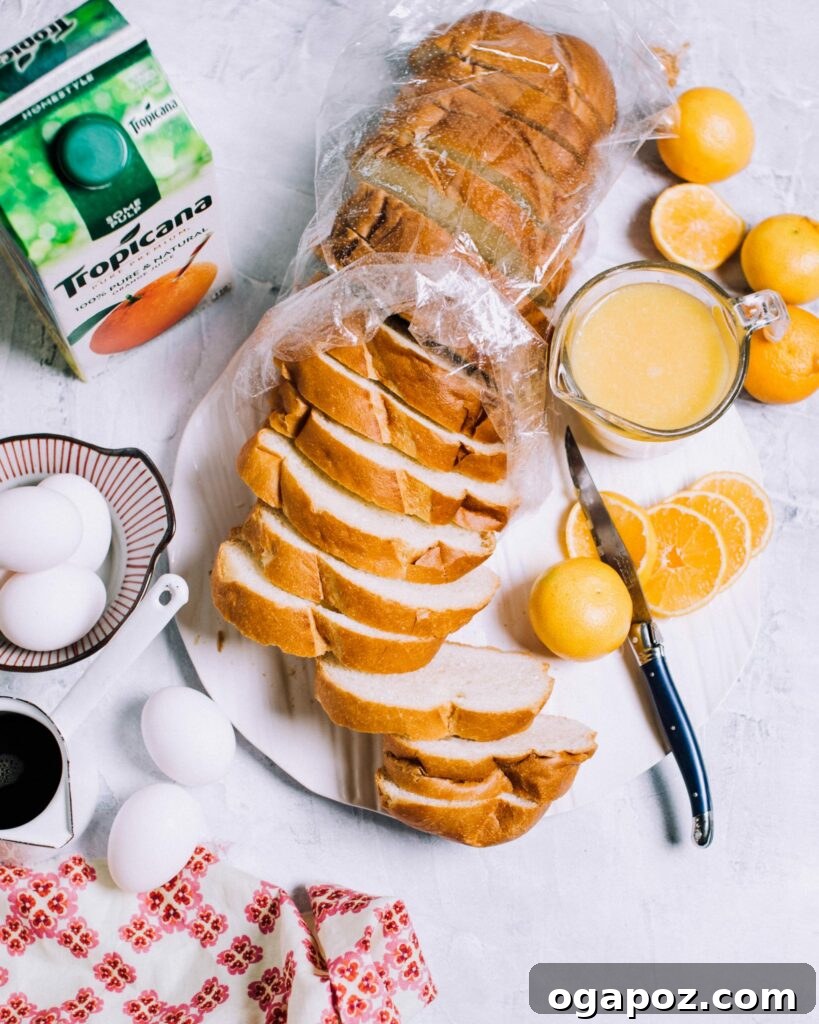
- Day-Old Bread: The foundation of any great French toast. Opt for sturdy loaves like brioche, challah, or a thick-cut white bread. Day-old bread is crucial as it absorbs the custard without becoming soggy, leading to a perfectly set texture.
- Large Eggs: The binding agent for our creamy custard, providing richness and structure.
- Fresh Orange Zest: This is where the majority of the intense orange flavor comes from. Don’t skimp on the zest; it provides an aromatic burst that fresh juice alone cannot. Aim for zest from 1-2 medium oranges.
- Fresh Orange Juice: Adds a tangy sweetness and brightens the overall flavor profile.
- Heavy Cream (or Half-and-Half): For an incredibly rich and luxurious custard. Half-and-half can be used for a slightly lighter version without compromising much on creaminess.
- Pure Maple Syrup: Our preferred natural sweetener, adding depth and warmth to the custard.
- Pure Vanilla Extract: A classic complement to orange, it rounds out the flavors and adds a touch of gourmet elegance.
- Unsalted Butter: For greasing the baking dish and drizzling over the bread, ensuring a golden, crisp exterior.
- Confectioners’ Sugar: The quintessential finishing touch for dusting, adding a delicate sweetness and a beautiful presentation.
- Optional Toppings: Elevate your presentation and flavor with fresh clementine segments, thinly sliced almonds, or jewel-like pomegranate arils for a burst of color and tartness.
You’ll find precise quantities for each ingredient detailed in the comprehensive recipe card located at the bottom of this article.
Flavorful Variations and Smart Substitutions
While this recipe is perfect as written, it’s also incredibly versatile, allowing for adjustments to suit your preferences or what you have on hand. Don’t hesitate to get creative!
- Bread Choices: While brioche and challah are celebrated for their soft, rich crumb that results in the most tender orange French toast casserole, other breads work beautifully too. Consider using sturdy French bread, Texas toast, or even a day-old baguette cut into thick slices or cubes. The key is using bread that is slightly stale to prevent sogginess.
- Sweetener Alternatives: If maple syrup isn’t available, or you prefer a different flavor profile, honey or light brown sugar can be excellent substitutes. Adjust the quantity to your desired sweetness level.
- Dairy Flexibility: For those seeking a slightly less rich option, half-and-half works perfectly in place of heavy cream, yielding a delicious and creamy custard with fewer calories. For a dairy-free alternative, a rich full-fat coconut milk or a high-quality non-dairy creamer can be used, though the flavor may subtly shift.
- Other French Toast Inspirations: If you’re in the mood for a quick stovetop delight, explore my classic Best French Toast recipe. For a non-citrus, cinnamon-spiced baked option, my easy French Toast Bake is a fantastic choice. And if you prefer a cubed-bread casserole over whole slices, my traditional French Toast Casserole offers a comforting twist.
Essential Tools for Easy Preparation
Having the right kitchen tools makes the preparation process smoother and more enjoyable. These are the key items you’ll need:
- 9×13 Baking Dish: The ideal size for this casserole, allowing for even baking and plenty of servings. A ceramic or glass dish works best.
- Large Mixing Bowl and Whisk: For effortlessly combining your custard ingredients until perfectly smooth and homogeneous.
- Microplane Zester: Indispensable for finely grating the orange zest, ensuring maximum flavor extraction without any bitter pith.
- Aluminum Foil: A crucial item for tenting the casserole if the top begins to brown too quickly, ensuring the interior cooks thoroughly without over-browning the crust.
- Instant-Read Thermometer (Optional but recommended): For precisely checking the internal temperature of the casserole to guarantee it’s perfectly cooked and custardy.
Crafting Your Perfect Orange French Toast Casserole: A Step-by-Step Guide
One of the many charms of this orange French toast casserole is its flexibility. You can assemble it the night before for a truly hands-off morning, or prepare and bake it right away if time is of the essence. Whichever method you choose, the magic of the orange zest will infuse the custard, imparting a delicate fragrance and a beautiful, soft citrus glow to the entire dish. Let’s walk through the simple steps to achieve breakfast perfection.
Step 1: Prepare the Aromatic Orange Custard
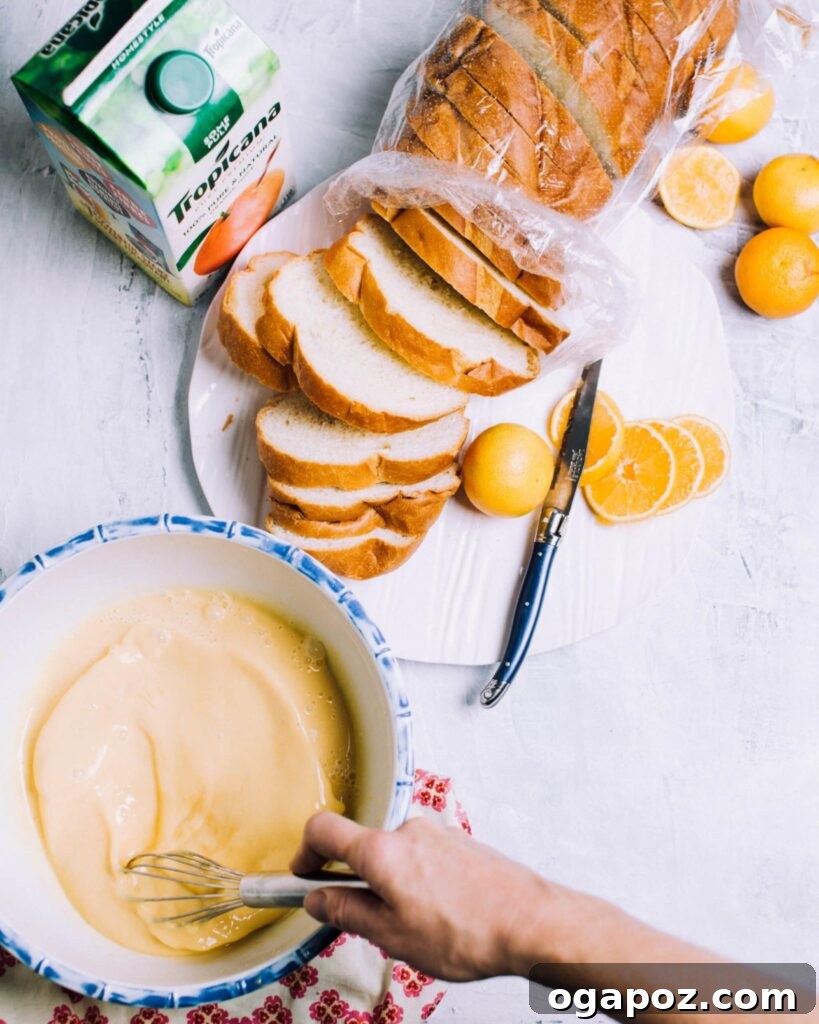
In a large mixing bowl, combine the eggs, fresh orange zest, orange juice, heavy cream, maple syrup, vanilla extract, and a pinch of salt. Whisk vigorously until the mixture is completely smooth and well-integrated. It’s vital not to skip the orange zest here, as it’s the primary carrier of that vibrant, unmistakable orange flavor that truly makes this casserole sing. The zest’s essential oils are what give the dish its bright, aromatic lift, transforming a simple French toast into something extraordinary.
Step 2: Expertly Assemble Your Casserole
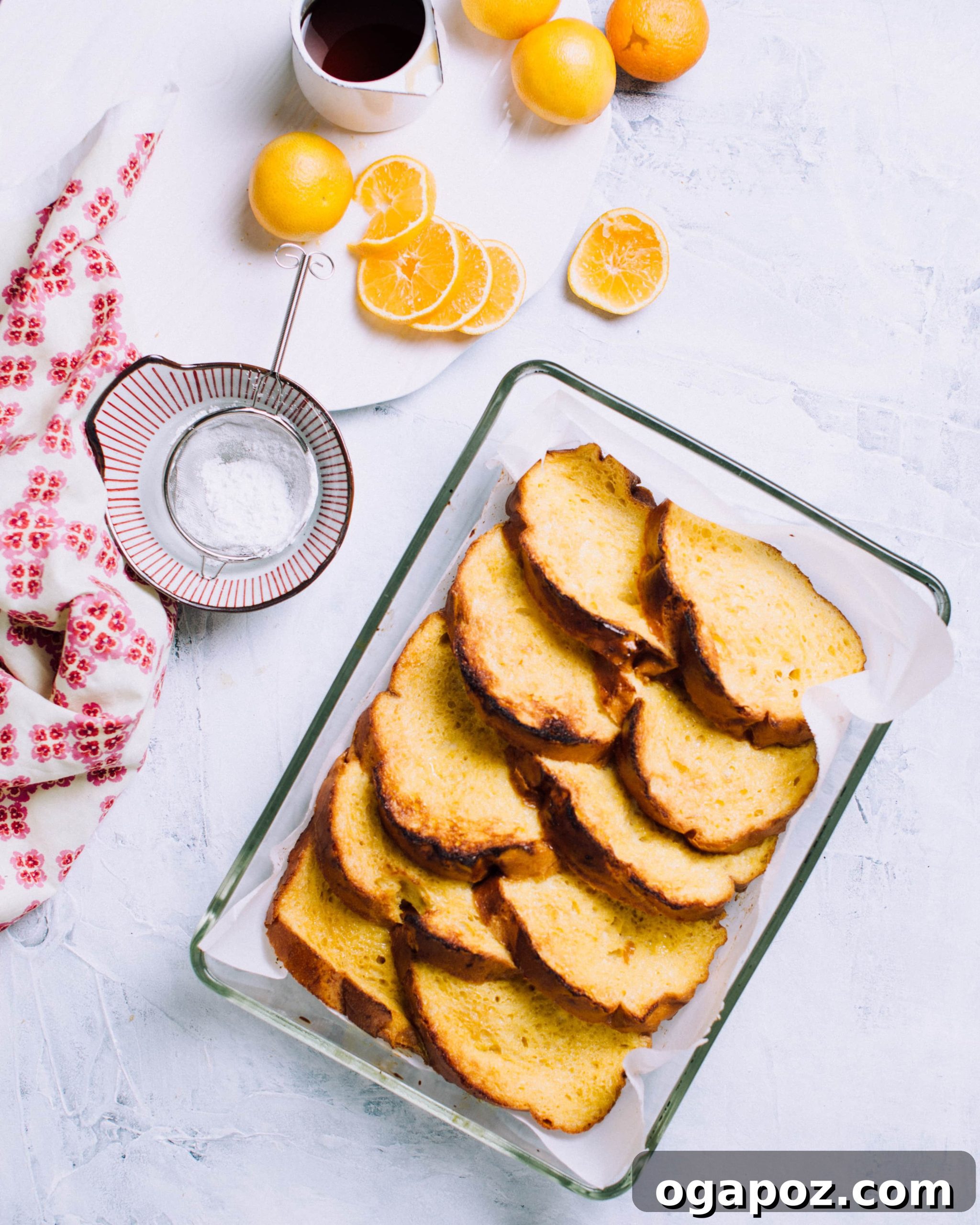
Begin by generously buttering your 9×13 baking dish. This not only prevents sticking but also contributes to a deliciously crispy bottom crust. Next, arrange your day-old bread – whether cubed or sliced – in the prepared dish. For sliced bread, a slightly overlapping, semi-standing arrangement (as often pictured) allows for maximum custard absorption and a beautiful presentation. Once the bread is in place, carefully pour the prepared orange custard evenly over the entire surface. Gently press down on the bread pieces with the back of a spoon or your hands, ensuring every single piece is thoroughly coated and submerged in the custard. This crucial step allows the bread to soak up all that wonderful orange flavor and moisture, promising a uniformly custardy texture throughout the casserole.
Step 3: Chill for Deep Flavor or Bake Immediately
After assembly, cover the baking dish. You have two excellent options: for the deepest, most infused orange flavor and a truly stress-free morning, refrigerate the casserole overnight (8-12 hours). This extended chilling period allows the bread to fully absorb the custard, resulting in an incredibly rich and uniform texture. If you’re short on time, let it stand at room temperature for at least 10 minutes (or up to 30-60 minutes for some absorption) before baking. Preheat your oven to 350°F (175°C). Bake the casserole until it’s beautifully puffed, golden brown, and the center reaches an internal temperature of 175–185°F (79-85°C) when tested with an instant-read thermometer. Baking times will vary depending on whether it’s fridge-cold (35-45 minutes) or room-temp (30-35 minutes). If you notice the top browning too quickly before the center is cooked through, simply tent the casserole loosely with aluminum foil. Once baked, allow the casserole to rest for a few minutes before slicing and serving. This resting period helps the custard set further, making for cleaner, more defined slices.
Make-Ahead Mastery: Preparing and Storing Your French Toast Casserole
This orange French toast casserole truly shines as an ideal make-ahead dish, especially for busy holidays like Christmas morning. The ability to assemble it the night before completely transforms your morning routine, allowing you to simply pop it in the oven while your coffee brews, enjoying a relaxed start to the day without any last-minute stress. Its robust flavors and textures are designed to hold up beautifully, whether prepared in advance or stored as leftovers.
Storing Leftovers for Continued Enjoyment
Don’t let any delicious leftovers go to waste! Proper storage ensures you can savor this delightful casserole for days to come:
- Refrigerate: Once cooled completely, cover the casserole tightly with plastic wrap or transfer individual slices to an airtight container. It will keep wonderfully in the refrigerator for up to 3 days, maintaining much of its original texture and flavor.
- Keep Toppings Separate: For the best texture and appearance, always store any syrup, confectioners’ sugar, or fresh fruit toppings separately. Add them fresh just before serving reheated portions.
Freezing for Long-Term Delight
This casserole freezes exceptionally well, making it perfect for meal prepping or having a quick, gourmet breakfast ready whenever a craving strikes:
- Freeze Slices: Once the casserole has fully cooled, cut it into individual serving-sized slices. Wrap each slice tightly in plastic wrap, then again in aluminum foil, or place them in freezer-safe bags. They can be frozen for up to 2 months.
- Thaw Overnight: For the best results and to preserve its custardy texture, thaw frozen slices overnight in the refrigerator before reheating. This gentle thawing prevents the bread from becoming tough or rubbery.
Effortless Reheating Methods
Enjoying leftover French toast casserole is a breeze with these reheating tips:
- Oven Reheating: This is the preferred method for reviving the casserole’s crisp exterior. Preheat your oven to 300–325°F (150-160°C). Place slices in a baking dish, cover with foil to prevent drying, and heat until warmed through (about 15-20 minutes). For a crisper top, remove the foil for the last few minutes of baking.
- Microwave Reheating: For quick, single servings, the microwave is a convenient option. Be aware that the texture will be softer, less crispy, but still delicious. Heat in 30-60 second intervals until warm.
Serving Your Orange French Toast Casserole: Presentation & Pairings
Presenting your Orange French Toast Casserole is an opportunity to add a final flourish, transforming a delicious dish into a true showstopper. Dust generously with confectioners’ sugar for a snow-kissed effect, drizzle with warm pure maple syrup, and scatter fresh clementine slices or vibrant pomegranate arils over the top for a festive, beautiful, and utterly irresistible finish. These simple additions enhance both the visual appeal and the flavor profile, making each serving a delight.
Exquisite Toppings & Complementary Add-Ins
Personalize each serving with a variety of toppings that highlight the casserole’s citrusy goodness:
- Fresh Citrus: Beyond clementines or mandarins, consider thinly sliced oranges or grapefruit segments for an extra burst of fresh flavor and vibrant color.
- Pomegranate Arils: These ruby-red jewels add a delightful tartness and a beautiful contrast against the golden French toast.
- Nuts for Crunch: Toasted sliced almonds, chopped pecans, or candied walnuts offer a wonderful textural contrast and nutty depth.
- Creamy Delights: A dollop of vanilla yogurt or freshly whipped cream adds another layer of creaminess and indulgence.
- Berries: Fresh raspberries, blueberries, or a mix of seasonal berries can provide a lovely tart counterpoint.
- Orange Glaze: A simple glaze made from confectioners’ sugar and a squeeze of orange juice can be drizzled for extra citrusy sweetness.
Perfect Pairings: Great Sides for Brunch
Complete your brunch spread with savory sides that beautifully complement the sweet and citrusy casserole:
- Crispy Bacon or Breakfast Sausages: The salty, savory crunch of perfectly cooked bacon or juicy breakfast sausages provides a satisfying contrast to the sweet casserole.
- Fresh Fruit Salad: A medley of seasonal fresh fruits offers a light, refreshing counterpoint and helps balance the richness of the French toast.
- Scrambled Eggs or Omelets: For a more substantial meal, a simple egg dish can round out the brunch perfectly.
- Another Brunch Favorite: For those who love a hearty, savory option alongside their sweet treat, consider my comforting Tater Tot Breakfast Casserole.

Pro Tips & Science-Based Secrets for French Toast Casserole Perfection
Achieving a consistently perfect French toast casserole involves understanding a few key principles. These expert tips and scientific insights will help you master this recipe, ensuring a delicious outcome every time.
- Always Use Fresh Orange Zest: This isn’t just a suggestion; it’s a rule for maximum flavor. The aromatic compounds and essential oils in fresh zest are far more potent and complex than any bottled extract or dried peel. Zest carries the purest orange flavor, infusing the custard with a bright, natural essence that can’t be replicated.
- Gently Press the Bread: After pouring the custard over the bread, take a moment to gently press down. This simple action helps the bread absorb the liquid evenly and thoroughly, preventing dry spots and ensuring a uniformly custardy interior. Avoid pressing too hard, which could compact the bread and make it dense.
- Verify Doneness with Temperature: While a golden-brown top is a good indicator, the true sign of a perfectly cooked, custardy French toast casserole is its internal temperature. Aim for 175–185°F (79-85°C) in the center. This range ensures the eggs are fully set, creating a lush, tender texture without being undercooked or rubbery. An instant-read thermometer is your best friend here.
- Balance Sweetness Thoughtfully: It’s generally best to keep the casserole itself moderately sweet. This allows guests to customize their sweetness level at the table by adding more maple syrup, confectioners’ sugar, or other sweet toppings. This approach caters to a wider range of preferences and prevents the dish from becoming overly cloying.
- The Magic of Day-Old Bread: Stale or day-old bread is crucial. Fresh bread is too soft and will absorb the custard too quickly, leading to a soggy texture. Day-old bread is slightly drier and firmer, allowing it to soak up the custard more gradually and retain its structure during baking, resulting in a perfect balance of tender interior and crisp exterior.
- Overnight Infusion for Depth: The overnight chill isn’t just for convenience; it’s a flavor enhancer. Allowing the bread to soak in the custard mixture for several hours (or overnight) gives the flavors ample time to meld and deepen. The orange notes become more pronounced, and the bread achieves a superior, melt-in-your-mouth texture.
FAQs: Your Questions Answered About Orange French Toast Casserole
It’s a common concern, but no, the orange juice in this recipe will not curdle the custard if handled correctly. The key is using a moderate oven temperature (350°F) and maintaining the right egg-to-dairy ratio in the custard. Bake the casserole until the center reaches an internal temperature of 175–185°F. This precise temperature ensures the eggs set beautifully without overcooking or causing the acidic orange juice to react negatively, resulting in a perfectly smooth and creamy texture.
For the most luxurious and tender results, challah and brioche are the undisputed champions. Their rich, slightly sweet profiles and soft yet sturdy textures make them ideal for soaking up the custard. Day-old slices or cubes of these breads are preferred, as they hydrate evenly and hold their shape, ensuring tidy, custardy slices every time. Other excellent options include French bread, a good quality thick-sliced white bread, or even Texas toast.
Absolutely! While preparing the casserole overnight yields the deepest and most developed orange flavor, it’s perfectly acceptable to assemble it on the morning you plan to bake. For best results, allow it to chill in the refrigerator for at least 30-60 minutes after assembly before baking. This short chilling period gives the bread some time to soak up the custard, preventing a dry interior. However, for maximum flavor and ease, overnight is still recommended.
A soggy center is a common pitfall, but easily avoided with a few techniques. First, always use day-old (slightly stale) bread, as it absorbs the custard without collapsing. Second, ensure you don’t oversaturate the bread; the goal is to fully coat, not drown. Most importantly, bake until the middle of the casserole reaches an internal temperature of 175–185°F. If you notice the top browning significantly before the center is fully set, simply tent the baking dish loosely with aluminum foil to protect the top while the interior finishes cooking.
Yes, you can adapt this recipe to be dairy-free. Substitute the heavy cream with a rich non-dairy creamer or full-fat coconut milk. While the flavor profile will shift slightly due to the alternative dairy, the luxurious and custardy texture can be maintained. Ensure you choose unsweetened varieties if possible to control the sweetness of the casserole.
You May Also Like: For those who love variety, consider exploring my Quick French Toast Bake for a delicious no-overnight option, the classic Best French Toast for perfect stovetop mornings, or my family-favorite Tater Tot Breakfast Casserole for savory brunch enthusiasts. Each offers a unique take on breakfast and brunch excellence!

Christmas Morning Orange French Toast Casserole
Jennifer Pallian BSc, RD
10 minutes
30 minutes
40 minutes
5
Ingredients
- 10 thick slices of day-old white or challah bread (14-16 oz)
- 6 large eggs
- 1 cup orange juice
- ⅓ cup heavy whipping cream
- ¼ cup pure maple syrup
- 1 tsp pure vanilla extract
- ¼ tsp salt
- 4 tbsp melted butter
Instructions
-
Preheat oven to 350ºF (175°C). Lightly butter a 9x13x2 inch baking dish.
-
In a large bowl, lightly beat the eggs with a whisk. Whisk in the orange juice, heavy cream, maple syrup, vanilla extract, and salt until smooth and well combined.
-
Dip each slice of bread into the egg mixture one at a time, ensuring both sides are coated. Arrange the soaked bread slices in overlapping, semi-standing-up layers in the prepared baking dish (as pictured in the article). Drizzle any remaining melted butter evenly over the bread.
-
Cover the baking dish tightly with plastic wrap and let it stand for at least 10 minutes at room temperature, or for deeper flavor, refrigerate overnight (8–12 hours).To Bake: Place the covered dish in the preheated oven. Bake for 35–45 minutes if baking from fridge-cold, or 30–35 minutes if baking from room temperature.The casserole is done when it’s beautifully puffed and golden brown, and an instant-read thermometer inserted into the center reads 175–185°F (79-85°C). If the top starts to brown too quickly, loosely tent the dish with aluminum foil.Remove from oven and let the casserole rest for 5–10 minutes before slicing and serving. This helps the custard set for cleaner slices.
Notes
- Overnight Version: For the ultimate ease and flavor, prepare the casserole the night before. Cover tightly with plastic wrap and refrigerate overnight. On Christmas morning, turn your oven on to 350ºF (175°C) and remove the dish from the fridge while the oven preheats. Bake for about 35-45 minutes, until crispy and golden.
- Doneness Check: If you are questioning the doneness, an internal temperature of 175-185ºF is ideal for a custardy center.
Nutrition
Calories:
225
kcal
|
Carbohydrates:
17
g
|
Protein:
7
g
|
Fat:
14
g
|
Saturated Fat:
7
g
|
Polyunsaturated Fat:
1
g
|
Monounsaturated Fat:
4
g
|
Trans Fat:
0.4
g
|
Cholesterol:
221
mg
|
Sodium:
149
mg
|
Potassium:
214
mg
|
Fiber:
0.1
g
|
Sugar:
14
g
|
Vitamin A:
667
IU
|
Vitamin C:
25
mg
|
Calcium:
56
mg
|
Iron:
1
mg
Nutrition information is automatically calculated, so should only be used as an approximation.
Tried this recipe? Share your thoughts in the comments below!